



The e-commerce world in the Arab region, and Saudi Arabia in particular, has witnessed rapid growth and stunning development in recent years. Owning an online store is no longer just a luxury or a secondary step for brands; it has become an absolute necessity to ensure survival in a highly competitive market. With the increasing number of online stores, the importance of providing an exceptional user experience—starting from the moment a customer enters the store until the successful completion of the checkout process—becomes paramount. This is where the store's technical infrastructure comes into play. Platforms like Zid and Salla are considered pioneers in the region, providing an integrated environment that helps merchants manage their operations with high efficiency and minimal technical effort.
However, no matter how wonderful your store's design is or how high-quality your products are, the customer journey can fail at the very last moment if they face difficulties during the payment process. The checkout page is the decisive moment when the customer makes their final decision to part with their money in exchange for your product or service. Therefore, choosing the right online payment gateway is not just a passing technical detail; it is a strategic decision that directly impacts your sales and profits. If the payment gateway is slow, complex, or does not support the customer's preferred payment methods, the inevitable result is lost sales and high cart abandonment rates at the final hurdle.
In this comprehensive guide, we will dive deep into the world of online payment gateways, with a special focus on how to choose the most suitable one for your store, whether you use the Salla or Zid platform. We will review the essential criteria upon which you should base your decision, compare the available options, and provide you with practical strategies to ensure a seamless and secure payment experience for your customers. You can check out our guide on Conversion Rate: How to Turn Salla and Zid Visitors into Buyers? to understand how every step in your store influences persuading the customer to buy, but for now, let's focus on the most important step: successfully completing the payment process.
What Are Online Payment Gateways and Why Are They the Lifeblood of Your Store?
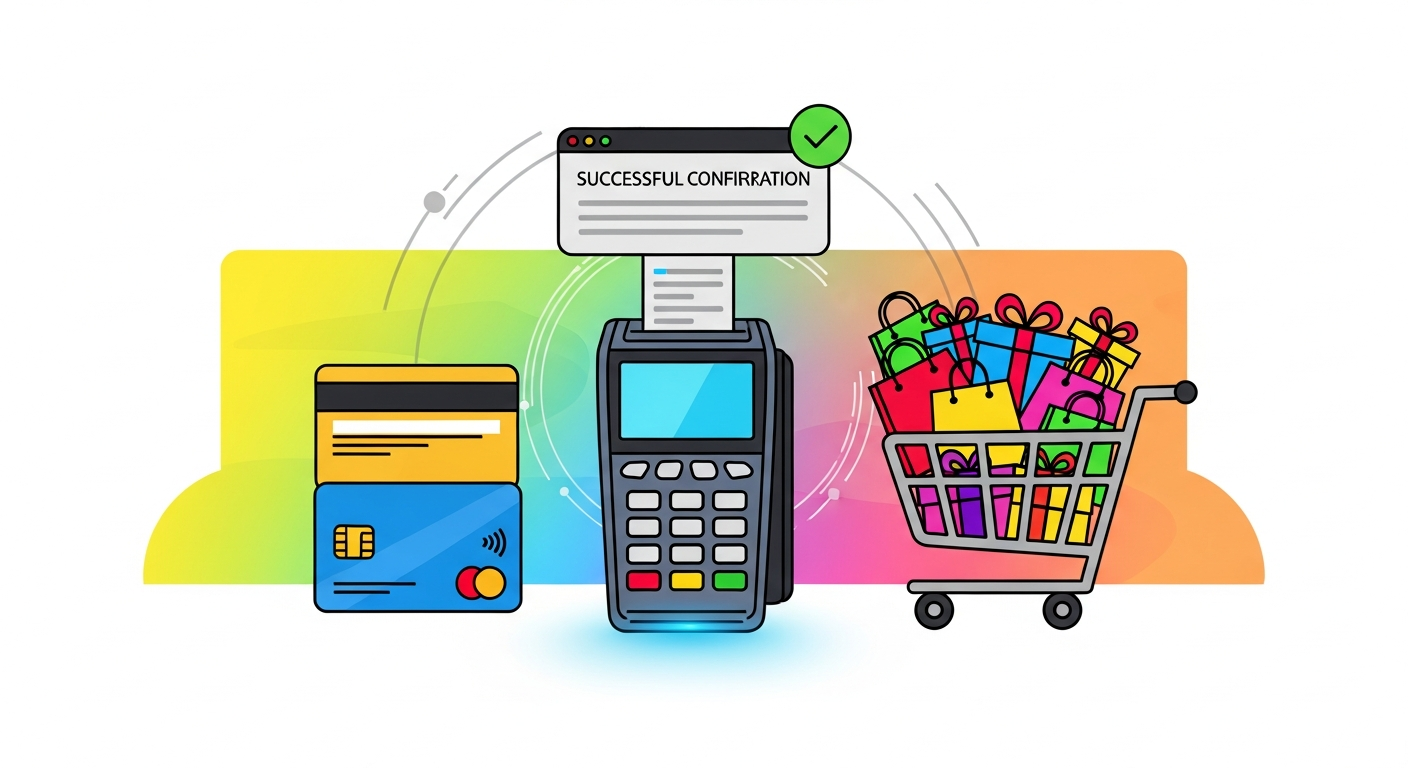
An online payment gateway is simply the technology that acts as a secure intermediary between your online store, the customer, the customer's card-issuing bank, and the bank that holds your merchant account. When a customer enters their credit card or Mada card details on the checkout page, the gateway immediately encrypts this sensitive data to ensure it is not exposed to theft or hacking. The gateway then sends a request to the card-issuing bank to verify sufficient funds and card validity. Based on the response, the transaction is either approved or declined within mere seconds. All of this happens in the background without the customer experiencing any complexity.
Payment gateways are considered the lifeblood of any online business because they are the only secure way to collect money from customers and transfer it to your bank account. Without a reliable payment gateway, you would be forced to rely on traditional payment methods like manual bank transfers or cash on delivery (COD)—methods that statistics show increase operational burdens on the merchant and raise the rates of returns and fake orders. Providing an advanced online payment gateway gives an immediate impression of professionalism and reliability, encouraging the customer to complete the purchase while feeling completely reassured about their money and personal data.
Furthermore, payment gateways play a pivotal role in facilitating your store's accounting and financial operations. Through the payment gateway's dashboard, you can monitor all successful and declined transactions, issue refunds to customers with the click of a button, and track settlement times and transfers to your account. This level of financial organization saves you long hours of manual work and complex accounting reviews. Therefore, when choosing a platform like Zid or Salla, you must carefully study the integrated payment options and how they seamlessly connect with your order management system to provide a smooth experience for both you and your customers.
Essential Criteria for Choosing the Right Payment Gateway
The first and most important criterion when choosing a payment gateway is the cost of service and the fee structure. Payment gateway fees typically consist of setup fees (sometimes free), monthly or annual fees, and most importantly: the transaction fees deducted from each purchase. These fees are usually a percentage of the order value plus a small fixed amount (for example, 2.5% + 1 SAR). You must carefully calculate how these fees will affect your profit margins, especially if you sell low-cost products. You must take these fees into account when Pricing Products: Smart Strategies for Salla and Zid Stores to ensure you do not incur invisible losses.
The second criterion is the variety of supported payment methods and their suitability for your target audience. In the Saudi and Gulf markets, supporting "Mada" cards and "Apple Pay" is indispensable, as these methods account for the largest percentage of daily purchasing transactions. In addition, the gateway should support global credit cards like Visa and Mastercard, and other local payment options like STC Pay. Providing diverse payment options means you are not placing any obstacles in front of the customer, allowing them to complete the purchase using the method they prefer and feel comfortable with.
The third criterion is the settlement cycle, which is the time it takes for the gateway to transfer funds from their account to your commercial bank account. This duration varies from one gateway to another; some provide daily settlements, while others take anywhere from two days to a business week. For small and medium-sized enterprises, rapid cash flow is vital for purchasing new inventory and paying operational expenses. Therefore, always look for a gateway that offers the fastest possible settlement time without complications or restrictive conditions on withdrawing funds.
Payment Gateways on the Salla Platform: Diverse Options to Meet Your Needs
The Salla platform offers a highly integrated and convenient solution for merchants through the "Salla Pay" service. This system is designed to be ready to use as soon as your store is verified, removing the burden of independently contracting with external payment gateway companies. Through Salla Pay, the merchant can seamlessly receive payments via Mada, credit cards, and Apple Pay. The major advantage here is centralization; all orders, payments, and refunds are managed from a single place within the Salla dashboard, reducing distraction and accelerating the daily workflow of store management.
Alongside the core payment system, Salla supports integration with Buy Now, Pay Later (BNPL) services like Tabby and Tamara. These services have revolutionized e-commerce in the region, allowing customers to split the value of their purchases into interest-free monthly installments, while the merchant receives the full order value upfront from the service provider. Activating these services in Salla is incredibly easy, and studies have shown that offering BNPL options significantly increases the Average Order Value (AOV) and boosts conversion rates, especially for stores selling relatively high-priced products.
Moreover, the Salla platform stands out by providing accurate and detailed financial reports for all transactions processed through its payment gateways. The merchant can transparently review collected amounts, deducted fees, and pending funds. This level of financial clarity helps the merchant make data-driven decisions. Salla also provides continuous technical support to resolve any payment-related issues the merchant might face, ensuring business continuity without sudden interruptions that could hinder sales momentum during peak seasons and promotional campaigns.
Advantages and Challenges of Activating Payment Gateways in Salla
One of the most prominent advantages of activating payment gateways in Salla is the speed of execution and ease of setup. Once you obtain your freelance certificate or commercial register and link your bank account, you can activate online payments within a few hours. It does not require any programming knowledge or complex API integration, unlike custom-built stores. Salla's user interface is designed to be intuitive, allowing anyone, even without technical expertise, to easily manage payment settings, set minimum order values for each payment method, and customize the purchasing experience.
On the other hand, one of the challenges a merchant might face is the transaction fees imposed on purchases, which can vary depending on the subscribed Salla plan (Basic, Plus, Pro). The merchant must carefully study these fees and compare them against their projected sales volume. Sometimes, upgrading to a higher Salla plan can be a better economic choice if the higher tier offers lower percentage fees on online payments. Proper financial planning plays a crucial role here in maximizing profits and minimizing hidden operational costs that can accumulate over time and eat into profit margins.
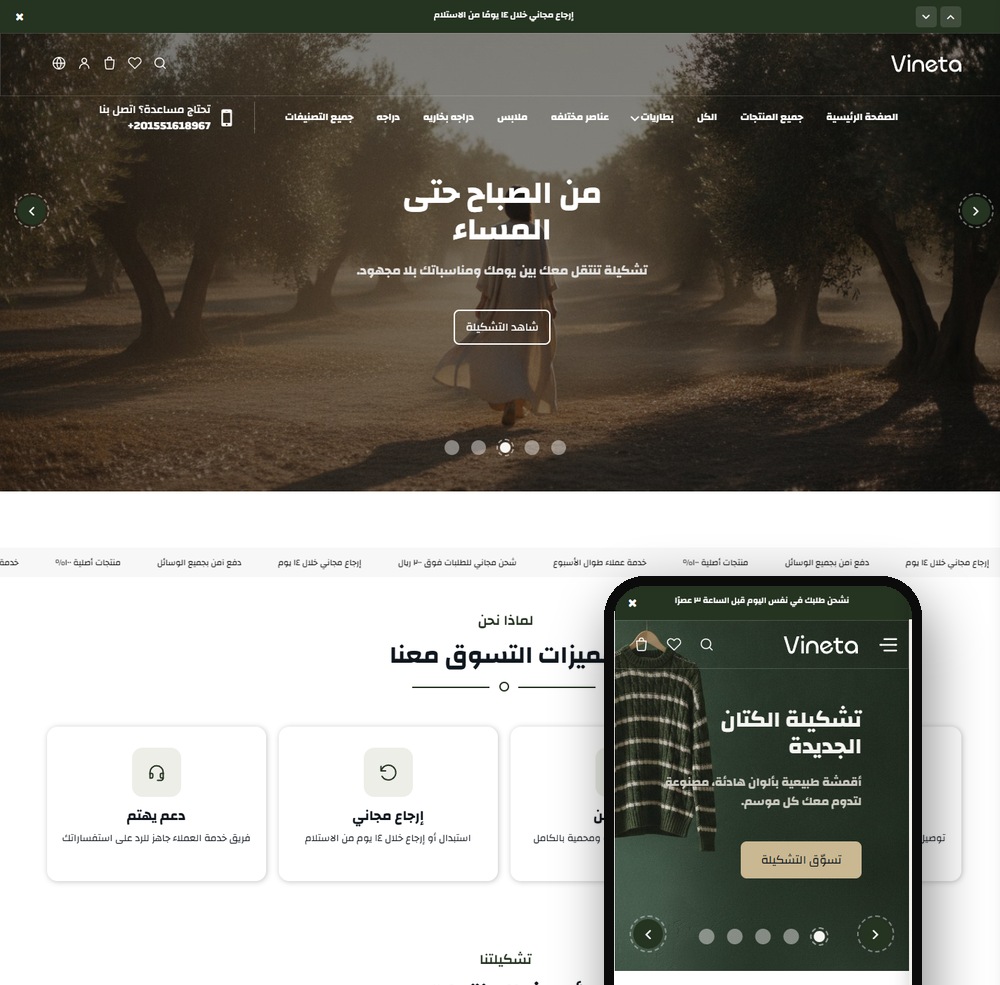
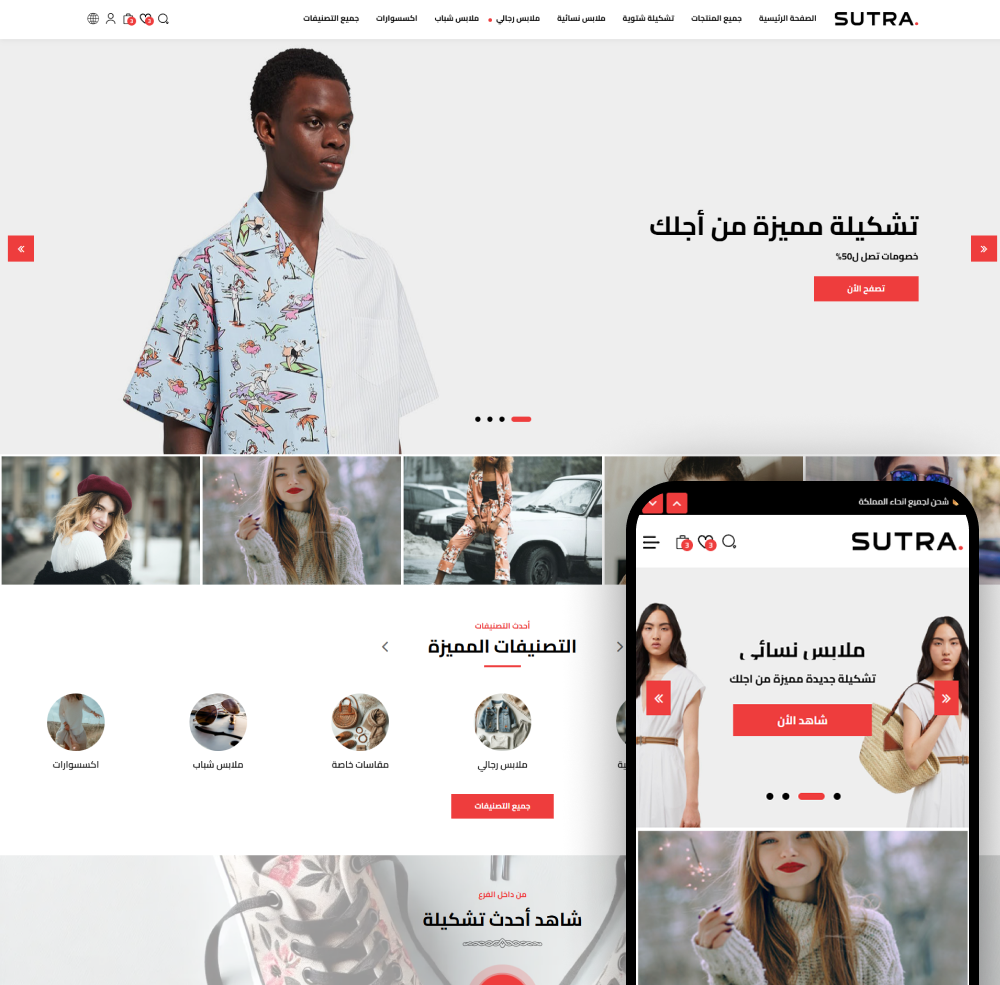
Another challenge to be aware of is fraud protection policies. While payment gateways offer robust protection, the merchant remains responsible for verifying the authenticity of orders to avoid chargebacks, which occur when a customer disputes a transaction with their bank. To avoid this issue and other checkout problems, we recommend reading our guide on Abandoned Carts: Your Guide to Recovering Salla and Zid Sales, where we discuss how to track customers who faced payment issues and bring them back to complete their purchase securely and reliably.
Payment Gateways on the Zid Platform: High Flexibility and Professional Integration
The Zid platform adopts a similar philosophy in providing payment solutions through the "ZidPay" service, which is the official and preferred gateway for the platform's merchants. ZidPay aims to deliver an integrated local and global payment experience that complies with the highest internationally recognized security standards (PCI-DSS). By activating ZidPay, the merchant ensures the provision of the most popular payment options like Mada, credit cards, and Apple Pay within a clean, fast-loading checkout interface. This interface is optimized to reduce the steps a customer needs to complete a purchase, positively impacting the reduction of checkout abandonment rates.
What distinguishes the Zid environment is its high flexibility and focus on merchant growth and expanding their options. In addition to ZidPay, Zid merchants have access to the "Zid App Market," which includes various payment service providers and installment solutions like Tabby and Tamara. The integration process with these providers is done through simple and clear steps. This open ecosystem gives the merchant greater freedom to choose financial partners who offer the best deals and rates suited to their business size and the types of products they offer to their customers.
Operationally, Zid provides an advanced financial dashboard that allows the merchant to manage cash flows professionally. The merchant can track the status of every payment transaction, know when funds will be deposited into their bank account, and export financial reports compatible with various accounting systems. This level of professionalism makes Zid a preferred choice for brands looking to expand and grow, as Zid's payment infrastructure is designed to handle massive numbers of simultaneous transactions—a critical factor during major sales seasons like Black Friday and Ramadan.
How Do You Balance Cost and Service in Zid?
Balancing the cost of the payment gateway with the quality of service provided is an equation every Zid merchant must solve carefully. For example, if your store sells low-priced accessories (e.g., 30 SAR per item), the fixed fee on each transaction (like 1 SAR) will represent a significant percentage of your profit margin. In this case, you should focus on encouraging customers to increase their cart size to minimize the impact of fixed fees. You can use smart marketing techniques to increase the Average Order Value and overcome this financial challenge.
Conversely, if you sell high-priced electronics or luxury perfumes (e.g., 500 SAR and above), the percentage deducted by the payment gateway will have the biggest impact on your profits, while the fixed fees will have almost no effect. Here, it might be worthwhile to research and negotiate (if your sales volume is massive) to secure lower percentage rates. Additionally, for these high-value products, offering installment services (Tabby/Tamara) is an essential investment. Even though their merchant fees might be higher than standard payment gateways, the expected increase in sales volume will offset this cost and boost your overall profits.
Transparency with the customer is also part of service quality. Ensure that all your prices are inclusive of VAT and do not surprise the customer with additional fees upon reaching the checkout page. Studies confirm that hidden fees are the primary reason for cart abandonment. In addition to paying attention to Store Design: How to Improve User Experience in Salla and Zid to make the payment interface look secure and reliable, your pricing policy must be completely clear. This reduces hesitation and increases the customer's confidence in successfully completing the payment process via the Zid platform.
Smart Strategies to Reduce Cart Abandonment Due to Payment Issues
One of the biggest challenges facing online stores is the rate of abandoned carts, which often occurs at the payment stage. To reduce this rate, the first and most important strategy is to offer multiple and comprehensive payment options. Never assume that all your customers prefer the same payment method. Some prefer the ultimate speed of Apple Pay, some prefer entering their Mada card details, and others may lack immediate liquidity and prefer installments. Providing all these options ensures you don't lose any potential customer due to a lack of their suitable payment method.
The second strategy relates to building trust on the checkout page. The Arab customer has become more aware of online risks and will not enter their bank card details if they feel any doubt towards your store. To reinforce this trust, make sure to prominently display the logos of well-known payment gateways (Mada, Visa, Mastercard, Apple Pay) in the site's footer and on the checkout page. Use SSL certificates (which Salla and Zid provide automatically) to ensure a secure connection. You can also add short reassuring phrases like "100% Secure Shopping" or "Your bank details are encrypted and not saved." These simple words have a significant psychological impact in reassuring the buyer.
The third strategy is to simplify the checkout process as much as possible. The more fields a customer is required to fill out, the higher the likelihood they will feel bored or hesitant and abandon the store. Both Zid and Salla platforms offer an "Express Checkout" feature that bypasses lengthy registration steps and allows the customer to complete the purchase as a guest (Guest Checkout) in just a few steps. Make sure to activate this feature and minimize the required data to just the name, mobile number, and precise delivery address. A smooth and fast checkout experience is the golden key to raising conversion rates and increasing sales.
Conclusion: How to Make the Final Decision for Your Store on Salla or Zid?
In conclusion, it can be said that choosing the most suitable payment gateway is not just a mandatory technical step, but a solid foundation upon which to build the success of your online store. Whether you choose to work on the Salla platform or the Zid platform, both offer highly advanced payment solutions specifically designed to meet the needs of the Saudi and Gulf markets. "Salla Pay" and "ZidPay" represent a quantum leap in facilitating e-commerce, lifting the burden of technical integration and complex bank negotiations off the merchant's shoulders, allowing them to focus on what they truly excel at: marketing and developing their products.
To make the final decision, you must study the nature of your products, the Average Order Value (AOV), and your available profit margins. Accurately calculate the fixed and variable fees to know the true cost of each sale. Remember that providing a seamless and secure payment experience, supported by Buy Now, Pay Later (BNPL) options and fast payment methods like Apple Pay, is no longer an added perk but a fundamental standard expected by customers in any professional store. Do not skimp on providing options that make your customer comfortable, because the cost of losing a customer is far higher than payment gateway fees.
Finally, make monitoring data and financial analytics a regular habit. Monitor payment success rates, track the reasons for declined transactions, and listen to your customers' feedback regarding the purchasing experience in your store. E-commerce is a process of continuous improvement, and what works well today may need adjustment tomorrow. By making the most of the powerful tools provided by the Salla and Zid platforms, and through the smart application of pricing strategies and user experience optimization, you will undoubtedly be able to turn your store into a highly efficient and reliable sales machine around the clock.