


In the rapidly evolving world of e-commerce, the payment process is a pivotal moment in the customer journey. It's not merely a final step to complete a purchase; it's the culmination of an entire shopping experience. Imagine a customer who has spent considerable time browsing your store's products on Zid or Salla, added desired items to their cart, and then encountered obstacles or complexities when attempting to pay. At this critical juncture, all marketing efforts can evaporate, and a potential customer can become a lost one.
Therefore, the importance of choosing the right payment gateway for your online store cannot be overstated. A payment gateway is the bridge connecting a customer's intention to buy with your ability to collect revenue, and it's the element that ensures smooth and secure financial transactions. It's not just a technical tool; it's a strategic partner that directly impacts conversion rates, customer satisfaction, and even your store's reputation. In this comprehensive guide, we will take you on a detailed journey to explore payment gateways, and how to select the most suitable ones for your store operating on platforms like Zid, Salla, and Shopify, with a focus on the specific needs of the Arab e-commerce market.
Understanding Payment Gateways: Types and Core Components
A payment gateway, simply put, is an e-commerce service that allows online stores to accept payments from customers. These gateways act as a secure intermediary between your online store, the customer's bank, and your merchant bank. When a customer clicks the "Pay Now" button, the payment gateway encrypts sensitive payment information and securely transmits it across the network, ensuring data confidentiality and protecting it from any potential hacking or fraud attempts. This complex process occurs within mere seconds, providing a seamless experience for the shopper.
Protecting customer data is of paramount importance in the world of e-commerce, and this is where encryption and security play an indispensable role as core components of any reliable payment gateway. Modern payment gateways rely on robust encryption technologies like SSL/TLS to ensure that all data transmitted between the customer, merchant, and payment gateway is fully protected. Furthermore, most gateways adhere to Payment Card Industry Data Security Standard (PCI DSS), a set of security requirements designed to protect cardholder information from theft and fraud. Choosing a payment gateway that complies with these standards gives your customers confidence and peace of mind when purchasing from your store.
Payment gateways can be broadly categorized into two main types based on how the transaction is processed within the store: on-site and off-site payment gateways. Understanding the differences between these two types will help you determine the best option that aligns with your store's strategy, customer preferences, and the level of control you desire over the payment experience. Each type has its advantages and challenges, and we will explore them in detail to help you make an informed decision.
On-site Payment Gateways
On-site payment gateways are also known as "self-hosted," where the entire payment process occurs within your e-commerce store's website without redirecting the customer to an external page. This type of gateway gives you complete control over the user experience, from the design of the payment page to the messages displayed to the customer. When a customer remains within your familiar store environment while entering payment information, they feel a greater sense of trust and security, which enhances your store's credibility and reduces cart abandonment rates. This seamless transition from the product page to the final checkout page without any external redirects is a significant competitive advantage.
Despite the significant advantages offered by on-site payment gateways in terms of control and user experience, they come with a set of challenges and responsibilities. The most prominent of these challenges is compliance with the Payment Card Industry Data Security Standard (PCI DSS). As the merchant, you become directly responsible for protecting customer card data, which requires investment in a secure infrastructure, regular audits, and ensuring your system meets all stringent PCI DSS requirements. These requirements can be complex and costly for small and medium-sized businesses, necessitating careful consideration before choosing this type of gateway. However, some e-commerce platforms like Shopify offer integrated solutions that reduce this burden.
In the context of Zid and Salla platforms, many local and international payment gateways offer direct or semi-direct integration options. For example, some gateways that support Mada, Visa, and Mastercard allow integration that keeps the customer within the store as much as possible, or redirects them to a payment page with a similar design to your store to minimize the feeling of transition. It is crucial to look for gateways that offer this flexibility and are compatible with your store's environment on Zid or Salla, to ensure the highest level of trust and the excellent user experience your customers expect. This ensures the payment process is a seamless part of your store's brand identity.
Off-site Payment Gateways
In contrast to on-site gateways, off-site payment gateways redirect the customer to a separate, secure payment page, hosted by the payment gateway itself, to complete the purchase. After the customer enters their payment details, the transaction is processed, and they are then returned to your online store. These gateways are easy to set up and implement, as you, the merchant, don't need to worry about hosting card information or complying with complex PCI DSS requirements, because the payment gateway is entirely responsible for that. This significantly reduces your security and technical burden, allowing you to focus on product management and marketing.
Despite the ease of setup and reduced security responsibility, using off-site payment gateways can come with some challenges, most notably redirecting the customer to an external payment page. Some customers may feel uncomfortable leaving the original store website, even if the payment page is secure, which could affect their trust and increase the likelihood of cart abandonment. Therefore, it is essential to choose a payment gateway with a professional design and a clear user interface that aligns as much as possible with your store's brand identity to minimize this feeling of transition. The redirection process should also be fast and smooth to ensure a positive user experience. You must ensure that the external page does not look drastically different from your store.
Gateways such as PayPal and Stripe (with increasing presence in the region), PayTabs, and MyFatoorah are prominent examples of payment gateways that offer off-site or hybrid payment options. These gateways are known for their reliability, security, and support for multiple payment methods, making them popular choices for stores on Zid, Salla, and Shopify. When choosing an off-site payment gateway, you should pay special attention to the gateway's reputation, the level of security it provides, the ease of integration with your store's platform, and transaction fees. The most suitable option will provide a balance between ease of setup, security, and a customer experience that does not cause any confusion or concern.
Crucial Factors for Choosing the Ideal Payment Gateway for Your Zid and Salla Store
Choosing a payment gateway for your e-commerce store is not a simple decision based solely on the cheapest fees or the easiest setup process. Instead, it's a multifaceted strategic decision that requires careful consideration of a wide range of factors influencing both the customer experience and your business efficiency. Your perspective must extend beyond the technical aspects to consider how this choice will impact your store's reputation, conversion rates, and even your ability to scale in the future. The ultimate goal is to achieve a delicate balance between your specific store needs and the growing expectations of your customers, while taking into account the competitive landscape of the e-commerce market.
When making this decision, you must consider that the payment gateway you choose will be an integral part of your online store's identity. If the payment process is complex or insecure, it could lead to a loss of customer trust, even if your products and services are excellent. On the other hand, providing a smooth, secure, and multi-option payment experience can be a key differentiator for your store, directly contributing to increasing conversions and encouraging customers to return for future purchases. Therefore, do not view payment gateways as an additional service, but as a fundamental pillar of your store's success.
Selecting the ideal gateway requires a comprehensive evaluation of factors such as costs, security features, the user experience it provides, its compatibility with your store's platform (whether Zid, Salla, or Shopify), in addition to the quality of technical support and reports it offers. All these aspects intertwine to form the complete picture that will determine the effectiveness of the payment gateway in achieving your store's objectives. In the following sections, we will delve into each of these factors to help you understand them better and apply them when evaluating the available options.
Cost and Fees
Cost is a critical factor when choosing a payment gateway, but it's essential to understand all associated fees to avoid surprises. Costs are not limited to transaction fees alone; they can also include initial setup fees, fixed monthly fees, per-transaction fees (whether a percentage of the transaction value, a fixed amount, or both), and additional fees for specific services such as withdrawals to your bank account, or higher chargeback fees if a customer disputes a transaction. You must request a detailed list of all applicable fees from each service provider and compare them meticulously.
To accurately assess the total cost, you should perform estimated calculations based on your projected sales volume and average transaction value. For example, if your store receives a large number of low-value transactions, fixed fees per transaction might be prohibitive, and a percentage-based payment gateway might be a better option. Conversely, if your transactions are few but of high value, a percentage might have a greater impact. It is crucial to read the terms and conditions very carefully, understand hidden or variable fee policies, and look for any additional fees that might appear later, to ensure there are no unexpected costs affecting your profit margin.
Also, keep in mind that some payment gateways may offer preferential rates for high-volume stores or special offers for new stores. Therefore, do not hesitate to negotiate or inquire about the possibility of customized packages that suit your business volume. Remember that the goal is not just to choose the cheapest payment gateway, but to select the gateway that offers the best value for money, allowing you to maximize profits while providing a reliable and secure payment service to your customers. Cost is a fundamental element, but it must be evaluated within a broader context that includes all other factors influencing the overall payment experience.
Security and Fraud Prevention
Security is the cornerstone of any successful online payment process. Customers will not trust your store if they do not feel that their financial and personal information is completely safe. Therefore, you must ensure that the payment gateway you choose adheres to the highest global security standards, most importantly the Payment Card Industry Data Security Standard (PCI DSS). This standard specifies a set of strict requirements that companies handling credit card data must comply with to protect this data. Additionally, the gateway must support modern encryption protocols like SSL/TLS to ensure that all data transmitted between your store, the customer, and the payment gateway is fully encrypted.
Beyond compliance with basic standards, the payment gateway should provide robust fraud prevention features. Fraudulent transactions are a significant problem in e-commerce and can cause substantial financial losses for stores. Therefore, look for payment gateways that include advanced fraud detection tools, such as behavioral analytics systems, databases of suspicious addresses, and card validation. Furthermore, support for the 3D Secure protocol (such as Verified by Visa and Mastercard SecureCode) is an additional security feature, as it requires the customer to enter a secret code or password to confirm their identity, significantly reducing fraud risks and protecting the merchant from fraudulent chargebacks.
Building customer trust begins the moment they feel secure entering their data. When customers see trusted security logos on the payment page (such as PCI DSS logos or well-known payment gateway brands), they feel reassured. Choosing a payment gateway with a strong track record in security and fraud prevention not only protects your store from financial losses but also enhances your reputation and credibility in the market. Remember that any security breach or fraud incident can irreparably damage your store's reputation, so investing in good payment gateway security is an investment in the future of your business and excellent customer service.
User Experience and Checkout Flow
A smooth and convenient user experience is a crucial factor in completing a purchase and preventing abandoned carts. The payment process should be simple and clear, with the fewest possible steps, avoiding any unnecessary complications. Imagine a customer reaching the payment page and then having to fill out long forms or navigate through multiple pages; this might prompt them to abandon the purchase. Therefore, look for payment gateways that provide an intuitive user interface, allow quick and efficient payment completion, and avoid any unjustified redirects or slow loading times. Every second of delay on the payment page can cost you a potential customer.
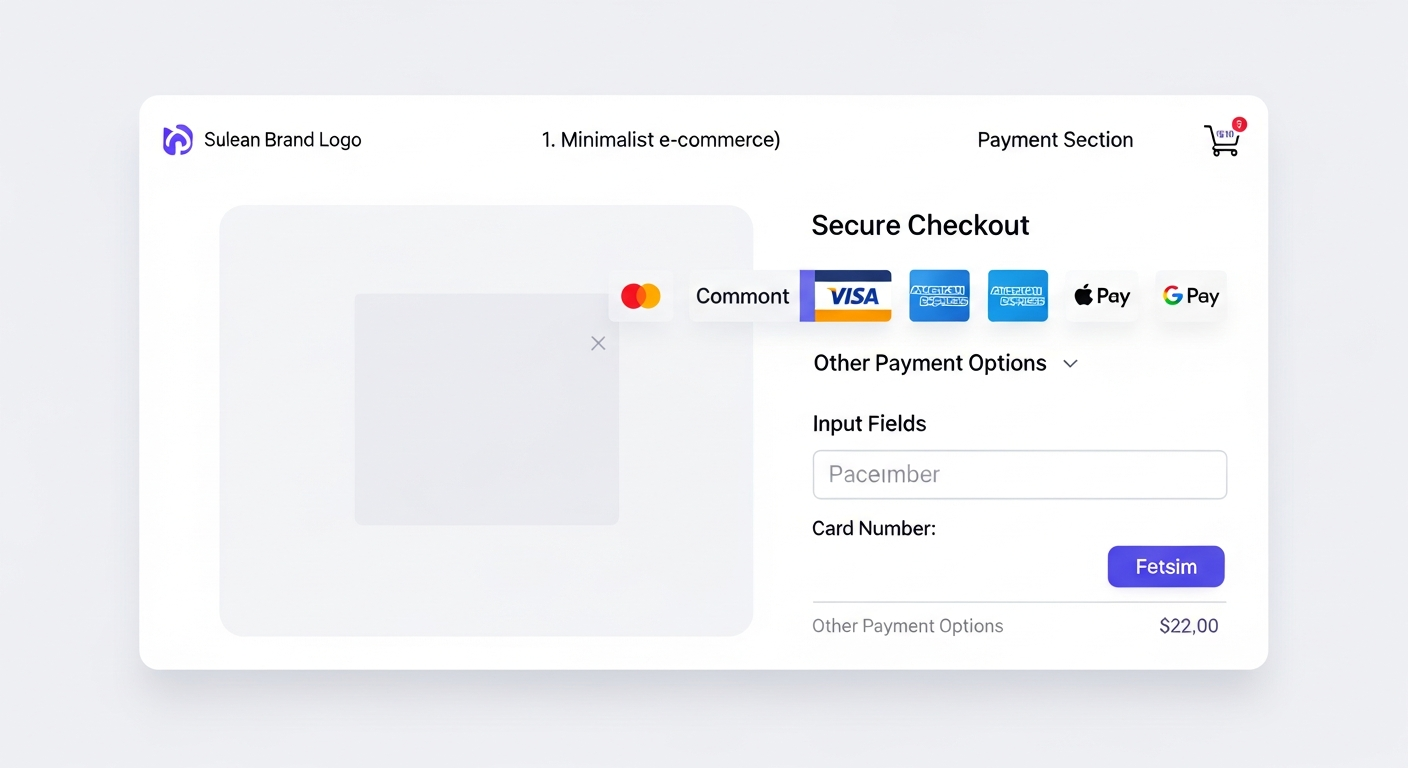
Meeting customer preferences in payment methods is also an integral part of an ideal user experience. In the Saudi and GCC markets, Mada, Visa, and Mastercard are the most common. However, with the increasing adoption of modern technologies, providing options like Apple Pay, Google Pay, and STC Pay has become essential. Additionally, some customers prefer installment payment options or cash on delivery. The more payment methods supported by the gateway, the greater your chances of meeting the needs of a wider range of customers and reducing barriers to completing a purchase. Payment flexibility directly translates into increased sales and customer satisfaction.
Finally, the checkout page must be fully responsive across different devices, whether the customer is shopping from a desktop computer, tablet, or smartphone. Most purchases today are made via mobile phones, so a non-responsive checkout page can ruin the user experience and lead to lost sales. Ensure that the checkout page design is clean, mobile-optimized, and easy to input data into. Investing in a payment gateway that provides an excellent user experience is an investment in customer loyalty and your store's long-term success, as customers prefer to return to stores that offer them an easy and convenient shopping experience from start to finish.
Compatibility with Zid, Salla, and Shopify Platforms
The compatibility of a payment gateway with your e-commerce platform (whether Zid, Salla, or Shopify) is one of the most important technical factors to consider. Seamless integration ensures that all financial operations proceed correctly and without issues, from displaying payment options on the cart page to updating order status after payment completion. Look for payment gateways that offer direct and native integration with your platform, where they are supported as a primary option in the store settings. This significantly simplifies the setup process and reduces the need for complex programming interventions, saving you time and effort and minimizing the chances of technical errors.
If direct integration is not available, you may need to look for payment gateways that offer integration options via third-party apps available in the platforms' app stores, or through an Application Programming Interface (API). API integration gives you greater flexibility in customizing the payment process, but it requires technical knowledge or the assistance of a developer. Ensure that the gateway's technical documentation is clear and detailed, and that their technical support team can assist you with the integration process if you encounter any difficulties. For example, Shopify has a vast app marketplace that includes many payment gateways, while Zid and Salla focus on integration with popular local and regional gateways.
The differences between the three platforms lie in their ease of integration and the flexibility they offer. Platforms like Zid and Salla, which largely target the Saudi and GCC markets, often provide seamless integration with local payment gateways such as Mada, PayTabs, and MyFatoorah. Shopify, being a global platform, offers broader support for international gateways like Stripe and PayPal, in addition to its growing support for regional gateways. Before committing to any payment gateway, check the list of officially supported gateways on your platform, read reviews from other merchants, and ensure that the chosen gateway meets all your technical and operational requirements, offering a stable and reliable solution for your store.
Technical Support and Reporting
Effective and prompt technical support is a vital, indispensable element when choosing a payment gateway. In the world of e-commerce, technical issues can arise at any time, whether related to failed transactions, gateway activation problems, or inquiries about refunds. In such cases, you need a technical support team that can respond quickly and efficiently to resolve issues, minimizing any negative impact on your store's sales or your customers' experience. Look for payment gateways that offer multiple support channels (such as phone, email, live chat) and provide 24/7 service if your store operates globally.
Alongside technical support, the quality of financial and analytical reports provided by the payment gateway is crucial for effectively managing your store. These reports offer valuable insights into your sales performance, the most popular payment methods, transaction success and failure rates, and even details about fraudulent transactions. This data helps you in data analysis to make informed decisions to improve your marketing and pricing strategies, and identify any potential issues in the payment process. Look for payment gateways that provide an easy-to-use dashboard displaying these reports clearly and understandably, and allow you to export data in various formats.
The ease of tracking transactions and managing refunds and chargebacks are essential features that a payment gateway must provide. Your ability to view details of each transaction, process customer refunds quickly, and handle disputes efficiently directly impacts your store's reputation and customer satisfaction. A good payment gateway should offer clear tools for these operations, reducing your administrative effort and ensuring transparency in all your financial dealings. Do not underestimate these features; they significantly contribute to your store's operational efficiency and in building strong, lasting relationships with your customers.
Prominent Payment Gateways Supported in Zid, Salla, and the Middle East
The e-commerce market in the Middle East, especially in Saudi Arabia and the GCC countries, is experiencing tremendous growth, and this growth has led to the emergence and development of numerous payment gateways that cater to both local and international needs. Whether you are using Zid, Salla, or Shopify, you have a wide array of reliable options to choose from. These gateways differ in their geographic focus, supported payment methods, fee structure, and security features. The goal is to provide an overview that helps you understand the general landscape and choose what best suits your store, keeping in mind that the optimal choice may vary based on your business volume and customer base.
When evaluating these gateways, it's important not to just look at the big or most popular names, but to delve into the details that make each gateway unique. Some gateways might be ideal for stores targeting only the local market, while others might be better for stores looking to expand globally. Also, some gateways focus on providing integrated solutions that include electronic invoicing and payment links, while others might specialize in credit card processing only. This comprehensive overview will help you identify gateways that align with your store's long-term strategy and goals, ensuring you provide a flawless payment experience for your valued customers.
Remember that technology is constantly evolving, and payment gateways are also developing to meet new market demands. Therefore, it's good to stay updated on the latest updates and features offered by these gateways. In the following sections, we will take a closer look at some of the most prominent local and international payment gateways that are popular and highly compatible with e-commerce platforms in the region, comparing their key features to help you make an informed decision. This exploration will give you confidence in choosing the right financial partner for your online store.
Local Payment Gateways (e.g., Mada, PayTabs, MyFatoorah, HyperPay)
Local payment gateways are a cornerstone for the success of e-commerce stores in the Saudi and GCC markets, given their focus on meeting the specific needs of customers in the region. Mada, for example, is the leading Saudi electronic payment network, and Mada cards are the primary payment choice for most shoppers in the Kingdom. Integration with Mada is indispensable for any store targeting the Saudi market, due to its ease of use and competitive fees. Mada significantly contributes to building trust with local customers, as they prefer to use cards they are accustomed to in their daily lives.
PayTabs is a leading regional payment gateway with a wide presence across the Middle East and North Africa. PayTabs supports a large number of local and international currencies and payment methods, making it an excellent choice for stores targeting a multinational audience in the region. PayTabs is distinguished by its integrated security and fraud prevention solutions, and user-friendly merchant dashboards, which facilitate transaction management and tracking. It also integrates easily with platforms like Zid, Salla, and Shopify, providing great flexibility for stores of various sizes.
MyFatoorah offers comprehensive payment solutions that go beyond just card processing. MyFatoorah is known for its ease of integration and support for payment links, allowing merchants to send direct payment links to customers via WhatsApp or email, a very valuable feature for stores that rely on direct sales or customer service through social channels. MyFatoorah also supports multiple payment methods and includes advanced electronic invoicing services. As for HyperPay, it provides flexible and reliable payment solutions for large and small enterprises, with a special focus on advanced security and fraud prevention. HyperPay is a good option for stores looking for high customization in payment solutions and supporting a wide range of regional and international payment methods. Choosing one of these local gateways means benefiting from deep expertise in the regional market and technical support tailored to your needs.
International Payment Gateways (e.g., PayPal, Stripe)
In addition to local options, international payment gateways are essential for stores targeting an international audience or looking to expand beyond regional borders. PayPal is one of the most famous and oldest payment gateways in the world, enjoying immense global trust among shoppers. PayPal offers ease of use for buyers, allowing them to complete payments with a few clicks without needing to enter card details every time. It also provides strong buyer and seller protection, reducing the risks associated with international transactions. Although its fees might sometimes be slightly higher, the trust PayPal provides can be a crucial factor in attracting international customers.
Stripe is a preferred choice for developers and stores seeking robust and flexible payment solutions with extensive customization options. Stripe is characterized by its powerful and well-documented Application Programming Interface (API), allowing stores to deeply and custom integrate payment solutions into their websites. Stripe supports a wide range of currencies and international payment methods, and provides advanced fraud prevention tools. However, its requirements might be slightly more complex in some regions in terms of setup and compliance, and it might require some technical expertise to fully configure. Stripe is an excellent option for stores with technical expertise or those employing developers and planning significant global growth.
When is the use of these gateways necessary? If your store targets a global audience, or plans to expand into markets outside the Middle East, then integrating international payment gateways like PayPal and Stripe becomes imperative. These gateways open the doors to international markets and allow you to accept payments from customers worldwide. While local gateways might be sufficient for the regional market, a combination of local and international gateways is often the optimal strategy to ensure all customer preferences are met, whether local or international, and to provide maximum flexibility for your store on platforms like Zid, Salla, and Shopify.
Practical Tips for Configuring Payment Gateways and Enhancing Customer Experience
After choosing the right payment gateway, your task doesn't end there. Instead, the stage of configuring, testing, and continuously optimizing the gateway begins to ensure the best possible experience for your customers. Proper planning and comprehensive testing before launch are key to success here. You should view the payment process as an integral part of the customer journey and constantly strive to make it as smooth and convenient as possible. Remember that the goal is to reduce friction at every step, transforming the payment experience into a strong point for your store rather than a weakness. This proactive approach will significantly contribute to customer satisfaction and increased conversion rates.
Optimizing the payment experience is not just a technical detail; it is a fundamental component of building customer loyalty and enhancing customer service. When a customer finds the payment process easy, secure, and efficient, they feel valued and confident in your store, which encourages them to return for further purchases and recommend your store to others. Conversely, any issue or complication at this stage can destroy trust and lead to losing the customer forever. Therefore, you must be prepared to listen to customer feedback, continuously monitor payment gateway performance, and apply necessary improvements periodically to ensure the payment experience remains at its best.
In this section, we will provide you with a set of practical and actionable tips that will help you configure payment gateways effectively, optimize the checkout flow, and provide an exceptional experience for your customers. These tips range from thorough testing before launch, to offering multiple payment methods, to transparency in fees and continuous performance monitoring. By implementing these guidelines, you will be able to transform the payment process from a mere necessary procedure into an opportunity to strengthen your relationship with customers and maximize the benefit from every purchase made on your store in Zid, Salla, or Shopify.
Testing the Payment Gateway
Before launching your online store or activating a new payment gateway, conducting comprehensive tests is an absolute must that cannot be overlooked. These tests should go beyond merely ensuring the gateway's basic functionality and should include multiple scenarios that simulate the actual customer experience. Start by making trial purchases using different payment cards (Mada, Visa, Mastercard), and ensure that all payment methods you have activated work correctly and smoothly. Verify that the payment process is successful and that funds are debited from the card and credited to your merchant account without any issues.
Tests should not be limited to successful purchases only. You should also test refund scenarios to ensure that you can process returns and refund customers easily and effectively. Confirm that the order status changes correctly in your store's dashboard after payment completion or refund. Additionally, test the payment process from different devices (desktop computer, smartphone, tablet) and from different web browsers (Chrome, Firefox, Safari) to ensure a responsive and consistent experience for all customers, regardless of the device they use to complete the purchase.
You must also ensure that automatic notifications (such as order confirmation, payment notification) are sent correctly to the customer and to your email as a merchant. Any malfunction in these notifications could lead to customer anxiety or loss of important information for you. Create a detailed checklist for all aspects of the payment process that need to be tested, and ask your friends or team to perform additional tests from the perspective of a regular user. This comprehensive testing approach will help you discover any potential issues before your real customers encounter them, ensuring a flawless payment experience and protecting your store's reputation.
Offering Multiple Payment Methods
In today's e-commerce market, it's no longer enough to offer one or two payment methods. Customers expect flexibility and multiple options that cater to their diverse preferences. Therefore, providing a wide range of payment methods is crucial for reducing cart abandonment and increasing conversion rates. Start by offering the essential and preferred payment methods in your region, such as Mada, Visa, and Mastercard cards in Saudi Arabia and the GCC. These cards are the most widely used and serve a broad customer base.
Next, consider adding modern payment options that are gaining increasing popularity, such as Apple Pay, Google Pay, and STC Pay. These digital wallets provide a fast and secure one-touch payment experience, reducing checkout time and increasing customer convenience. Additionally, installment payment options, like Tabby and Tamara, have become very attractive to many customers, especially for high-value products, as they allow them to divide the purchase value into manageable installments, which increases purchasing power and encourages them to complete the purchase. These options open your store to a new segment of customers who may not be able to pay in full upfront.
Don't forget the Cash On Delivery (COD) option, which is still preferred by a large segment of customers, especially in some regions or for new shoppers who might be hesitant to use their cards online for the first time. Despite the logistical challenges this option might pose, offering it can significantly expand your customer base. The goal is to meet as many customer preferences as possible to ensure every shopper finds a payment method that suits them. This payment flexibility not only increases purchase opportunities but also enhances customer satisfaction and loyalty to your store on Zid, Salla, or Shopify.
Transparency in Fees and Pricing
Absolute transparency in displaying fees and prices is one of the most important factors in building trust with customers. Nothing frustrates a customer more than discovering unexpected additional fees at the last minute before completing the payment. This type of negative surprise can immediately lead to the customer abandoning the purchase and the cart, and may permanently lose their trust in your store. Therefore, you must clearly display all costs related to the product, shipping, and any potential additional fees (such as taxes or processing fees) from the outset, preferably on the product page or at least on the shopping cart page.
Avoid hiding fees or adding them in later stages of the checkout process. The customer must clearly see the final price they will pay before clicking the "Pay Now" button. This includes any fees that the payment gateway itself might impose if they are added to the total invoice, although most stores prefer to absorb these fees as part of their operating costs. Transparency is not limited to the final price; it extends to return and exchange policies, shipping terms, and any other information that might influence the purchase decision. This information should be easily accessible and clear to the customer.
Building trust and credibility with the customer requires you to be honest and clear in all your dealings. When customers feel that you are not hiding anything from them, they become more reassured and comfortable dealing with you. This not only reduces cart abandonment rates but also enhances your store's reputation and encourages customers to return for future purchases. Invest in designing a clear and detailed checkout page that displays all necessary information in an easy-to-read and understandable manner, and ensure there are no unpleasant surprises awaiting the customer at the end of their shopping journey on your Zid, Salla, or Shopify store.
Performance Monitoring and Continuous Improvement
After activating payment gateways, your task does not end there. Instead, the stage of regular monitoring and continuous analysis of the payment process performance begins. You should closely track your checkout page conversion rates, comparing them to industry benchmarks or your store's previous average performance. If you notice a sudden drop in conversion rates at this stage, there might be an issue with the payment gateway or the checkout flow itself. Utilize the web analytics tools available on platforms like Zid, Salla, and Shopify, in addition to the reports provided by payment gateways, to gain deep insights into customer behavior on the checkout page.
It is crucial to analyze the reasons for failed transactions or abandoned carts. Are there specific error messages appearing for customers? Is a particular payment method not working correctly? Are customers finding it difficult to enter their data? The issue could be as simple as an unclear required field, or a complex technical problem requiring intervention from the payment gateway's technical support team. Listen carefully to customer feedback, whether direct through customer service or indirect through their reviews, as it is an invaluable source of information that helps you identify weaknesses and improve them.
Do not assume that setting up a payment gateway is a one-time process. The market evolves, customer preferences change, and new payment methods constantly emerge. Therefore, you must adopt a culture of continuous improvement. Regularly update your payment options to include the latest technologies and preferred methods, experiment with different display styles for the checkout page, and monitor the results. Investing in continuous monitoring and improvement of payment gateway performance will ensure your store's ability to adapt to changes, provide the best possible payment experience for your customers, and contribute to your sales growth and long-term customer loyalty in the competitive e-commerce market.
Conclusion: Your Investment in an Exceptional Payment Experience
In conclusion, choosing the right payment gateway for your e-commerce store on platforms like Zid, Salla, and Shopify is a strategic decision that goes beyond mere technical and financial aspects. It is a direct investment in your customer's experience, your brand's reputation, and your ability to achieve sustainable growth in the growing e-commerce market. In this comprehensive guide, we have reviewed the essential factors to consider, starting from understanding the types of payment gateways and their costs, through security features and user experience, all the way to platform compatibility and the importance of technical support and reporting. All these elements combine to form the complete picture that should guide you in your selection journey.
Remember that a payment gateway is not just a tool for completing transactions; it is an integral part of your store's overall strategy for success. Providing a smooth, secure, and multi-option payment experience significantly reduces cart abandonment rates, enhances customer trust and loyalty, and encourages them to return for future purchases. On the other hand, any obstacle or complication at this stage can cost you not only a single sale but your store's reputation in the long run. Therefore, investing in meticulous research and selection of a payment gateway is an investment in the future of your business and its profitability.
Ultimately, your thinking should be customer-first. Put yourself in the shopper's shoes and try to imagine their experience. Is the payment process easy? Do they feel secure? Do they find their preferred payment method? The answers to these questions will be your most important guide towards making the right decision. Continuously test, monitor performance, listen to your customers' feedback, and be ready to adapt and improve. With your well-thought-out choice and the application of the practical tips we have provided, you will ensure an exceptional payment experience for your Zid, Salla, or Shopify e-commerce store, contributing to your commercial goals and ensuring long-term customer loyalty.