



In the fast-paced e-commerce world, store owners face a daily challenge represented in attracting new customers amid fierce competition and continuously rising advertising costs. Many merchants pour their focus and budgets entirely on acquiring new customers, ignoring the real treasure they already possess, which is their existing customer base. The cost of attracting a new customer may reach five times the cost of retaining an existing customer, and here the importance of customer retention strategies emerges as a lifeline to ensure profit sustainability and healthy stable store growth.
Loyalty programs are considered one of the most powerful and effective marketing tools in converting the passing buyer into a permanent customer loyal to the brand. In the Saudi and Gulf market, where consumers expect an exceptional shopping experience and added value with every purchase, loyalty programs are no longer just an additional luxury — they have become a strategic necessity. Leading platforms like Salla and Zid recognized this need early, providing merchants with advanced tools and apps to create and manage professional loyalty programs rivaling those in major global stores.
Through this comprehensive and detailed article, we'll dive into the depths of loyalty programs and how to optimally exploit them inside your online store. We'll learn about practical strategies you can immediately apply to motivate your customers to return again and again, and how to integrate these programs with your other marketing plans to raise average order value and increase customer lifetime value, ensuring you outperform competitors and build a firm brand in consumer minds.
The Concept of Loyalty Programs and Their Decisive Importance in E-commerce
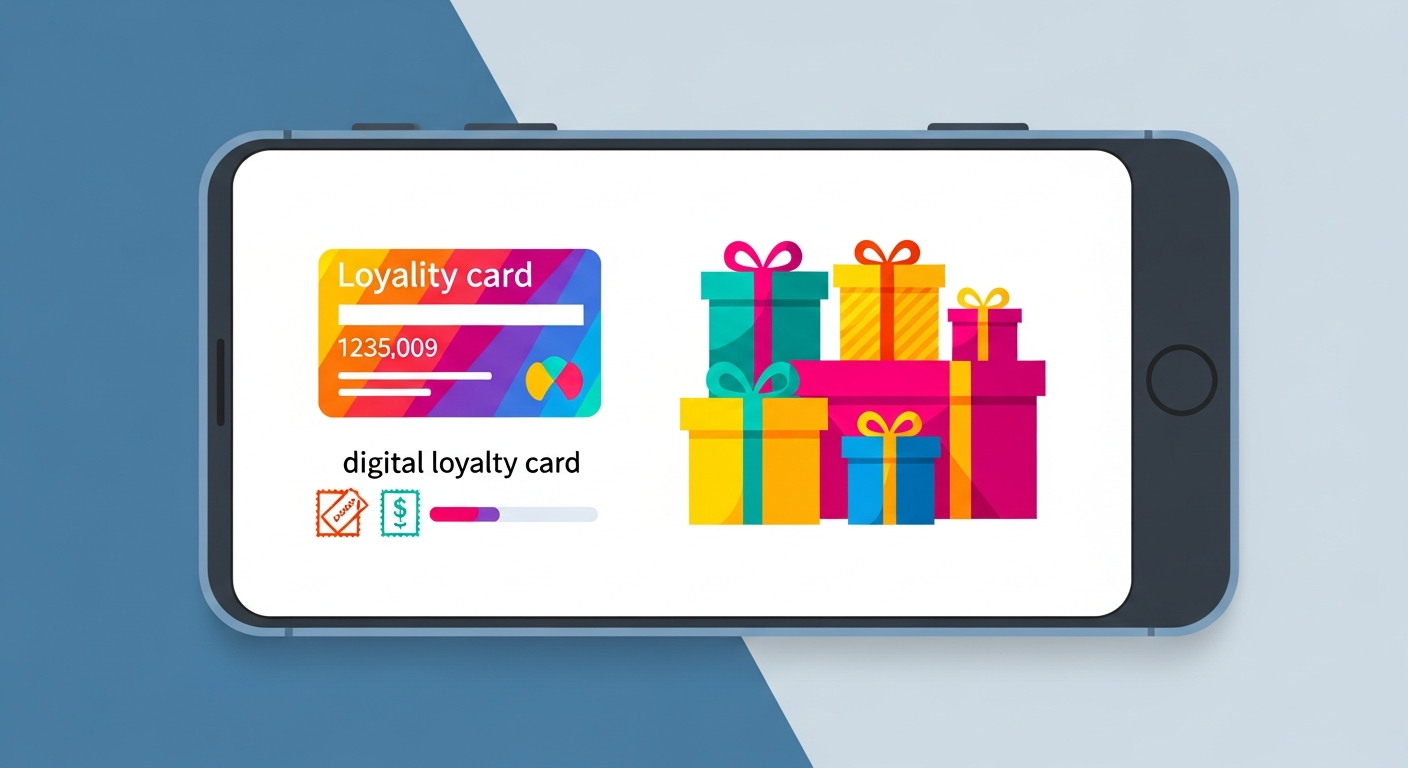
A loyalty program at its core is an organized marketing strategy aimed at rewarding customers who continuously interact with your brand and make repeated purchases. These rewards may take multiple forms, like points exchangeable for discounts, free gifts, free shipping, or even exclusive access to new products before public release. The basic idea relies on a simple powerful psychological principle which is mutual appreciation, where the customer feels the store appreciates their loyalty and rewards them for it, creating an emotional bond transcending mere pure commercial transaction.
In the modern e-commerce environment, loyalty programs play a decisive role in changing consumer behavior and directing them toward making repeated purchase decisions. When the customer has a points balance in your store, they will feel a kind of loss if they decide to buy from a competing store, what's known in behavioral psychology as switching cost or exit cost. This balance creates an internal motive to return to your store to complete points or redeem them, significantly reducing customer churn rates and increasing your share of the customer's purchase wallet.
Numbers and statistics in the e-commerce sector repeatedly confirm the effectiveness of these programs. According to the famous Pareto rule, eighty percent of your store profits often come from twenty percent of your loyal customers. These loyal customers don't only do repeat purchases, but tend to spend larger amounts in each purchase compared to new customers, and they are less sensitive to slight price changes, because they trust your product quality and service level you provide. Here are the most prominent direct benefits of applying an effective loyalty system:
- Increasing Purchase Repetition Rate: Motivating customers to return to your store periodically to collect more points and rewards.
- Raising Average Order Value: Encouraging the customer to add additional products to cart to reach the minimum required to upgrade their membership level or earn double points.
- Building a Brand Advocate Community: The happy and rewarded customer will recommend your store to their friends and family, bringing you new customers at near-zero acquisition cost.
- Collecting Valuable Data About Consumer Behavior: Loyalty programs allow you to accurately track customer preferences and purchase habits, helping you customize future offers.
How Loyalty Programs Work on Increasing Customer Lifetime Value
Customer Lifetime Value is the most important metric for any online store's long-term success. This metric calculates the total revenue you expect the customer to generate throughout the period of their relationship with your store. Loyalty programs are designed specifically to extend this period and increase purchase intensity during it. When the customer realizes that every riyal they spend returns to them with future benefit, they convert from one-time buyer mindset to partner mindset benefiting from the store's success.
Moreover, loyalty programs contribute effectively to reducing what's called brand abandonment rate. In light of countless options at the click of a button, the customer needs a convincing reason to remain loyal to your store. Accumulated points and advanced levels in the loyalty program (like Gold or Platinum membership) create a psychological barrier preventing the customer from moving to competitors, where they realize they'll lose privileges they worked hard to gather if they decide to start from scratch with another store.
Loyalty program benefits don't stop at direct purchase — they can be used as an excellent tool to enhance word-of-mouth marketing and expand your customer base. By integrating the loyalty system with other strategies, you can achieve amazing results. For example, you can reward customers with additional points when they refer their friends to buy from your store. To maximize benefit from these integrated tactics, you can review Cross-Selling: Your Guide to Increasing Average Order on Salla and Zid to learn how to encourage your customers to use their points in buying complementary products that increase your profits.
Launching and Activating Loyalty Programs Successfully on Salla and Zid Platforms
Local e-commerce platforms like Salla and Zid stand out by providing a fertile easy-to-use environment to launch loyalty programs without needing any complex programming experience. Through these two platforms' app stores, the merchant can choose from a variety of integrated loyalty extensions and apps meeting their budget needs and business size. These tools allow you to set up an accurate points system, determine the point's value against riyals, and customize the program interface to match your store's visual identity, ensuring a smooth and professional user experience.
When starting to set up the loyalty program, it's very essential to choose an attractive and innovative name for the program and points, instead of using traditional terminology. For example, if your store sells coffee, you can name the points "Coffee Beans," and if it sells perfumes, you can name them "Drops." This simple customization adds a fun and personal character to the program, and increases customer engagement with it. You should also specify clear and easy-to-understand conditions for how to earn and redeem points, and avoid complex conditions that may frustrate the customer and push them to completely ignore the program.
The process of educating the customer and raising awareness of the loyalty program's existence is considered a decisive step no less important than launching the program itself. Program details should be prominent on your store's home page, on product pages, and also in the shopping cart. You can send welcome emails or SMS to customers explaining the benefits of joining and granting them free points as a welcome gift upon registration. The earlier the customer is aware of the rewards waiting for them, the higher the likelihood of them completing the first purchase and continuously interacting with the store.
Strategies for Earning Points and Attracting Audience Rewards
To ensure your loyalty program's success, earning points shouldn't be limited to purchase operations only. The best loyalty programs are those that reward the customer for their comprehensive interaction with the brand. You can grant points to customers when they create a new account, when they complete their profile, or when they subscribe to the newsletter. These simple actions help you build a rich database you can exploit later in your targeted marketing campaigns.
Another very effective strategy is the tiered or layered system in the loyalty program. Instead of treating all customers the same way, divide them into levels (like Silver, Gold, Diamond) based on their annual spending volume. The higher the customer rises to a higher level, the larger exclusive privileges they get, like permanent free shipping, customer service priority, or birthday gifts. This style relies on the Gamification principle, arousing the challenge and competition spirit in the customer to reach the top and get special treatment.
Don't forget the importance of rewards linked to ratings and social participation. Positive ratings are the lifeline for any online store, so rewarding customers with points in exchange for writing an honest review of your products with attached images will contribute to increasing reliability and noticeably raising conversion rates. Here are some practical ideas to diversify ways of earning points in your store:
- Seasonal Multiplied Points: Offering double points during weekends or slow seasons to motivate stagnant sales.
- Anniversary Joining Rewards: Sending gift points to the customer on the anniversary of one year since their first purchase from your store as appreciation for their loyalty.
- Social Media Engagement Rewards: Granting points for following store accounts on Instagram or Twitter or sharing the store link.
- Product Return Points: If the customer isn't satisfied, you can offer compensatory points instead of refunding the amount in cash, to keep money inside your store's ecosystem.
Integrating Loyalty Programs With Other Marketing Strategies to Multiply Profits
Loyalty programs shouldn't work in isolated islands inside your store — they should be fully integrated with all your other marketing efforts to maximize return on investment. When you integrate loyalty program data with email or SMS marketing tools, you'll be able to send highly customized campaigns based on the customer's points balance and level. For example, you can send a message to a customer telling them they have a balance covering half the value of a product they were browsing recently, creating a very strong motive for immediate purchase completion.
Loyalty points can be used as a smart and more profitable alternative to direct cash discounts during major discount seasons like White Friday or end-of-year offers. Instead of burning your product prices and significantly reducing your profit margins, you can launch a promotional campaign relying on cashback in the form of multiplied points. This style doesn't only motivate current sales, but ensures the customer's return in the near future to use those points, creating a continuous cycle of successive sales.
Additionally, loyalty programs play a pivotal role in proactive marketing strategies. By analyzing the behavior of customers collecting points, you can predict products they may be interested in in the future. This prediction allows you to direct your ads more smartly. If you want to know more about how to effectively retarget these customers, we recommend reading our detailed guide on Retargeting: How to Bring Visitors Back to Your Salla and Zid Store to discover the best ways to keep your brand always in their minds.
Recovering Lost Customers Using Points and Rewards
The problem of leaving carts without completing the purchase is considered one of the biggest challenges troubling online retail merchants. The customer often hesitates at the last moment due to shipping costs or just desiring to postpone the decision. Here the loyalty program intervenes as a magical tool for settlement. Instead of sending a traditional reminder message, you can send a message containing an offer granting the customer additional points if they complete the order within the next twenty-four hours. This tactic creates a feeling of urgency and reduces the likelihood of losing sales. For more specialized tactics in this field, you can review our comprehensive article on Abandoned Carts: Recovery Strategies on Zid and Salla.
Recovering customers isn't limited to abandoned carts only — it extends to include sleeping customers, those who haven't made any purchase in several months. These customers represent a lost opportunity, but recovering them is much easier than searching for new customers. Launching Win-back campaigns using points has proven exceptional effectiveness. A simple message titled "We missed you, we deposited 1000 points in your account as a gift you can use today" will be enough to awaken their purchase desire and remind them of their previous positive experience with your store.
This tactic largely depends on the psychological principle known as Loss Aversion. When you assign an expiration date for loyalty points and send notifications to customers that the points they earned with great effort will expire soon, you indirectly motivate them to enter the store and use them before losing them. This kind of communication creates a logical reason for interaction with the customer without your message appearing annoying or exaggeratedly promotional, but appears as if you're keen on their interest and getting the reward they deserve.
Measuring Loyalty Program Success and Analyzing Customer Performance in Your Store
Launching the loyalty program is just the beginning step — the real challenge lies in continuous follow-up and performance analysis to ensure achieving the desired goals. You can't improve what you can't measure, and fortunately, advanced dashboards in Salla and Zid platforms, plus loyalty apps linked to them, provide detailed analytical reports giving you a clear and comprehensive view of how customers interact with the program. You as a professional merchant must dedicate periodic time to review these numbers and understand their implications to modify your strategies based on real data and not guesses.
There are several Key Performance Indicators (KPIs) you should continuously monitor to evaluate your loyalty program's health. The first is the participation rate, which measures the percentage of customers registered in the program compared to the total number of customers. The second and most important indicator is the Points Redemption Rate. If customers are collecting points but not redeeming them, this is an alarm bell indicating that your rewards aren't attractive enough, or that redemption conditions are complex, or that the customer simply forgets the existence of these points in their account.
It's also essential to collect direct feedback and notes from your customers, especially those in the upper levels of the loyalty program. These customers are the elite supporting your store, and their opinion represents invaluable value. You can send short surveys asking them about their satisfaction with current rewards and what privileges they wish to add in the future. Based on these analyses and notes, you should be flexible and ready to update the program structure, whether by reducing points required for rewards, or adding new exclusive products, to ensure the program remains vibrant and continuously enticing.
Conclusion: Building a Sustainable Relationship Transcending Commercial Transaction Limits
In closing this comprehensive guide, we must emphasize a fundamental truth that successful loyalty programs aren't only about discounts and distributing points, but a reflection of the store's culture and the extent of its real care for its customers. They are a systematic means to build a sustainable trust relationship transcending the cold commercial transaction limits to reach a level of emotional partnership between the brand and the consumer. When the customer feels you're investing in their happiness and rewarding them, they will return this investment to you with permanent loyalty and defending your brand in every venue.
Ambitious online store owners on Salla and Zid platforms today have all the necessary technical tools to immediately start applying these strategies. Don't let the complications of beginning stop you — you can start with a simple loyalty program relying on earning and redeeming basic points, then gradually develop it based on your customer interaction and resources available to you. The competitive advantage in today's market is no longer limited to offering the cheapest price, but to offering the best integrated experience making the customer feel distinguished and appreciated.
Always remember that the loyal customer is the most valuable asset your online store owns. Invest in loyalty programs, innovate in ways of rewarding your audience, and watch how your sales numbers and customer retention rates will transform to unprecedented levels. Start today in drawing the loyalty map for your store, and be certain that every point you grant your customer is a seed you plant in your future success field, and you'll reap its fruits as multiplied profits and a good reputation ensuring your continuity and leadership in the e-commerce world full of challenges and opportunities.