



Imagine this frustrating scenario that repeats daily in the e-commerce world: you launch a massive advertising campaign, successfully attract thousands of visitors to your store, and a customer is excited to complete their purchase, only to be shocked by an "Out of Stock" message. This moment doesn't just represent the loss of a single sale; it's a severe blow to your brand's reliability and could be the primary reason you lose this customer to your competitors forever. Inventory management isn't just numbers recorded in spreadsheets; it's the true heartbeat that keeps your online store alive.
With the rapid development of the digital retail sector in Saudi Arabia and the Arabian Gulf region, specifically with the heavy reliance on leading platforms like Salla and Zid, competition has become fiercer than ever. Today's customer no longer has the patience to wait for a product to become available; with a single click, they will move to another store that meets their immediate needs. Therefore, maintaining optimal inventory levels is no longer a luxury, but an absolute necessity to ensure a continuous revenue stream and avoid the financial waste resulting from marketing campaigns promoting unavailable products.
In this comprehensive and detailed article, we will dive deep into professional inventory management strategies and how you, as a merchant, can turn this complex process into a competitive advantage that multiplies your profits. We will explore scientific methods for demand forecasting, how to use available technical tools, and discover together how constant product availability directly contributes to improving your Conversion Rate: How to Turn Salla and Zid Visitors into Buyers?, ensuring you achieve the maximum possible return from every visitor who enters your store.
The Importance of Inventory Management in Salla and Zid and Its Impact on Your Sales
To understand the true importance of inventory management, we must view it as a bridge connecting invested capital and customer satisfaction. Excess inventory means freezing cash flow that could have been invested in marketing or product development, while insufficient inventory means a direct loss of sales and damage to the store's reputation. The Salla and Zid platforms provide a fertile environment for growth, but this growth requires a delicate balance in providing the required products in the right quantities and at the right time, which in management science is called the optimal inventory balance point.
The psychological impact of stockouts on the customer is considered one of the most dangerous challenges facing e-commerce stores. When a customer repeatedly encounters a "product unavailable" message, they develop a negative conviction that this store is unprofessional or unreliable. This frustration often leads to them leaving the store never to return, which significantly increases cart abandonment rates. You can delve deeper into this aspect by checking out our guide on Abandoned Carts: Customer Recovery Strategies in Zid and Salla to learn how product availability plays a crucial role in completing orders.
From a technical and algorithmic perspective, stores that suffer from frequent stockouts drop in search engine rankings and lose marketing momentum. Advertising platforms like Google and Facebook penalize pages that lead to high bounce rates, and a customer leaving an unavailable product page increases this rate. Additionally, cross-selling tools provided by platforms like Zid and Salla completely lose their effectiveness if the suggested products are unavailable, depriving the merchant of the opportunity to increase the average order value.
The Main Causes of Stockouts and How to Predict Them
The journey to a cure always begins with an accurate diagnosis of the problem. One of the most prominent reasons leading to stockouts in e-commerce stores is supply chain disruption and supplier delays. As a merchant, you may rely on a local or international supplier, and in both cases, there are factors beyond your control such as shipping delays, customs procedures, or even production issues at the parent factory. A successful merchant is one who builds an extra time margin into their supply plans and doesn't wait until the product quantity reaches zero to start contacting their suppliers for new shipments.
The second and most common reason in the era of social media is a sudden and unexpected spike in demand volume. You might post a spontaneous video on TikTok, or an influencer might talk about your product, only to find that the inventory allocated for an entire month has sold out within hours. This type of viral marketing, despite its positivity, can turn into an operational nightmare if you aren't prepared. To understand how to manage these surges professionally, we recommend reading the article Influencer Marketing: Your Guide for Salla and Zid Stores to coordinate your marketing efforts with your storage capacities.
The third reason lies in the lack of seasonal planning and poor forecasting of market trends. Some products experience massive demand during specific seasons like Ramadan, Eid holidays, back-to-school periods, and White Friday. Stores that rely on personal memory or random guesswork to determine purchase quantities often fall into the trap of stockouts at the peak of the sales season. Accurate forecasting requires studying sales history, analyzing consumer behavior, and comparing data from previous years to determine the approximate volume of expected demand.
Relying on Manual Analysis and Ignoring Data
In a world characterized by speed and accuracy, relying on traditional manual spreadsheets or paper ledgers to track inventory is a fatal strategic mistake. Continuous human intervention in updating inventory numbers increases the likelihood of catastrophic errors, such as recording a product as available when it is actually missing from the warehouse, or vice versa. These errors, known as phantom inventory, lead to selling non-existent products, putting the merchant in an embarrassing position with the customer and forcing them to cancel the order, bear the costs of refunds, and apologize.
The biggest challenge arises when a merchant has multiple sales channels, such as having a store on Salla, another on Zid, in addition to a physical brick-and-mortar showroom. Without a cloud-based inventory management system that syncs quantities instantaneously across all these channels, inevitable discrepancies in stock balances will occur. Automatic synchronization ensures that as soon as an item is sold in the branch, it is immediately deducted from the online store's balance, protecting the merchant from receiving orders for products that have already flown off the shelves.
The radical solution to this problem lies in leveraging the power of numbers and statistics provided by modern dashboards. By studying the inventory turnover rate and identifying the fastest-selling products versus those suffering from stagnation, a merchant can direct their budget smartly. If you want to master this aspect, you can refer to our guide on Data Analysis: How to Double Your Store's Profits in Salla and Zid, where we explain in detail how to turn silent numbers into sound purchasing decisions that protect your store from product stockouts.
Effective Strategies to Avoid Product Stockouts in Your Online Store
The first and most effective strategy is applying Pareto analysis to your inventory, known as the ABC classification system. Category A includes high-value or fast-moving products that account for the bulk of your profits, and these require strict daily monitoring. Category B consists of moderately important products that are reviewed weekly, while Category C includes slow-moving products reviewed monthly. This smart segmentation ensures you direct your energy and resources toward the products that directly and significantly impact the stability of your store's revenue.
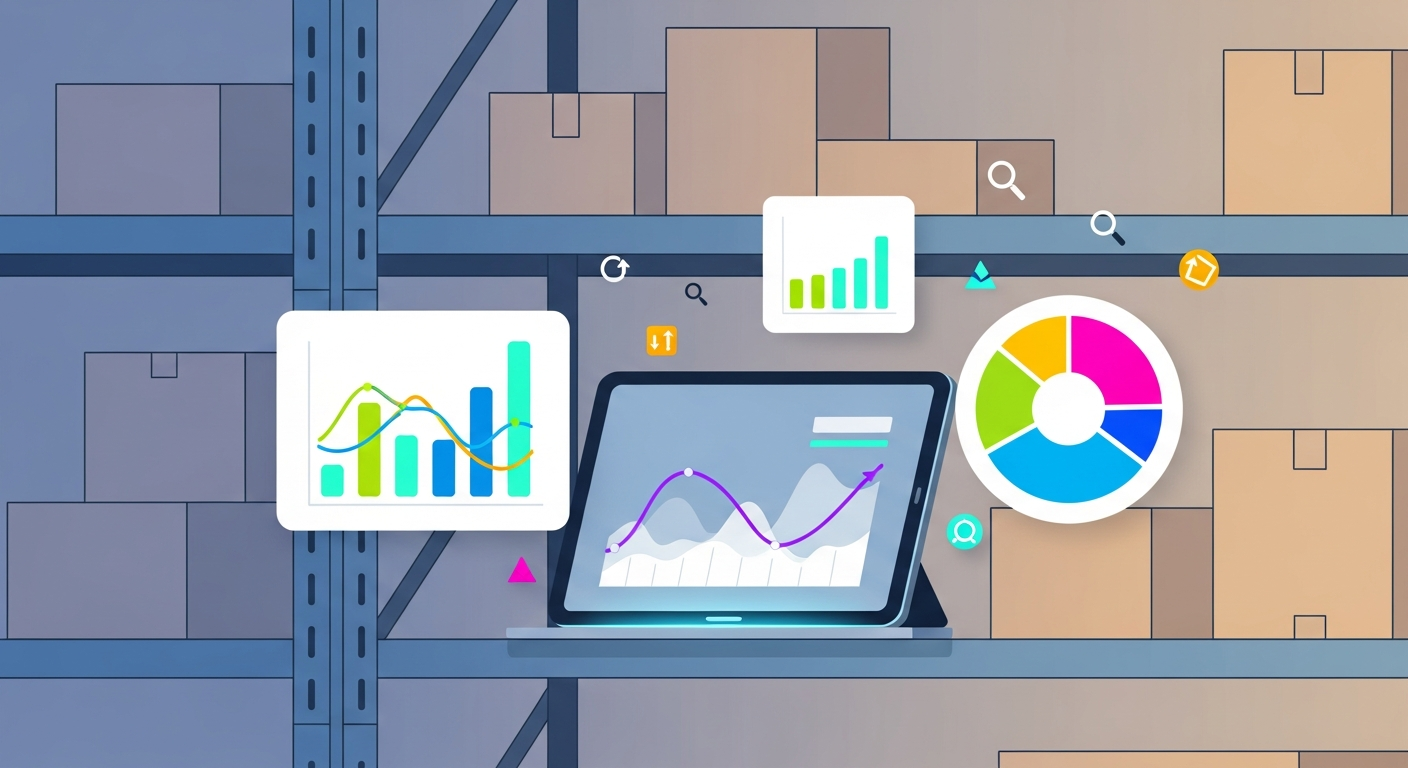
The second strategy revolves around building a strong and diverse network of relationships with suppliers. Relying on just one supplier, no matter how much you trust them, is an uncalculated risk. You must always have backup plans, with a local reserve supplier who can step in to save the day if the international supplier falters. Additionally, negotiating with suppliers for shorter lead times, or signing contracts that guarantee you priority in receiving goods during peak seasons, is one of the professional merchant's most important weapons to avoid inventory shocks.
The third strategy is maintaining what is called safety stock or emergency inventory. This stock is an additional quantity of products kept aside and not offered for sale under normal circumstances. The goal of this inventory is to act as a shock absorber that cushions any unexpected delays from suppliers or any abnormal spikes in customer orders. Determining the size of the safety stock depends on the accuracy of your calculations for average daily sales and the average lead time it takes for the supplier to deliver the goods to your warehouse.
Setting Minimum Inventory Levels and Reorder Points
The reorder point is the precise numerical indicator that tells you the ideal moment to pick up the phone or send an email to your supplier to request a new shipment. Calculating this point is not done randomly; rather, it relies on a simple and effective mathematical formula. You multiply your average daily sales for the product by the number of days it takes the supplier to deliver the goods, then add the safety stock quantity to the result. The final number is the threshold at which, if the product's balance reaches it, a purchase order must be issued immediately.
Fortunately, the Salla and Zid platforms offer advanced features to facilitate this process for merchants. You can access the products dashboard and set a minimum inventory level for each product individually. Once the actual balance of the product drops to this limit or below, the system will automatically send you alert notifications via email or text messages. This smart feature frees you from the burden of continuous manual monitoring and ensures you intervene quickly before customers are surprised by the product running out.
It should be noted that reorder points are not static numbers carved in stone, but dynamic variables that require continuous review and updating. These points change based on several factors, including seasonal shifts in demand, the launch of new marketing campaigns, or even changes in supplier response speeds. A successful merchant schedules a quarterly review of reorder points in their store to ensure they align with current market data and sales growth rates.
How to Benefit from Salla and Zid Tools in Controlling Storage Operations?
The Salla platform provides an integrated environment for inventory management through an easy-to-use dashboard that allows merchants to monitor product movements with extreme precision. Through the inventory log in Salla, you can track every item that enters or leaves your warehouse, with full documentation of the reasons for adjustment, whether it's a sale, return, or inventory count and damage. Salla also supports direct integration with well-known Enterprise Resource Planning (ERP) and cloud accounting systems, creating a harmonious ecosystem that prevents any inventory leakage or waste and ensures financial balances match physical stock.
On the other hand, the Zid platform features an app market brimming with innovative solutions that elevate the inventory management process to highly professional levels. Zid merchants can activate specialized warehouse management applications, which allow the creation of automated purchase orders, tracking shipments from suppliers, and efficiently managing damaged and returned goods. These applications are designed to meet the needs of medium and large-sized stores that have thousands of products and thousands of daily operations, reducing operational pressure on the team and minimizing human error to the lowest possible level.
One of the most important developments in this field is the shift towards third-party warehousing and fulfillment services supported by both platforms. Utilizing fulfillment centers or integrated logistics services means transferring the physical and operational burden of inventory to specialized companies equipped with ready warehouses and advanced inventory systems. This option guarantees the merchant near-perfect accuracy in inventory balances, as quantities in the Salla or Zid store are automatically updated with every packaging and shipping operation that takes place in the external warehouse, allowing the merchant to fully dedicate themselves to developing their products and improving their marketing strategies.
Conclusion: Your Next Steps Towards Professional Inventory Management
At the conclusion of this comprehensive guide, we must emphasize a firmly established truth in the e-commerce world: inventory management is not just a silent back-office function, but the primary engine that ensures the success of all your marketing and sales efforts. You can have the best design for your store, the strongest advertising campaigns, and the best customer service, but if the customer doesn't find the product they are looking for, all those efforts go down the drain. Avoiding product stockouts is a direct investment in your customers' loyalty, the stability of your revenues, and the long-term growth of your brand.
Your first practical step after reading this article should be to conduct a comprehensive and accurate physical count of your current warehouse. Update all balances in your Salla or Zid store dashboard, and make sure to activate the low-stock alert feature for all your best-selling products. Start immediately calculating the reorder points for your main products, and communicate with your suppliers to ensure clear contingency plans are in place to handle any sudden orders. Do not hesitate to use the auxiliary applications and accounting integration systems available on your platform to facilitate this task and make it an automated and reliable process.
Always remember that mastering inventory management is a continuous journey of learning and improvement. You may face some challenges at first, and minor disruptions may occur, but with practice, reliance on data analysis, and making the most of the technological tools at your fingertips, you will reach a stage of operational stability that allows you to expand with confidence. Make the abundance of your products a competitive advantage that sets you apart in the market, and let your store be the first and trusted destination customers head to, fully certain they will find what they are looking for every time.