



Influencer Marketing: Boosting Your Store Sales on Salla and Zid
In the rapidly evolving world of e-commerce, merely showcasing products is no longer sufficient to capture customer attention and achieve desired sales. The rules of the game have changed, and consumers are now seeking trustworthy shopping experiences and authentic content that goes beyond traditional advertisements. This is where influencer marketing emerges as one of the most powerful digital strategies capable of making a radical difference in the growth of your online store, whether it's built on platforms like Salla, Zid, or even the global Shopify.
Influencer marketing is not just a passing trend; it's a strategic investment that connects your brand with personalities who command widespread trust and a large following. These influencers, whether they are major celebrities or niche content creators with smaller but dedicated audiences, possess the power to influence their followers' purchasing decisions in an organic and compelling manner. This comprehensive guide will take you on a detailed journey to explore how to harness the power of influencer marketing to increase your store's sales and maximize the benefits of this effective strategy, with a focus on the specifics of Arab stores on Salla and Zid platforms, in addition to Shopify.
What is Influencer Marketing and Why is it Important for Your E-commerce Store?
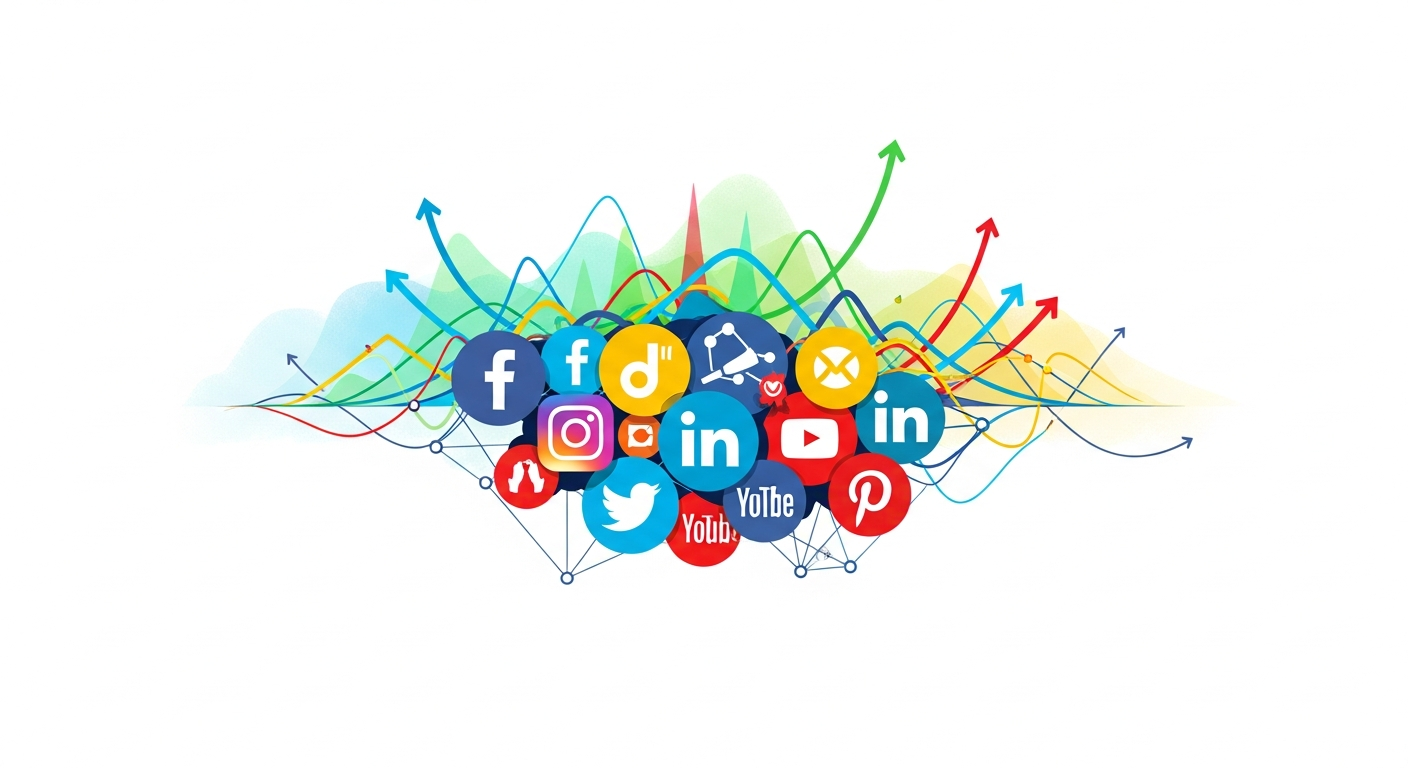
Influencer marketing is a marketing strategy that focuses on using influential individuals with a large and loyal following on social media or other digital platforms to promote specific products or services. This type of marketing relies on the trust and credibility the influencer has built with their audience, making their recommendations or personal experiences more impactful than traditional advertising. When a trusted influencer shares a positive experience with your product, it gives your product an indirect seal of approval, increasing the likelihood that their followers will try the product themselves.
The importance of influencer marketing lies in its ability to reach precisely targeted audience segments with unparalleled effectiveness. Instead of launching broad advertising campaigns that may not reach the right audience, influencer marketing allows you to choose individuals whose audience directly aligns with your ideal customers. This ensures that your marketing message doesn't get lost in the sea of digital content but reaches receptive ears ready to engage and purchase. Furthermore, content created by influencers is often more engaging and authentic, allowing it to integrate more seamlessly into users' daily content feeds, rather than appearing as an overt and intrusive advertisement.
For store owners on platforms like Salla, Zid, and Shopify, influencer marketing is a powerful tool to break barriers and enter new markets. In the Arab market, where social media plays a pivotal role in daily life, influencers can be a bridge connecting your store to thousands of potential customers you wouldn't reach through traditional methods. This type of marketing also enhances brand awareness and creates stories and conversations around your brand, giving it a human and interactive dimension that silent advertising lacks. You can also read our article on Salla, Zid, or Shopify: Which is Best for Your Store? to learn more about the features of these platforms.
1. Define Clear Objectives and Key Performance Indicators (KPIs)
Before embarking on any influencer marketing campaign, it is crucial to set clear, measurable objectives. Are you aiming to increase brand awareness? Is your goal to drive more traffic to your Salla or Zid store? Or do you wish to boost direct sales for specific products? Objectives might also relate to lead generation or enhancing social media engagement. Once objectives are defined, you can identify the Key Performance Indicators (KPIs) you will use to measure the campaign's success, such as website traffic, conversion rate, new followers, or total sales generated. This step is fundamental to ensure your marketing efforts are correctly directed and that you can evaluate the Return on Investment (ROI).
For instance, if your goal is to increase awareness, KPIs might include impressions, reach, and mentions of your brand. If the goal is to boost sales, you would focus on click-through rates, influencer conversion rates, and the total value of sales attributed to the campaign. It is essential for these objectives to be Specific, Measurable, Achievable, Relevant, and Time-bound (SMART). This framework will help you build a focused, results-driven campaign, ensuring that every dollar spent on influencer marketing yields tangible benefits. Remember that tracking these numbers will be easier if you utilize advanced analytics tools available in your store.
Precisely defining these objectives will enable you to select the right influencers and effectively design your campaign content. For example, if your goal is to launch a new product on your Shopify store, you would seek influencers capable of generating buzz and excitement around the product. In contrast, if you aim to boost sales for an existing product, you might need influencers who highlight the product's benefits and how it solves customer problems. Remember that clarity in objectives leads to clarity in results and will help you adapt your future strategies based on lessons learned from previous campaigns, which is a vital part of the continuous improvement cycle in e-commerce, a topic you can find more details about in our article on Google Ads: Boost Your Salla and Zid Store Sales.
2. Research and Connect with the Right Influencers
After defining your objectives, the next stage is to search for influencers who align with your brand and target audience. It's not just about follower count but also about audience quality, engagement levels, and how well the influencer's content fits your products. Look for influencers who share your brand's values and have followers interested in the products or services you offer. They can be macro-influencers, mid-tier, micro-influencers, or even nano-influencers, each category having its own advantages and disadvantages. Micro-influencers often have higher engagement rates and a more loyal audience, while macro-influencers provide broader reach.
To find influencers, you can use several methods. First, manual search on social media platforms like Instagram, Twitter, YouTube, and TikTok, using keywords related to your products or store niche. Second, utilize specialized influencer marketing tools and platforms such as Meltwater or HypeAuditor, which provide detailed analytical data about influencers and their audiences. Third, you can connect with influencer marketing agencies that act as intermediaries between brands and influencers. When contacting influencers, be clear about your proposal, what you offer, and what you expect from them. Communication should be professional and direct, highlighting the mutual benefits of the partnership.
It is crucial to carefully examine influencer profiles. Verify the authenticity of their followers (avoid influencers with fake followers), check engagement rates on their posts (comments, likes, shares), and ensure their target audience matches yours. Do not hesitate to request audience demographics statistics from the influencer. Building a good relationship with influencers starts from the first contact, so be transparent and flexible. Remember that establishing long-term partnerships with influencers can be more effective than one-off campaigns, as an influencer's credibility grows with repeated collaborations. This process is quite similar to selecting specific apps for your store; you can check out Best Salla and Zid Apps to Boost Your E-commerce Store's Efficiency.
3. Craft Compelling Offers and Campaigns
Once you've selected your influencers, it's time to design an engaging and persuasive campaign. The campaign should be harmonious with the influencer's style and natural content to avoid appearing as an overt and intrusive advertisement. Grant the influencer creative freedom in how they present your product, while providing them with key messages and unique selling points you wish to highlight. Campaigns can include product reviews, contests and giveaways, personal stories about using the product, or even tutorial videos. The key is to make the content feel authentic and valuable to the followers.
Ensure your offers to influencers are clear and include financial details or free products they will receive, along with expected deliverables (number of posts, content type, publishing date). Use unique discount codes for each influencer to accurately track sales, or special tracking links (UTM parameters) to identify traffic sources. These details are important for measuring campaign effectiveness later. You can also offer a commission on sales to influencers as an additional incentive, making them more invested in the campaign's success. This type of partnership enhances the relationship between the store and the influencer, creating a win-win situation where the influencer's income grows with the store's sales.
When crafting content, focus on storytelling rather than just advertising. How does your product solve a specific problem? How does it improve the user's life? Use the influencer to share their personal and positive experience. For example, if you sell beauty products on your Zid store, an influencer could share a daily skincare routine highlighting your products. If you sell home goods on Salla, an influencer could share a video demonstrating how your products made their life easier. Flexibility and creativity are key to success here, while maintaining your brand's spirit and core message, which you can also enhance through WhatsApp Marketing: Your Guide to Boosting Salla and Zid Sales.
4. Measure and Analyze Performance to Optimize Future Campaigns
After launching the campaign, the work doesn't stop there. You must continuously monitor performance and analyze the data collected to evaluate how well the campaign achieved its objectives. Use the analytics tools available on your platforms like Salla, Zid, and Shopify, as well as social media analytics tools, to track the Key Performance Indicators (KPIs) you set beforehand. For example, monitor the number of visits coming from influencer links, the conversion rate, direct sales made using influencer-specific discount codes, and the engagement level on their posts (likes, comments, shares).
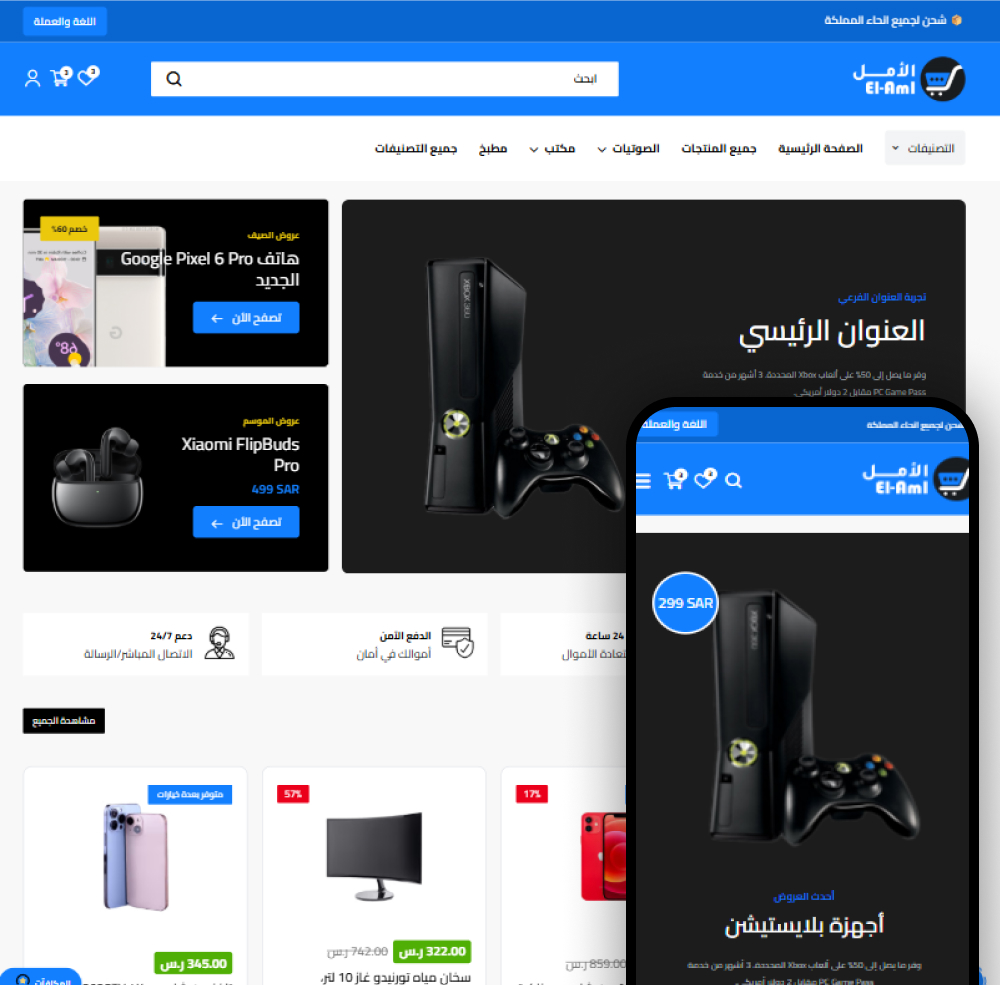
Analyzing this data will enable you to understand what worked and what didn't in your campaign. Did a specific influencer achieve better results than others? Was a certain type of content more engaging? Was there a particular posting time that was more effective? Use this information to improve your future campaigns. Do not hesitate to make adjustments mid-campaign if necessary, such as changing content messaging or modifying the call to action. The goal is continuous learning and improving the return on investment for every campaign you run.
Prepare regular reports summarizing campaign performance and share these results with the influencers as well. Transparency in results can strengthen the relationship and help build stronger partnerships for the future. Remember that influencer marketing is an ongoing process that requires experimentation and adaptation. Through careful analysis and continuous optimization, you can transform this strategy into a powerful growth engine for your e-commerce store in the long term. Leveraging this data helps you understand your customers more deeply, just as Product SEO: Optimizing Visibility on Salla and Zid helps you understand how they interact with search engines.
Additional Tips for Successful Influencer Marketing Campaigns
- Build Long-Term Relationships: Instead of treating influencers as one-off advertisers, try to build continuous relationships with them. Long-term partnerships lead to more authentic content and greater trust from the audience, as the influencer becomes a genuine part of your brand's story. This fosters loyalty and makes the marketing message more powerful and impactful.
- Authenticity and Transparency: Encourage influencers to be authentic in their content. The content should feel natural and reflect the influencer's personality rather than appearing as a pre-written script. Influencers should also disclose the nature of their paid relationship with your brand, as this builds trust and credibility with their audience. Authenticity is key to success in this type of marketing.
- Diversify Your Influencers: Don't put all your eggs in one basket. Experiment with different types of influencers (macro, micro, nano) and in various niches related to your products. This helps you reach different audiences and test which categories yield the best results for your Salla, Zid, or Shopify store. Diversification reduces risk and increases chances of success.
- Focus on Value, Not Just Sales: While the ultimate goal is to increase sales, your campaigns should also focus on providing real value to the audience. Whether it's useful information, entertainment, or solutions to their problems. When the audience sees value in the content, they are more willing to engage and trust recommendations, ultimately leading to natural sales growth.
- Track Everything: Use all available tools to accurately track the performance of every influencer campaign. This includes using UTM links, unique discount codes, and tracking direct mentions. Precise data analysis is what will enable you to understand the true ROI and continuously optimize your future strategies. What cannot be measured cannot be improved, so make tracking an essential part of your work.
1. Finding Truly Suitable Influencers
One of the biggest challenges faced by e-commerce store owners, whether they use Salla, Zid, or Shopify, is finding influencers who not only have a large number of followers but also possess a genuine, engaged audience that aligns with the nature of the products they offer. With the prevalence of fake followers and inauthentic engagement, distinguishing between a real and a fake influencer becomes difficult. You might be attracted to large numbers, but the reality could be that most of these followers are uninterested or even bots, rendering your investment useless without any real return.
To overcome this challenge, you must look beyond just the follower count. Look for the Engagement Rate; an influencer with 10,000 followers and a 5% engagement rate might be far more effective than an influencer with 100,000 followers and a 0.5% engagement rate. Scrutinize comments: are they generic and irrelevant, or do they reflect a genuine discussion about the content? Utilize available influencer analytics tools that provide detailed reports on audience demographics and follower authenticity. Do not hesitate to request performance reports from the influencers themselves. You can also start by working with micro-influencers, who often have higher engagement rates and a more loyal, specialized audience, and are also less expensive.
Building a relationship with influencers allows you to understand their work ethic and their genuine interest in your product. The influencer must be passionate about what they promote, as this passion will translate to their followers. Conduct interviews or video calls with potential influencers to discuss their vision and how they see your product integrating into their content. This comprehensive approach will help you filter choices and select the most suitable partners for your brand, increasing the chances of successful marketing campaigns and achieving a satisfactory return on investment for your store. Quality, in this case, certainly outweighs quantity.
2. Effectively Measuring Return on Investment (ROI)
Determining the Return on Investment (ROI) for influencer marketing campaigns can be somewhat complex, especially if not planned in advance. How can you ensure that the money you spend on influencers translates into a tangible increase in sales or brand awareness? Without accurate measurement, you might find yourself investing in campaigns that don't yield the desired results, leading to wasted resources and time. This challenge highlights the importance of setting clear objectives and Key Performance Indicators (KPIs) at the beginning of the campaign.
To overcome this challenge, you must implement robust tracking mechanisms. Use unique discount codes for each influencer; this way, whenever a customer uses a specific discount code, you can directly attribute that sale to the influencer who provided the code. Use custom tracking links (UTM parameters) in all links shared by influencers; this will allow you to track the number of visits, their source, and user behavior within your Salla, Zid, or Shopify store using analytics tools like Google Analytics. You can also use dedicated landing pages for each campaign or influencer to facilitate tracking and more accurately measure conversion rates.
In addition to direct sales, don't forget to measure indirect goals such as increased brand awareness. This can be quantified by tracking the number of mentions of your brand on social media, the increase in your follower count, or even the results of brand awareness surveys conducted before and after the campaign. Collect all this data and analyze it periodically to assess the overall performance of the campaign. Through this comprehensive approach, you will be able to understand the true return on your investment, identify the most effective influencers, and adjust your strategies to achieve maximum results in the future.
3. Managing Influencer Relationships and Expectations
Managing relationships with influencers can be a challenge in itself, especially when it comes to setting expectations and avoiding misunderstandings. Influencers may have different perceptions of the partnership, or they might struggle to adhere to deadlines or the required content quality. This can lead to frustration for you as a store owner and negatively impact the effectiveness of the marketing campaign. Building strong relationships based on transparency and mutual understanding is paramount to ensuring campaigns run smoothly.
To overcome this challenge, you must establish clear and detailed agreements and contracts before commencing any collaboration. These contracts should include all crucial details: scope of work, required content types, number of posts, platforms for publication, deadlines, financial or in-kind compensation, disclosure requirements for the partnership, and intellectual property rights for the content. Be clear about your brand messaging and key selling points, but also give the influencer enough creative freedom to create authentic content that resonates with their audience. Remember, the goal is partnership, not just issuing directives.
Maintain open and regular communication channels with influencers. Be available to answer their questions, provide constructive feedback, and offer necessary support. Providing positive and encouraging feedback can enhance their commitment and willingness to work with you in the future. Furthermore, acknowledging their efforts and sharing campaign results can build long-term, fruitful relationships. This effective relationship management not only ensures the success of the current campaign but also paves the way for strong future partnerships that benefit your Salla, Zid, or Shopify store, helping you build a robust and reliable marketing support network.
Conclusion
In conclusion of this comprehensive guide, influencer marketing stands out as an undeniable force in the modern e-commerce landscape, especially for stores looking to grow and expand in the Arab market through platforms like Salla, Zid, and Shopify. Its ability to build trust, increase brand awareness, and directly drive sales makes it an indispensable strategy for any ambitious store owner. However, success in this field does not come by chance; it requires meticulous planning, wise influencer selection, creative execution, and continuous performance measurement.
Remember that the key to success lies in authenticity, building strong relationships with influencers, and providing genuine value to their audience. By setting clear objectives, diligently searching for the right partners, crafting engaging campaigns, and analyzing results accurately, you can transform influencers into effective ambassadors for your brand, propelling your store towards new horizons of growth and profitability. Do not hesitate to experiment and adapt, as digital marketing is constantly evolving, and adaptability is the secret to survival and thriving in this changing world.
Invest your time and effort in understanding the dynamics of influencer marketing, and make it an integral part of your overall marketing strategy. Today's consumers trust individuals more than corporations, and influencers are the bridge connecting your products to the hearts and minds of these consumers. Let your story be told through the voices they trust, and watch as your Salla, Zid, and Shopify store sales multiply, transforming your vision into tangible and successful reality.