



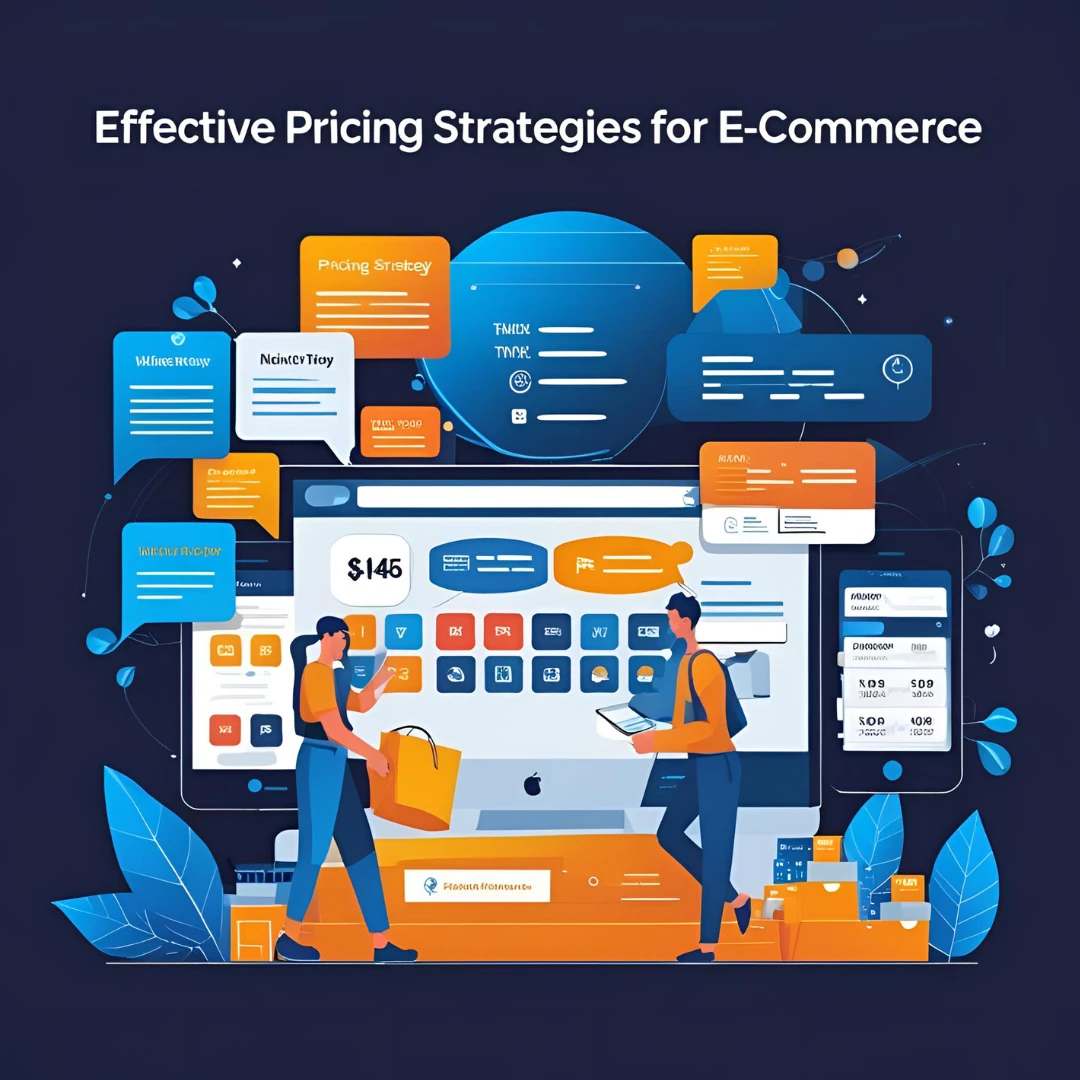
Pricing is one of the most important decisions any online store owner makes. The right price can increase your sales and profits, while the wrong price can lead to lost customers or eroded margins. In the highly competitive world of e-commerce, it is essential to have a clear and effective pricing strategy.
There is no one-size-fits-all price. Your pricing strategy should be based on several factors, including product cost, perceived customer value, competitor pricing, and your business goals.

1. Cost-Plus Pricing
This is the simplest pricing strategy. You calculate the total cost of producing the product (including raw materials, labor, shipping, and marketing), then add a fixed percentage as profit. This method is easy to implement and ensures costs are covered, but it may not be ideal in a competitive market or when the product has significant added value.
2. Value-Based Pricing
This strategy focuses on the perceived value of the product to the customer, rather than its actual cost. If your product solves a major problem for customers or offers them a unique advantage, you can price it higher. This strategy requires a deep understanding of your target audience and what they value.
3. Competitive Pricing
In this strategy, you set your product prices based on competitors' prices. You can price your products lower than competitors to attract price-sensitive customers, or higher if you offer added value or superior quality. This strategy requires continuous monitoring of competitor pricing.
4. Psychological Pricing
This strategy uses psychological principles to influence purchasing decisions. Examples include pricing products at $9.99 instead of $10 (creating the perception that the price is significantly lower), or offering product bundles to create greater value in the customer's mind.
5. Penetration Pricing
This strategy is used when you want to enter a new market quickly and gain a large market share. You price your products low initially to attract as many customers as possible, then gradually raise prices once you have built a strong customer base.
"Price is not just a number; it is a message that tells customers the value of your product."
Choosing the right pricing strategy depends on your product type, target audience, and business goals. Analyze the market, test different strategies, and continuously monitor the results to ensure your pricing supports the growth of your online store.