



Dynamic Pricing: Maximizing Your Store's Profits on Salla, Zid, and Shopify
In the rapidly evolving world of e-commerce, static pricing is no longer an optimal choice for achieving maximum profits and competitive advantage. The digital landscape is constantly changing, and consumer behaviors are influenced by numerous factors such as timing, competitor offers, and product availability. This is where dynamic pricing emerges as a vital strategy, enabling stores to adapt to these variables instantly, optimizing profit margins while maintaining customer satisfaction and loyalty. It's not just about adjusting prices; it's an art and science that relies on data analysis to make smart pricing decisions.
This article aims to be your comprehensive guide to understanding and effectively implementing dynamic pricing strategies for your online store, whether you use Salla, Zid, or Shopify platforms. Together, we will explore the fundamental concept of dynamic pricing, the factors influencing it, and the best practices for its execution to boost your profits and enhance your competitive position in the market. Here you will find practical tips and real-world examples to help you transform your store from a mere seller into a smart profit engine that responds efficiently to market changes, ensuring your success in the intense e-commerce race.
What is Dynamic Pricing?
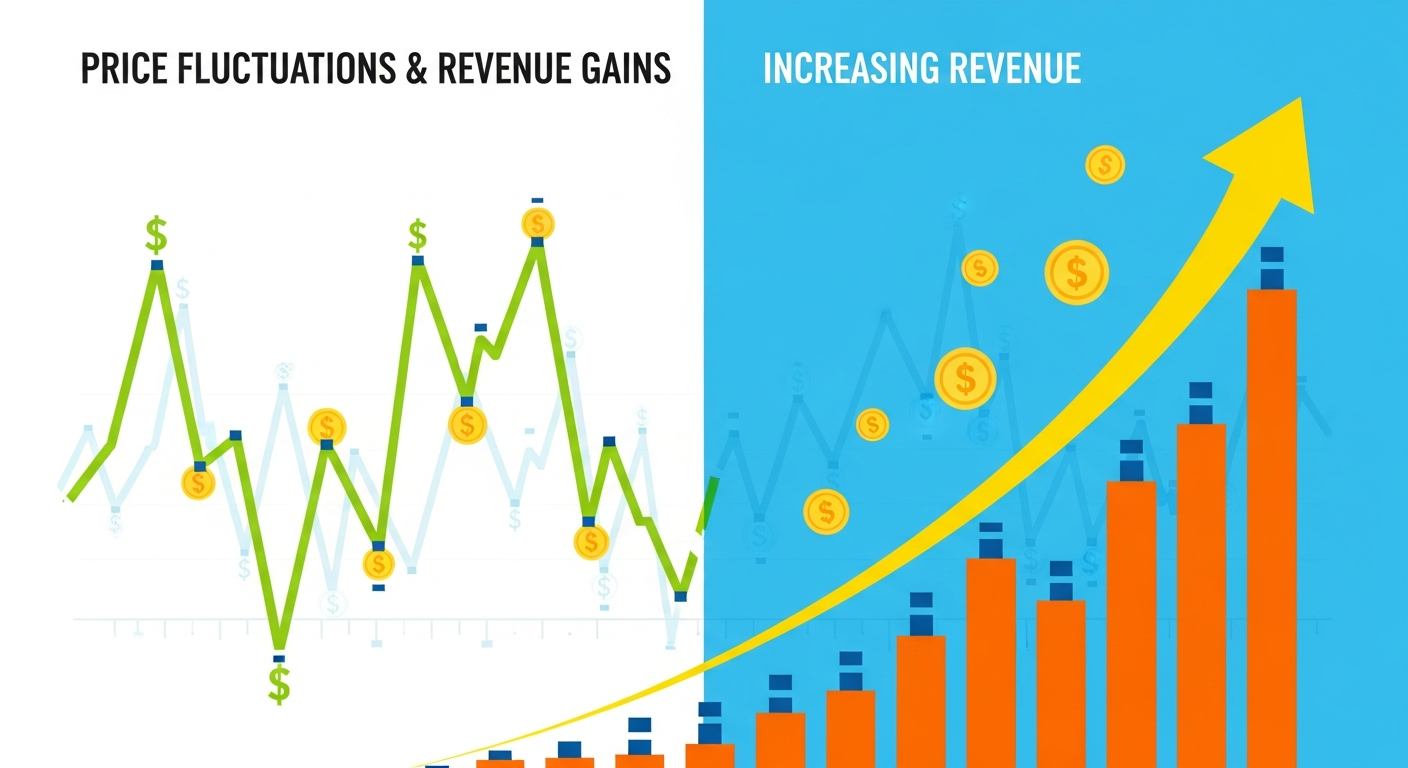
Dynamic pricing, also known as demand-based pricing or time-based pricing, is a flexible pricing strategy where product or service prices are continuously changed based on various market factors. These factors can include current demand, inventory levels, competitor prices, customer behavior, and even the time of day or season. Unlike traditional static pricing, which sets a single price for a product for an extended period, dynamic pricing allows e-commerce stores to adjust prices in real-time to maximize revenue or profit.
Imagine an online store selling electronics; during peak seasons like White Friday or holidays, demand rises significantly, allowing the store to slightly increase prices without affecting sales volume. Conversely, during off-peak periods, prices can be lowered to attract more customers and stimulate sales. This continuous adaptation is the essence of dynamic pricing, and it is what distinguishes smart stores that capitalize on every opportunity to improve their financial performance. It's a proactive approach that puts your store at the forefront of the competition.
The effectiveness of dynamic pricing heavily relies on the ability to collect and analyze accurate data in a timely manner. Without a deep understanding of customer behavior, market trends, and competitor performance, pricing decisions will be arbitrary and ineffective. Fortunately, platforms like Salla, Zid, and Shopify offer built-in analytical tools, in addition to the possibility of integrating with third-party applications that facilitate this process, making this strategy accessible even to small and medium-sized stores. Investing in understanding this data is key to success in dynamic pricing.
Why Dynamic Pricing is Essential for E-commerce?
In today's e-commerce market, characterized by intense competition and rapid changes, dynamic pricing has become an indispensable necessity for several fundamental reasons. First, it allows stores to quickly adapt to market fluctuations. Competitor prices are constantly changing, and product demand can suddenly rise or fall due to global events, seasons, or even new social media trends. Without the ability to flexibly adjust prices, stores may miss golden opportunities to increase profits or find themselves falling behind competitors.
Second, dynamic pricing enhances the ability to maximize revenue and profits. By adjusting prices based on customers' willingness to pay and product price sensitivity, stores can sell more products at higher prices when demand is high, and clear slow-moving inventory at reduced prices when demand is low. This intelligent approach ensures that every sale is made at the best possible price at that moment, significantly increasing the operational and financial efficiency of the store. This is particularly important for stores with large inventories or seasonal products.
Third, dynamic pricing contributes to improved inventory management and waste reduction. When there is excess stock of a particular product, its price can be temporarily lowered to stimulate sales and avoid long storage costs or the risk of product expiration. Conversely, when a product is scarce and in high demand, its price can be raised to increase profits from the limited quantity available. This ensures a continuous flow of products and reduces potential losses. To further optimize this process, you can refer to our article on Inventory Management: Optimizing to Reduce Waste in Salla and Zid, which offers valuable tips in this area.
Key Factors Influencing Dynamic Pricing
Understanding the factors that influence dynamic pricing decisions is key to successfully implementing this strategy. These factors are numerous and interconnected, requiring continuous and accurate analysis to ensure correct decisions are made. Without this understanding, price adjustments may be arbitrary and lead to counterproductive results. This process requires a blend of quantitative analysis and business intuition.
One of the most prominent factors is product demand. When demand rises, the store can increase prices, and when it falls, prices can be lowered. Demand is affected by many variables such as seasonality, holidays, special events, and even breaking news. For example, demand for winter clothing rises in winter, allowing stores to adjust their prices upwards. In summer, stores may need to lower prices for these products to clear inventory. Identifying peak and off-peak periods is crucial.
Another critical factor is inventory. Available inventory levels directly impact the pricing strategy. If you have a large stock of a particular product that isn't selling quickly, you may need to lower its price to attract buyers and avoid long storage costs. Conversely, if inventory is limited and demand is high, you can raise the price to maximize profits from each unit sold. This delicate balance between supply and demand is the core of dynamic pricing. Continuously monitoring inventory gives you a significant competitive advantage.
Competitor pricing serves as a fundamental benchmark. Your store must constantly monitor the prices of similar products from competitors to ensure your prices are competitive. Sometimes, you may need to match competitor prices or even offer a slightly lower price to attract customers, and at other times, you can justify a higher price by offering added value or excellent customer service. This monitoring often requires specialized tools available as additional applications for platforms like Shopify, Salla, and Zid. Understanding the competitive market is the cornerstone of any successful pricing strategy.
Customer behavior also plays a pivotal role. Customer data such as purchase history, viewed products, and even geographic location can be analyzed to determine their willingness to pay. For example, a customer who shops frequently and has brand loyalty may be more willing to pay a higher price compared to a new customer looking for the best deal. This data can be used to offer personalized deals or different prices for various customer segments, increasing sales opportunities and maximizing profit. You can utilize Store Analytics: Reading Data for Profit Growth in Salla and Zid to track these behaviors.
Strategies for Implementing Dynamic Pricing
Having understood the influencing factors, it's time to delve into practical strategies for effectively implementing dynamic pricing on your Salla, Zid, or Shopify store. These strategies are not rigid templates but rather starting points that you can adapt to suit the nature of your products and target audience. The goal is to strike a balance between maximizing profits and maintaining customer satisfaction.
Demand-Based Pricing
This strategy involves adjusting prices in response to the actual demand for a product. When demand significantly increases, you can raise prices to boost revenue. Conversely, when demand decreases, you can lower prices to stimulate sales and prevent inventory buildup. This approach is very common in sectors like hotel bookings and airline tickets, but it is also effectively applicable in e-commerce. For instance, a store selling seasonal gifts can raise prices shortly before holidays, then lower them after the season ends to clear remaining stock. This strategy requires continuous monitoring of market trends and demand forecasts.
Competitive Pricing
This strategy revolves around monitoring competitor prices and adjusting your product prices accordingly. The goal isn't always to be the cheapest, but to be competitive. You might choose to match competitor prices for identical products, or offer a slightly lower price to attract price-sensitive customers. Conversely, if your products offer unique added value or exceptional customer service, you can justify a higher price. Many stores use tools to automatically monitor competitor prices on platforms like Shopify, which can update your prices based on pre-defined rules. These tools help maintain your competitiveness without the need for constant manual monitoring.
Personalized Pricing
Personalized pricing is an advanced strategy that involves offering different prices to different customers based on their individual data and behaviors. This can include offering special discounts to loyal customers, or higher prices to customers who have shown a willingness to pay more. For example, a customer who frequently visits a specific product page without purchasing might receive a special offer to encourage them to complete the purchase. This strategy requires deep analysis of customer data and segmentation, and it often relies on advanced AI and machine learning tools. This strategy can significantly increase conversion rates if implemented carefully and transparently to avoid customer dissatisfaction.

Inventory-Based Pricing
This strategy focuses on adjusting prices based on available inventory levels. If you have a large stock of a particular product and want to sell it quickly, you can lower the price. This helps reduce storage costs and frees up capital. Conversely, if inventory is limited and demand is high, you can raise the price to maximize profits from the available quantity. This strategy is particularly effective for products with limited shelf life or products subject to rapid fashion changes. Linking your inventory management system with your e-commerce platform (Salla, Zid, Shopify) is vital for effectively implementing this strategy.
Time-Based Pricing
This strategy involves adjusting prices based on the time of day, day of the week, or season. For example, stores might offer discounts during off-peak hours to attract customers, or raise prices on weekends or during special events. This strategy is common in sectors like restaurants and delivery services, and it can be applied in e-commerce through flash sales that last for a few hours or special mid-week discounts. Your store can also offer special prices for a limited time during holidays or seasons when demand for certain products increases. Capitalizing on the right timing can significantly boost sales.
Tools and Technologies for Dynamic Pricing on Zid, Salla, and Shopify
To effectively implement dynamic pricing strategies, e-commerce stores need appropriate tools and technologies that help them collect data, analyze it, and automatically adjust prices. While platforms like Salla, Zid, and Shopify offer varying degrees of flexibility, there are always solutions available to enable dynamic pricing.
For Salla and Zid platforms, built-in dynamic pricing tools may be relatively limited compared to more specialized platforms. However, stores can leverage third-party applications available in their respective app stores. For example, you can look for apps that allow setting discount rules based on quantity, time, or even specific customer behaviors. These platforms often require some customization or integration with more advanced external tools to achieve true data-driven dynamic pricing. It's important to review available applications and look for those that offer flexible pricing options or integration with inventory management and analytics systems. There may also be custom solutions based on API programming if the store requires very advanced capabilities.
Shopify, on the other hand, boasts a rich ecosystem of applications that widely support dynamic pricing. There are many apps in the Shopify App Store that offer advanced capabilities such as competitor price monitoring, demand and inventory-based pricing using AI algorithms, and even personalized pricing. Some of these apps can fully automate price changes based on complex rules you define. For example, you can set a rule to lower the price of a specific product by 5% if the app detects a competitor has lowered their price, or raise the price if inventory is below a certain threshold. This makes Shopify a strong option for stores seeking to implement advanced and intelligent dynamic pricing. These apps can provide detailed reports on pricing performance and its impact on profits.
Regardless of the platform, analytics tools are crucial. Every store should use tools like Google Analytics and the built-in analytics tools in Salla, Zid, or Shopify to monitor customer behavior, traffic sources, and conversion rates. This data is the fuel that drives dynamic pricing decisions. For instance, analytics data can be used to identify popular products at specific times, helping adjust their prices to maximize profits. It can also help understand customer sensitivity to price changes. To boost your sales, it might also be beneficial to review our article on Upsell Apps: Increasing Average Order Value in Salla and Zid, as dynamic pricing strategies can be combined with upsell techniques for better results.
Best Practices for Dynamic Pricing
To get the most out of dynamic pricing and avoid common pitfalls, it's important to follow a set of best practices that ensure your success and sustainability. These practices focus not only on the technical aspect but also on the strategic aspect and customer relationships.
- Start Small and Test: Don't implement dynamic pricing on all your products at once. Begin with a small group of products, or implement a single strategy initially. Carefully monitor the results, learn from the data, and then gradually expand the scope of application. This approach allows you to learn and adapt without risking your entire store.
- Continuously Monitor Performance: Dynamic pricing is not a 'set it and forget it' process. You must constantly monitor the impact of price changes on sales volume, profit margins, and even customer behavior. Use analytics tools to evaluate the effectiveness of your strategies and adjust them as needed. This process should be cyclical and continuous.
- Maintain Transparency with Customers (When Necessary): In some cases, customers may become frustrated if they feel they are paying a higher price than others. Try to be as transparent as possible about the reasons for price changes (e.g., limited-time offers, seasonal discounts) to avoid damaging customer trust. Focusing on added value or scarcity can justify the variable price.
- Integrate with Other Strategies: Dynamic pricing can be more effective when combined with other marketing strategies. For example, you can use dynamic pricing to attract customers initially, then use upsell or cross-sell strategies to increase the average order value. Also, it can be integrated with email marketing campaigns or text messages.
- Consider Ethical and Legal Aspects: Ensure your dynamic pricing practices comply with local and international consumer protection laws and regulations. Avoid price discrimination that might be perceived as unfair or unethical, which could lead to loss of trust or even legal penalties. All your pricing decisions must be thoughtful and responsible.
Challenges and How to Overcome Them
Despite the many benefits of dynamic pricing, its implementation is not without challenges that store owners on Salla, Zid, and Shopify must be aware of and overcome to ensure success. Understanding these challenges helps in building a strong and robust strategy.
One of the biggest challenges is customer perception and trust. Some customers may feel frustrated or cheated if they notice that a product's price changes frequently or that they are paying a different price than another customer. This can be overcome by transparency (when appropriate) in justifying price changes, such as indicating that they are limited-time offers or seasonal discounts. Focusing on providing clear value to the customer, regardless of the price, can help build trust and loyalty. Providing an excellent shopping experience can also mitigate any negative perceptions.
The second challenge lies in the complexity of implementation and the need for data. Dynamic pricing requires collecting and analyzing large amounts of data in real-time, including demand, inventory, competitor, and customer behavior data. This can be difficult without the right tools and expertise. To overcome this, stores should invest in specialized analytical applications and tools (especially on Shopify, while Salla and Zid may require additional integrations) that can automate much of this process. Building a team capable of analyzing data and making informed decisions is also crucial. You can also enlist external experts initially to help set up the system.
The third challenge is competitor reactions. When you change your prices, your competitors are likely to respond, potentially leading to a price war that harms all parties. To avoid this, don't just focus on being the cheapest. Instead, focus on offering unique value, excellent customer service, or exclusive products that justify your prices. Maintain a flexible pricing strategy that allows you to adapt to competitor reactions without entering an endless cycle of price reductions. You should have a contingency plan for any potential scenario in the competitive market.
Finally, legal and ethical risks. Laws regarding price discrimination may vary from region to region. It is essential to ensure that your store's dynamic pricing strategies adhere to all local and international regulations. Consult legal experts if necessary to ensure compliance. Ethically, you should aim for fair pricing that does not exploit vulnerable customers or cause unjustified frustration. Balancing profit maximization with social responsibility is key to long-term success.
Conclusion
In conclusion, dynamic pricing represents a powerful and essential tool for any e-commerce store aspiring to achieve maximum profits and sustainable growth in the rapidly changing e-commerce environment. Through a deep understanding of influencing factors such as demand, inventory, competition, and customer behavior, and by implementing flexible pricing strategies, stores on Salla, Zid, and Shopify can effectively adapt to varying market conditions. It's an approach that goes beyond merely changing numbers; it's a comprehensive strategy based on data and intelligent analysis to enhance competitiveness and maximize the value of every sale.
The journey of implementing dynamic pricing may seem complex at first, but by starting with small steps, leveraging available tools and technologies, and adhering to best practices, your store can transform this strategy into a true competitive advantage. Always remember that continuous monitoring, testing, and adaptation are the keys to success. Don't be afraid to experiment, but do so carefully and based on data. Investing in understanding these mechanisms can lead to significant returns that exceed expectations, setting your store on a path of growth and prosperity.
By using dynamic pricing, you won't just be a seller of your products; you'll become a smart price manager, capable of skillfully responding to market fluctuations and seizing new opportunities. Start today to explore how dynamic pricing can change the game for your store, and watch how your profits can grow in ways you never anticipated. The future of e-commerce is flexible and intelligent, and dynamic pricing is one of its fundamental pillars.