




In the rapidly evolving world of e-commerce, store owners constantly face the challenge of reaching the widest possible customer segment and sustainably and effectively increasing sales. With increasing competition and the diversification of marketing channels, relying on traditional methods is no longer sufficient to achieve desired growth. The current digital environment demands innovative, performance-based marketing strategies that ensure a tangible return on investment and help expand brand reach without incurring significant financial risks. This is where affiliate marketing emerges as one of the most powerful and effective solutions, especially for stores operating on platforms like Salla, Zid, and Shopify.
Affiliate marketing is not just a tool for increasing sales; it's a strategic business model built on partnership and incentivization, where the merchant pays a commission to affiliates for every successful sale or action originating from them. This model reduces financial risks for the merchant, as payment is only made upon achieving results, making it a smart, performance-driven investment. Whether you're running a small, emerging store on Salla or Zid, or a larger brand on Shopify, understanding and implementing the principles of affiliate marketing can unlock new avenues for growth and allow you to reach audiences you wouldn't have otherwise accessed through your own means.
What is Affiliate Marketing and Why is it Essential for Your Store?
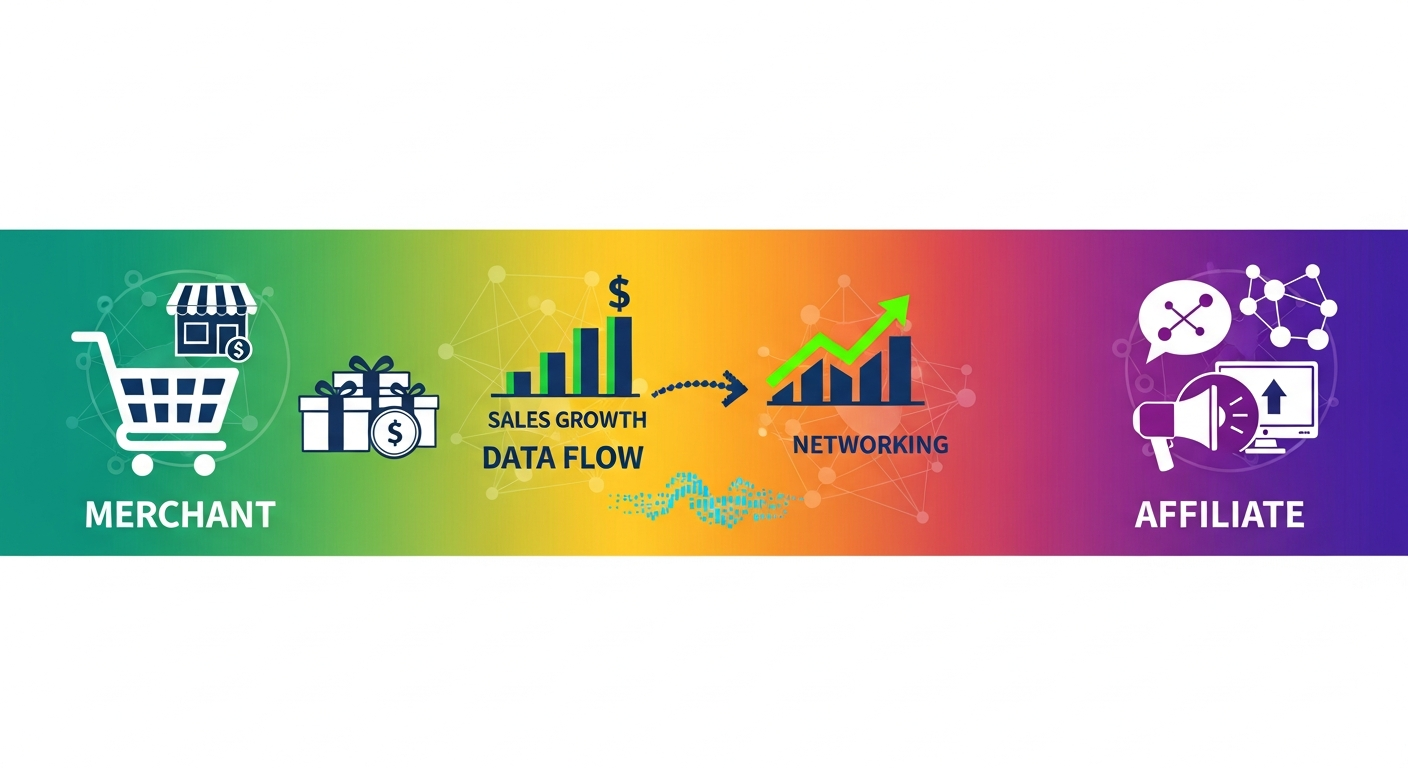
Affiliate marketing is a performance-based marketing model where a merchant (store owner) rewards an external party (the affiliate marketer or affiliate) for bringing visitors or new customers to their store, who ultimately make a purchase or perform another specified action (such as signing up for an email list). The relationship is based on a win-win principle: the store increases its sales, the affiliate earns income from promoting the store's products, and the customer gets the product they want, often through a trusted recommendation. These processes are typically tracked using unique tracking links or custom discount codes assigned to affiliates.
The importance of affiliate marketing for your online store lies in several vital aspects. Firstly, it's a low-risk model; you only pay for actual results, meaning you don't spend a huge marketing budget on campaigns that might not yield the desired return. This makes it an ideal strategy for emerging stores or those with limited budgets on platforms like Salla and Zid. Secondly, affiliate marketing allows you to reach new and vast audiences through a diverse network of affiliates, which may include influencers, bloggers, review sites, and deal sites. These affiliates already have a trusted audience base that interacts with their content, lending greater credibility to your products.
Furthermore, affiliate marketing contributes to building brand awareness and enhancing credibility. When a trusted marketer promotes your products, a portion of that trust is transferred to your brand. This broad reach, coupled with the credibility that affiliates can bring, makes it a powerful strategy for increasing sales and achieving sustainable growth. For stores on platforms like Salla, Zid, and Shopify, where many tools and applications are available to support this type of marketing, integrating an affiliate program becomes a natural and logical step towards achieving ambitious e-commerce goals.
Building a Successful Affiliate Marketing Program for Your Salla, Zid, and Shopify Store
Building an effective affiliate marketing program is not just about launching links and paying commissions; it requires careful planning and strategic execution. Store owners on platforms like Salla, Zid, and Shopify must follow a systematic approach to ensure their program's success and maximize its benefits. This process begins with defining goals and setting a budget, moving through selecting the right tools, and finally providing necessary support to affiliates to make them true partners in the store's success.
Setting Goals and Budget
Before embarking on anything, you must define clear and measurable goals for your affiliate marketing program. Do you aim to increase sales by a certain percentage? Do you want to increase traffic to your store? Or is your primary goal to build brand awareness? Answering these questions will help you shape your strategy and choose the right affiliates. These goals should be Specific, Measurable, Achievable, Relevant, and Time-bound (SMART). For example, your goal might be to increase sales by 20% through affiliate marketing over the next quarter.
After defining goals, it's time to set the budget. You need to determine the commission amount you'll pay affiliates. This commission can be a percentage of the sale value, a fixed amount per sale, or even a multi-tiered model based on sales volume. It's crucial that the commission is competitive and attractive enough to draw in the best affiliates, but at the same time, it must be sustainable for your store. Don't forget to allocate a portion of the budget for any affiliate management tools or applications you might need, in addition to any extra incentive bonuses for top-performing affiliates. This budget should be part of a broader framework for understanding marketing costs, and you can refer to our article on Conversion Optimization: Boosting Your Salla and Zid Store Sales for a deeper understanding of how to link costs to performance.
Budgeting also involves considering the cookie duration, which is the period during which an affiliate link remains active after being clicked by a customer. The longer the cookie duration, the greater the chance for the affiliate to earn a commission, making it more appealing. You must balance the generosity of the commission and cookie duration with your product profit margins to ensure the program is profitable for all parties. Transparency in these aspects is a crucial factor in building strong and sustainable relationships with affiliates.
Choosing the Right Platform for Affiliate Management
Once your goals and budget are defined, the next step is selecting the platform you will use to manage your affiliate marketing program. Available options vary based on your e-commerce platform (Salla, Zid, Shopify) and the scale of your program. For stores on platforms like Salla and Zid, some apps or extensions might be available in their app stores that facilitate affiliate management, but their options might be limited compared to more specialized platforms.
For Shopify stores, there is an abundance of dedicated affiliate marketing management apps, such as Goaffpro, UpPromote, and Affiliate Marketing & Referral. These applications provide comprehensive tools for link tracking, commission calculation, payment management, and furnishing affiliates with their own dashboards. Choosing the right app depends on your budget, the features you require, and ease of use. Some of these apps also offer features for discovering and collaborating with affiliates.
In addition to built-in or platform-specific apps, you might consider using large third-party affiliate networks such as Impact, ShareASale, or Awin. These networks provide robust infrastructure for program management, accurate tracking, and a vast database of professional affiliates. Using a third-party network can be particularly beneficial if you are targeting a global market or wish to leverage the expertise of these networks in matching merchants with suitable affiliates. However, these networks may come with additional fees beyond the cost of direct applications.
Establishing Clear Terms and Conditions
To ensure your affiliate marketing program runs smoothly and to avoid any misunderstandings or disputes in the future, it is essential to establish clear and detailed terms and conditions. These terms should cover all aspects of the relationship between you and your affiliates, from how commissions are calculated to payment policies and permitted/prohibited behaviors. Transparency at this stage builds trust and attracts serious affiliates committed to professional work.
The terms and conditions should include details about cookie duration, for example, 30 days, meaning the affiliate earns a commission if the customer completes a purchase within 30 days of clicking the link. Payment thresholds (the minimum amount an affiliate must earn before being paid) and payment schedules (when and how payments are made, monthly or quarterly) must also be specified. It's also important to clarify return and refund policies, and how they will affect commissions paid to affiliates, to ensure commissions are not paid on canceled or returned sales.
The most crucial part of the terms and conditions is defining permitted and prohibited marketing behaviors. You must explicitly prevent any unethical or brand-damaging marketing tactics, such as spamming, misleading advertisements, or using your brand name in search engine ads that directly compete with you. The terms should also include procedures for dealing with fraud or breaches of terms, including termination of the partnership. Having a clear set of rules protects your store and ensures that affiliates represent your brand in a positive and responsible manner.
Providing Tools and Resources for Affiliates
To enable your affiliates to achieve the best performance and increase your store's sales, you must provide them with a comprehensive set of tools and resources. It's not enough just to give them a tracking link; you must make their job as easy as possible and provide them with everything they need to effectively promote your products. This investment in supporting affiliates will, in turn, lead to increased sales and wider reach for your store.
Among the most important tools to provide are ready-made marketing materials. This includes advertising banners in various sizes and attractive designs, clear text links, high-quality product images, and even short videos. These materials should be professionally designed and reflect your brand identity. Also, providing product feeds can be very useful for affiliates who manage price comparison sites or affiliate stores.
Additionally, consider providing affiliates with unique discount codes they can offer to their audience. These codes not only encourage customers to purchase but also help track sales originating from each affiliate more accurately, especially on platforms where advanced tracking options might be available, such as Shopify, or even Salla and Zid. Don't forget to provide clear marketing guidelines that explain best practices for promoting your products, your target audience, and the unique selling points of your products. Finally, there should be dedicated support for affiliates, whether through email, a private group, or a dedicated affiliate program manager to answer their inquiries and help them resolve any issues they may encounter. This support builds strong relationships and enhances their loyalty to your program.
Finding and Attracting Affiliates
After setting up your affiliate marketing program and preparing all necessary tools, the most crucial step is to find and attract the right affiliates to join your program. The quality of the affiliates you choose will directly impact the success of your campaigns, so this process must be deliberate and aimed at finding true partners who share your vision and can effectively reach your target audience.
Types of Affiliates
There are different types of affiliates, and each type has its strengths and audience. Understanding these types will help you target the most suitable affiliates for your products and audience:
- Influencers: These are individuals with significant influence on social media platforms (such as Instagram, TikTok, YouTube) and have a large number of engaged followers. They can promote your products through reviews, posts, stories, or videos. Their effectiveness lies in their ability to build trust with their audience and influence purchasing decisions.
- Bloggers/Content Creators: They manage blogs or websites specialized in a specific field. They write detailed product reviews, buying guides, or articles that include links to your products. These individuals have high credibility in their niches and can attract highly targeted traffic.
- Coupon/Deal Sites: These websites specialize in collecting and offering discount coupons and exclusive deals to users. They can attract customers looking for the best prices and discounts and are a great way to quickly increase sales volume, especially during sale seasons.
- Niche Review Sites: These sites focus on providing reviews and ratings for products within a specific category. If your products align with their niche, a positive review can significantly increase customer trust and motivate them to purchase.
- Niche Websites: These are websites that focus on very specific product categories or interests. For example, a store selling pet care products could target affiliates who run websites about pet raising tips. These affiliates bring a highly targeted audience with genuine interest in the products.
Attraction Strategies
To attract the best affiliates for your program, you must be proactive and use effective strategies. Simply launching the program will not be enough; you must actively seek out suitable partners and persuade them to join. This process requires a combination of direct communication, promoting your program, and offering competitive incentives.
One of the most prominent attraction strategies is direct outreach. Look for bloggers, influencers, and review sites that align with your product niche and brand values. Contact them directly via email or social media, and invite them to join your program, highlighting the benefits they will receive (such as competitive commission, your continuous support, and the quality of your products). You can enlist the help of digital marketing experts to identify these affiliates and assist you in crafting compelling messages. Remember that building a good relationship with affiliates is a large part of success.
Another strategy is to promote your program on your own website. Create a dedicated affiliate marketing program page on your e-commerce store (whether on Salla, Zid, or Shopify) explaining how the program works, the commission you offer, terms and conditions, and how to join. Place a link to this page in your website footer or in your "About Us" section to make it easy for interested parties to find. Furthermore, utilizing large affiliate networks can help attract a significant number of affiliates, as they already have an active community of affiliates looking for new programs to join. Ensure your offer is competitive in terms of commission and benefits to attract the best talent within these networks.
Managing and Optimizing Your Affiliate Marketing Program
Launching an affiliate marketing program is not the end; it's just the beginning. True success lies in the effective management and continuous optimization of the program to ensure its sustainability and maximize its return. This requires accurate performance tracking, continuous communication with affiliates, and fraud prevention strategies, all of which are vital components of a thriving affiliate program on platforms like Salla, Zid, and Shopify.
Tracking and Analysis
To effectively manage your affiliate marketing program, you must regularly track and analyze performance. This involves monitoring a range of key metrics to identify what's working and what isn't. Among the most important metrics are: clicks on links, conversion rate, average order value (AOV), and the return on investment (ROI) for the affiliate program as a whole. This data provides valuable insights into affiliate performance and helps you make informed decisions.
Most affiliate management platforms, whether they are built-in apps on Shopify, Zid, or Salla, or external networks, provide dashboards that offer these statistics. You should review these dashboards regularly to identify top-performing affiliates, best-selling products through affiliates, and channels that yield the best results. For example, you might discover that Instagram influencers drive higher sales for certain products, while bloggers bring higher-value customers. Analyzing your store's data can help you understand these patterns more deeply and guide your marketing efforts.
Based on your analytics, you can optimize your program. For instance, if you find that some affiliates are not performing as expected, you can reach out to them to offer support or re-evaluate their strategies. If certain products are performing exceptionally well, you can direct affiliates to focus more on them. Continuous analysis helps you uncover opportunities and correct your course to ensure your affiliate marketing program constantly grows and evolves.
Continuous Communication and Motivation
The relationship with affiliates is not a fleeting one; it's a long-term partnership. To maintain their enthusiasm and loyalty, you must continuously communicate with them and motivate them to achieve more. Affiliates who feel appreciated and supported are more likely to put in extra effort to promote your products.
Maintain open communication channels. You can send regular newsletters that include updates on new products, upcoming promotions, and tips for improving performance. You can also create a private group for them on social media or a forum where they can ask questions, share experiences, and get direct support from you. This creates a sense of community belonging and encourages collaboration. Remember that building a strong community also enhances email marketing and its impact.
In addition to communication, motivation is crucial. Consider offering extra bonuses to affiliates who exceed specific goals, or organizing friendly competitions among affiliates with valuable prizes. These rewards could be additional commissions, free products, or even featuring them in your marketing channels. Providing exclusive offers for affiliates to present to their audience can also be a strong motivator, as it gives them a competitive edge and encourages them to promote more aggressively. Celebrating their successes and recognizing their efforts strengthens their loyalty and encourages them to continue working hard.
Combating Fraud and Ensuring Quality
Despite the numerous benefits of affiliate marketing, it is not without challenges, most notably the risk of fraud or unethical practices by some affiliates. To ensure the sustainability and success of your program, you must implement robust mechanisms to combat fraud and maintain the quality of traffic and sales generated through affiliates.
One common form of fraud is click fraud, where affiliates generate fake clicks to increase click counts without a genuine intent to purchase. There are also practices such as misleading advertisements or using your brand name in search engine ads in unauthorized ways. To prevent this, you must monitor the traffic sources brought by affiliates. Use analytics tools to identify any suspicious patterns, such as an excessively high number of clicks from a single source in a short period, or unusually low conversion rates relative to the number of clicks.
You should also carefully review conversions before approving commission payments. Ensure that sales are genuine and have not been canceled or returned. Clear terms and conditions that define permitted and prohibited behaviors can help prevent these practices. Furthermore, use fraud detection tools integrated into affiliate management platforms, or consider investing in specialized third-party solutions if your program is large. Transparency with affiliates about your anti-fraud policies can deter potential fraudsters and ensure you only work with trusted and quality-committed partners.
Practical Tips for Boosting Affiliate Marketing Effectiveness for Your Store
To maximize the benefits of your affiliate marketing program on platforms like Salla, Zid, and Shopify, it's not enough just to launch and manage it; you must implement a set of practical tips that enhance its effectiveness and ensure you achieve your marketing goals. These tips go beyond the technical aspects of the program to include product quality, customer experience, and comprehensive marketing strategies.
- Offer High-Quality Products: No amount of marketing can compensate for a poor product. Ensure that the products you sell are of high quality and meet customer expectations. Affiliates will be more enthusiastic about promoting products they trust themselves, and this will positively reflect on their credibility and conversion rates.
- Improve Store User Experience: Even if affiliates bring significant traffic, it won't convert into sales if the shopping experience on your store is poor. Ensure your store is easy to navigate, loads quickly, and is mobile-friendly. The checkout process must be smooth and clear. Platforms like Salla, Zid, and Shopify provide powerful tools to create attractive and user-friendly stores; leverage them fully.
- Leverage Search Engine Optimization (SEO): Although affiliate marketing brings external traffic, optimizing your store for search engines remains essential. Affiliates often look for reputable stores with a strong presence in search results. Furthermore, your store's appearance in organic search results enhances its credibility and attracts additional customers, making affiliates' work easier and more effective.
- Integrate Email Marketing: Affiliate marketing and email marketing can work synergistically. Encourage affiliates to collect email addresses from their audience (with their consent) and share them with you (if policies allow), or use their own email lists to promote your offers. You can also use your existing email list to promote your affiliate program and attract new affiliates.
- Offer Exclusive Deals to Customers: To drive more sales through affiliates, provide them with exclusive offers and discount coupons they can present to their audience. These special offers create a sense of urgency and value, encouraging customers to purchase through the affiliate's link.
- Deeply Understand Your Target Audience: The better you understand your target audience, the more effectively you can guide affiliates to target them. Provide affiliates with detailed information about the demographics, interests, and pain points of your ideal customers to help them craft more impactful marketing messages.
- Invest in Conversion Rate Optimization (CRO): Even the best affiliates will struggle to generate sales if your store doesn't effectively convert visitors. Invest in optimizing product pages, landing pages, and the checkout process to increase your store's overall conversion rate. This means turning more of the visitors brought by affiliates into paying customers.
- Consider Choosing the Right Platform for Your Store: While affiliate marketing can be implemented on Salla, Zid, and Shopify, selecting the most suitable platform for your overall needs can impact the ease of managing this program. Shopify, for example, may offer greater flexibility in affiliate apps, while Salla and Zid might be easier for beginners in the Arab region. Considering these aspects from the outset ensures a strategic choice that supports your long-term growth.
Conclusion
In the midst of fierce competition in the e-commerce world, affiliate marketing represents a powerful and effective strategy for store owners on platforms like Salla, Zid, and Shopify to increase their sales and expand their brand reach. It is not just a means to boost revenue, but a business model built on partnership and trust, reducing marketing risks and driving growth objectives in a sustainable manner. By leveraging a wide network of trusted affiliates, stores can reach new audiences, build brand awareness, and enhance credibility in the market.
To maximize the benefits of affiliate marketing, meticulous planning is required, starting from defining goals and budget, moving through selecting the right platform for program management, establishing clear terms and conditions, and finally providing the necessary tools and resources for affiliates. Most importantly, it involves investing in building strong relationships with affiliates, continuously motivating them, accurately tracking their performance, and combating any fraudulent practices to ensure the quality of the program. These combined elements form the foundation for a successful and profitable long-term affiliate marketing program.
Integrating affiliate marketing into your overall marketing strategy, focusing on delivering high-quality products, and enhancing the user experience in your store will ensure not only increased sales but also the building of a strong and trustworthy brand. Whether you are an e-commerce beginner on Salla or Zid, or managing an advanced store on Shopify, affiliate marketing offers you a golden opportunity for unprecedented growth. Start building your program today and explore how this strategy can transform your store into an inspiring success story.