



In the fast-paced world of e-commerce, store owners face a continuous challenge represented by the rising costs of acquiring new customers day by day. This makes relying entirely on paid advertising campaigns to attract new buyers a costly strategy that can significantly reduce profit margins. Here emerges the urgent need to search for smart and effective solutions to maximize financial returns from the same current number of visitors. The cross-selling strategy is considered one of the most powerful and impactful of these solutions. Applying this strategy smartly not only contributes to increasing immediate profits but also enhances the customer experience, making them feel that the store accurately understands their needs and offers integrated solutions that save them the trouble of searching elsewhere.
Cross-selling is not just a passing sales tactic; it is an art and philosophy based on understanding buyer psychology and providing added value at the right moment. It is the secret behind the success of major global e-commerce companies that rely on it to generate a large percentage of their annual revenue. For merchants in our Arab region, especially those relying on powerful and advanced local platforms, leveraging this feature has become easier than ever thanks to built-in tools and flexible options available. You can check out Cross-Selling: How to Increase Order Value in Salla and Zid? to understand the additional dimensions of this strategy and its direct impact on the growth of your business.


Through this comprehensive and detailed article, we will dive deep into the cross-selling strategy and how to employ it professionally to genuinely and tangibly double your sales. We will focus specifically on how to apply these concepts within the Zid and Salla platforms, which are considered the backbone of thousands of successful online stores today. Together, we will explore techniques for selecting the right products, the best times to present them to the customer, and common mistakes you must avoid to ensure you do not annoy your store's visitors, instead converting them into loyal, repeat buyers for your brand.
What is Cross-Selling and Why is it Essential for Your E-commerce Stores?
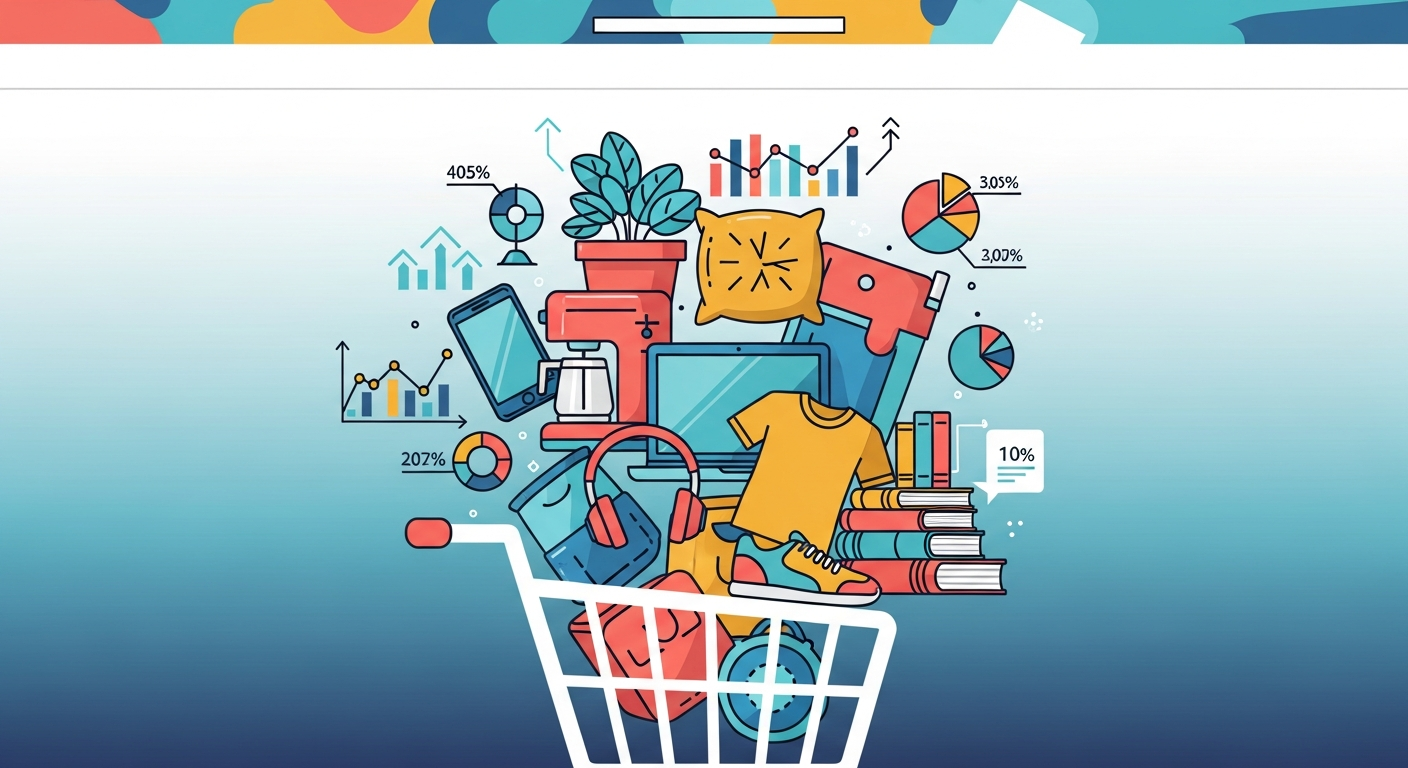
Cross-selling, quite simply, is a marketing and sales strategy aimed at encouraging a customer who has decided to buy a specific product to add other complementary or related products to their shopping cart before completing the final checkout process. The classic and most famous example of this strategy is what fast-food restaurants do when the employee offers to add fries or a soft drink to your main order. In the context of e-commerce stores built on platforms like Salla and Zid, this concept translates to suggesting a protective case and a screen protector when a customer buys a new smartphone, or suggesting a matching bag and suitable shoes when a customer adds a specific dress to her shopping cart.
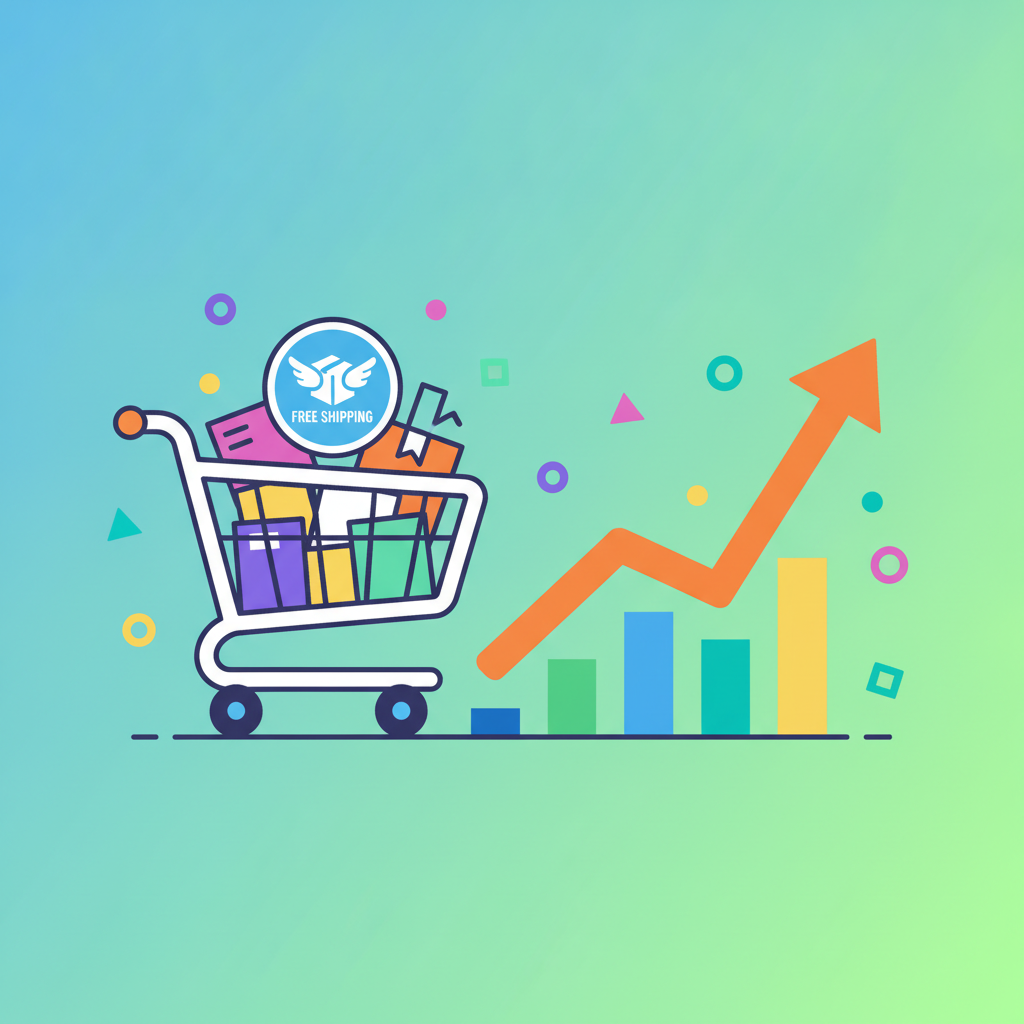
The utmost importance of cross-selling lies in its direct ability to raise a highly critical metric in e-commerce: the Average Order Value (AOV). This simply means increasing the total amount a customer pays in every purchase they make within your store. When the average order value rises, you effectively multiply your revenue and net profits without needing to pay any additional advertising costs to acquire this customer. The customer is already in your store and in a psychological state ready to buy; all you are doing is guiding them to discover other products that meet their complementary needs, which they might have forgotten or didn't know existed in your store.
Besides the direct financial benefits, cross-selling plays a vital role in improving the user experience and building a strong, sustainable relationship with customers over the long term. When you suggest products to a customer that genuinely complement what they are buying and increase their utility, they feel grateful and satisfied with the level of service provided. This reinforces Loyalty Programs: Your Guide to Retaining Zid and Salla Customers and makes this customer more likely to return and buy from your store in the future, preferring you over competitors who merely sell the core product without offering a complete and comprehensive shopping experience that meets all their expectations.
Strategies for Successfully Implementing Cross-Selling on Zid and Salla Platforms
To maximize the benefits of cross-selling, it is not enough to simply display random products next to the main product and expect the customer to buy them. Rather, it requires careful strategic planning and a deep understanding of the nature of the products and consumer behavior. The Zid and Salla platforms provide advanced tools and precise control options that allow you to link products together in smart and deliberate ways. The first step to the success of this strategy is ensuring that the suggested products add real value to the main product, either by improving its performance, protecting it, or completing its overall look. This way, the offer appears logical and tempting to the customer, rather than just a desperate attempt to sell more unwanted products.
A highly effective strategy in this context is using the product bundling method, where you create a special offer combining the main product with its complementary products at a total price slightly lower than buying each product separately. On platforms like Salla and Zid, you can easily set up these offers and highlight the amount of savings the customer will get if they decide to buy the entire bundle. This tactic relies on the psychology of discounts and the feeling of getting a good deal, which is a very strong motivator that encourages hesitant buyers to make an immediate purchase decision and significantly increases the shopping cart size.
Another critically important strategy is using social proof to enhance the power of cross-selling. You can use catchy and persuasive phrases like "Customers who bought this product also bought X and Y," a feature that can be activated and customized in e-commerce stores to increase credibility. When a customer sees that other people made the same decision and bought these products together, they feel reassured and confident in their choice. This lowers their hesitation barrier and pushes them to add the suggested products with full confidence and certainty that it is the optimal choice for them.
Analyzing Customer Behavior and Carefully Selecting Complementary Products
True success in cross-selling stems from your ability to read and analyze your store's data with extreme precision to understand what your customers are looking for and how they interact with your various products. Through Sales Analysis: How to Read Your Store Reports in Zid and Salla?, you can discover hidden purchasing patterns that aren't apparent at first glance. For example, noticing that a large percentage of customers who buy coffee makers return weeks later to buy paper filters or specific types of roasted coffee beans. This data-driven conclusion gives you the golden opportunity to offer these products together right from the start as an irresistible cross-sell offer.
When selecting complementary products, you must keep in mind a golden rule in e-commerce known as the logical pricing rule for accessories. This rule states that the price of the complementary product should generally not exceed 25% to 30% of the main product's price. For instance, if a customer is buying a laptop for 3,000 Riyals, it is very logical and easy to convince them to add a laptop bag for 150 Riyals or a wireless mouse for 100 Riyals. However, it would be very difficult to convince them to add an external monitor for 2,000 Riyals as a complementary product at the same moment, because that requires an independent purchasing decision and a massive additional budget.
To ensure products are selected with the utmost care and applied correctly in your store, follow this bulleted list summarizing the most important criteria to consider when linking products together:
- Direct Functional Connection: Ensure the suggested product directly serves the main product (such as batteries for electronic toys or coffee capsules for a machine).
- Solving an Anticipated Problem: Offer products that solve a problem the customer might face post-purchase (such as cleaning kits for luxury leather shoes).
- Aesthetic Upgrade: Suggest products that improve the external appearance or complete a set (such as matching accessories for women's clothing).
- Variety of Price Options: Display complementary products at varying prices to suit different customer budgets and increase the chances of the offer being accepted.
The Ideal Timing to Display Complementary Products During the Buyer's Journey
The success of cross-selling is not limited to just choosing the right product; it crucially depends on the timing of when this product is presented to the customer during their journey within the online store. Displaying products at the wrong time can distract the customer from their primary goal of completing the purchase, which could result in losing the sale entirely instead of increasing it. On platforms like Salla and Zid, there are several strategic touchpoints you can smartly exploit. The first is the product details page itself, where it is preferable to display complementary products at the bottom under a heading like "Related Products" or "Recommended with this Product."
The second and most sensitive touchpoint is the side cart drawer or the shopping cart page before heading to the final checkout page. Here, the customer has made the initial purchase decision, making it an ideal moment to remind them of small, important products they might have forgotten. However, extreme caution is needed here to avoid the issue of Abandoned Carts: Steps to Recover Sales in Salla and Zid, which can result from excessive distraction or adding surprise fees that make the customer back out of their decision. Therefore, offers at this stage must be clear, quick to add with a single click, and should not require the customer to leave the checkout page to read complex details.
As for the third touchpoint, which many merchants overlook, it is the post-purchase stage, known as the Thank You Page. At this moment, the customer is at their highest level of satisfaction and trust toward your store after successfully completing the payment. You can leverage this page to present an exclusive, time-limited offer for a complementary product at a special discount if they add it to their current order before it ships. This strategy has proven highly effective in increasing sales without any risk of disrupting the core purchase process that has already taken place.
Common Mistakes to Avoid When Implementing Cross-Selling
Despite the immense benefits of the cross-selling strategy, incorrect and impulsive implementation can lead to completely counterproductive results that harm the store's reputation and significantly annoy customers. The first and most common mistake is overwhelming the customer with multiple, unrelated options, creating a psychological phenomenon known as decision paralysis. When a customer sees dozens of suggested products with no logical connection to the product they want to buy, they feel confused and distracted. Ultimately, they may decide to abandon the purchase entirely and look for another store that offers a simpler and clearer shopping experience.
The second fatal mistake is excessive pushiness and aggressive interference in the customer's purchasing path. Using annoying pop-ups that suddenly appear and force the customer to close them multiple times before they can complete the payment is considered one of the worst practices in modern e-commerce. Cross-selling should be a seamless and natural process that feels like an additional service and a kind gesture from the store to make the customer's life easier, not an annoying trap aimed solely at extracting more money from their pocket by any means necessary. Respecting the customer's time and comfort must always be the top priority.
The third mistake is neglecting to update and review the suggested products on a regular and continuous basis. Often, merchants set up related product links once when opening the store and forget about them completely. Over time, this leads to suggesting out-of-stock products or outdated items that are no longer compatible with the latest versions of the main product. You must have a periodic mechanism to review sales reports in your Salla or Zid dashboard, updating rules and offers based on inventory availability, changing seasons, and evolving customer preferences to ensure your offers remain attractive and effective at all times.
Conclusion: Your Path to Doubling Profits and Building Customer Loyalty
In conclusion, we can confidently say that the cross-selling strategy is not just a secondary addition to your online store; it is a core engine for sustainable growth and doubling profits in a highly competitive business environment. Through the smart and deliberate application of this strategy on advanced platforms like Salla and Zid, you not only increase the average order value and your direct financial returns, but you also elevate the level of service you provide to your customers. You transform your store from a mere platform selling goods into a trusted shopping advisor that understands the buyer's needs and offers comprehensive, integrated solutions that save them time and effort.
Always remember that the golden key to successful cross-selling lies in the delicate balance between achieving your sales goals and respecting the customer experience. Start by analyzing your store's data to understand your customers' behaviors, and select complementary products with extreme care so they add real value. Ensure you display them at the ideal time during the buyer's journey without causing annoyance or distraction. Do not forget to use the bundling features and smart offers provided by e-commerce platforms to present compelling incentives that encourage visitors to confidently and satisfactorily make the decision to buy more products.
Finally, successful e-commerce requires continuous experimentation and constant improvement. Do not hesitate to test different methods for linking and displaying products, and closely monitor the results of these experiments through the reports available in your store's dashboard. Over time and as you accumulate experience, you will be able to build an automated, near-perfect cross-selling system that works around the clock to steadily increase your revenue and double your sales. This will ensure you outpace your competitors and solidify your brand's position in the vast, constantly evolving digital market.