



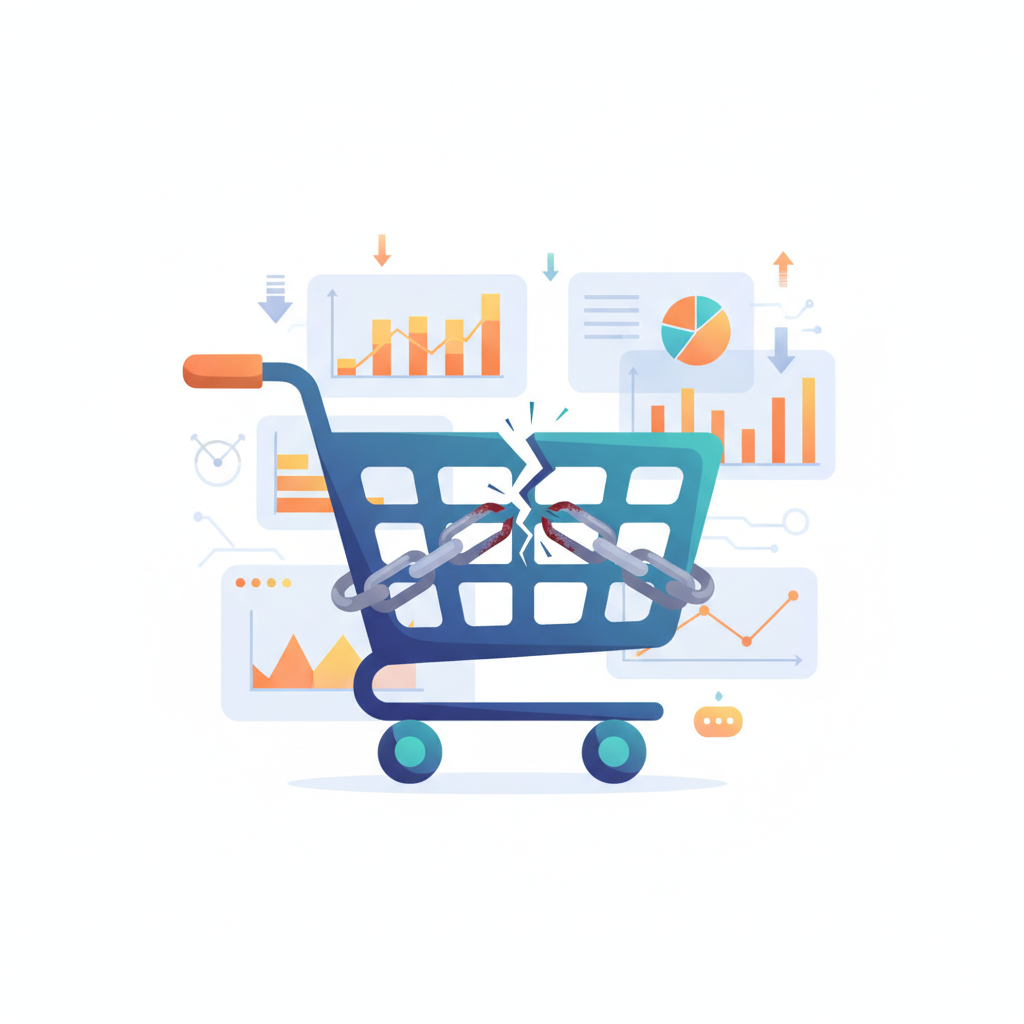
Understanding the Phenomenon of Cart Abandonment and Its Root Causes
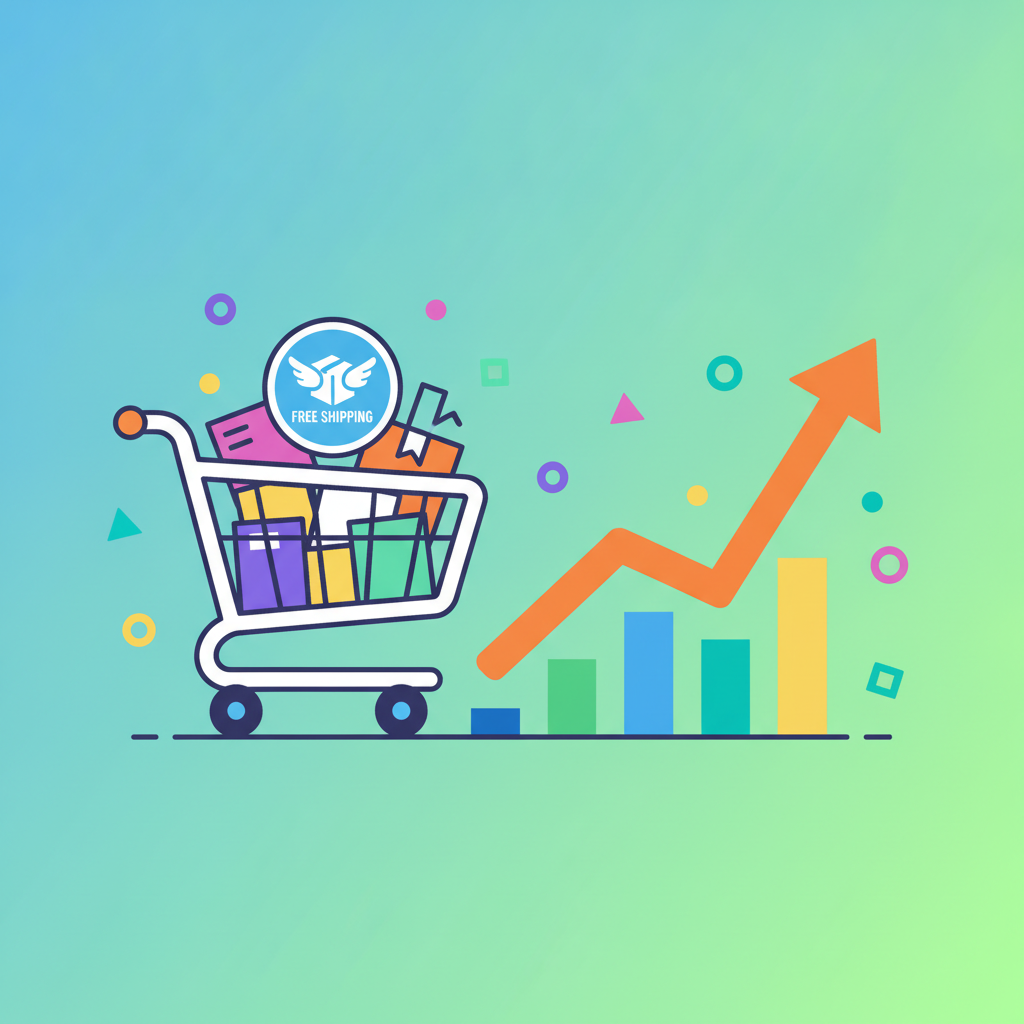
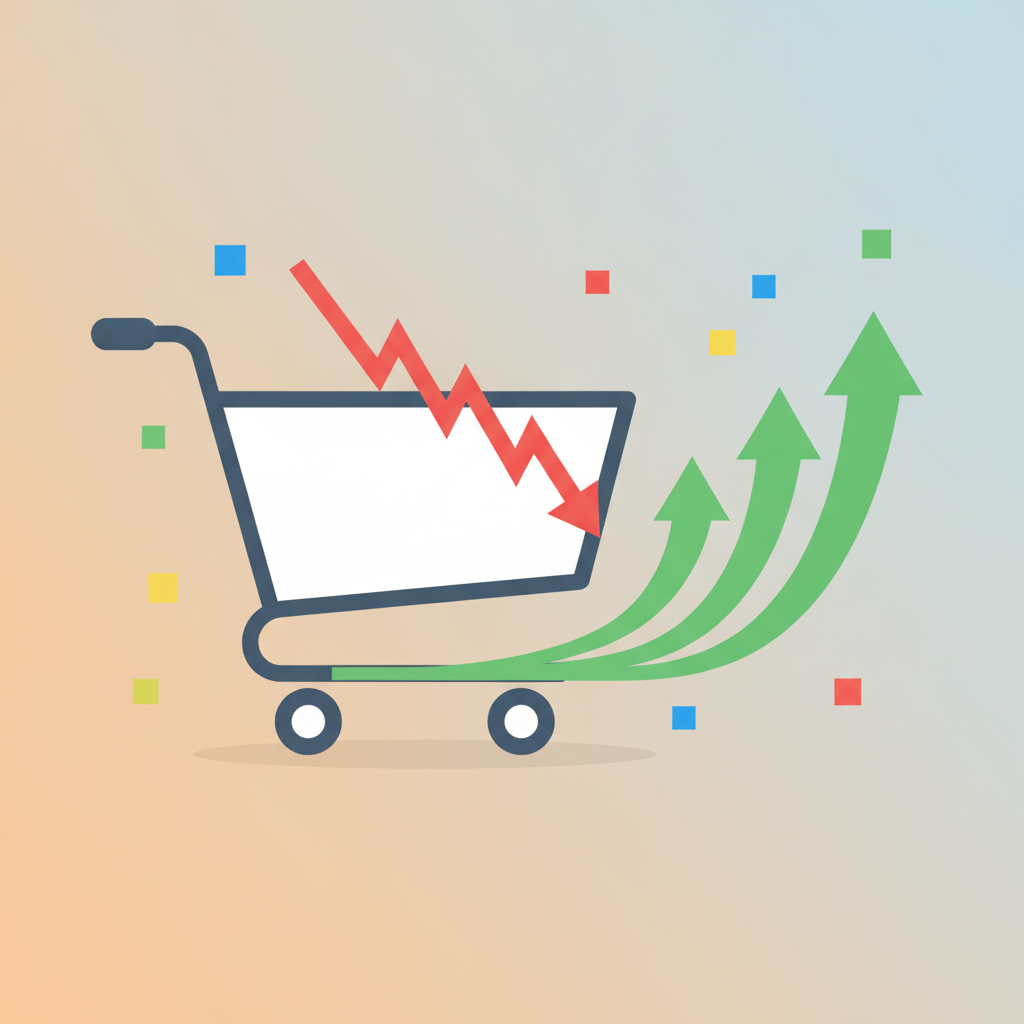
Cart abandonment is a common and vexing phenomenon in the world of e-commerce, where shoppers add products to their carts but then leave the store without completing the purchase. This phenomenon is not just a statistic; it is a clear indicator of potential revenue loss and missed sales opportunities that could have been capitalized on. On average, global cart abandonment rates range between 60% and 80%, meaning that the vast majority of customers who showed interest in your products did not complete their purchase journey for various reasons. This challenge compels e-commerce store owners, whether they use platforms like Salla, Zid, or Shopify, to seek effective solutions and strategies to recover these customers.
Understanding the underlying reasons for this behavior is the first step towards building successful recovery strategies. Instead of viewing cart abandonment as a final loss, it should be considered an opportunity to understand weaknesses in the customer journey and turn them into strengths. Whether the issue relates to high shipping costs, a complex checkout process, or simply customer distraction, each reason provides valuable clues that can be used to improve the overall shopping experience. By carefully analyzing these causes, stores can design targeted campaigns and structural adjustments that increase conversion rates and achieve better returns on marketing investment.
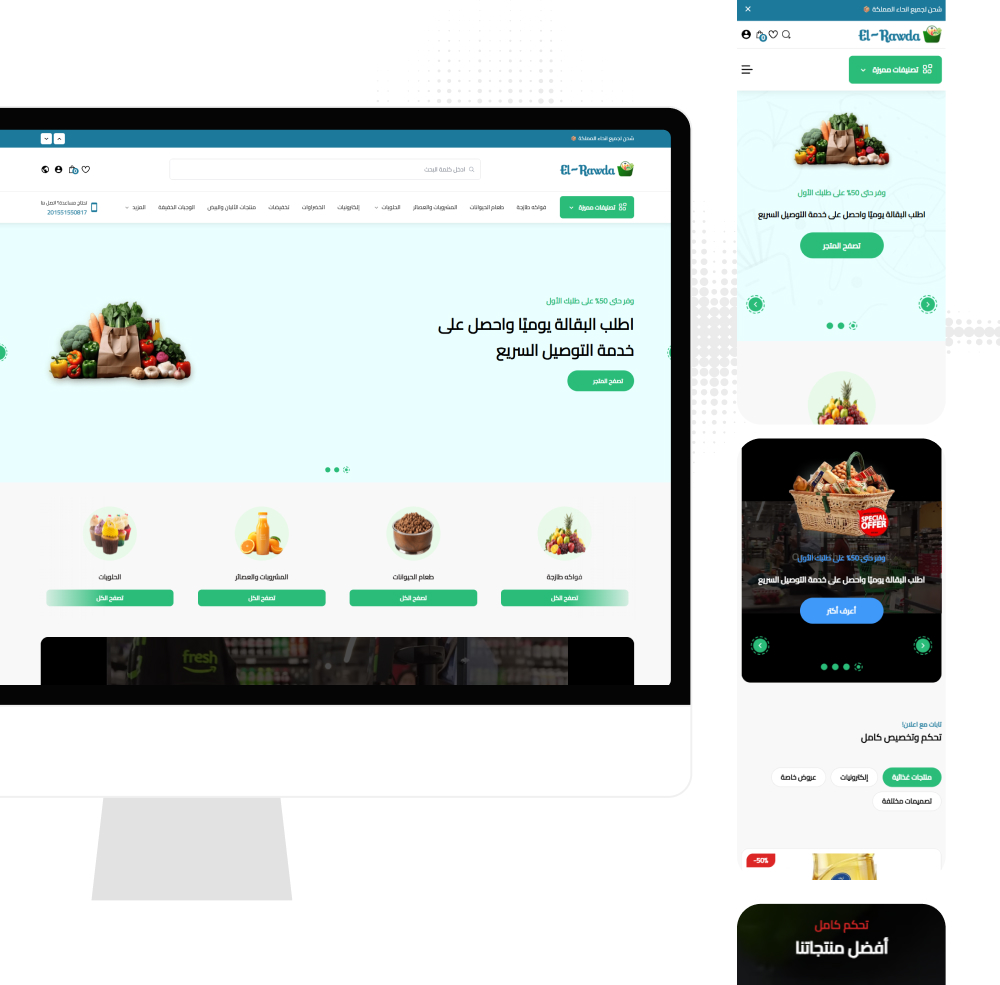
E-commerce platforms like Salla, Zid, and Shopify are powerful tools that provide store owners with many features and tools that can be used to address the problem of cart abandonment. From setting up automated email campaigns to integrating diverse payment gateways, and even tracking user behavior, these platforms offer the necessary infrastructure to implement complex strategies. However, merely having these tools is not enough; it requires a deep understanding of how to use them effectively and adapt them to suit the needs of target customers in the Arab market. In this article, we will delve into practical and proven strategies to recover abandoned cart customers, focusing on how to effectively apply them on platforms like Salla, Zid, and Shopify.
Key Reasons for Abandonment
Many reasons drive customers to abandon their shopping carts, and these reasons often overlap to create obstacles to completing a purchase. Among the most prominent reasons are unexpected or high shipping costs, which are among the most common factors. Customers tend to add products to their cart based on product price alone, and when they discover that shipping costs significantly increase the total price, they often back out of the purchase decision. This issue is exacerbated if shipping costs are not clearly displayed in the early stages of the purchase journey, creating a feeling of deception or lack of transparency.
Another fundamental reason is a complex or lengthy checkout process. In a fast-paced world, customers expect a smooth and quick purchasing process. If the checkout process requires multiple steps, filling out long forms with unnecessary information, or mandates account creation, it increases the likelihood of cart abandonment. Similarly, a lack of trusted or preferred payment options plays a significant role. If a customer does not find their preferred or trusted payment method, such as Mada cards, Apple Pay, or installment payment options like Tabby and Tamara, they may decide to leave the store. Paying attention to how to increase your store's sales using Tabby and Tamara can lead to a significant improvement in conversion rates.
In addition to the above, there are other factors such as security concerns and lack of trust in the store, where some customers hesitate to provide their financial and personal information if the store does not display clear trust and security signals. Also, slow website performance or technical errors can lead to customer frustration and cart abandonment. In some cases, abandonment is due to distraction or comparison shopping with other stores, where customers use the shopping cart as a wish list or a comparison tool before making a final purchase decision. Understanding these reasons helps formulate effective and integrated recovery strategies.
Effective Customer Recovery Strategies
Recovering customers who have abandoned their carts requires a multifaceted approach that combines the technology available on e-commerce platforms like Salla, Zid, and Shopify with a deep understanding of consumer behavior. There is no one-size-fits-all strategy; rather, store owners must be flexible and able to adapt their methods based on specific abandonment reasons and customer types. The primary goal is to gently re-engage the customer, remind them of the products they showed interest in, and overcome any obstacles that may have prevented them from completing the purchase the first time. This approach focuses on building a strong relationship with the customer, even before they become an actual buyer.
Customer recovery strategies are generally divided into two categories: preventive strategies and reactive strategies. Preventive strategies focus on improving the overall shopping experience to prevent cart abandonment in the first place, such as simplifying the checkout process, providing clear shipping information, and offering diverse payment options. Reactive strategies, on the other hand, are applied after a customer abandons their shopping cart, such as reminder email campaigns, ad retargeting, and offering incentives. Combining these two types of strategies ensures comprehensive coverage of the problem, from its roots to attempts to recover customers after they leave.
The ability to track user behavior and analyze data is crucial for effectively implementing these strategies. Platforms like Salla, Zid, and Shopify provide built-in or integrable analytical tools that help stores understand when and why customers abandon their carts. Through this data, stores can identify common patterns, measure the effectiveness of recovery campaigns, and adjust them to achieve optimal results. Investing in understanding data and converting it into actionable insights is what distinguishes successful stores in recovering their abandoned cart customers from others, contributing to sustainable sales and revenue growth.
1. Abandoned Cart Email Campaigns
Automated abandoned cart email campaigns are among the most powerful and effective tools for recovering lost customers. This strategy is highly capable of reaching customers personally and directly, reminding them of the products they showed interest in. Platforms like Salla, Zid, and Shopify offer built-in features or add-ons that allow these campaigns to be set up automatically, sending an email as soon as a customer leaves the shopping cart without completing the purchase. The key to success here lies in timely delivery, engaging content, and persuasive messaging that encourages the customer to return and complete their purchase.
To maximize effectiveness, it is recommended to create a series of emails rather than a single message. This series can begin with a gentle reminder sent within an hour of cart abandonment, serving as a friendly nudge without any pressure. The second email can be sent after 24 hours and might include a special offer such as a small discount, free shipping, or a free gift to encourage the customer to return. The third email can be sent after 48-72 hours and may focus on creating a sense of urgency or highlighting social proof for the products that were in the cart. Each email should include clear product images, direct links back to the cart, and a clear, enticing call to action. Leveraging smart use of discount coupons can help in offering attractive incentives.
Content personalization is another critical element. Messages should use the customer's name and display the products that were in their cart. Platforms like Shopify, Salla, and Zid provide ready-made templates that can be easily customized. Additionally, abandoned customers can be segmented based on cart value or product type, and different messages can be sent to each segment. For example, customers who abandoned a high-value cart might require a greater incentive. Monitoring the open, click-through, and conversion rates of these campaigns is crucial for continuous optimization, ensuring they achieve the best possible return on investment.
2. Customer Retargeting
Customer retargeting is a powerful marketing strategy that allows store owners to track customers who have visited their store or added products to their carts and then left, and to re-display ads to them on other platforms. These ads can appear to customers on social media platforms like Facebook and Instagram, through the Google Ads network, or even on other websites. The goal of retargeting is to remind the customer of the products they showed interest in and bring them back to the store to complete the purchase, leveraging the fact that the customer has already demonstrated a certain level of interest in your products.
To initiate retargeting campaigns, the store must install the advertising platform's tracking pixel (such as Facebook Pixel or Google Ads Tag) on its website. All major platforms like Salla, Zid, and Shopify support adding these codes easily through store settings or via additional applications. Once the pixel is installed, it begins collecting data about visitor behavior, allowing you to create custom audiences to specifically target customers who abandoned their carts. These audiences can also be segmented based on the level of interaction, such as customers who added products to their cart but did not purchase, or customers who visited a specific product page.
Dynamic Product Ads are particularly effective in retargeting campaigns. These ads allow the display of the specific products the customer left in their cart, or similar products, making the ad more relevant and personalized. Special offers and exclusive incentives can also be used in retargeting ads to further entice customers, such such as offering an additional discount or free shipping. It is essential to continuously monitor the performance of retargeting campaigns and optimize them based on metrics such as click-through rate (CTR), conversion rate, and cost per acquisition (CPA) to ensure maximum return on investment.
3. Checkout Optimization
Optimizing the checkout experience is a crucial step in preventing cart abandonment from the outset, and it is an investment that yields significant long-term benefits. A smooth and clear checkout process can easily convert a browser into a buyer. This strategy begins by simplifying the checkout steps as much as possible. The store should avoid requesting unnecessary information and provide a guest checkout option instead of forcing the customer to create an account. Research shows that mandatory account creation is one of the main reasons for cart abandonment, so offering this option reduces friction and makes the process easier for new customers.
In addition to simplification, the checkout process must be transparent and clear. This means displaying all costs, including product prices, shipping fees, and taxes if applicable, explicitly and visibly at all stages of the checkout process. Unpleasant surprises on the final checkout page are a sure recipe for cart abandonment. Platforms like Salla, Zid, and Shopify offer options to set up shipping and tax rules clearly, which helps in accurately displaying the total cost. Also, showing a progress bar that indicates the remaining steps to the customer can reduce anxiety and increase the likelihood of completing the purchase.
Equally important is providing a wide range of trusted and preferred payment options for customers in the target market. In the Arab region, this includes local payment gateways like Mada, as well as installment payment options such as Tabby and Tamara. These options offer customers flexibility and confidence in completing their purchase. Enhancing trust and security through displaying trusted payment gateway logos and SSL certificates is also critical. Ensure your website is responsive and fully compatible with mobile devices, as a large portion of shopping is done via smartphones. All these improvements combined contribute to creating a checkout experience that leaves no room for hesitation or abandonment.
4. Instant Customer Support and Live Chat
Providing instant and effective customer support, especially during the checkout process, is a powerful strategy to save abandoned carts and convert hesitation into confidence. When a customer encounters a question or problem while trying to complete a purchase, the ability to get a quick and direct answer can be the difference between completing the transaction and leaving the store. Therefore, integrating live chat tools on checkout pages is crucial. These tools allow customers to ask their questions and get help in real-time, removing any potential obstacles that could lead to cart abandonment.
Instant customer support is not limited to live chat; it can also include integrating channels like WhatsApp. WhatsApp marketing can be used to increase your store's sales, where stores can send personalized reminder messages via WhatsApp to customers who have abandoned their carts, or respond to their inquiries directly. These channels allow for a high level of personal communication that can build trust and encourage customers to return. Additionally, stores can integrate an easily accessible FAQ section on checkout pages, which answers the most common inquiries about shipping, payment, or return policies, reducing the need for direct communication and helping customers resolve their issues quickly on their own.
Customer support teams must be well-trained to handle abandoned cart inquiries and be able to provide quick and satisfactory solutions. Sometimes, it may require offering a small incentive, such as a discount or free shipping, to resolve the customer's issue and convince them to complete the purchase. Platforms like Salla, Zid, and Shopify offer many applications and add-ons that facilitate the integration of live chat tools and other communication channels, ensuring that support is always available when the customer needs it. Investing in strong customer support is not just a cost; it is an investment in building customer loyalty and increasing conversion rates.
5. Smart Offers and Incentives
Smart offers and incentives are highly effective strategies for recovering abandoned cart customers, as they motivate them to return and complete their purchase. These incentives can take various forms, such as discounts on the total cart value, free shipping, a free gift with the order, or even extra loyalty points. The key to success here is to present the right incentive at the right time to the right customer, ensuring maximum impact without negatively affecting profit margins. These offers should be enticing enough to warrant a return but not so extravagant as to deplete the store's profitability.
These incentives can be implemented in various ways. One common method is using exit-intent pop-ups. These pop-ups appear when the system detects that the customer is about to leave the checkout page without completing the purchase, offering them a special last-minute deal to persuade them to stay. Platforms like Shopify, Salla, and Zid provide applications and add-ons that allow for easy creation of these pop-ups. These offers can also be integrated into email campaigns or retargeting ads, as previously mentioned, to ensure they reach the customer across multiple channels.
Timing and segmentation are crucial elements when offering incentives. Not all abandoned customers need the same incentive. For example, a customer who left a high-value cart might be more responsive to a free shipping offer, while a customer who left a low-value cart might prefer a small discount. Stores can conduct A/B testing on different types of offers and their timing to find what works best for their target audience. Through continuous analysis of these offers' performance, stores can optimize their strategies to increase recovery rates and maximize the benefit from every abandoned cart.
Additional Tips for Improving Conversion Rates and Preventing Abandonment
In addition to cart recovery strategies, there are a set of tips and practices that can significantly contribute to improving the store's overall conversion rate and reducing cart abandonment rates from the outset. These tips focus on enhancing the overall user experience and building trust, encouraging customers to complete purchases without hesitation. For example, providing high-quality product images and accurate, detailed descriptions is vital. Customers cannot physically touch or try products in e-commerce stores, so clear images and comprehensive descriptions help them make informed purchasing decisions and reduce the likelihood of cart abandonment due to product ambiguity.
Similarly, a clear and easy return and exchange policy is an important factor in building trust. Knowing that customers can easily return a product if they are not satisfied reduces perceived purchase risks and increases the likelihood of completing the transaction. This policy should be prominently displayed on product and checkout pages. Furthermore, focusing on social proof by displaying genuine customer reviews and testimonials reassures new customers and gives them confidence in product quality and store reliability. Platforms like Salla, Zid, and Shopify offer built-in features or additional apps to easily collect and display these reviews.
The technical performance of the store cannot be overlooked. Fast page loading speeds and responsiveness across all devices, especially mobile phones, directly impact the user experience. A slow store or one with technical errors quickly drives customers away. Attention should also be paid to effective inventory management to avoid displaying out-of-stock products or discovering stock shortages at the checkout stage, which leads to customer frustration. You can check out customer retention strategies to build long-term relationships. Finally, continuous A/B testing of various store elements, from product page design to checkout steps, can reveal small improvements that make a significant difference in conversion rates and reduce cart abandonment.
Conclusion
In conclusion, cart abandonment remains an ongoing challenge faced by all e-commerce stores, regardless of their size or the platform they use, be it Salla, Zid, or Shopify. However, viewing it as an opportunity rather than a final loss enables store owners to adopt a proactive and effective approach. By understanding the root causes that lead customers to abandon their carts, stores can formulate multi-faceted strategies aimed not only at recovering lost sales but also at improving the overall shopping experience and building stronger customer relationships.
We have reviewed a set of fundamental strategies that have proven effective in this area, starting with automated email campaigns that serve as a personalized and effective reminder, moving through smart retargeting campaigns that keep your products in the customer's mind wherever they go online. We also touched upon the utmost importance of optimizing and simplifying the checkout experience, providing diverse and reliable payment options, in addition to the role of instant customer support in resolving issues immediately. Finally, we discussed how to use smart offers and incentives to persuade customers to return and complete their purchase, with an emphasis on appropriate timing and segmentation.
Success in recovering abandoned cart customers does not come from applying a single strategy in isolation, but rather by integrating these strategies into a comprehensive, harmonious whole. It requires continuous data monitoring, accurate analysis of customer behavior, and a constant readiness for testing and modification. By making the most of the tools and features provided by platforms such as Salla, Zid, and Shopify, e-commerce stores can transform cart abandonment from a nightmare into an opportunity to increase revenue, enhance customer loyalty, and achieve sustainable growth in this ever-changing digital market.