



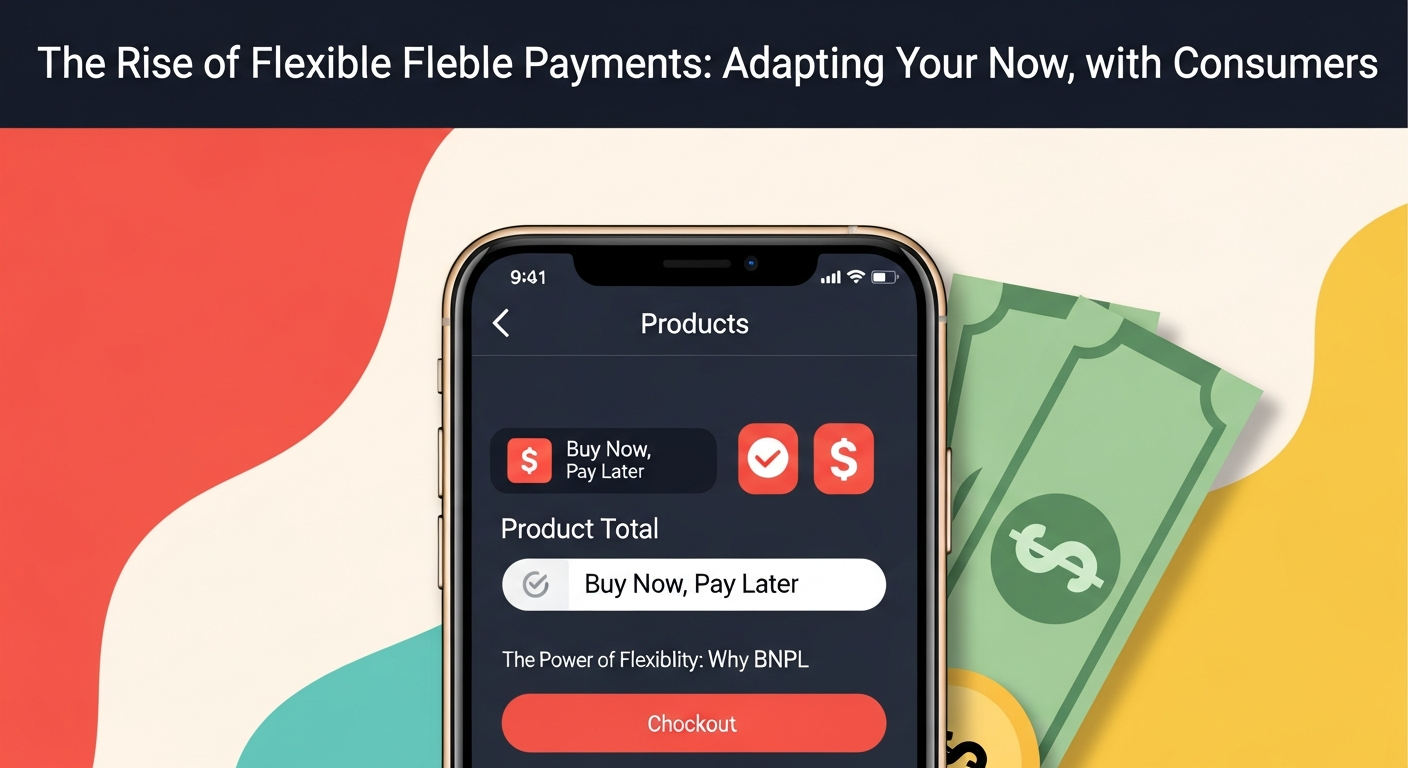
In the fast-paced world of e-commerce, price is no longer the sole barrier to completing a purchase; payment flexibility has become the decisive factor determining whether a customer clicks the "Checkout" button or leaves the store for good. In recent years, we have witnessed a true revolution in Arab consumer behavior, specifically in Saudi Arabia and the Gulf states, where the concept of purchasing has shifted from immediate full payment to more flexible options that allow splitting the amount into easy installments. This radical shift was no mere coincidence, but rather a response to a pressing need among consumers to manage their cash flows smartly, and among merchants to increase conversion rates and reduce last-minute customer hesitation. "Buy Now, Pay Later" (BNPL) services, led by giant companies like Tabby and Tamara, are no longer just an optional luxury feature in your online store; they have become an absolute necessity to stay competitive. Statistics indicate that stores offering these options experience a noticeable increase in sales volume and shopping cart value compared to those relying solely on direct payment.
Your deep understanding of how these platforms work and their psychological and financial impact on your customer's purchasing decision is the first step toward doubling your profits. When a customer sees a product priced at 400 SAR, they might hesitate and calculate their finances for the rest of the month. However, when they see the same product displayed with the phrase "Pay only 100 SAR today and the rest over 3 installments," the psychological barrier is instantly broken. The focus shifts from "Can I afford this?" to "This is a small amount I can pay right now." In this comprehensive article, we will dive deep into installment payment strategies and how you, as a merchant using the Zid or Salla platform, can leverage these tools not just to facilitate payments, but as a powerful marketing tool that elevates your store's value and increases customer loyalty. We will provide practical tips and actionable steps to ensure you get the most out of these smart financial partnerships.
Furthermore, we will touch upon the technical and financial aspects that might escape the minds of many beginner merchants, such as how to manage the fees deducted by these companies and how to balance that with your products' profit margins. Succeeding with Tabby and Tamara is not limited to merely activating the plugin from the Salla or Zid app store; it requires a well-thought-out pricing strategy and a smart marketing offer that highlights this feature at the right time and place within the customer's journey in the store. We will discuss in detail how to make the installment option an integral part of your marketing identity and how to overcome concerns related to delayed cash flows, so you can walk away from this article with a complete action plan that takes your store to a new level of professionalism and profitability.
The Psychological and Economic Impact of Installment Services on Purchasing Decisions
The success of installment payment services like Tabby and Tamara relies primarily on consumer behavioral psychology, as these services play a pivotal role in reducing what is known as the "Pain of Paying." When a consumer faces a large amount that must be paid all at once, the brain's center for pain and loss is activated, prompting them to hesitate or back out of the purchase. This is where the installment service acts as a painkiller, breaking down the large amount into small, mentally and financially digestible pieces, making the purchasing process seem less daunting and more appealing. This simple psychological shift has a massive impact on conversion rates. The customer feels they have acquired the product immediately without losing a large chunk of their cash liquidity, giving them a sense of satisfaction and financial control, and encouraging them to complete the order instead of leaving it pending.
Economically, installment services contribute to an immediate increase in customers' purchasing power, allowing them to buy higher-quality products or larger quantities than they had previously planned. This addresses a very common problem in online stores: abandoned carts, where a customer adds products to the cart and then backs out at the payment stage due to the total price. Activating installment options significantly reduces this phenomenon, as the total price becomes less intimidating. To deepen your understanding of how to deal with customers who back out at the last minute, you can check out our detailed article on Abandoned Carts: Strategies to Recover Them in Zid and Salla, which explains how the installment option can be integrated into reminder messages to effectively win back these customers.
In addition, the presence of well-known and trusted payment options like Tabby and Tamara builds a bridge of trust between the store and the new customer. A customer visiting your store for the first time might hesitate to pay the full amount to an unfamiliar store, but the presence of logos from these major financial companies gives the impression that your store is reliable and certified, as these companies only contract with official, verified stores. This psychological factor of "social proof" eliminates fears of fraud or poor product quality, encouraging the customer to take the purchasing step with peace of mind, knowing that a trusted third party is regulating the payment process.
How to Increase Average Order Value (AOV) Using Tabby and Tamara?
One of the most important metrics every e-commerce merchant strives to improve is the Average Order Value (AOV), which is the average financial amount a customer spends per transaction. Installment services are the secret weapon to boost this metric because they encourage customers to add more products to their cart without financial guilt. When a customer knows that adding another product worth 100 SAR will only cost them an additional 25 SAR in the current installment, they become more inclined to upgrade their purchases or buy additional accessories for the main product. This behavior opens the door wide for effective cross-selling and up-selling strategies that were not possible with full upfront payment.
To maximize the benefit of this point, you as a merchant must design offers and product bundles that align with installment limits. Instead of selling a single product at a low price, create a comprehensive bundle at a higher price and promote it as "available for installments." For example, if you sell perfumes, instead of focusing on selling one bottle, offer a "Season Collection" containing 3 perfumes at a higher total price, and clearly state the amount the customer will pay monthly for this luxurious set. This strategy not only increases your sales but also improves your profit margin and better covers shipping and marketing costs. You can learn more tactics on this topic in our guide on Product Bundles: How to Smartly Increase Average Order Value?, which will help you design offers the customer cannot refuse, especially with the availability of the installment option.
Another important point in raising the average cart value is utilizing the minimum order threshold. Some stores set a minimum limit to enjoy the installment service (e.g., 200 SAR), which forces a customer who bought a product for 150 SAR to look for another product to add to the cart to reach the allowed limit for installments. This simple trick automatically increases sales without additional marketing effort. Furthermore, clearly displaying the installment price next to the original price on the product page (e.g., "or split it into 4 payments of 50 SAR") acts as a strong visual stimulus that reduces price sensitivity and makes expensive products seem within reach, prompting the customer to choose higher-priced and higher-quality categories.
Managing Fees and Profit Margins: Is Installment Worth the Cost?
One of the most common questions and concerns among merchants is the issue of fees deducted by companies like Tabby and Tamara, which typically range between a certain percentage of the order value plus a fixed fee per transaction. Some might view these fees as a net loss from the profit margin, but the correct and professional perspective is to consider these fees as part of the "Customer Acquisition Cost" (CAC) or marketing budget. Think of it this way: if the installment service brings you a customer who wouldn't have purchased without it, the profit you made (after deducting the fees) is much better than having no sales at all. It is the opportunity cost that you must calculate accurately to ensure your store's growth.
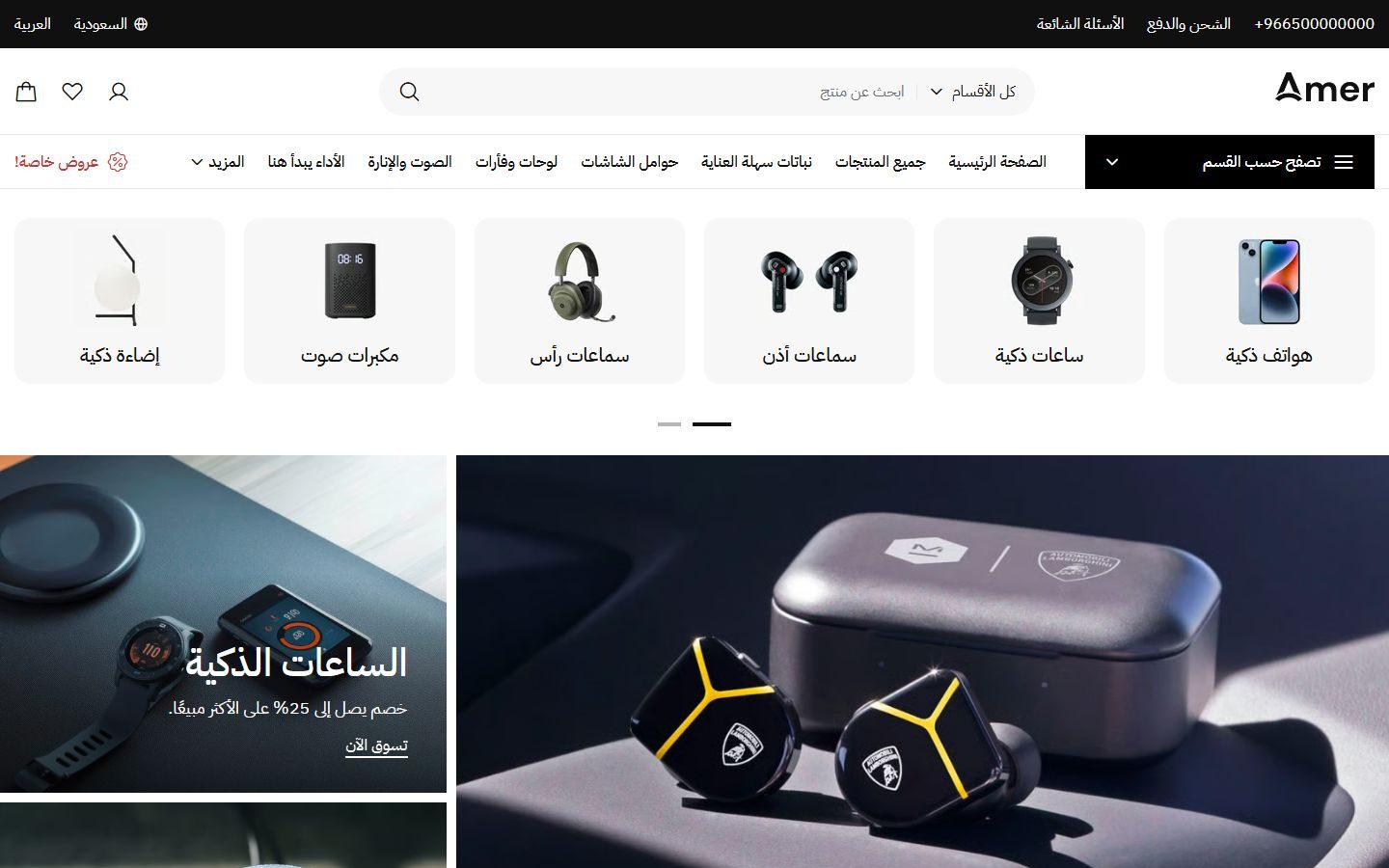
However, so that these fees do not negatively impact your net profits, you must review your product pricing strategy. This does not necessarily mean raising prices directly and abrasively; rather, it means accurately calculating profit margins to accommodate payment gateway and installment fees. You must have a flexible pricing structure that allows you to offer these services without entering the loss zone. Sometimes, it might be smart to increase the price by a very small, unnoticeable percentage to cover part of these costs, while focusing on the added value the customer receives. To help you build a strong pricing strategy that protects your profits, we recommend reading our article on Product Pricing: How to Determine the Right Profit Margin?, where you will find formulas and practical methods for calculating hidden and apparent costs.
Another important aspect of cost management is comparing the return on investment (ROI) in installments versus other marketing channels. We often find that the conversion rate for customers using Tabby and Tamara is significantly higher than others, meaning you spend less on ads to convince them to buy. Additionally, these platforms themselves provide a store directory (Marketplace) within their apps, exposing your store to millions of active users for free or at a low cost. This additional exposure is considered a massive marketing value that may offset and exceed the value of the fees paid. Therefore, when evaluating economic feasibility, look at the big picture: increased sales, higher average cart value, and reduced marketing costs, not just the deducted commission percentage.
Best Practices for Marketing the Installment Option in Your Store
It is not enough to merely activate Tabby or Tamara in the backend of your Zid or Salla store and wait for results; you must promote this feature smartly and effectively at every customer touchpoint. Start from the store's homepage: place clear, attractive banners announcing the availability of the installment payment option. Use motivating phrases like "Shop now and split your bill into 4 interest-free payments." This early announcement reassures the visitor from the very first moment they enter the store that money will not be an obstacle, encouraging them to browse products that might be outside their immediate budget. The visual repetition of installment company logos reinforces trust and keeps the option present in the customer's mind throughout their shopping journey.
On product pages, which is where the customer makes the purchasing decision, the installment widget must be clearly visible below the original price. Platforms like Zid and Salla provide excellent technical integration that automatically displays the phrase "or split it into 4 payments of X SAR" once the service is activated. Ensure this text is clear, readable, and does not disappear on mobile phones. Additionally, leverage your advertising campaigns on social media platforms to promote the ease of payment. When launching an ad for an expensive product, don't just mention the full price; focus the ad copy and design on the monthly installment value. This approach attracts a wide segment of customers looking for accessible financial solutions.
Don't forget to use email marketing and WhatsApp messages to remind customers of this feature. If you have a list of customers who haven't purchased in a while, send them a promotional message for new products, emphasizing the possibility of installments. This type of message is a strong motivator to return and buy. You can also take advantage of holiday seasons and paydays to roll out special offers for Tabby and Tamara users. To ensure your store is technically and legally ready to activate these services and build the necessary trust with customers and financial companies, it is essential that your official paperwork is complete. You can review our guide on Store Verification in Salla and Zid: Steps to Issue the Registry and Certificate to ensure the integration process runs smoothly and without legal hurdles.
Conclusion: The Future of Commerce is in Financial Flexibility
In conclusion, it is clear to us that installment payment options like Tabby and Tamara are no longer just a passing "trend," but have become a fundamental pillar in the structure of modern e-commerce in the Arab world. It is a strategic tool that enables you to break down price barriers, build trust with customers, and significantly increase your sales value. The smart merchant is the one who does not view these services as an additional financial burden, but as a partner in success that contributes to the store's growth and the expansion of its audience base. By understanding consumer psychology, applying the right pricing strategies, and effectively marketing this feature, you can transform your store from a mere display space into a preferred shopping destination for many.
Always remember that e-commerce relies on a comprehensive experience. Providing a good product alone is not enough; the purchasing and payment experience must be as seamless and convenient as possible. The Zid and Salla platforms have provided tremendous technical facilities to integrate these services with the click of a button, removing the technical burden from your shoulders and leaving you room to focus on what you truly excel at: selling your products and serving your customers. Leverage these available tools, experiment with different strategies, and monitor the numbers and analytics to know what suits your audience best.
Start today by reviewing your store: is the installment option clear to the customer? Are you using it in your ads? Have you priced your products to ensure profitability despite the fees? Answering these questions and applying the tips provided in this article will put you on the right track toward achieving qualitative leaps in your sales. Do not leave money on the table, and do not let a customer leave your store due to a price barrier. The solutions are available and at your fingertips; all you need is planning and smart execution.