



In the fast-paced e-commerce world, online stores face a continuous challenge represented in rising new customer acquisition costs, where paid ads on social media platforms have become more expensive and complex than ever before. Here affiliate marketing emerges as one of the strongest and most cost-effective strategic solutions, relying on the principle of paying for actual performance, meaning you don't pay any marketing amounts until the sale is successfully completed. This mechanism ensures store owners protect their marketing budgets from waste and direct them toward achieved and confirmed sales.
For merchants in Saudi Arabia and the Arab Gulf, platforms like Salla and Zid have offered advanced technical solutions making launching and managing affiliate marketing programs extremely easy and professional. The merchant no longer needs complex programming or expensive external systems to track sales and calculate commissions, but can through their store dashboard launch an integrated program attracting thousands of marketers. This technical development has widely opened the door for emerging and medium stores to compete with major brands by building an army of marketers promoting their products around the clock.
The success of an affiliate marketing program doesn't only depend on activating the technical tool, but requires a clear strategy starting from defining the commission structure, through choosing suitable marketers, all the way to providing marketing materials helping them convince the audience. In this comprehensive guide, we'll take you on a detailed step-by-step journey to build a successful affiliate marketing program in your Salla or Zid store, sharing with you the best practices ensuring you achieve the highest possible return on your investment, while maintaining your brand identity and its strong presence in the digital market.
The Concept of Affiliate Marketing and Its Essential Importance for Salla and Zid Stores
Affiliate marketing is a strategic partnership between your online store and individuals or external entities (marketers) who promote your products in exchange for a percentage or fixed amount per sale completed through them. This partnership creates a mutually beneficial environment where the marketer gets a sustainable source of income based on their effort, while your store gets additional sales without needing to pay upfront advertising costs. In the environment of Salla and Zid platforms, this process is organized completely smoothly through custom tracking links or unique discount codes automatically linked to the marketer's account, ensuring commission calculation accuracy and transaction transparency.
The essential importance of affiliate marketing manifests in its superior ability to reduce financial risks associated with traditional advertising campaigns. Instead of paying thousands of riyals on ads that may not achieve the desired return, here you pay only when you profit. To maximize the use of this system, your store must be prepared to receive visitors and convert them into buyers. Here you can review our comprehensive guide on the secrets of increasing Conversion Rate to ensure marketers' efforts don't go in vain. The store with high conversion rate encourages marketers to exert more effort because they realize that the visitors they send will actually buy.
Additionally, affiliate marketing plays a decisive role in building trust and credibility for your brand. When a trusted blogger or content creator recommends your products to their followers, they transfer part of their credibility to your store. This type of recommendation (Word of Mouth) is much stronger than direct ads launched by the brand itself. Moreover, affiliate marketing helps you reach new audience segments and specialized markets perhaps you wouldn't have reached through your usual marketing channels, expanding your customer base organically and sustainably.
How Does the Affiliate Marketing System Work in E-commerce?
The affiliate marketing mechanism starts when the merchant creates a dedicated program and defines its terms, like commission percentage, cookie validity period, and products included in the program. After that, the marketer joins the program and gets their own tools, usually either unique tracking links (UTM Links) or custom discount codes. The marketer integrates these links or codes in their content, whether via blog articles, YouTube videos, or social media posts, and starts directing their audience toward your store.
When the potential customer clicks the marketer's link or uses their discount code to complete the purchase, the technical system on Salla or Zid platform immediately records this operation and links it with the marketer's account. Here the importance of having a smart pricing strategy emerges, allowing you to offer rewarding commissions to marketers without harming your basic profit margin. If you're facing a challenge in this aspect, we recommend reviewing the Product Pricing guide to learn how to set profit margins effectively supporting marketing programs and partnerships. After order confirmation, customer receipt of their product, and end of the allowed return period, the commission becomes due for payment to the marketer.
The system's work cycle is completed by the payment and account settlement process, where e-commerce platforms provide detailed reports for each marketer clarifying the number of visits, number of orders, total sales value, and due commissions. The merchant reviews these reports and transfers amounts to marketers periodically (e.g., end of each month). Transparency and commitment to payment deadlines are the cornerstone in the continuity of this cycle successfully — the marketer who receives their dues regularly and without complications will multiply their efforts to promote your store and will prefer it over competing stores that may stall in paying commissions.
Practical Steps to Launch the Affiliate Marketing Program on Salla and Zid Platforms
Launching a professional affiliate marketing program requires prior preparation before activating the technical buttons in the dashboard. The first and most important step is ensuring your store's readiness operationally and marketing-wise. The store interface should be attractive, product descriptions should be clear and convincing, and user experience should be smooth from the moment of entering the site until completing payment. The professional marketer will examine your store before agreeing to promote it, because they don't want to risk their reputation with their audience by directing them to a slow, unprofessional store, or one suffering from customer service problems.
The second step is determining the commission policy and terms and conditions of your program. Will you offer a fixed commission (e.g., 50 riyals per order) or a percentage (e.g., 10% of cart value)? This depends on your products' nature and profit margins. Clear rules should also be defined to prevent wrong practices, like preventing marketers from making paid ads on your brand name in search engines to avoid competing with you. To expand your campaign scope, you can integrate this program with other strategies, where Influencer Marketing is considered a natural extension of affiliate marketing, where you can grant influencers tracking discount codes working as a special commission program for them.
The third step is setting up a dedicated landing page inside your store directed at marketers themselves. This page should clearly explain the advantages of joining your program, commission rates, registration method, and payment dates. This page is considered your recruitment interface, and the more professional and clear it is, the greater your chance of attracting high-quality marketers. Don't forget adding an FAQ section to save your time and the marketers' time, and clarifying dedicated communication channels to support marketers if they face any technical issues or inquiries about products.
Setting Up and Customizing the Program Inside the Store Dashboard
On Salla platform, the affiliate marketing program setup process is characterized by extreme ease thanks to the Salla Marketers app and third-party apps available in the app store. You can through the dashboard go to the marketing section, then choose affiliate marketing. From there, you can add new marketers, specify commission type (percentage or fixed amount), and assign a private discount code or tracking link to each marketer. The powerful feature in Salla is your ability to exclude certain products from commissions (like already discounted products), and specify a minimum cart value for commission calculation, giving you full control over your profitability.
As for Zid platform, you can manage affiliate marketing programs through the Zid app market which provides multiple options for linking with professional affiliate marketing systems, plus integrated features to create tracking discount codes. Zid's system allows you to create custom links for campaigns and accurately track each link's performance. When setting up the program on Zid, ensure linking your analytics system correctly, activate completed order notifications via promotional codes so you can tally commissions at end of each month easily without needing complex manual review of each order separately.
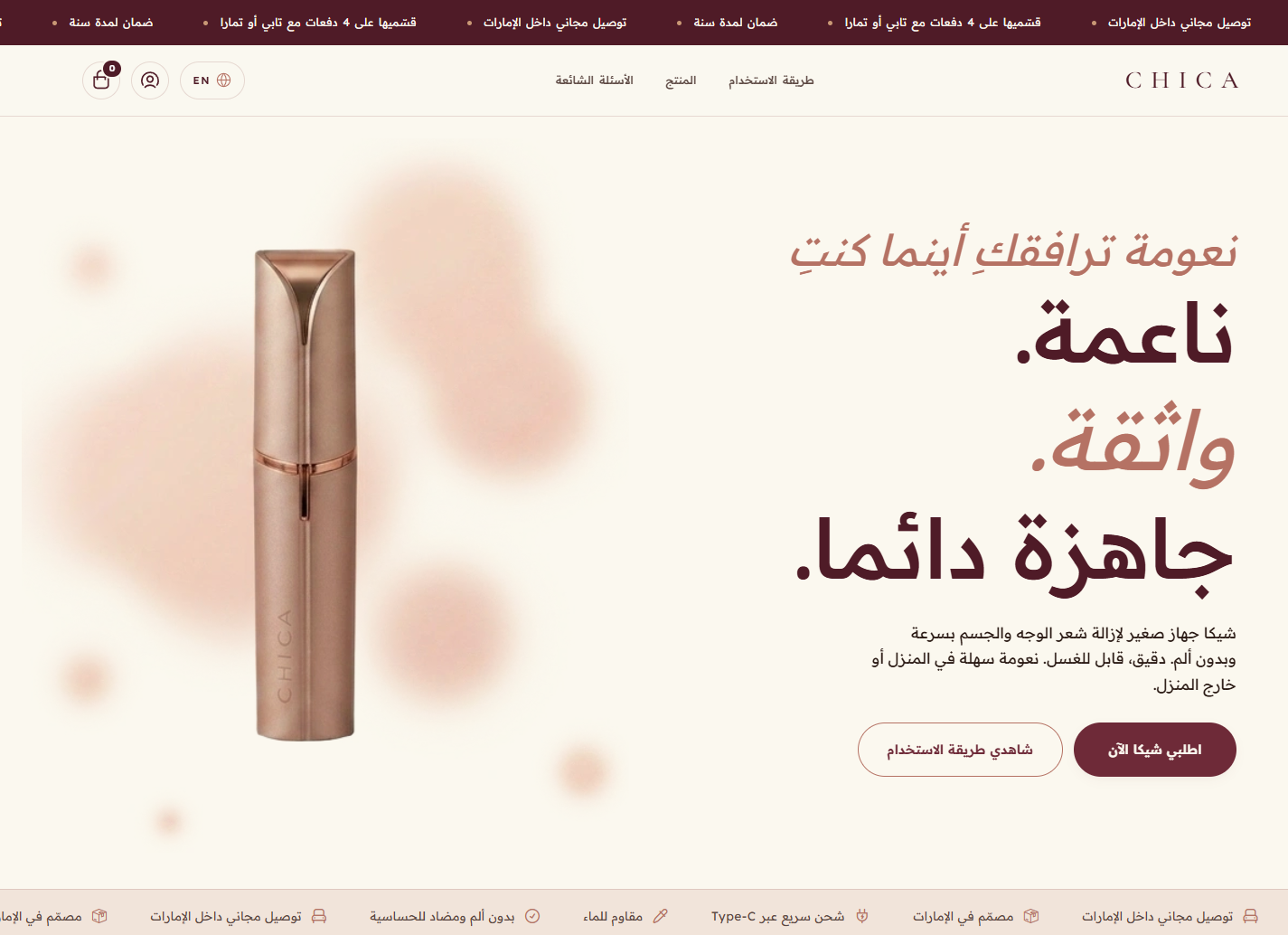
After setting up the system technically on either platform, it's very essential to conduct a comprehensive test before officially launching the program. Create a trial marketer account and use the tracking link or discount code to complete a fake purchase (or real one and cancel it later). Verify that the system calculated the discount for the customer correctly and recorded the commission in the marketer's account with the required precision, and that the order status reflected soundly. This early test saves you a lot of embarrassment and potential problems with your marketer partners when starting actual campaigns and flow of real orders.
- Ensure activating coupons correctly and linking them to the target marketer.
- Set a clear expiration date for the program or coupons so you can evaluate performance and renew it.
- Exclude products with very low profit margins from the commission program to avoid loss.
- Set up an automatic monthly report to summarize each marketer's dues to speed up the payment process.
Strategies to Attract Marketers and Manage Successful Relationships With Them
Building a strong affiliate marketing program doesn't stop at technical setup — the real challenge lies in attracting professional marketers who have the ability to influence and bring sales. The best place to start is your current customer base. The customer who bought your product and liked it is your best potential marketer because they have a real, honest experience. You can send an email or WhatsApp message to distinguished customers inviting them to join your program, converting their loyalty to your brand into an additional income source for them, strengthening their connection to your store unprecedentedly.
The second strategy is actively searching for content creators and bloggers in your field. If you sell beauty products, look for TikTok and Instagram accounts offering reviews for makeup and skincare. Contact them directly and offer them a commission-based partnership. To encourage them, you can send free samples of your products for them to try and review. Remember that professional marketers receive daily offers, so your pitch must be professional, clarifying the size of the available market, conversion rate in your store, and rewarding commissions they can achieve by collaborating with you.
Once marketers join your program, the relationship management phase begins, which is the most important phase to ensure success continuity. Treat your marketers as essential success partners and not just advertising tools. Build effective communication channels with them, like a dedicated WhatsApp or Telegram group for elite marketers. Share with them updates about new products, inform them of upcoming promotional offers before launching them to the public so they prepare, and listen to their notes and suggestions because they are on the front lines with customers and may provide you with very valuable insights to develop your products and services.
Providing Marketers with Marketing Tools and Advertising Materials
One of the biggest mistakes store owners fall into is agreeing to the marketer joining then leaving them to face the audience alone without any support. For the marketer to succeed in bringing sales, you must equip them with an arsenal of ready-to-use marketing materials. Create a cloud folder (like Google Drive) containing high-quality product images with white backgrounds and lifestyle backgrounds, short videos suitable for Reels and TikTok, and banner designs in different sizes suitable for blogs and websites.
Alongside visual materials, marketers need strong textual content to rely on in their marketing messages. Prepare a comprehensive product guide clarifying competitive features (USPs), benefits the customer gets, and how the product solves customer problems. Provide them with examples of successful advertising scripts, and your store's strengths over competitors (like fast shipping, return guarantee, high quality). The less effort the marketer needs to create content, the greater their desire to intensively and continuously promote your products.
Don't stop at providing primary materials only, but be proactive in offering campaign ideas. For example, if back-to-school season or Ramadan approaches, prepare a special marketing package for the occasion and send it to your marketers with suggestions for marketing angles they can focus on. You can also motivate them by launching internal contests among marketers, granting an additional financial bonus to the top 3 marketers in achieving sales during a certain month. These strategies keep marketers' enthusiasm burning and ensure your brand stays at the top of their promotional priorities.
Measuring Affiliate Marketing Campaign Performance and Improving Return on Investment
No marketing campaign can be successfully managed without accurately measuring its performance, and affiliate marketing programs are no exception. Tracking numbers and data is the compass directing your strategic decisions. You must regularly enter your store dashboard on Salla or Zid to review each marketer's performance separately. Numbers will tell you a complete story; if there's a marketer bringing thousands of visits but sales are almost non-existent, this is an indicator that their audience isn't interested in your products, or that their promotional style is misleading. To deeply understand these numbers, we strongly recommend reviewing the Sales Analysis guide which will help you professionally read your store reports.
Among the most important metrics to track are: Click-Through Rate (CTR) for links, Conversion Rate for each marketer, and Average Order Value (AOV) for customers coming via marketers. Often, you'll discover that a small percentage of marketers (80/20 rule) generate the vast majority of your sales. These are the "elite marketers" you should invest in your relationship with them multiplied, perhaps by offering them higher exclusive commissions, or granting them exclusive products to promote before others to enhance their position in front of their followers.
The other side of performance measurement is protection from fraud and monitoring visit quality. Some marketers may resort to unethical practices to increase their commissions, like promoting discount codes on general coupon sites without bringing real value, or making false promises to customers about the product. You should put strict conditions in the program policy preventing these practices, and conduct periodic review of traffic sources. If you notice an abnormal rise in returns for orders coming from a certain marketer, this requires immediate intervention to understand the cause and stop dealing with them if manipulation is proven, preserving your store reputation and financial resources.
Conclusion: A Comprehensive Summary for the Success of the Affiliate Marketing Program
In conclusion, affiliate marketing represents one of the smartest investments an online store owner can make. It converts the fixed costs and high risk of traditional advertising into variable costs linked to actual success and achieved sales. By building a strong network of trusted marketers, you're actually building an army of promoters working around the clock to spread your brand and expand your market share organically and sustainably, relying on credibility and trust the audience gives to these marketers.
Salla and Zid platforms have proven their superior ability to remove technical obstacles that used to face merchants in the past. Today, thanks to integrated tools and helper apps, launching an integrated affiliate marketing program only takes a few simple steps inside the dashboard. However, we must always remember that technology is just a tool, and that real success depends on wise program management, choosing suitable partners, and providing continuous support and attractive marketing materials enabling them to perform their work in the best possible way.
Don't hesitate to start today in planning your store's affiliate marketing program. Start with thoughtful steps, carefully define your profit margins, prepare your store to receive visitors, and look for marketers sharing the same vision and values as you. Continue measuring performance and improving strategies based on accurate data. With patience, commitment, and continuous development, the affiliate marketing program in your Salla or Zid store will transform into one of the most important and strongest revenue sources, ensuring you stable growth and noticeable excellence in the competitive e-commerce market.