



Affiliate Marketing is no longer just a fleeting marketing term; it has become a cornerstone for many startups and large corporations alike, seeking to expand their reach and boost sales in the most cost-effective way. In the fast-paced world of e-commerce, with increasing competition, online store owners are constantly looking for innovative strategies to reach a wider audience without incurring massive upfront advertising costs. This is where affiliate marketing comes in as a golden solution, allowing stores to pay a commission only upon achieving a sale or a specific agreed-upon action, making it a highly efficient and low-risk model.
The importance of this type of marketing is growing particularly in the Arab region, where e-commerce platforms like Zid, Salla, and Shopify are experiencing tremendous growth. Owners of these stores have a unique opportunity to leverage the power of affiliate marketing to enhance their digital presence and achieve sustainable growth. This comprehensive guide will take you on a detailed journey to explore all aspects of affiliate marketing, from understanding its basics to implementing advanced strategies to ensure the success of your affiliate program on Zid and Salla platforms, with a look at how these platforms compare with global options like Shopify in the context of affiliate marketing.

Introduction to Affiliate Marketing
Affiliate marketing is a performance-based marketing model where a merchant (or company) rewards affiliates for each customer they bring to the store or product. This model primarily relies on the "pay-per-result" principle, meaning the merchant pays no upfront marketing costs but only pays when a sale, registration, or another agreed-upon action occurs. This flexibility makes affiliate marketing an attractive option for e-commerce stores of all sizes, especially those operating on platforms like Zid, Salla, and Shopify, where affiliates can use unique tracking links to direct traffic to the store and generate sales.
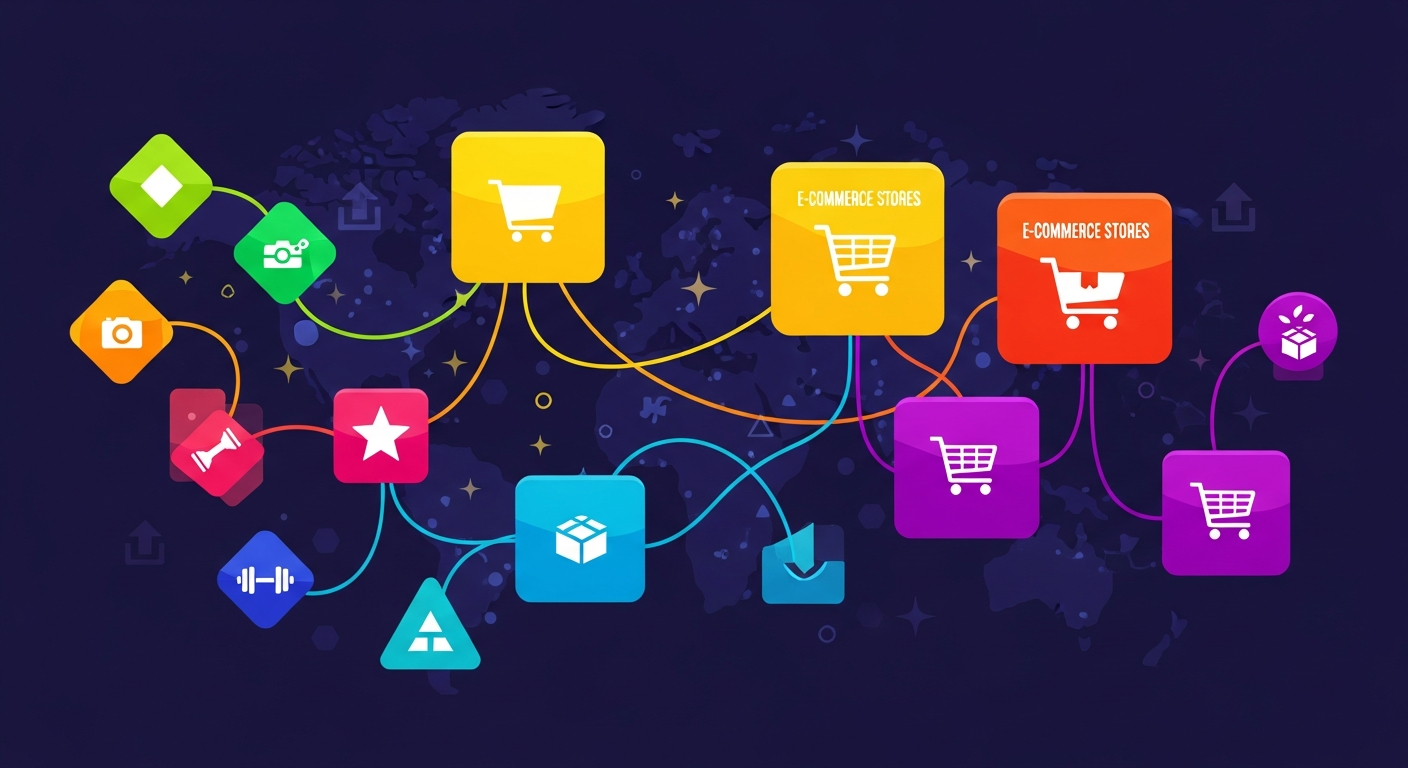
The essence of this model lies in building a network of marketers who act as sales partners for your store. These marketers might be bloggers, social media influencers, review website owners, or even ordinary individuals with the ability to effectively promote your products. Each marketer promotes products or services using their unique link, and when a customer clicks on this link and makes a purchase, the marketer receives a predetermined commission percentage. This mutually beneficial relationship creates a dynamic marketing environment where everyone strives to achieve common goals.
In the Arab market, with the rapid expansion of the e-commerce sector, interest in affiliate marketing is growing as a powerful tool to reach broad segments of consumers. Whether you are selling physical products or digital services, the ability to leverage a wide network of marketers who already have a targeted audience can make a significant difference in your sales volume and brand awareness. Understanding how this system works and implementing it effectively is key to success in this growing field.
Why is Affiliate Marketing a Profitable Strategy for Zid and Salla Stores?
Affiliate marketing is a highly effective and particularly profitable marketing strategy for e-commerce stores operating on platforms like Zid and Salla. One of the main reasons lies in its performance-based nature, which means you only pay when tangible results are achieved. This significantly reduces the financial risks associated with traditional advertising campaigns that require massive upfront investments without guaranteed returns. For nascent stores or those with limited budgets, affiliate marketing offers a golden opportunity for expansion and growth without incurring heavy financial burdens, allowing them to compete more effectively in the market.
Furthermore, affiliate marketing contributes to expanding your brand's reach unprecedentedly. When your store collaborates with a diverse group of affiliates, you benefit from their varied and targeted audiences. Each affiliate has their own network of followers and an audience that trusts them, and when they promote your products, they introduce them to a new segment of potential customers you might not have reached through traditional marketing channels. This diversity in distribution and marketing channels not only leads to increased sales but also enhances your brand awareness and builds its reputation in different circles, giving your store additional credibility.
Another fundamental benefit of affiliate marketing is the enhancement of product credibility and trust. Consumers often rely on recommendations from people they trust, and affiliates, especially specialized influencers and bloggers, build this trust with their audience over time. When an influencer recommends a product from your store, it comes with this stamp of trust, making potential customers more willing to purchase. This trust directly translates into higher conversion rates and a reduced customer acquisition cost. Stores on Zid and Salla can leverage this dynamic to build a strong and loyal customer base, while benefiting from the capabilities of platforms like Shopify that offer advanced tools for managing affiliate programs, putting them in direct comparison with local platforms in terms of features. Store owners can also check out Salla vs. Shopify: Which is Better for Your Store? for a deeper understanding of the available options.
How to Start an Affiliate Marketing Program for Your Store on Zid and Salla?
Launching a successful affiliate marketing program requires careful planning and strategic execution, especially when operating on platforms like Zid and Salla. The first and most crucial step is to define your goals and commission structure. Before you begin, you must have a clear vision of what you want to achieve with your affiliate program. Is your goal to increase sales? Enhance brand awareness? Launch a new product? Based on your objectives, you can determine an appropriate commission structure. The commission should be enticing enough to attract competent affiliates, yet also sustainable for your store. It can be a percentage of the sale value, a fixed amount per sale, or a combination of both, taking into account your product's profit margins. Market research and common commission rates in your industry are essential for making an informed decision.
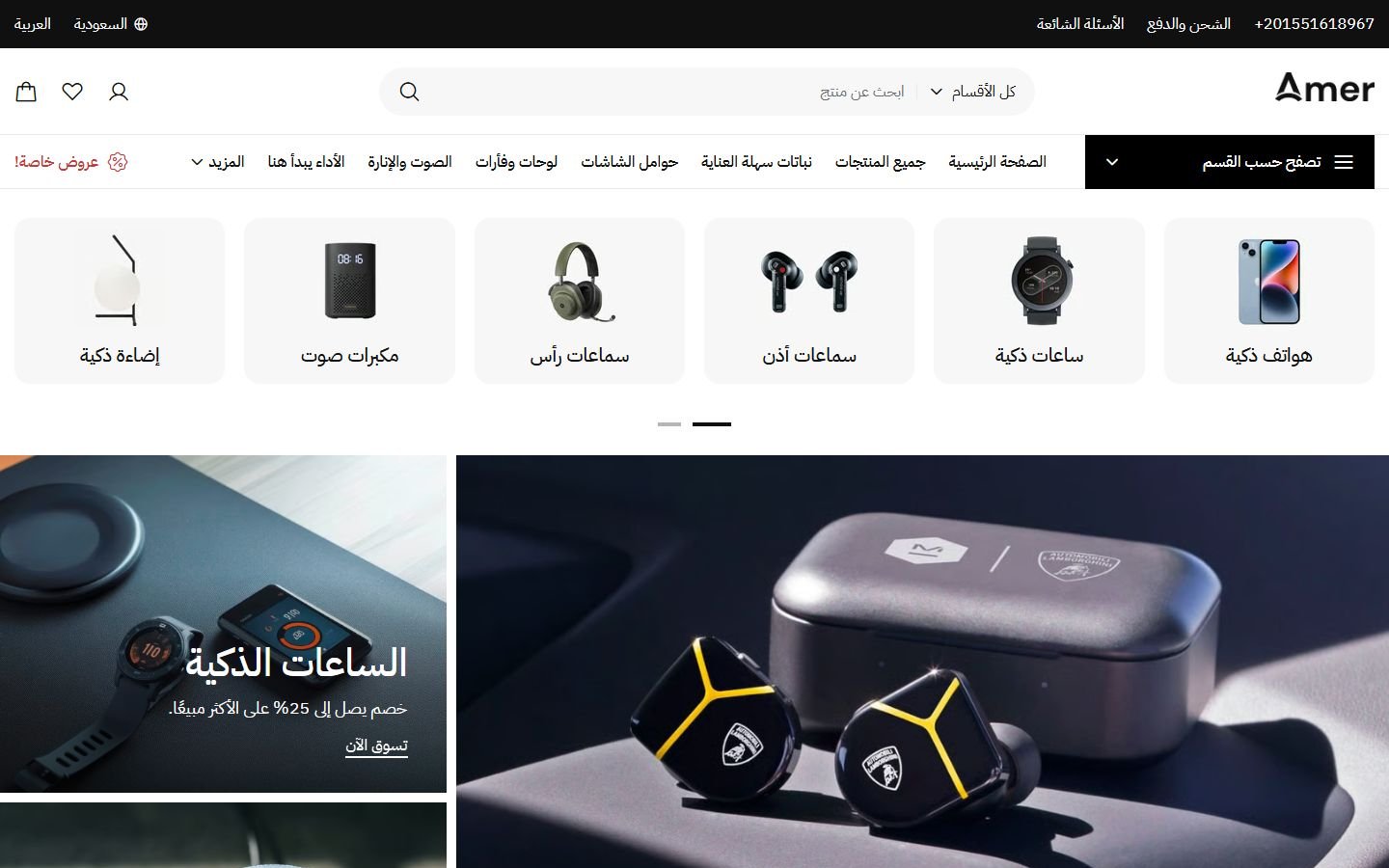
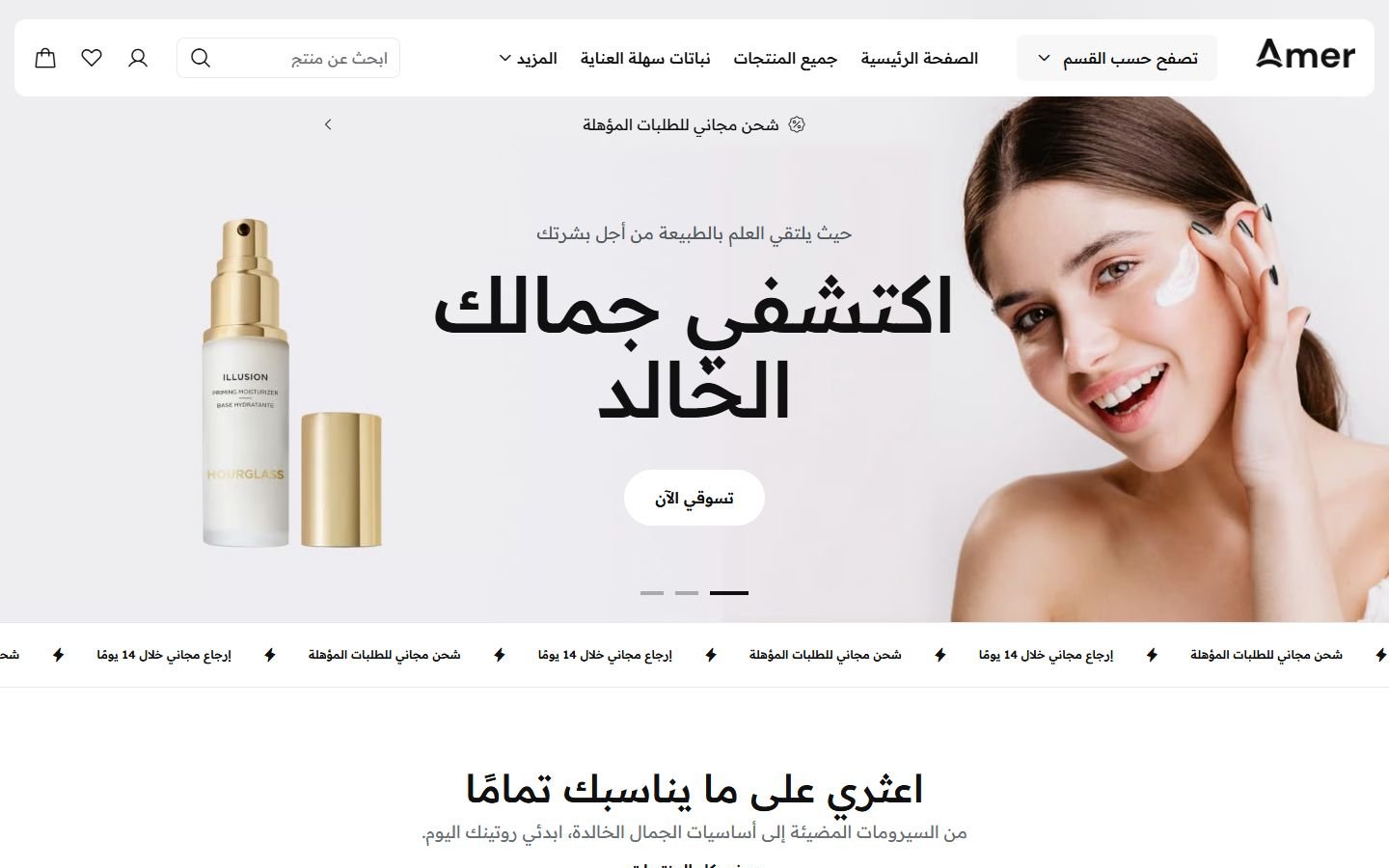
The next step is to choose the right platform to manage your affiliate program. Fortunately, both Zid and Salla offer various options to support affiliate marketing. On Zid, you can use third-party applications available in their app store, or even develop a custom system if you have the resources. Salla also provides integrations with affiliate marketing solutions, in addition to the possibility of using a manual tracking system initially for small stores. Shopify, on the other hand, is known for having a large number of dedicated apps for managing professional affiliate programs, giving Shopify merchants great flexibility. The chosen platform must be capable of accurately tracking sales, managing payments to affiliates, and providing an easy-to-use dashboard for both the merchant and the affiliate. Researching the best integrated solutions for your platform is key to operational efficiency.
Subsequently, you must establish clear terms and conditions for your program. This aspect is as important as defining the commission itself. The terms should include details on how commission is calculated, when it is paid, return and exchange policies and their impact on commission, as well as any restrictions on allowed marketing methods (e.g., prohibiting spam or promoting alcoholic products if not permitted). Clear terms protect both the merchant and the affiliate and ensure a transparent and trustworthy working relationship. These terms should be easily accessible to potential affiliates before they join the program. It's also important to define the cookie duration, which is the period during which a customer is tracked after clicking an affiliate's link, typically ranging from 30 to 90 days depending on the nature of the product.
Recruiting the Right Affiliates
Once your program is structurally ready, the stage of recruiting affiliates begins. This is a critical step for your program's success. Start by searching for individuals or entities whose values align with your brand and who possess a target audience interested in your products. You can look for social media influencers, specialized bloggers in your product niche, or even existing satisfied customers and convert them into affiliates. Utilize affiliate networks if they are available in your region, or create a dedicated affiliate program page on your store to attract potential affiliates. The joining process should be easy and clear, providing all necessary information for new affiliates.
The importance of recruiting the right affiliates lies in the fact that they represent the face of your brand. Affiliates who have credibility and a strong relationship with their audience will achieve significantly better results than those who lack experience or trust. Therefore, focus not just on quantity, but on quality. Building strong relationships with top-performing affiliates can have a multiplier effect on your sales and your store's reputation. Provide them with continuous support and the resources they need to succeed.
Don't stop at initial affiliate recruitment. Continuously expand your network by seeking out rising influencers, new blogs, or even specialized YouTube channels. Partnerships with affiliates who have access to highly niche audiences can often be more effective than partnering with large influencers who have general audiences. Remember, the goal is to reach potential customers who are most interested in your products. Zid and Salla stores can greatly benefit from Influencer Marketing: Your Guide to Increasing Zid and Salla Sales strategies, as affiliate marketing significantly overlaps with this field.
Providing Tools and Resources
To ensure the success of your affiliates, you must provide them with the necessary tools and resources. This includes providing ad banners, high-quality product images, ready-made ad copy, special discount codes for them, as well as valuable marketing content such as blog articles or videos they can use to promote your products. The better and more professional the materials you provide, the easier it will be for affiliates to effectively promote your products. These resources should be easily accessible and downloadable through your affiliate's dashboard.
In addition to marketing materials, continuous support and communication are crucial. There should be a dedicated team or person to handle affiliate inquiries, provide technical assistance, and keep them informed about new products or upcoming promotions. Building a strong and trustworthy relationship with affiliates enhances their loyalty and motivates them to put more effort into promoting your store. Online training sessions or small workshops can also be beneficial to introduce affiliates to your products and offer tips on the best ways to promote them.
Providing regular performance data and analytics to affiliates can be a great motivator for them to improve their strategies. When affiliates clearly see the performance of their links and sales, they can understand what works and what doesn't, thereby adjusting their marketing efforts for maximum return. Platforms like Zid, Salla, and even Shopify typically provide affiliate dashboards that display these statistics. Ensuring these dashboards are user-friendly and provide valuable information is an essential part of supporting your affiliates.
Tracking Performance and Continuous Improvement
The final, but most important, step is to track performance and continuously improve your affiliate marketing program. You should regularly monitor key performance metrics, such as click-through rates, conversion rates, average order value, and total revenue generated by each affiliate. Use the analytical tools available on Zid and Salla platforms, or in external applications you use, to gain deep insights into your program's performance. Identifying top-performing affiliates and understanding their strategies can help you replicate success with others.

Based on the data you collect, make adjustments and improvements to your program. This might include modifying commission rates, offering additional incentives to outstanding affiliates, improving marketing materials, or even reconsidering program terms and conditions. Don't be afraid to experiment with different strategies to see what yields the best results. For example, you might find that offering higher commissions on certain products leads to a significant increase in their sales. Be flexible and ready to adapt to market changes and affiliate performance.
Open communication with your affiliates is vital at this stage. Ask for their feedback and suggestions on how to improve the program. They may have valuable insights from their direct experience with the audience. Organizing regular meetings or surveys can help gather this feedback. Remember that an affiliate marketing program is a partnership, and successful partnerships are built on mutual communication and trust. Through continuous tracking and improvement, you can ensure your program remains effective and profitable for your store in the long run.
Success Strategies for Affiliate Marketing on Zid and Salla Stores
To maximize the benefits of an affiliate marketing program on platforms like Zid and Salla, store owners must adopt effective strategies that ensure attracting the right affiliates and motivating them to achieve optimal performance. One of the most important strategies is to carefully select the right affiliates. It's not about quantity as much as it is about quality and suitability. Look for affiliates whose audience demographically and interest-wise aligns with your target customers. Affiliates who have high credibility in their field and who build trusting relationships with their followers are most capable of converting followers into buyers. Avoid affiliates who focus solely on quantity without considering audience quality or genuine engagement.
Another crucial strategy is to offer attractive commissions and additional incentives. The commission rate should be rewarding enough to attract the best affiliates and motivate them to put in their best effort. Don't hesitate to offer higher commissions to top-performing affiliates or additional bonus programs when certain goals are met. For example, you can offer an extra financial bonus when an affiliate exceeds a certain number of sales per month, or gradually increase the commission rate based on sales volume. These incentives create a healthy competitive environment and encourage affiliates to excel, which benefits your store. Remember that investing in good commissions is an investment in your sales growth.
Additionally, providing high-quality and diverse marketing content to affiliates is indispensable. The better and more appealing the marketing materials you provide to your partners, the easier it will be for them to promote your products. Don't just provide basic product images; furnish them with explanatory videos, multiple ad texts, ready-made blog articles discussing product benefits, user guides, and even customer success stories. These materials should be easy to customize to suit each affiliate's style. Remember that affiliates are an extension of your marketing team, and the more you equip them with the right tools, the greater their chances of success and your store's success. Platforms like Zid and Salla allow you to easily upload these materials within the merchant dashboard, and affiliates can access them via their own dashboards, simplifying coordination. You can also leverage TikTok Ads: Your Guide to Boosting Zid and Salla Sales as a marketing channel that affiliates can effectively utilize.
Effective Communication and Continuous Support
Effective communication and continuous support are fundamental pillars of a successful affiliate marketing program. Communication channels between you and your affiliates must be clear and open. Create a dedicated group for affiliates on messaging apps, or send regular email newsletters to keep them informed about the latest updates, new products, promotions, or changes in program policies. Promptly responding to their inquiries and providing necessary technical assistance enhances their trust and loyalty to your brand. Remember that affiliates are partners in success, and treating them as such will bring significant benefits to you.
Furthermore, you must continuously analyze and improve your program's performance. It's not enough to launch a program and leave it to run on its own. Regularly review analytical data to identify any weaknesses or opportunities for improvement. Which products are selling well through affiliates? Which channels achieve the best conversion rates? Are there affiliates who need additional support or training? Use these insights to adjust your strategies, whether it's changing commission rates, targeting new types of affiliates, or improving your marketing materials. Flexibility and willingness to adapt are key to long-term success in the world of affiliate marketing.
Finally, encourage affiliates to use diverse marketing channels. Encourage your affiliates not to limit themselves to one channel for promotion. While some may prefer blogs or product reviews, others may excel in social media marketing like Instagram and TikTok, or through email campaigns, or even podcasts. Providing multiple options for affiliates gives them the freedom to use the channels they master and through which they effectively reach their audience. You can also guide them towards best practices for each channel and help them optimize their strategies. This diversity ensures wider reach for your products and increases opportunities for sales.
Challenges of Affiliate Marketing and How to Overcome Them
Like any marketing strategy, affiliate marketing is not without its challenges that store owners on platforms like Zid and Salla may face. One of the most prominent challenges is fraud and invalid clicks. Some unscrupulous affiliates may attempt to generate fake clicks or sales to receive undeserved commissions. This can drain your program's budget and undermine your trust in the system. To overcome this challenge, you must invest in robust and advanced tracking systems capable of detecting suspicious activity. Use data analytics tools to carefully monitor traffic sources and user behavior. Establishing strict terms and conditions that clearly define what constitutes invalid activity and impose penalties on violators is essential to protect your store.
Another significant challenge is selecting unsuitable affiliates. Collaborating with affiliates whose values do not align with your brand or who promote your products unprofessionally can harm your store's reputation. To overcome this, you must conduct a thorough screening process for potential affiliates before accepting them into your program. Check their track record, content quality, and audience engagement. Do not hesitate to reject affiliates who do not seem suitable, and focus on building strong relationships with trustworthy and reputable affiliates. Investing in initial research saves you a lot of trouble in the long run and ensures your brand is in safe hands.
Furthermore, managing a large number of affiliates can pose a logistical challenge, especially for stores without a dedicated team for this purpose. Tracking performance, processing payments, providing support, and communicating with dozens or hundreds of affiliates can be overwhelming. To address this challenge, use affiliate management systems or third-party applications available on platforms like Zid, Salla, and Shopify. These tools are designed to streamline these processes, from link tracking to commission calculation and payment issuance. The more automated and efficient your system, the more affiliates you can manage effectively without significant additional human resources.
Tracking and Competition Challenges
Accurate performance tracking is another technical challenge. Tracking errors can occur due to browser settings, cookie blocking, or the use of inaccurate tracking technologies. This can lead to uncounted sales due to affiliates, causing them to lose trust in your program. To overcome this, ensure your tracking system is reliable and uses the latest technologies. Conduct regular tests to ensure all links are working correctly and sales are being accurately counted. Transparency in tracking with affiliates is vital for maintaining a good working relationship. Use dashboards that allow affiliates to monitor their performance in real-time.
Finally, intense competition presents an ongoing challenge. With the increasing popularity of affiliate marketing, more stores are launching their own programs, meaning affiliates have more options. To outperform competitors, your program must be attractive and distinctive. Offer better commissions, unique products, exceptional marketing materials, and excellent support. Building strong relationships with top affiliates and maintaining their loyalty is key to staying ahead of the competition. Look for innovative ways to incentivize affiliates, such as organizing contests or special bonus programs. Remember that building a successful affiliate program requires continuous investment in its development and improvement.
In addition to the above, store owners may face the challenge of ensuring the quality of promotional content created by affiliates. While granting them freedom of expression, some may deviate from the core marketing message or provide inaccurate information. To overcome this, clear guidelines for acceptable and unacceptable content must be established, and it is preferable to review some marketing materials before publication, especially for new affiliates. Providing customizable content templates can help affiliates stay within the required framework while allowing them to add their personal touch. This ensures that all marketing efforts reflect a positive and professional image of your brand.
In conclusion, affiliate marketing presents a golden opportunity for e-commerce stores, especially those operating on platforms like Zid, Salla, and Shopify, to achieve sustainable growth and increased sales with minimal risk. In this comprehensive guide, we have reviewed all aspects related to this powerful strategy, starting from its definition and importance in the Arab market, to how to launch a successful program and apply best practices to overcome potential challenges. Adopting a performance-based approach means you are investing in tangible results, making it a cost-effective model with a high return on investment.
Remember that the key to success in affiliate marketing lies in meticulous planning, selecting the right affiliates who align with your brand's values, and offering attractive commissions and incentives. Equally important is providing high-quality marketing tools and resources, and building strong, open communication channels with your partners. Most importantly, commit to continuous performance analysis and adaptation to changes, as affiliate marketing is not a program launched once and forgotten, but rather a dynamic partnership that requires continuous nurturing and development to ensure sustained success.
By implementing these guidelines and strategies, your store on Zid or Salla can open new horizons for reaching a wider audience, building strong brand credibility, and achieving a surge in sales. Harness the power of affiliate marketing to transform marketers into ambassadors for your brand, and let them help you build an inspiring success story in the growing world of e-commerce. Start building your own program today, and see how affiliate marketing partnerships can propel your store to new heights of growth and profitability.