




Have you ever monitored your online store dashboard eagerly and noticed that there are dozens of customers who add products to the shopping cart but suddenly leave the store without completing payment? This phenomenon known as abandoned carts is one of the most frustrating challenges facing online store owners in the Arab world. Seeing the customer reach the last step then retreat means you succeeded in marketing, grabbing attention, and convincing the customer of the product, but there's a missing link in the last moments that prevented closing the deal successfully.
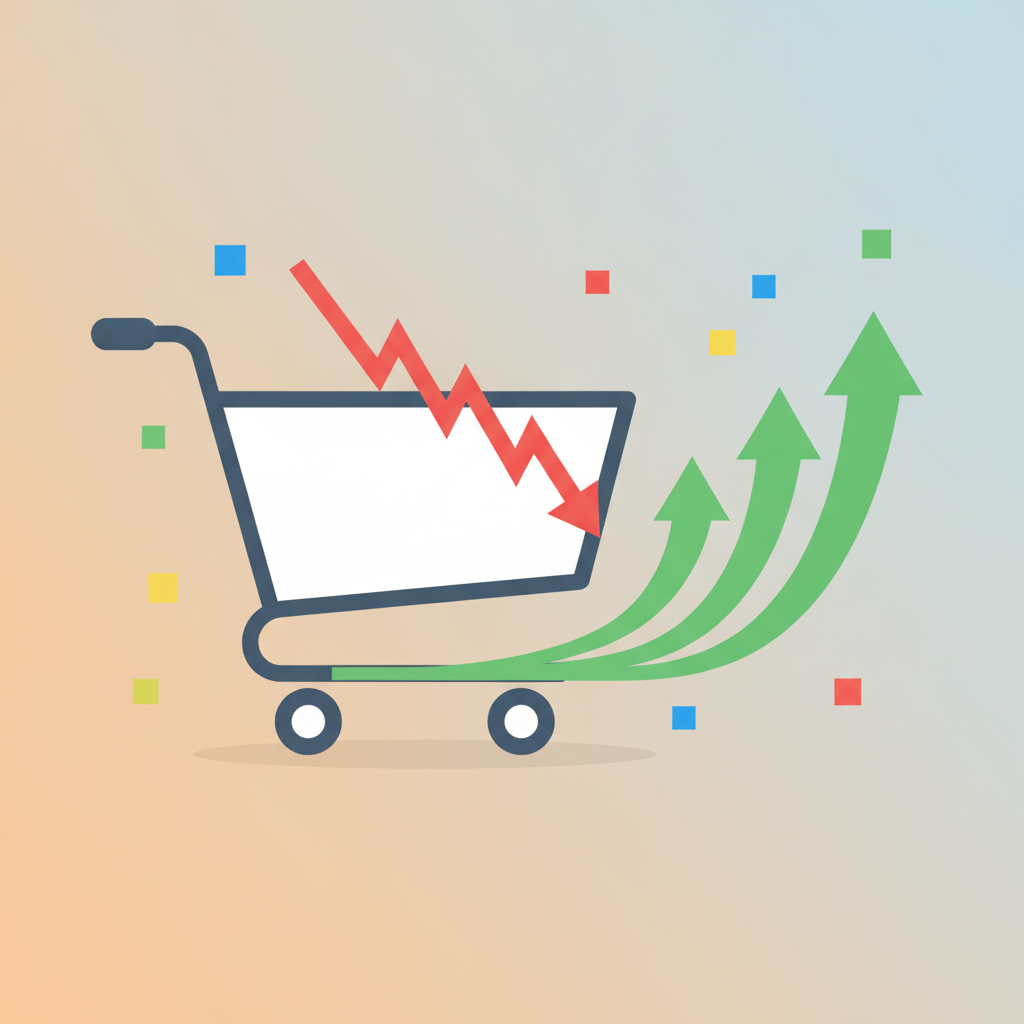
In today's e-commerce world, especially through locally leading platforms like Zid and Salla, abandoned carts should never be viewed as just lost sales or marketing failure — they are actually golden hidden opportunities waiting for someone to invest in them smartly. Global and local statistics indicate that the abandoned cart rate may exceed seventy percent in some business sectors, meaning recovering just a small part of these customers can create a huge leap in your total monthly and annual profits — without needing to spend huge additional budgets on advertising campaigns to attract new customers.
Dealing with this phenomenon professionally requires deep understanding of digital consumer behavior and the hidden reasons pushing them to retreat in the last moments before payment. By applying carefully thought-out strategies and using available integrated technical tools, you can convert these hesitant ones into permanent customers loyal to your brand. For a broader and more comprehensive view of how to maximize benefit from your current store visitors, you can review our specialized article on Improving Conversion Rate: Double Your Salla and Zid Sales, which will put you on the right path to build a smooth and ideal purchase journey ensuring reducing cart abandonment rates to the minimum possible from the start.
Understanding the Abandoned Cart Phenomenon in E-commerce and Its Real Causes
To be able to effectively address the abandoned cart problem, we must first dive into the depths of this phenomenon and understand the psychological and practical dimensions surrounding it. The customer journey usually starts by viewing an ad or marketing content, then clicking it to visit the store, followed by browsing products and choosing what suits them, reaching adding the product to cart. These steps require effort and time from the customer, confirming that the purchase intent existed and was strong. When the customer abandons the cart after all this effort, this is an alarm bell indicating a sudden obstacle or emergency hesitation that the merchant must discover and solve immediately.
It's very important for store owners to distinguish between types of customers who leave their carts. There's a category known as Window Shoppers, who are people who add products to cart just to save them or know the total cost as a kind of entertainment without real immediate purchase intent. But the most important and impactful category is high-intent buyers, who were actually ready to enter their credit card data if an external or internal factor hadn't intervened and spoiled the experience. Focusing on this second category is what brings real returns, as they only need a simple push or kind reminder to complete the purchase.
Salla and Zid platforms provide advanced dashboards allowing merchants to track these abandoned carts with extreme precision. Through these tools, you can know specific products that were left, cart value, when the customer left, and even the precise stage where they stopped — whether it was the address entry stage, choosing shipping method, or the final payment step. Analyzing this data periodically and continuously gives you a clear view of malfunction areas in your store, helping you make decisions based on real data instead of random guessing, paving the way for successful marketing interventions.
Psychological and Technical Reasons Behind Customer Cart Abandonment
The reasons pushing customers to abandon their shopping cart vary, foremost being psychological factors related to trust and pricing. Often, customers are surprised at reaching the checkout page by additional fees that weren't clear from the start, like unexpected taxes or very high shipping costs compared to the product's value itself. These negative surprises break the trust barrier between customer and store, making them feel exploited, pushing them to leave immediately to search for other alternatives. To learn more about how to smartly and transparently price your products and services, we recommend reading our guide on Pricing Strategies to Increase Salla and Zid Profits to avoid these fatal mistakes.
Alongside psychological factors, technical obstacles and user experience play a decisive role in completing or losing sales. If the payment process in your store is complex and requires many steps, or forces the customer to create a new account and fill long, boring forms, the cart abandonment probability rises rocket-like. Today's digital customer is characterized by impatience and seeks complete speed and comfort. Additionally, technical problems like slow checkout page loading, or unavailability of locally preferred payment options like Mada and Apple Pay, may frustrate the customer and push them to cancel the idea entirely.
To clarify the picture better and facilitate the diagnosis process for store owners, we've summarized the most prominent common reasons leading to exacerbating the abandoned cart phenomenon in e-commerce, which must be continuously reviewed and ensured your store is free of them to guarantee a friction-free user experience. These reasons include the following fundamental points directly affecting the customer's final purchase decision and determining the fate of your sales.
- Sudden additional costs like high shipping fees or taxes not previously clarified on the product page.
- Forcing the customer to create a new account instead of providing the fast guest checkout option to save time and effort.
- Length and complexity of the order completion process and multiple pages the customer must go through before payment.
- Limited available payment options and lack of support for fast digital wallets currently preferred by shoppers.
- Absence of clear return and exchange policies, planting doubt and fear in the customer about risk-taking.
- Weak trust in site security and lack of security certificates and trusted, known payment gateway logos.
Strategies to Recover Abandoned Carts via Salla and Zid Platforms
After recognizing the root causes of the problem, we now move to the practical side represented in effective recovery strategies. The basic idea here relies on the smart retargeting concept, aimed at reminding the customer of what they left behind in a professional and non-annoying way. On Salla and Zid platforms, integrated tools and helper apps are available allowing fully automating this process, so the system works on your behalf to send pre-scheduled reminder messages to customers who didn't complete their orders, saving you a lot of manual time and effort and ensuring not missing any sales opportunity.
Timing is considered the most important and sensitive factor in the success of any abandoned cart recovery campaign. Sending the reminder message too early may annoy the customer who perhaps just went to get their credit card, while sending it too late may mean the customer has already bought the product from another competitor or completely lost interest. So e-commerce experts recommend applying the three-stage strategy: a gentle first message one hour after cart abandonment, a second message including an incentive after twenty-four hours, and a final message creating a sense of urgency after forty-eight hours.
Beyond timing, customization plays a pivotal role in increasing response rates to these campaigns. The message addressing the customer by their personal name and showing them clear images of specific products they left in their cart achieves much better results than generic and vague messages. The customer should feel that this message was designed specifically for them and isn't just a random ad. To dive deeper into the precise technical steps for setting up these campaigns, you can review our detailed guide on Abandoned Carts: Recovery Steps on Salla and Zid to start immediate application.
Using Direct Marketing Channels to Reach the Customer
Email marketing remains one of the oldest, strongest, and most professional channels to recover abandoned carts. Through email, you can design visually attractive messages containing product images, previous customer reviews to boost trust, and a clear, large button calling for action and returning to the cart. The secret to email success lies in writing an attention-grabbing and intriguing subject line forcing the customer to open it, like "Did you forget something important?" or "Your favorite products are waiting before stock runs out," with care that the message content is friendly and offers help if the customer faced a technical problem.
Conversely, in the Arab and Gulf market specifically, the WhatsApp app sits on the throne of the most effective and fast-response communication channels. WhatsApp messages stand out with phenomenal open rates exceeding ninety percent, making it the secret weapon for Salla and Zid merchants. Sending a quick and direct reminder via WhatsApp with a direct link to the customer's cart can achieve immediate conversions. To learn the secrets of this type of marketing and how to legally and effectively exploit it, don't miss reading our comprehensive article on WhatsApp Marketing: Your Guide to Boosting Salla and Zid Sales which will change your way of communicating with your customers.
Alongside email and WhatsApp, SMS and push notifications are indispensable complementary channels in your strategy. SMS stands out with immediate arrival even without internet connection, and is ideal for offering fast discount offers or exclusive time-limited discount coupons. To ensure executing an integrated and successful recovery campaign across these multiple channels, we recommend following the next strategic sequence proven effective with thousands of successful online stores.
- Sending an initial kind reminder via email or simple WhatsApp message after one hour to confirm no technical problems faced the customer.
- Sending a second message after twenty-four hours including a special offer like free shipping or a certain percentage discount to encourage the hesitant customer to make the decision.
- Activating advertising retargeting campaigns via social media platforms to display products the customer left in front of them while browsing Facebook or Instagram.
- Sending a final SMS after forty-eight hours creating a sense of urgency, like alerting that quantity is about to run out or that the discount code will end soon.
- Accurately analyzing campaign results to know which channels achieved the highest response and conversion rate, and using this data to improve future campaigns.
Proactive Steps to Reduce Cart Abandonment Rate in Your Store
As is always said, prevention is better than cure, and this principle applies perfectly to abandoned cart management. Instead of totally relying on recovery efforts after the customer leaves, the smart merchant must take proactive steps to improve user experience and reduce the likelihood of cart abandonment from the start. These steps begin with simplifying the checkout page and removing any distracting elements that may divert customer attention from the main goal of completing the purchase. Salla and Zid platforms offer excellent options to activate fast one-page checkout, which must be exploited to speed up the process and make it as smooth as possible.
Building trust and credibility is the first defense line against abandoned carts. The customer who feels safe won't hesitate to enter their banking data. Therefore, you must ensure displaying secure payment gateway logos clearly, providing security certificates, plus displaying real reviews from previous customers of the product on the cart page itself. Also, placing clear links to return and exchange policy, and providing visible and fast communication means like the live chat icon or WhatsApp number, gives the customer reassurance that they're dealing with a real and trusted commercial entity ready to serve them at any time.
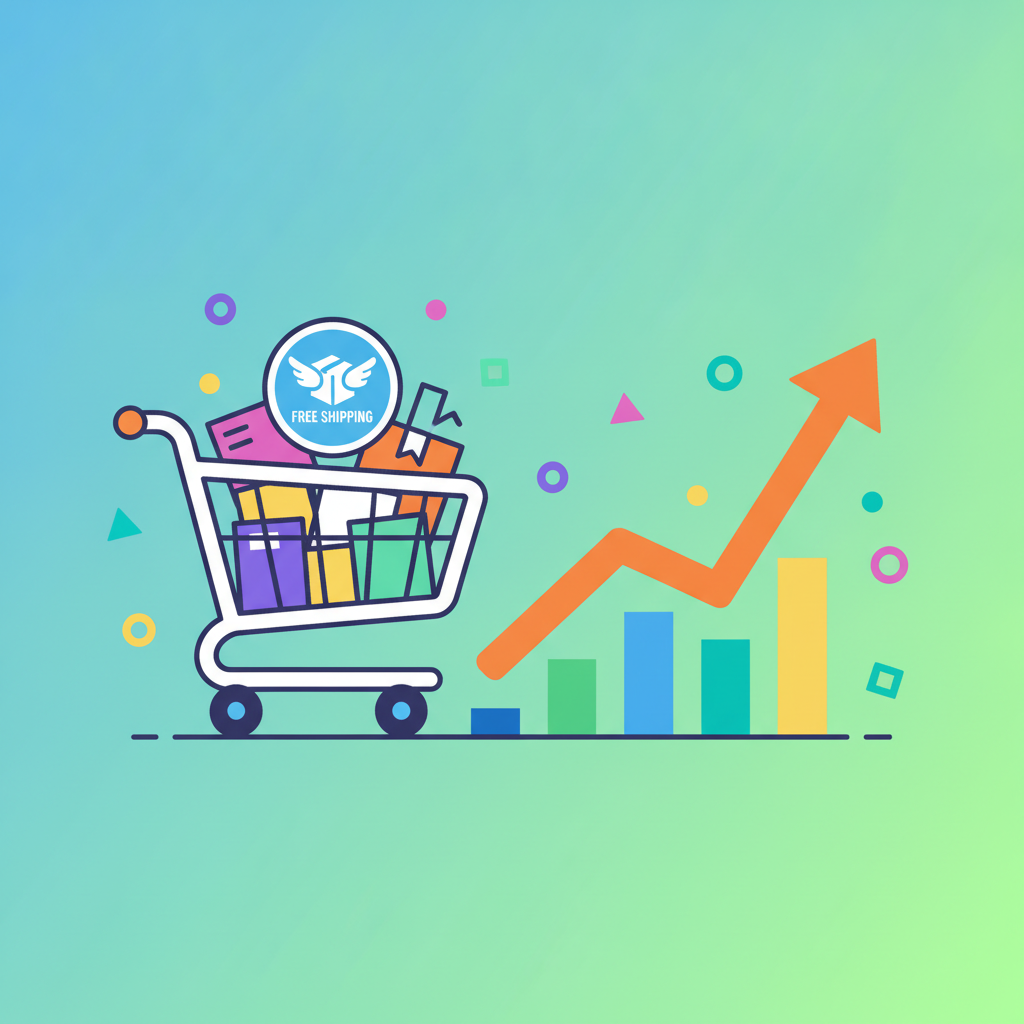
Absolute transparency in pricing is the magic key to reducing shocks on the checkout page. The customer should be fully aware of all costs, including taxes and shipping fees, before reaching the final step. To enhance this transparency and convert it into a competitive advantage, you can offer the free shipping option when cart value exceeds a certain amount, and place a smart alert bar at the top of the site telling the customer the amount remaining to get free shipping. This simple psychological trick not only reduces abandoned carts, but also contributes to noticeably increasing average order value.
Conclusion: Continuity in Improving Customer Experience to Increase Sales
In closing this comprehensive guide, we must emphasize that the abandoned cart phenomenon is an integral part of the nature of e-commerce, and no store in the world can eliminate it 100%. However, the difference between a successful store and a struggling one lies in how to deal with this phenomenon. By understanding the psychological and technical reasons pushing the customer to leave, and working hard to remove all obstacles in the purchase journey, you can convert these challenges into real opportunities to increase revenue and build long-term relationships with your target customers.
Salla and Zid platforms offer a fertile technical environment equipped with the latest tools any merchant needs to efficiently manage and recover abandoned carts. Maximum utilization of automation features, sending smart reminders via email and WhatsApp, and continuous data analysis are all professional practices that must become part of your daily routine as a store manager. Always remember that the customer who leaves their cart has already shown real interest in your products, and all they need is a little care and proper guidance to successfully complete their deal.
Finally, you must realize that improving your store and reducing abandoned carts isn't a task you do once and forget — it's a continuous process of testing, analysis, and development. Try different reminder messages, test various offers, monitor changes in your customer behavior, and always be ready to adapt your strategies with changing market requirements. By committing to these principles and applying the tips mentioned in this article, you'll undoubtedly notice a tangible improvement in conversion rates and a steady increase in your online store sales day by day.