



Introduction
In the rapidly evolving world of e-commerce, merely setting up an online store is no longer enough to guarantee success. With increasing competition and a diverse array of options available to customers, the real challenge lies in converting visitors into actual buyers. Whether you manage your store on Salla, Zid, or Shopify platforms, maximizing the value from every visitor who enters your store is the key to sustainable growth. Attracting significant traffic to your site is great, but this traffic is meaningless if it doesn't translate into real sales that benefit your business and contribute to achieving your commercial goals. This is the essence of conversion optimization, an art and science aimed at increasing the percentage of visitors who take a desired action, whether it's purchasing a product, subscribing to an email list, or filling out a contact form.
Conversion Rate Optimization (CRO) is a pivotal strategy for any e-commerce store owner aspiring to expand their business and boost revenue without necessarily increasing marketing spend to acquire new visitors. Instead, CRO focuses on enhancing the efficiency of the existing store to provide a better experience for potential customers, thereby increasing their likelihood of purchasing. This article will unveil a comprehensive set of practical strategies and techniques you can immediately apply to your Salla, Zid, or Shopify store to improve your conversion rates and transform more visitors into loyal customers. We will delve into user experience, checkout processes, marketing strategies, and data analytics to provide you with a clear roadmap for increasing your sales and achieving maximum return on your investments.
What is a Conversion?
In the context of e-commerce, a conversion refers to a specific action you want a visitor to take on your online store. Often, a conversion is directly linked to a purchase, known as a Macro Conversion. However, there are other types of smaller or partial conversions (Micro Conversions) that ultimately contribute to achieving the larger goal. These micro conversions might include adding a product to the shopping cart, signing up for a newsletter, watching a product demonstration video, downloading a brochure, or even spending a certain amount of time on a product page. Understanding these different levels of conversions helps you evaluate the effectiveness of each stage of the customer journey on your store.
Tracking these conversions, both macro and micro, provides you with clear insights into visitor behavior and potential friction points that might prevent them from completing the desired action. For example, if you notice a significant number of visitors adding products to their cart but not completing the purchase, this indicates a problem in the checkout stage or with shipping costs. By precisely identifying these points, you can focus your optimization efforts on the areas that need the most attention. Platforms like Salla, Zid, and Shopify offer powerful analytical tools that help you track these actions, making it easier to understand your store's performance. A conversion is not just a number; it's an indicator of how effectively your store meets your customers' needs and expectations.
Simply put, the conversion rate is the percentage of visitors who complete a desired action out of the total number of visitors. If 1000 people visit your store and 20 of them make a purchase, your conversion rate is 2%. The goal of conversion optimization is to increase this percentage. This doesn't necessarily mean just increasing the number of products sold, but it can also include improving the average order value or increasing newsletter subscriptions, all of which benefit the store in the long run. Understanding this fundamental mechanism is the first step towards building an effective optimization strategy that ensures your store's growth in the competitive e-commerce environment.
Why Should You Care About Conversion Optimization?
Caring about conversion optimization is not merely an optional addition; it is an absolute necessity for sustained success in the e-commerce world. The primary reason lies in economic efficiency; instead of spending large sums on advertisements to attract new visitors who may not purchase, conversion optimization focuses on making the most of existing visitors. Imagine spending $1000 on ads to bring in 1000 visitors, with a conversion rate of 1%. This means you get 10 sales. If you improve your conversion rate to 2% with the same ad spend, you'll get 20 sales, doubling your revenue without increasing costs. This represents a huge increase in Return on Investment (ROI) and store profitability.
Furthermore, conversion optimization contributes to building a better customer experience, which in turn fosters brand loyalty. When a store is user-friendly, loads quickly, and provides clear information and diverse payment options, customers feel comfortable and confident. This positive experience encourages them to return and recommend your store to others. On platforms like Salla, Zid, and Shopify, many features and tools are available that can be utilized to enhance user experience, from customizing templates to adding apps that simplify the purchasing process. Investing in conversion optimization is an investment in your store's future and your long-term relationship with your customers.
Conversion optimization also gives you a significant competitive advantage in a crowded market. While competitors focus on simply attracting more visitors, you can concentrate on converting those visitors more efficiently. This not only reduces your Customer Acquisition Cost (CAC) but also increases the Customer Lifetime Value (LTV), both of which are critical indicators for the growth of any e-commerce business. Through continuous analysis and systematic experimentation, you can uncover weaknesses in your store and turn them into strengths, ensuring a steady flow of sales and consistent growth for your store on any platform you choose.
User Interface (UI) and User Experience (UX)
User Interface (UI) and User Experience (UX) are the cornerstones of any successful online store, playing a crucial role in conversion rates. A store with an attractive and easy-to-use design encourages visitors to explore products and spend more time, increasing the likelihood of purchase. The design should be clean and organized, using consistent colors and clear fonts. Navigation between store pages should be smooth and intuitive, allowing visitors to easily find what they are looking for, whether through a clear main menu or an effective search bar. Complex design or difficult navigation can quickly drive visitors away without completing any purchase.
In our current era, browsing via smartphones has become the norm rather than the exception. Therefore, your store must be fully responsive to all screen sizes (Mobile Responsive), ensuring an excellent browsing experience for customers using their phones or tablets. Platforms like Salla, Zid, and Shopify provide responsive templates and designs by default, but you must ensure that all elements and content appear correctly and legibly on smaller screens. Optimizing the user experience also includes providing robust and accurate search functionality and effective product filters, which help visitors narrow down their search and find the perfect product quickly, reducing their frustration and increasing their satisfaction.
Optimizing UI and UX is not just about aesthetics; it extends to the easy accessibility of important information. Product information should be clear and detailed, shipping costs transparently displayed, and return and exchange policies easy to understand. Adding a Frequently Asked Questions (FAQ) section can also reduce customer hesitation and increase their trust in the store. Remember that every small detail in your store's design can influence the purchase decision. Invest time in reviewing your store's design from a customer's perspective, and try to identify any potential friction points that might hinder the purchasing journey. This approach will help you build a store that not only looks good but also performs highly efficiently to achieve your conversion goals.
Store Loading Speed
Store loading speed is one of the critical factors that directly impact the conversion rate, and it can be the difference between completing a purchase or losing a potential customer. Studies have shown that every second of delay in page loading can lead to a drop in conversion rate by up to 7%. In our fast-paced digital world, customers expect websites to be highly responsive, and any slight delay prompts them to leave for a competitor's store. Therefore, optimizing your store's loading speed on Salla, Zid, and Shopify platforms must be a top priority to ensure you don't lose visitors due to slow performance.
There are several practical steps you can take to improve your store's loading speed. First, image compression: High-quality images are essential for displaying products well, but large image files can significantly slow down your store. Use image compression tools to reduce file size without sacrificing quality. Second, optimize store themes: Some themes might be loaded with unnecessary code and features that affect speed, so choose lightweight and fast themes. Third, reduce the number of apps and plugins: While apps can add valuable functionality, too many can lead to a slow store. Review installed apps and remove those you don't use regularly or that don't add real value to the customer experience.
Additionally, using a Content Delivery Network (CDN) can accelerate the loading of images and other files for visitors from different geographical locations. Optimizing CSS and JavaScript code and reducing HTTP requests can also significantly contribute to performance improvement. Use tools like Google PageSpeed Insights or GTmetrix to analyze your store's speed and identify areas that need improvement. By addressing these points, you will not only ensure a better user experience but also boost your store's search engine ranking, leading to increased organic traffic and thus more conversion opportunities. Investing in store speed is a direct investment in increasing your sales.
Compelling Product Pages
Product pages are the final stop before a purchase decision, and therefore, they must be meticulously designed to encourage visitors to add the product to their shopping cart. Visual appeal begins with high-quality images and videos. Don't settle for a single product image; instead, provide multiple angles, close-ups of details, and images of the product in use. If possible, add explanatory videos that show how to use the product or dynamically demonstrate its features. These visual elements help customers imagine the product in their hands, reducing doubts and increasing the desire to buy. On platforms like Salla, Zid, and Shopify, it's easy to upload and manage a large number of media for each product.
Beyond images and videos, product descriptions play a vital role in persuading the customer. Don't just list technical specifications; focus on the benefits the customer will gain from using the product. Use clear and engaging language, highlighting the product's unique selling points. Make descriptions easy to read using bullet points and numbered lists. For example, instead of saying "wooden table," say "luxurious wooden dining table that adds a touch of elegance to your home and comfortably seats six people." The "Add to Cart" or "Buy Now" button should also be clear and prominent, standing out in a color that contrasts with the rest of the page, and its text should be clear and action-oriented. When defining product descriptions, it's also important to consider pricing strategies that make your products attractive and competitive. You can refer to our comprehensive guide on Product Pricing: Smart Strategies for Salla and Zid Stores for a deeper understanding of how to set optimal prices that enhance the appeal of your offers.
Don't forget the importance of Social Proof on product pages. Display customer ratings and reviews prominently. Potential customers often trust the opinions of other buyers more than they trust the store itself. Encourage customers to leave comments and ratings after purchase, and respond to inquiries and complaints transparently. You can also display customer testimonials or sales statistics (such as "1000 units of this product sold this month"). These elements increase trust and credibility, reduce perceived risks for the buyer, and encourage them to complete the purchase with greater confidence. All these details, when effectively integrated, transform a product page from a mere display into a powerful sales tool.
Visual Appeal and Product Titles
In the crowded world of e-commerce, first impressions often matter most. The visual appeal of product images and titles is the first thing that captures a potential customer's attention and encourages them to click to explore further. Product images should be professional quality, clearly showcasing the product from multiple angles, and in an appealing environment that reflects the product's nature. On platforms like Salla, Zid, and Shopify, you can easily upload multiple images for each product, so leverage this feature to provide a comprehensive visual presentation. Use good lighting and simple backgrounds to ensure the product is the star. Remember that a single image is worth a thousand words, and in e-commerce, it might be worth a thousand Saudi Riyals in sales.
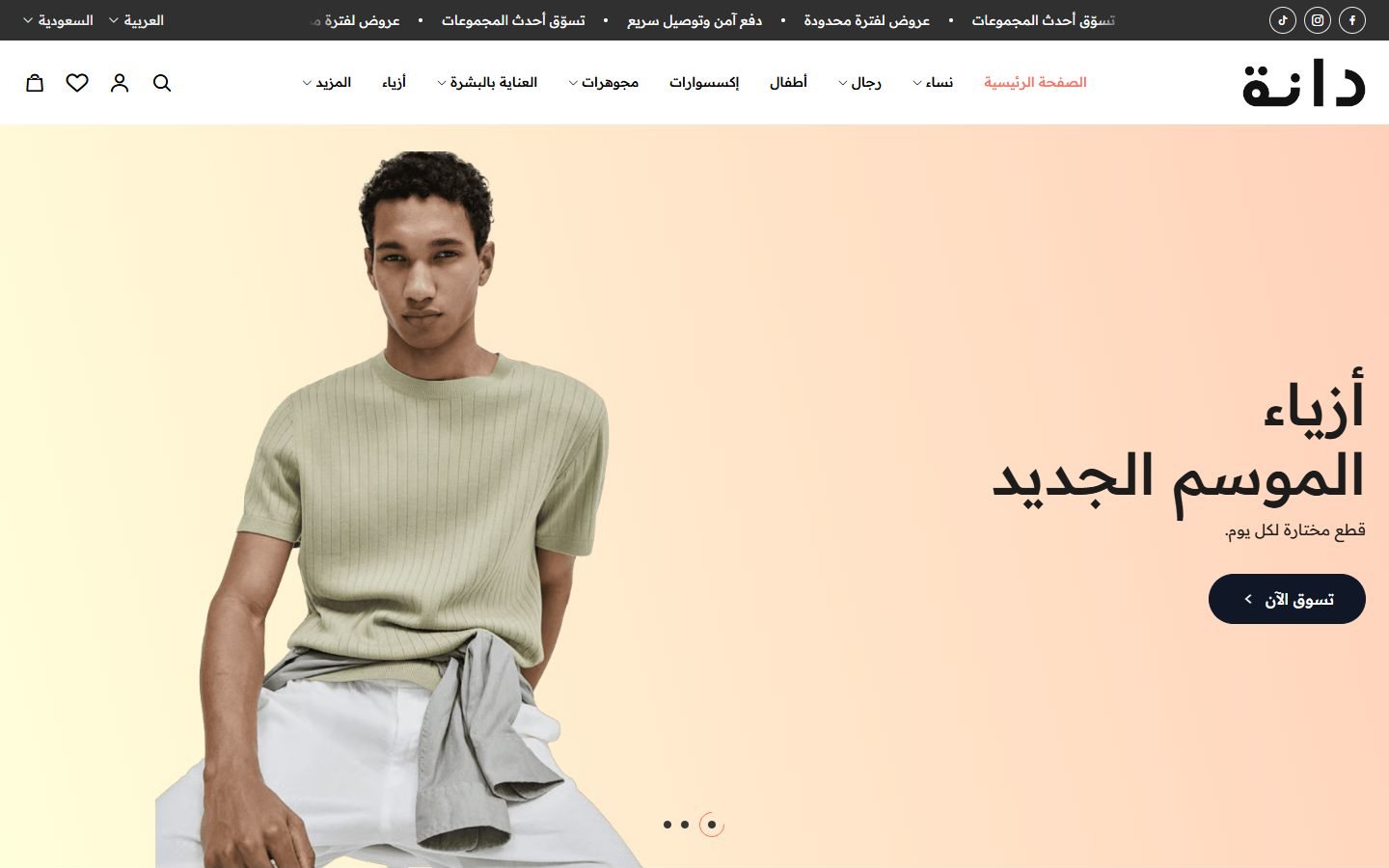

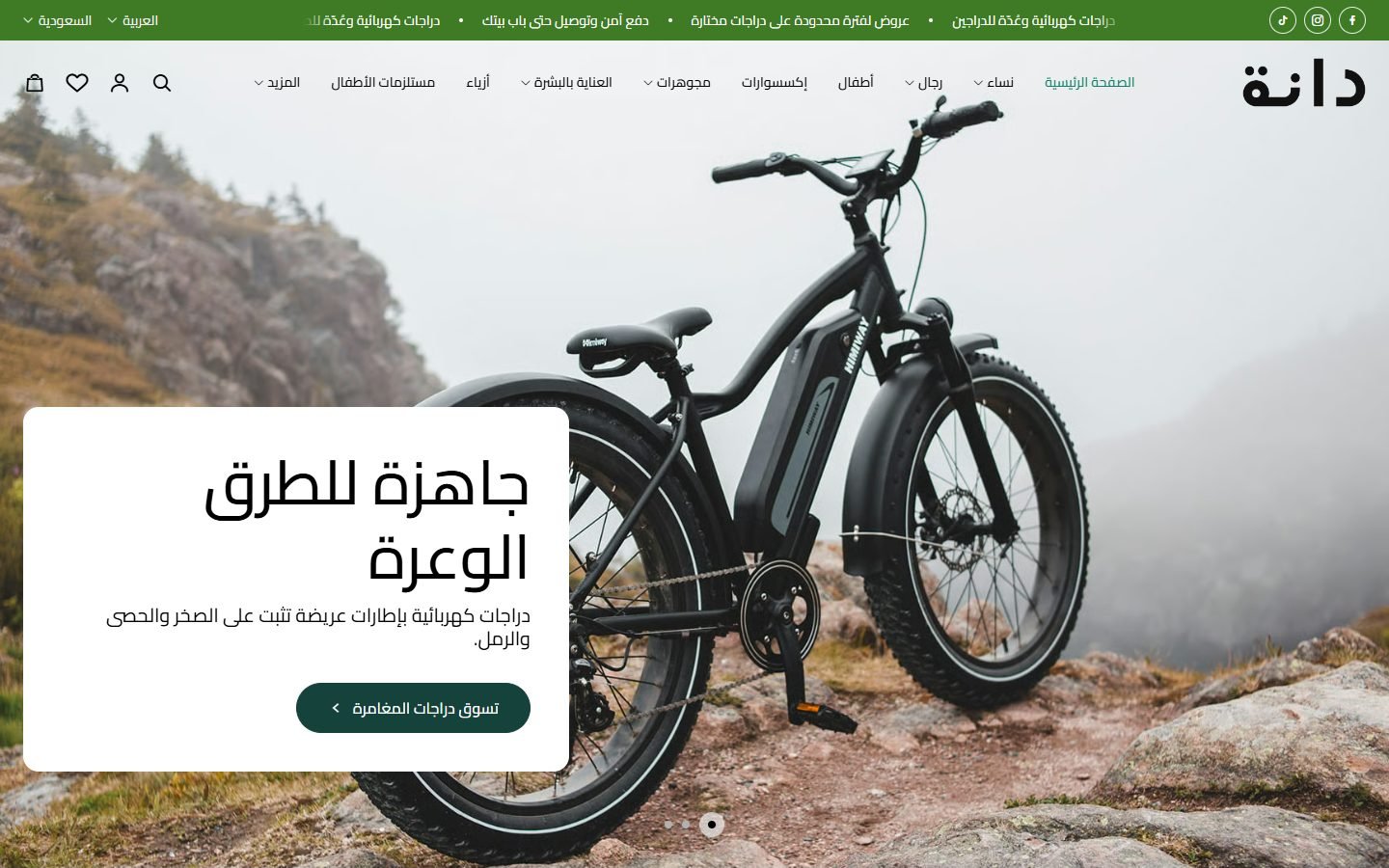
In addition to images, product titles play a pivotal role in attracting attention and improving product visibility in internal store search results and even external search engines. Titles should be clear, concise, and rich in keywords that customers search for. For example, instead of writing "dress," you could write "Long Royal Blue Women's Evening Dress." This title not only accurately describes the product but also helps customers looking for specific specifications to find it. Use words that convey the product's benefits and unique features to increase its appeal. Remember that a good title is an invitation for the customer to click and learn more, and it's the first step towards conversion.
Visual appeal isn't limited to images and titles; it extends to how products are displayed on category pages and the homepage. Use attractive banners and promotions that highlight best-selling products or special offers. Ensure that the overall store design reflects your brand identity professionally and consistently. Colors, fonts, and element layouts can contribute to creating a pleasant visual experience that encourages customers to stay and explore more. By paying close attention to these visual and textual details, you can increase the Click-Through Rate (CTR) for your products, which directly leads to more visits to product pages and thus greater opportunities for conversion.
Optimizing the Checkout Process
The checkout process is one of the most critical stages in the customer journey, and it's the point where a customer decides whether to complete a purchase or abandon it. Any complexity or frustration at this stage can lead to a lost potential sale. Therefore, the checkout process must be as easy, fast, and clear as possible. Minimize the number of steps required to complete a purchase. Offer a guest checkout option instead of forcing customers to create an account, as many customers prioritize speed over registration. If account creation is necessary, make the process simple and quick, perhaps through social media login. Transparency in cost display is key to trust, so ensure the total price, including taxes and shipping, is shown before the final payment step.
Providing multiple and diverse payment options is a crucial factor in increasing conversion rates. Every customer prefers a different payment method, and the unavailability of their preferred option can lead to cart abandonment. In the Saudi and Gulf markets, options like Mada, Apple Pay, and especially installment payment options like Tabby and Tamara are essential. The latter allows customers to buy now and pay later, removing the barrier of high upfront costs and encouraging purchase completion, especially for high-value products. Salla, Zid, and Shopify platforms offer easy integration with most local and international payment gateways, making it simple for you to provide these options. The more options available, the higher the chances of conversion. For more information on how to integrate these innovative financial solutions, you can read our comprehensive article on Tabby and Tamara: How to Increase Your Sales on Salla and Zid Stores, which offers practical tips for leveraging these gateways to boost your sales.
To enhance trust during the checkout process, use trust badges and security seals that assure customers their information is safe and protected. These badges, such as well-known payment gateway logos or SSL certificates, increase the sense of security and reduce customer hesitation. The checkout process should also be free of any distractions; remove side menus and other links that might divert the customer from completing the purchase. Keep the focus entirely on finalizing the transaction. By simplifying, securing, and personalizing the checkout process, you can significantly reduce cart abandonment rates and convert more visitors into happy and satisfied buyers, thereby enhancing your store's performance on various e-commerce platforms.
Recovering Abandoned Carts
Abandoned carts represent one of the biggest challenges faced by e-commerce store owners, where customers add products to their shopping cart but do not complete the purchase. These carts represent lost revenue, but at the same time, they are a golden opportunity to re-engage potential customers. An abandoned cart recovery strategy must be an essential part of your store's conversion optimization plan. This strategy begins with understanding the common reasons for cart abandonment, which may include unexpected shipping costs, a complicated checkout process, lack of trust in the store, or simply distraction. By addressing these reasons, you can reduce the number of abandoned carts in the first place.
One of the most effective tactics for recovering abandoned carts is to send automated email or SMS reminders. These messages should be carefully crafted, reminding the customer of the products they left in their cart, and offering an incentive to complete the purchase. This incentive could be a small discount, free shipping, or even just a reminder that products might run out soon. The first message should be sent shortly after abandonment (one or two hours), followed by a second message after 24 hours, and perhaps a third after 48-72 hours. Platforms like Salla, Zid, and Shopify offer built-in tools or external applications to manage abandoned cart recovery campaigns efficiently. To deepen your understanding of these strategies, we invite you to read our specialized article Abandoned Cart: Strategies to Recover Customers in Salla and Zid, which provides a broader overview of how to design effective campaigns to retrieve lost sales.
In addition to reminders, providing instant customer support via live chat can play an important role in recovering abandoned carts. If a customer encounters a problem or has a question during the checkout process, the ability to get an immediate answer can prevent them from abandoning their cart. Targeted advertisements (Retargeting Ads) on social media platforms or the Google Display Network can also be used to remind customers of products they have viewed or added to their carts. By implementing a comprehensive abandoned cart recovery strategy, you can convert a significant percentage of these lost opportunities into real sales, adding significant value to your store on Salla, Zid, or Shopify.
Tracking Store Performance
What cannot be measured cannot be improved. This principle strongly applies to conversion optimization in e-commerce. To identify the most effective strategies and increase your sales on Salla, Zid, or Shopify, you must meticulously track your store's performance and analyze available data. Tools like Google Analytics are essential for understanding visitor behavior on your site, where they came from, the pages they visited, and the duration of their stay on each page. Additionally, the e-commerce platforms themselves provide detailed dashboards and reports on sales, best-selling products, and overall conversion rates, giving you a comprehensive view of your store's performance.
Among the most important metrics to track is the conversion rate itself, in addition to the Bounce Rate, which indicates the percentage of visitors who leave the store after visiting only one page. A high bounce rate could be an indicator that the store is not engaging or that the content is irrelevant. You should also monitor the Average Order Value (AOV) to identify opportunities to increase revenue from each purchase. Analyzing the Customer Journey from the moment they arrive at the store until they complete a purchase helps identify potential friction points that might lead a customer to abandon their purchase. For example, if you notice a significant drop in visitors at the checkout page, this indicates a problem at that stage that needs to be addressed.
In addition to quantitative metrics, heatmaps and session recordings can provide valuable qualitative insights into how visitors interact with your store. Heatmaps show where visitors click or hover their mouse, while session recordings allow you to watch the customer's journey step by step. These tools help you understand why visitors behave in certain ways, not just what they do. By regularly collecting and analyzing this data, you can make informed, fact-based decisions and direct your conversion optimization efforts towards areas that will have the greatest impact on your sales and profits, regardless of the platform you use.
A/B Testing
A/B testing, also known as split testing, is a powerful and essential tool in the arsenal of any conversion optimization strategy. This test allows you to compare two different versions of a page or element (the original version A and the modified version B) to see which one performs better. For example, you can test different colors for an "Add to Cart" button, different wordings for headlines, or even different layouts for product pages. Traffic to the store is split between the two versions, and data is analyzed to determine which version achieves a higher conversion rate. This systematic approach removes guesswork from the optimization process and replaces it with tangible data.
Implementing A/B testing requires careful planning and patience. Start by testing one element at a time to ensure that the changes you observe are a result of that specific element. Define a clear hypothesis (e.g., "Changing the buy button color to green will increase the click-through rate by 10%"). Ensure you have a sufficient sample of visitors for both versions to achieve statistically significant results. Platforms like Shopify offer apps that help conduct A/B testing, while external tools such as Google Optimize (even if being deprecated, alternatives exist) or Optimizely can be integrated with Salla and Zid to achieve the same goal. The aim is continuous improvement based on what your customers actually prefer, not what you think is best.
Continuous improvement through A/B testing is an ongoing process. Even after achieving an improvement in a specific element, you can always look for other opportunities to test and optimize. This could include testing different promotional offers, product display order, or even the placement of specific elements on the page. Don't be afraid to experiment with new ideas, as some small changes can make a big difference in the overall conversion rate. By adopting a culture of testing and learning, you will be able to build an e-commerce store that constantly adapts to changing customer preferences, ensuring sustainable growth and steady increases in sales for your store, whether on Salla, Zid, or Shopify.
Conclusion
In conclusion, conversion optimization represents a vital and continuous investment for any e-commerce store aspiring for success and growth in the competitive market. In this article, we have reviewed a comprehensive set of strategies covering multiple aspects, starting from understanding the essence of conversions and their economic importance, moving through enhancing user experience and store design to ensure smooth browsing and fast loading, and finally, crafting attractive product pages that encourage purchases. All these elements work together to create an integrated experience that drives visitors towards completing a purchase and transforming them from mere browsers into loyal and permanent customers for your brand.
We also touched upon the importance of marketing and sales strategies geared towards conversion, such as enhancing the visual appeal of products and their titles, simplifying the checkout process and offering diverse and flexible options like Tabby and Tamara, in addition to abandoned cart recovery strategies that represent a golden opportunity to convert lost revenue into actual sales. These actions, when effectively implemented on platforms like Salla, Zid, and Shopify, not only increase direct sales but also contribute to building customer trust and fostering their loyalty, ensuring a continuous flow of profits in the long term and reducing customer acquisition costs.
Sustainable improvement cannot be achieved without relying on accurate data and analytics. By tracking store performance using tools like Google Analytics and platform dashboards, and understanding visitor behavior through heatmaps and session recordings, store owners can make informed, fact-based decisions. A/B testing is a cornerstone of this approach, allowing for systematic experimentation of different elements and determining what yields the best results. Adopting a culture of continuous improvement and flexibility in adapting to market and customer demands is what will ensure your store on Salla, Zid, or Shopify remains at the forefront of competition and achieves its maximum potential for growth and profitability.