



E-commerce in the Arab world, and specifically in the Kingdom of Saudi Arabia, is one of the fastest-growing and most developing sectors in recent years. Establishing an online store has become easier than ever thanks to leading platforms like Zid and Salla. But despite the ease of creating a store, adding products, and designing the interface, there remains a critical step separating customer browsing from successful order completion and actual profit generation — that step is the electronic payment process. Having a smooth, secure, and reliable payment system isn't just a luxury addition to your store; it's the backbone that your sales rest upon. No matter how excellent your products or marketing prowess, if the customer experiences difficulty or doubt at the moment of payment, they will leave the store immediately and never return.
In this context, the importance emerges of deeply understanding electronic payment gateways and how they work and integrate with e-commerce platforms. A payment gateway is simply the secure technical intermediary that encrypts the customer's bank card data, transfers it to the card-issuing bank to verify balance and authorize, then transfers the funds to your bank account as a merchant. This complex process that happens in mere seconds requires strong infrastructure and strict security standards to protect both parties from any fraud attempts. Because Zid and Salla platforms recognize this critical importance, they have provided diverse, multiple options for linking local and global payment gateways to suit all merchant needs regardless of business size.
Choosing the most suitable payment gateway for your Zid or Salla store requires careful study of several decisive factors, starting with setup fees and commissions deducted on each transaction, through user experience and speed of fund settlement to your account, all the way to technical support quality and the variety of supported payment methods such as Mada, Visa, Mastercard, Apple Pay, and STC Pay. In this comprehensive and detailed guide, we will take you on an integrated knowledge journey to decode payment gateways, and provide you with a precise and practical analysis that helps you make the correct strategic decision that ensures your sales growth, enhances customer trust, and puts your store on the path of sustainable success in the competitive e-commerce world.
The Importance of Choosing the Right Payment Gateway for Your Online Store's Success
The first step toward building successful and sustainable e-commerce lies in recognizing the direct impact of the payment gateway on customer trust and loyalty to your brand. When a customer reaches the payment page, they are at the highest level of caution and anticipation, as they are asked to enter highly sensitive financial data. If the payment interface looks unprofessional, slow to respond, or doesn't bear recognized security certificates, this caution immediately turns into anxiety that drives them to cancel the entire process. Therefore, choosing a reliable and locally-known payment gateway gives the customer the necessary reassurance to complete the purchase and establishes a long-term relationship built on mutual trust between the store and the buyer.
To get the most out of this trust, you must realize how a fast and effective payment gateway contributes to reducing purchase steps, which positively and noticeably reflects on the Conversion Rate: How to Double Your Store Sales on Zid and Salla. Every extra step, or redirection to slow external pages, or complexity in entering verification codes represents an obstacle in the customer's user journey. Modern payment gateways that allow direct payment within the store page (On-page checkout) or support fast payment technologies like Apple Pay with a single click play a magical role in raising conversion rates and doubling sales without needing to increase the marketing advertising budget.
Moreover, the importance of the payment gateway isn't limited to the customer side only, but extends to include the operational efficiency of your store from within. An excellent gateway provides you with a comprehensive and accurate dashboard that allows you to track sales moment by moment, issue refunds easily when needed, and reconcile bank accounts flexibly. These administrative features save you and your team long hours of tedious manual work, and reduce accounting errors, allowing you to focus on the more important aspects of your business such as product development and expanding your customer base, instead of drowning in complex financial details.
Basic Criteria for Choosing a Payment Gateway on Zid and Salla Platforms
When you begin evaluating the available payment gateways in the Salla App Store or Zid App Market, you'll find yourself facing multiple options offering attractive marketing promises. The first and most important criterion you must consider is technical compatibility and ease of linking with the platform. Fortunately, both Zid and Salla provide ready-made integration tools (Plugins/Apps) for most approved payment gateways in the region, which means you won't need a programmer or complex programming experience. However, you must ensure that the chosen gateway integrates seamlessly with the order management system in your store, so the order status automatically changes to paid once the operation succeeds, speeding up the preparation and shipping process.
The second criterion, no less important, is the variety of payment methods the gateway provides. The Saudi and Gulf markets have specific preferences when it comes to electronic payment. The gateway must primarily support the Mada network, given that it accounts for the largest percentage of local purchase operations, in addition to global credit cards (Visa, Mastercard). Also, supporting digital wallets like STC Pay and Apple Pay is no longer a luxury option, but has become an urgent necessity imposed by modern consumer behaviors. The more payment options available, the larger the segment of customers you can serve and satisfy.
The third criterion is the speed of transferring funds to your bank account (Payout Time). As a business owner, cash flow is the lifeline of your store. Some payment gateways transfer funds daily, while others take several days or require amounts to reach a certain minimum before transfer. You must study your capital cycle, and choose the gateway that ensures continuous cash liquidity allowing you to pay your obligations to suppliers, cover shipping costs, and continue funding your marketing campaigns without interruption or delay that affects your business growth.
Fees and Commissions on Financial Operations
Fees and commissions are among the most concerning factors for merchants when choosing a payment gateway, as these costs are usually divided into three main parts: setup or linking fees, fixed fees on each transaction, and the percentage deducted from the total order value. You as a merchant must study these fees very carefully because they directly affect your profit margins. Here we recommend referring to our comprehensive article on Product Pricing: Smart Strategies for Zid and Salla Stores to ensure pricing your products in a way that covers payment gateway costs without losing your competitive advantage in the market or wronging the buyer with exaggerated prices.
To practically understand the impact of these fees, let's take an illustrative example. If your store sells low-cost products (e.g., accessories at 20 riyals per piece), payment gateways that impose high fixed fees on each transaction (such as 1 riyal + 2.5%) will eat up a large portion of your profits, and in this case it's preferable to look for a gateway offering only a percentage or very low fixed fees. But if you sell high-value products (such as electronics priced at 2000 riyals), fixed fees become non-influential, and your main focus becomes finding the lowest possible percentage to reduce the size of deduction from the total amount.
Additionally, you must pay attention to hidden fees that may not be clear in the initial marketing offers of payment gateways. Examples of these fees include chargeback costs in case the customer objects to the transaction with the bank, international transfer fees if your bank account is in a different country, and monthly or annual maintenance fees imposed by some companies regardless of your sales volume. Careful reading of contracts and terms and conditions, and comparing these fine details between different service providers, will save you a lot of unpleasant surprises and financial losses in the future.
User Experience and Its Impact on Abandoned Carts
One cannot discuss payment gateways without addressing their fundamental impact on the phenomenon of abandoned carts, which is the biggest nightmare for every online merchant. When the customer faces a complex payment interface requiring mandatory account creation, or asks for unnecessary details, or takes a long time to load the page, the inevitable result is closing the store and leaving the cart with whatever is in it. A clean and clear user interface that transparently displays the total amount and explains step by step what the customer must do is the magic key to reducing the abandonment rate at critical moments.
If you suffer from this recurring problem in your store, we strongly recommend reviewing our specialized guide on Abandoned Carts: Your Guide to Recovering Them on Zid and Salla, where we discuss in detail how a bad or complex payment experience can be the first and main reason for customer retreat at the last moments. The solution always lies in simplifying procedures and providing payment options that require the fewest possible clicks, such as quick payment via Apple Pay which relies on biometric fingerprint without needing to type long card numbers prone to manual writing errors.
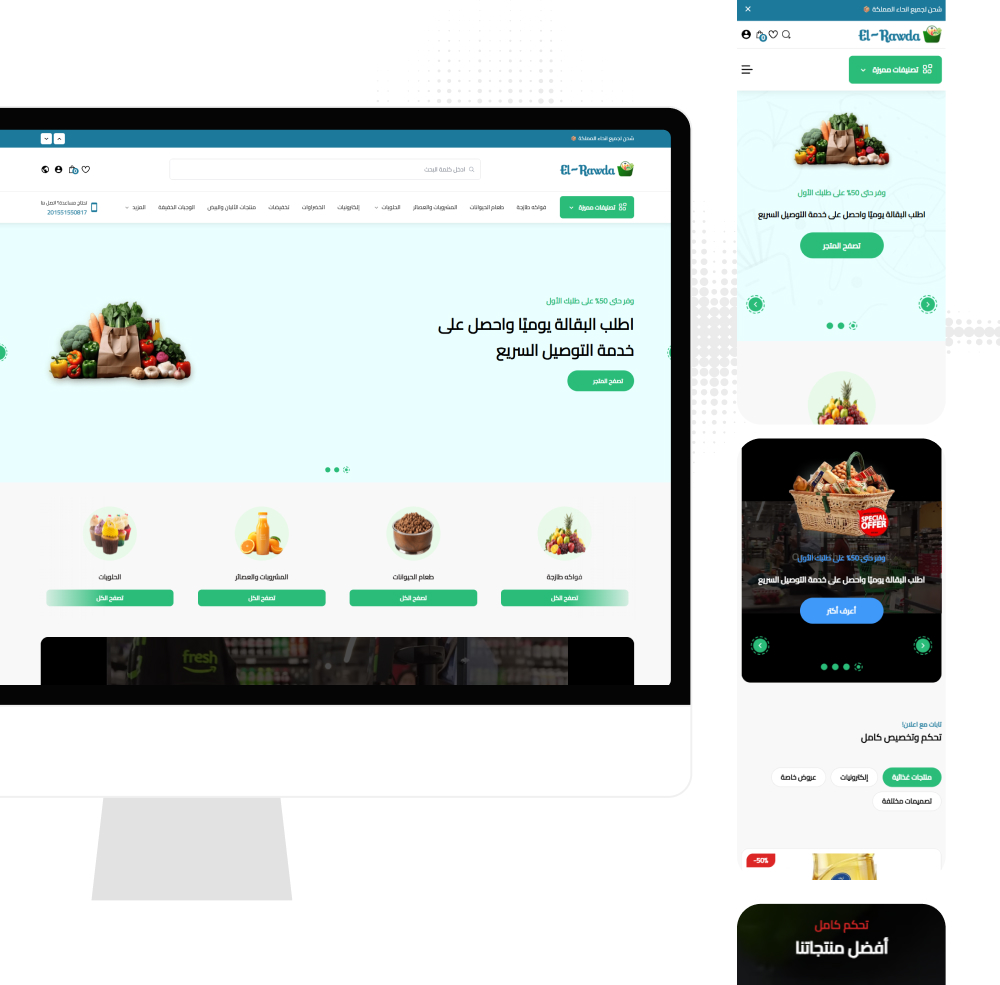
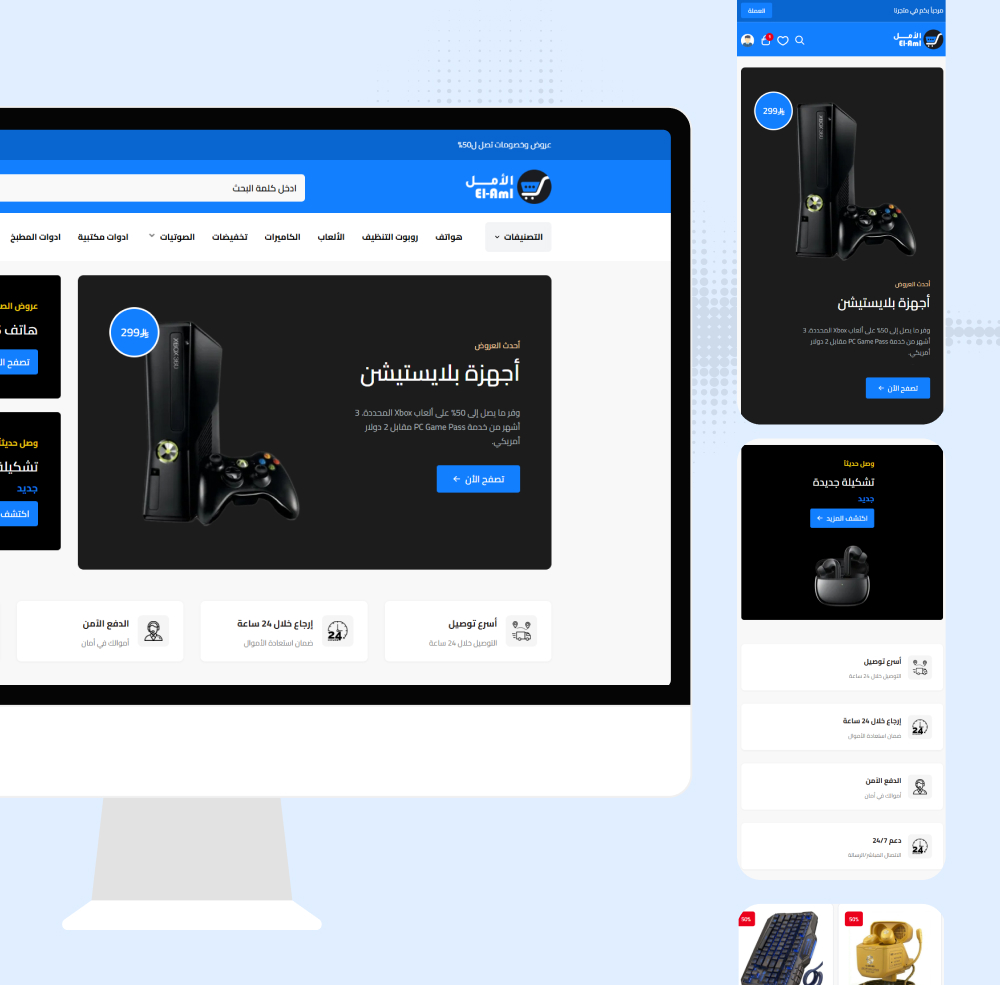
Also, the compatibility of the payment page with mobile devices (Mobile Responsiveness) is non-negotiable in our current time. Statistics indicate that the vast majority of shoppers in the Arab region use their smartphones to complete purchases. If the payment gateway you chose doesn't display data entry fields in a consistent and comfortable manner on mobile screens, or the buttons are too small and hard to click, you are undoubtedly losing a huge segment of potential daily sales due to technical flaws that could have been avoided by choosing a service provider that cares about user experience on mobile.
Supported Payment Gateways on Zid and Salla: Comparison and Details
Platforms like Zid and Salla have caused a real revolution in simplifying e-commerce, and one of the most important manifestations of this simplification is providing an integrated ecosystem of payment service providers within their app marketplaces. Stores today are no longer forced into long and complex individual negotiations with banks, but can through a few clicks activate leading payment gateways such as PayTabs, Tap, Moyasar, or HyperPay. Each of these companies offers competitive features aimed at attracting merchants, whether through better pricing, advanced dashboards, or value-added services like invoicing and subscription management.
When comparing these external gateways, you must consider the quality and response speed of the technical support of the service provider. In the world of e-commerce that operates around the clock, sudden technical malfunctions or delays in settling amounts may occur. Having a local technical support team that speaks Arabic and can be easily reached via phone or instant chat is a strategic advantage that cannot be priced. Some gateways may offer very low prices but lack effective customer service, which may cost you heavy losses during seasonal times and major offers such as Black Friday or holidays.
It's also worth mentioning that some gateways provide advanced features suitable for stores planning regional or international expansion. If you aspire to sell your products to customers outside the Kingdom of Saudi Arabia, you must choose a gateway that supports payment in multiple currencies and converts them to your local currency at fair exchange rates. The gateway must also support common local payment methods in target countries, such as supporting KNET cards in Kuwait, or Fawry in Egypt, which makes it easier for you to penetrate new markets with confidence and high professionalism.
Integrated Payment Services: Salla Pay and Zid Pay
In a strategic move aimed at providing maximum convenience for merchants, both Salla and Zid platforms have launched their own integrated payment solutions: Salla Pay and Zid Pay. These services are not separate payment gateways in the traditional sense, but integrated financial solutions specifically built within the platform environment, providing an extremely smooth experience that does not require any external integration operations or separate contracts with third parties. Once your store is verified and legal requirements are completed, you can activate these services and start receiving payments immediately.
The big advantage of services like Salla Pay and Zid Pay lies in unifying the dashboard. As a merchant, you won't have to switch between your store platform to follow up on orders, and the payment gateway website to track financial transfers. Everything is available in one place with detailed and direct financial reports. This deep integration reduces the likelihood of programming errors in synchronizing order statuses, and greatly facilitates customer refund processes, where the refund can be completed with a single click from within the order details in the store dashboard.
In addition to technical ease, Salla and Zid often offer competitive and well-studied fees for their integrated payment services, especially for advanced packages. They also provide clear and reliable payout schedules, enhancing your ability to plan financially soundly. Although these integrated solutions are considered the optimal and easiest choice for the overwhelming majority of new and medium-sized merchants, it's always good to follow the continuous updates that both platforms release to improve these services and expand the range of financial features that meet the aspirations of stores with large sales volumes.
Golden Tips for Managing Payments and Avoiding Fraud
Managing electronic payments doesn't end with just choosing the payment gateway and activating it, but requires continuous awareness and accurate monitoring to protect your store from financial fraud operations. One of the most important preventive steps is to ensure the activation of the 3D Secure feature in your payment gateway. This technology adds an extra layer of security by sending a verification code (OTP) to the customer's phone registered with the bank before completing the deduction of the amount. This procedure protects you as a merchant from stolen card problems, and significantly reduces the likelihood of successful forced chargeback requests that harm your store's reputation with service providers.
It is also necessary to establish internal policies in your store to monitor suspicious orders. For example, if you receive an order with a very large and unusual financial value, or notice repeated failed payment attempts from the same account using different cards, or the shipping address is completely different from the country issuing the credit card, the team must pause to verify the customer's identity before shipping the products. You can contact the customer by phone to confirm the order, as this simple procedure may save you from losing your goods and money at the same time, and preserves the stability of your commercial business.
Finally, the reconciliation process is one of the most important financial practices you must adopt periodically, whether weekly or monthly. Reconciliation means reviewing financial reports issued from the Salla or Zid platform, matching them with reports issued from the payment gateway, then ensuring that the same amounts (after deducting commissions) reach your institutional bank account. This precise process ensures there are no suspended or missing amounts due to rare technical errors, and gives you a real and honest financial picture of your store's actual profits, which helps you make marketing and expansion decisions based on correct numbers.
Conclusion: Your Strategic Decision in Choosing a Payment Gateway
In closing this comprehensive guide, we must emphasize that choosing a payment gateway on Zid and Salla platforms isn't just a routine technical setup you do once and forget, but a continuous strategic decision affecting every aspect of your e-commerce. The gateway you choose is the equivalent of the cashier who receives your money and deals with your customers at the most sensitive moments. Therefore, investing time and effort to study the available options, compare fees, and evaluate user experience will bring you doubled profits and save you many operational stumbles in the future.
Always remember that consumer behavior evolves quickly, and financial technologies are constantly updating. What was considered a secondary option yesterday, such as digital wallets and Buy Now Pay Later services, has today become a basic requirement for shoppers. So you as a successful merchant must keep your eye on your store's analytical reports, and listen carefully to your customers' complaints and suggestions related to the payment process. If you notice an increase in abandoned carts at the payment stage, don't hesitate to review the efficiency of the current payment gateway, and be ready to change or add new options that meet the aspirations of your target audience.
Finally, exploit the great facilities offered by platforms like Zid and Salla through their integrated solutions and diverse applications. Focus your efforts on choosing distinguished products, building a strong brand, and providing exceptional customer service, and leave the complex technical and financial side to trusted systems specifically designed to facilitate your success. By choosing the most suitable payment gateway, you are not just collecting money, but building a bridge of trust and professionalism that connects your store with your customers for years to come.