



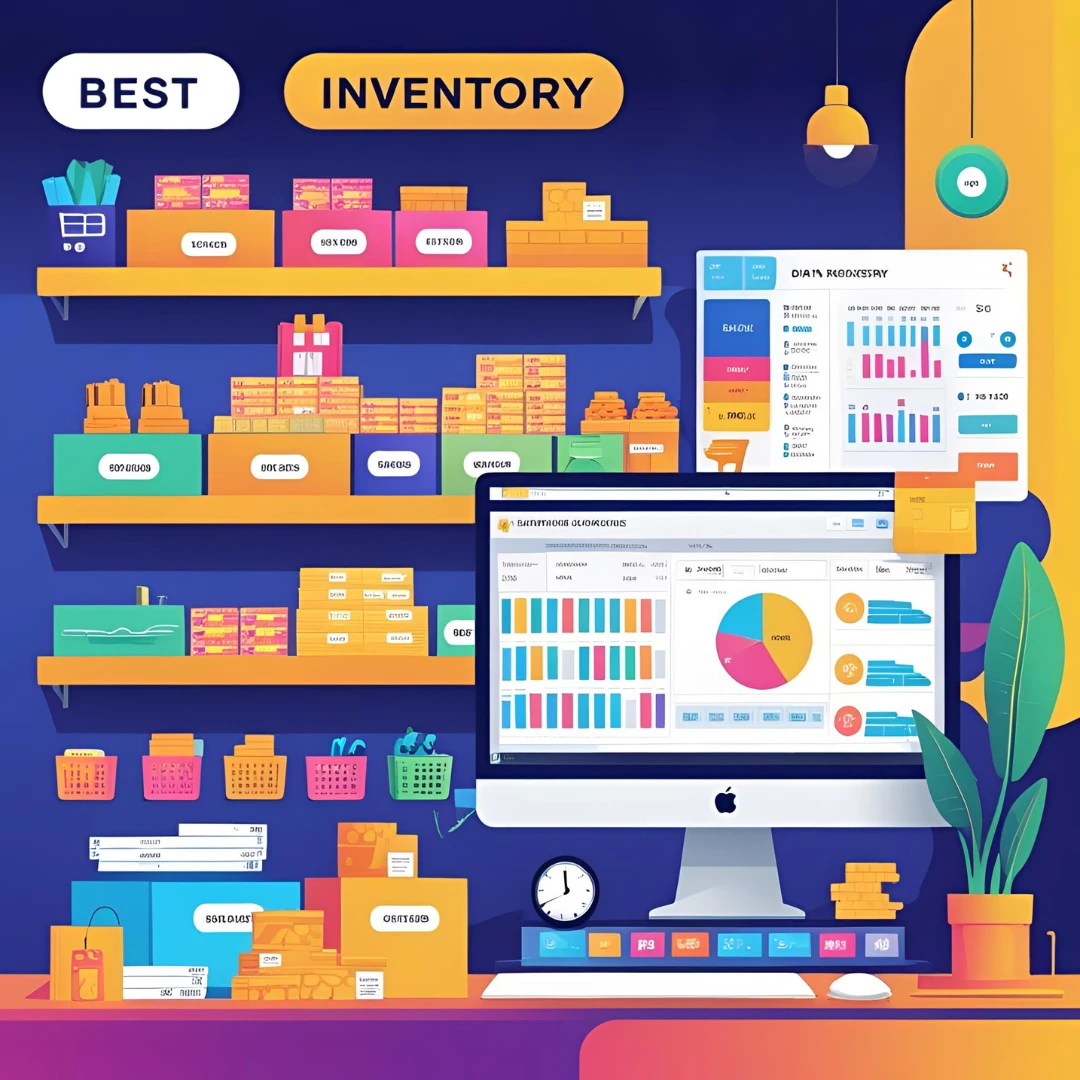
إدارة المخزون الفعالة هي عصب أي متجر إلكتروني ناجح. فبينما يمكن للمخزون الزائد أن يقيد رأس المال ويؤدي إلى خسائر، فإن المخزون الناقص قد يؤدي إلى فقدان المبيعات وخيبة أمل العملاء. لتحقيق التوازن الصحيح وضمان استمرارية العمل، يجب على أصحاب المتاجر الإلكترونية تبني أفضل الممارسات في إدارة المخزون.
إدارة المخزون ليست مجرد عد المنتجات في المستودع. إنها عملية شاملة تتضمن التخطيط، التنظيم، والتحكم في تدفق المنتجات من الموردين إلى العملاء.
1. التنبؤ بالطلب بدقة
توقع الطلب المستقبلي على منتجاتك هو الخطوة الأولى والأكثر أهمية في إدارة المخزون. استخدم البيانات التاريخية للمبيعات، الاتجاهات الموسمية، الأحداث الترويجية، وحتى البيانات الاقتصادية للتنبؤ بالطلب بدقة. التنبؤ الجيد يجنبك تكدس المخزون أو نقصانه.
2. استخدام نظام إدارة المخزون (IMS)
استثمر في نظام قوي لإدارة المخزون. هذه الأنظمة تساعدك على تتبع مستويات المخزون في الوقت الفعلي، مراقبة حركة المنتجات، وإدارة الطلبات. العديد من منصات التجارة الإلكترونية توفر ميزات مدمجة لإدارة المخزون، أو يمكنك التكامل مع حلول خارجية.
3. تحديد نقطة إعادة الطلب (Reorder Point)
نقطة إعادة الطلب هي مستوى مخزون معين، عندما يتم الوصول إليه، يجب عليك إعادة طلب المنتج. هذه النقطة تأخذ في الاعتبار وقت التسليم من الموردين ومعدل مبيعاتك اليومي، لضمان عدم نفاد المخزون قبل وصول الشحنة الجديدة.

4. تطبيق مبدأ باريتو (قاعدة 80/20)
تنص قاعدة باريتو على أن 80% من مبيعاتك تأتي من 20% من منتجاتك. ركز جهودك ومراقبتك للمخزون على هذه المنتجات الأكثر مبيعًا. تأكد دائمًا من توفرها بكميات كافية، وكن أكثر حذرًا في إدارة المنتجات الأقل شعبية.
5. إجراء عمليات جرد منتظمة
سواء كان جردًا كاملاً أو جردًا دوريًا (Cycle Counting)، فإن الجرد المنتظم يساعد على مطابقة المخزون الفعلي مع البيانات في نظامك. هذا يكتشف الأخطاء، السرقة، أو التلف، ويضمن دقة البيانات لتحسين التنبؤات المستقبلية.
"المخزون السليم هو مفتاح المبيعات المستدامة والعملاء السعداء."
إدارة المخزون عملية معقدة ولكنها ضرورية لنجاح متجرك الإلكتروني. من خلال تطبيق هذه الممارسات، يمكنك تقليل التكاليف، تجنب النقص أو الزيادة في المخزون، وتحسين تجربة العملاء، مما يؤدي إلى نمو مستدام لأعمالك.