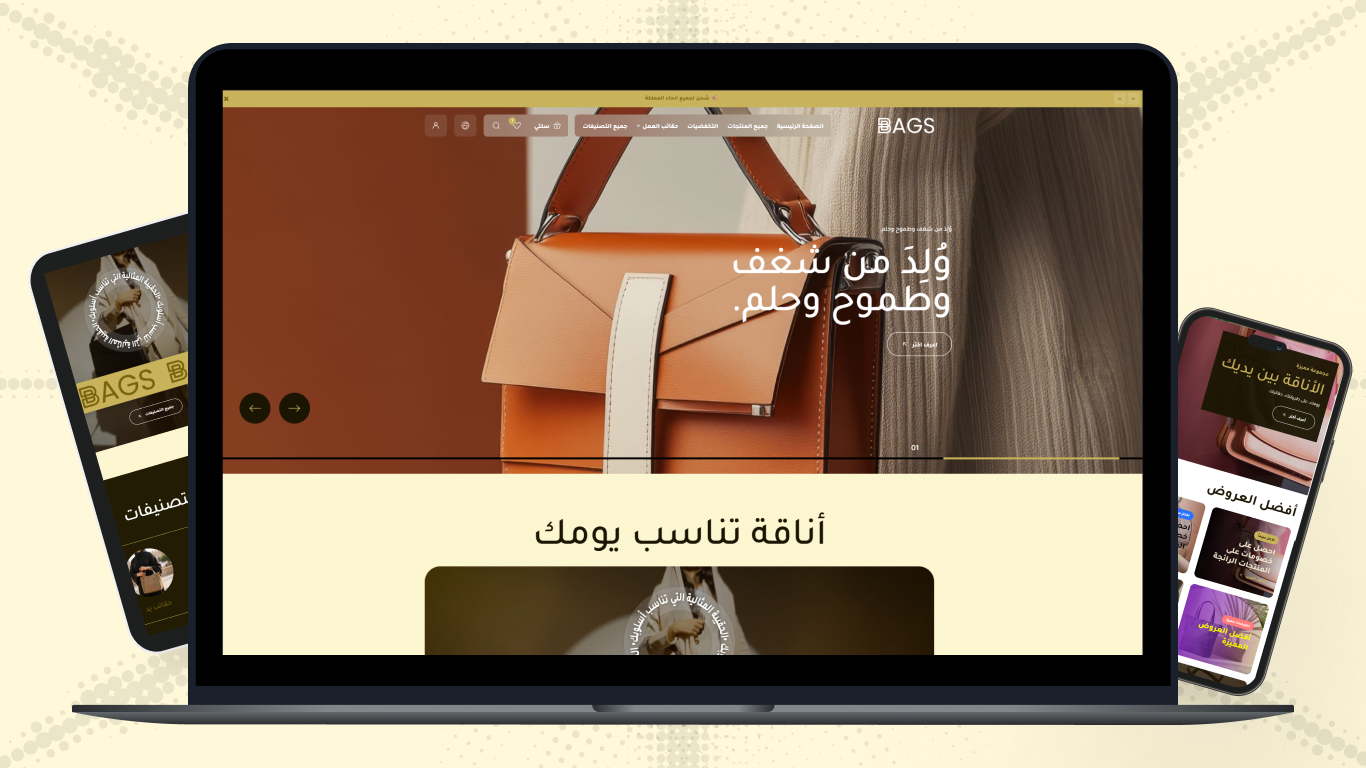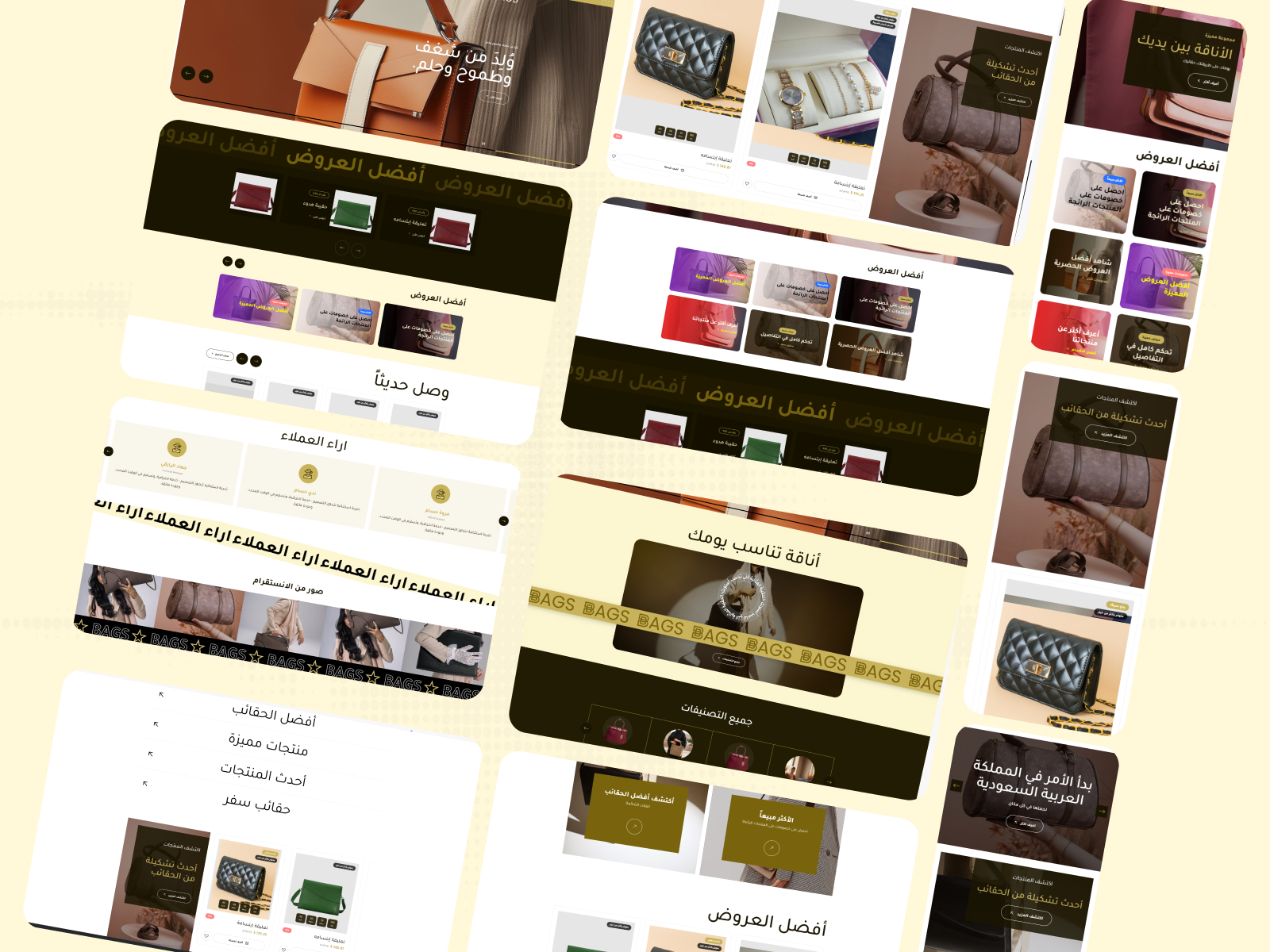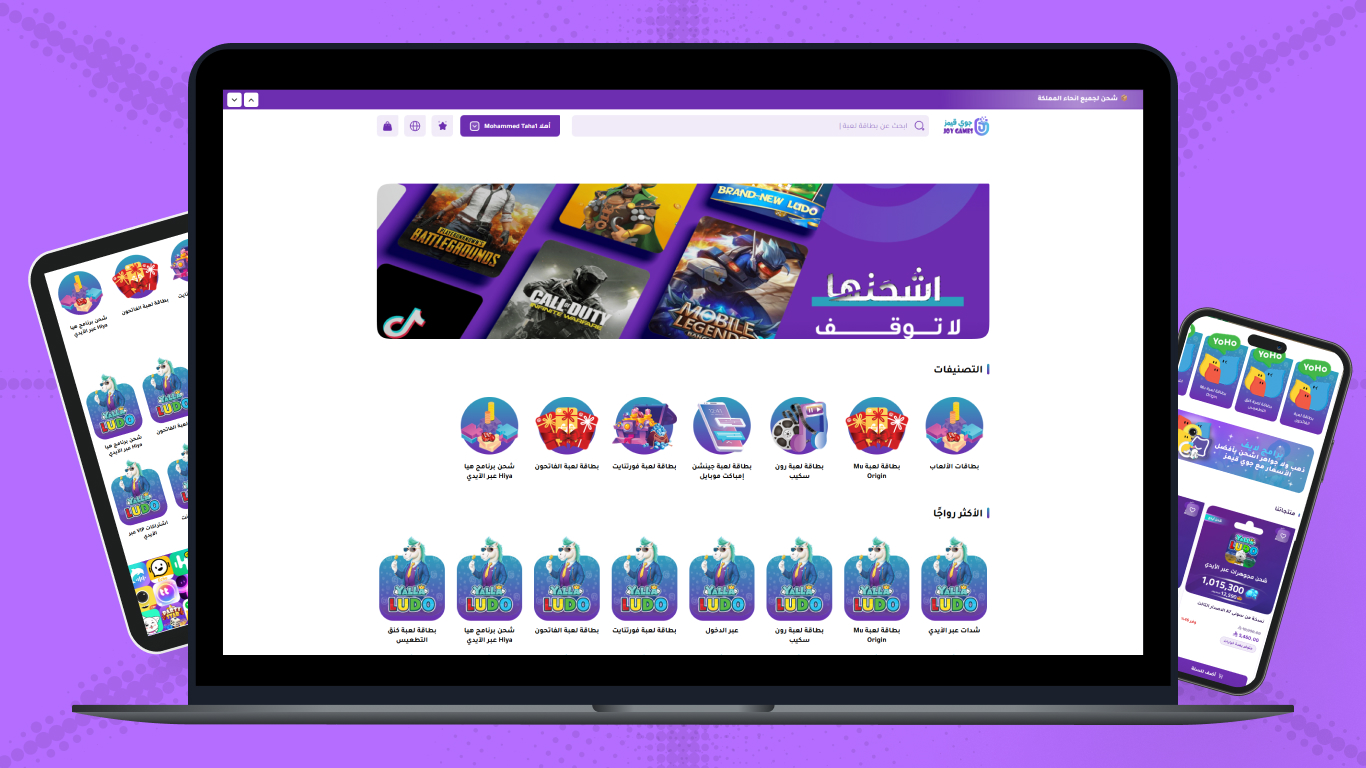




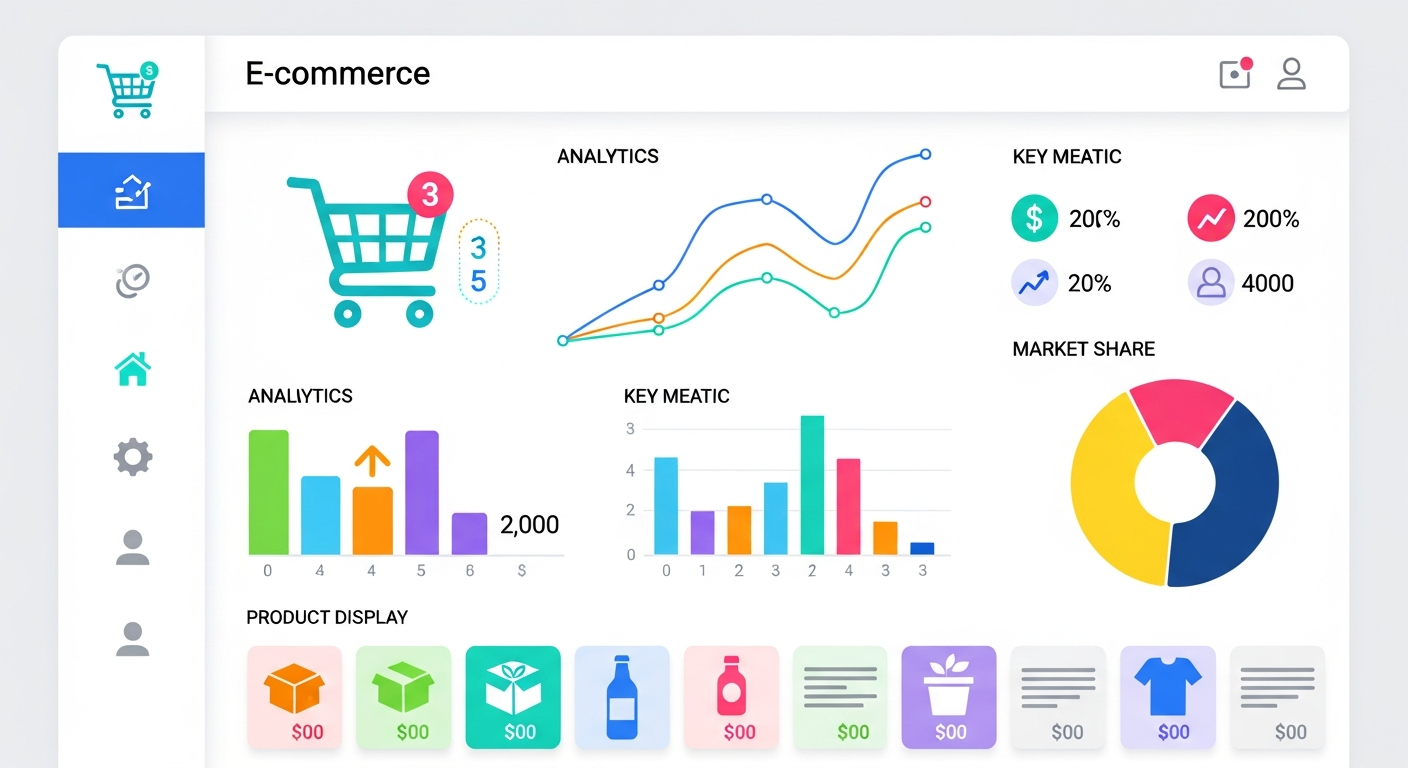
In the fast-paced world of e-commerce, having an excellent and competitively priced product alone is no longer enough to guarantee achieving target sales and sustainable success. The online store is your digital storefront, and it is exactly equivalent to the storefront of a commercial shop in the real world. Imagine entering a physical store where goods are randomly stacked, the lighting is dim, and there are no signs directing you to the sections; you'll likely leave immediately without buying anything. The same applies exactly to online stores, where store design plays a decisive role in keeping the visitor and smoothly guiding them toward completing the purchase process, which directly reflects on the success of your commercial project.
Here the most important concept in the world of digital sales emerges, which is "Conversion Rate," which simply means the percentage of visitors who actually made a purchase out of the total number of store visitors. Leading e-commerce platforms like Zid and Salla provide you with tremendous technical infrastructure and professional design templates, but how you employ these templates and customize them to suit your visual identity and customer behavior is what makes the real difference. In this comprehensive article, we will delve into store design strategies and how to leverage the tools of Zid and Salla platforms to raise the conversion rate, and convert passing visitors into permanent and loyal customers of your brand.
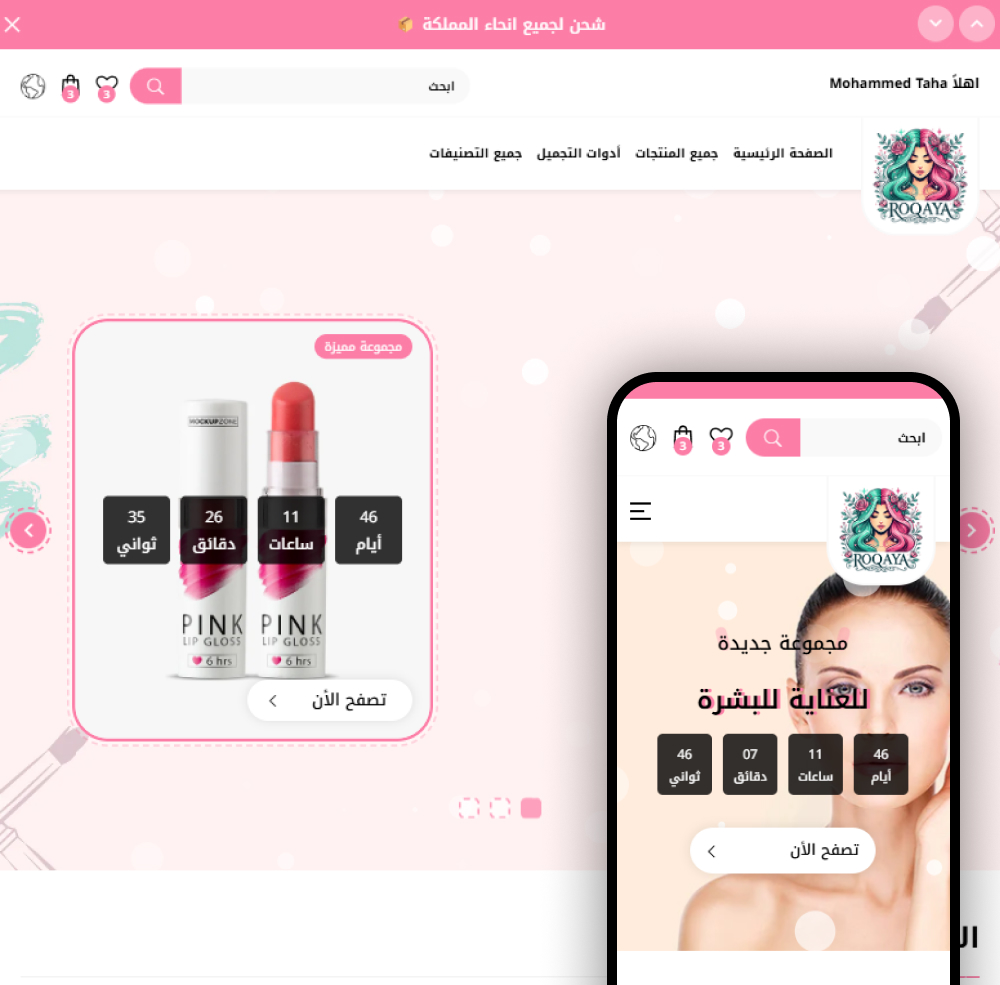
The Strategic Importance of Store Design in Raising Conversion Rates
Conversion rate isn't just a passing number in performance reports, but is the real indicator of how successful your store is in convincing visitors of the quality of your products and the reliability of your brand. When we talk about store design on Zid and Salla platforms, we don't just talk about choosing attractive colors or beautiful fonts, but we talk about "user experience engineering" (UX/UI). Successful design is what reduces the mental effort the customer makes to search for the product, and makes the purchase steps clear and intuitive, significantly reducing bounce rates and increasing the likelihood of successfully completing the order.
The link between design and building trust is a close link that cannot be ignored in e-commerce. The Arab customer today has become more aware and able to distinguish between professional stores and random ones. The elegant and tidy design, which is free of visual errors and displays information with transparency, sends a hidden message to the customer that this store is reliable, and that the entity behind it is a professional entity that cares about the finest details. This feeling of trust is the foundational pillar that pushes the customer to enter their credit card data without hesitation, which is what Zid and Salla templates allow if used and customized optimally.
In addition, smart design contributes to highlighting the added value of your products and facilitating the process of marketing them internally. Through the correct use of whitespace, and harmoniously distributing elements, you can direct the visitor's eye toward the most profitable products or special offers you want to promote. The design must serve the content and not distract from it, and here you can benefit from Your Guide to Attracting Customers Through Product Photography to ensure that the images used in the design are of high quality and harmonize with the overall template of the store to enhance the attractiveness of the displayed items.
The First Impression and Its Psychological Impact on Purchase Decisions
The three-second rule is the golden rule in the world of e-commerce, where the visitor decides within this very short period whether they will stay in your store or leave it to a competitor store. The main banner on the homepage, the clarity of the logo, and the harmony of colors in the first seconds decisively determine the initial impression. On platforms like Salla and Zid, you can easily customize the top banners, and you must exploit this space to display a clear and powerful message, whether it is an irresistible promotional offer, or highlighting a unique competitive advantage that makes the customer decide to scroll down to explore more.
The psychological impact of colors and element distribution plays a hidden but effective role in motivating the desire to buy. Warm colors like red and orange may be used to create a sense of urgency on "Add to Cart" buttons or limited-time discounts, while cool colors like blue and green enhance the feeling of trust and calm and suit stores that sell health or tech products. You must be careful not to have the store crowded with conflicting visual elements that cause visual fatigue for the visitor, but let the products breathe by leaving comfortable empty spaces for the eye.
Consistency in visual identity between all store pages enhances the professionalism of your brand. Imagine the customer moving from a homepage designed with calm colors to a product page full of loud colors and different fonts; this contradiction breaks the trust barrier immediately. Make sure to unify the font type, heading size, and button style across all parts of your store on Zid or Salla. This visual harmony makes the browsing experience enjoyable and psychologically prepares the customer to receive your marketing messages and read product details with greater interest.
Basic Design Elements on Zid and Salla to Attract Customers
Zid and Salla platforms provide a wide range of ready-made templates designed based on the best global practices in e-commerce, but customizing these elements is what distinguishes one store from another. The first and most important of these elements is the Header and navigation bar. The menu must be simple, clear, and not contain an exaggerated number of main categories. The customer needs a clear map to reach their goal as quickly as possible, so use intuitive category names understandable to the target audience and avoid complex terminology.
The smart search bar is the unknown soldier in raising the conversion rate. Statistics confirm that visitors who use the search bar are the most likely to buy because they know exactly what they are looking for. On Salla and Zid, make sure the search bar is clearly visible at the top of the page, preferably in the middle of the top menu. Activating the advanced search feature or search that suggests products as soon as typing begins reduces the time it takes for the customer to reach the product, speeding up the purchase decision-making process and reducing the likelihood of them leaving the store empty-handed.
The way Product Cards are displayed on the homepage and category pages requires great care. Don't display all your products on the homepage, as this causes what is called "Choice Paralysis." Instead, use a carousel design to display the best-selling products, or new collections. Make sure the product card displays a clear image, the product name in a concise way, the price (with the discount highlighted if any), and a quick add-to-cart button to facilitate direct purchase without needing to enter the product page.
Optimizing Product Pages to Increase Direct Sales
The product page is the decisive point where the customer makes their final decision to open their wallet or close the page. The design of this page must focus primarily on clarity and transparency. Provide multiple images of the product from different angles, with activating the Zoom feature so the customer can inspect the details as if they are holding the product in their hands. The price must be written in a large and clear font, and the "Add to Cart" button must be the most prominent element on the page, with a contrasting color and a size that immediately attracts attention.
The arrangement of information inside the product page directly affects the customer's absorption of the product's value. Don't put a long and boring description as a single text block, but use clear bullet points and short paragraphs to highlight benefits and features. You can review Secrets to Writing Texts That Sell on Zid and Salla to learn how to craft engaging content that complements the visual design. Combining persuasive texts with eye-comfortable design forms an irresistible duo that noticeably raises the likelihood of completing the purchase.
Building trust within the product page requires integrating design elements that assure the customer they are safe. Displaying previous customer reviews with stars below the product name, adding secure payment icons, and clarifying the return policy concisely next to the purchase button, all are small design details but their psychological impact is great. These elements answer the customer's silent concerns and encourage them to proceed with the payment process with complete reassurance.
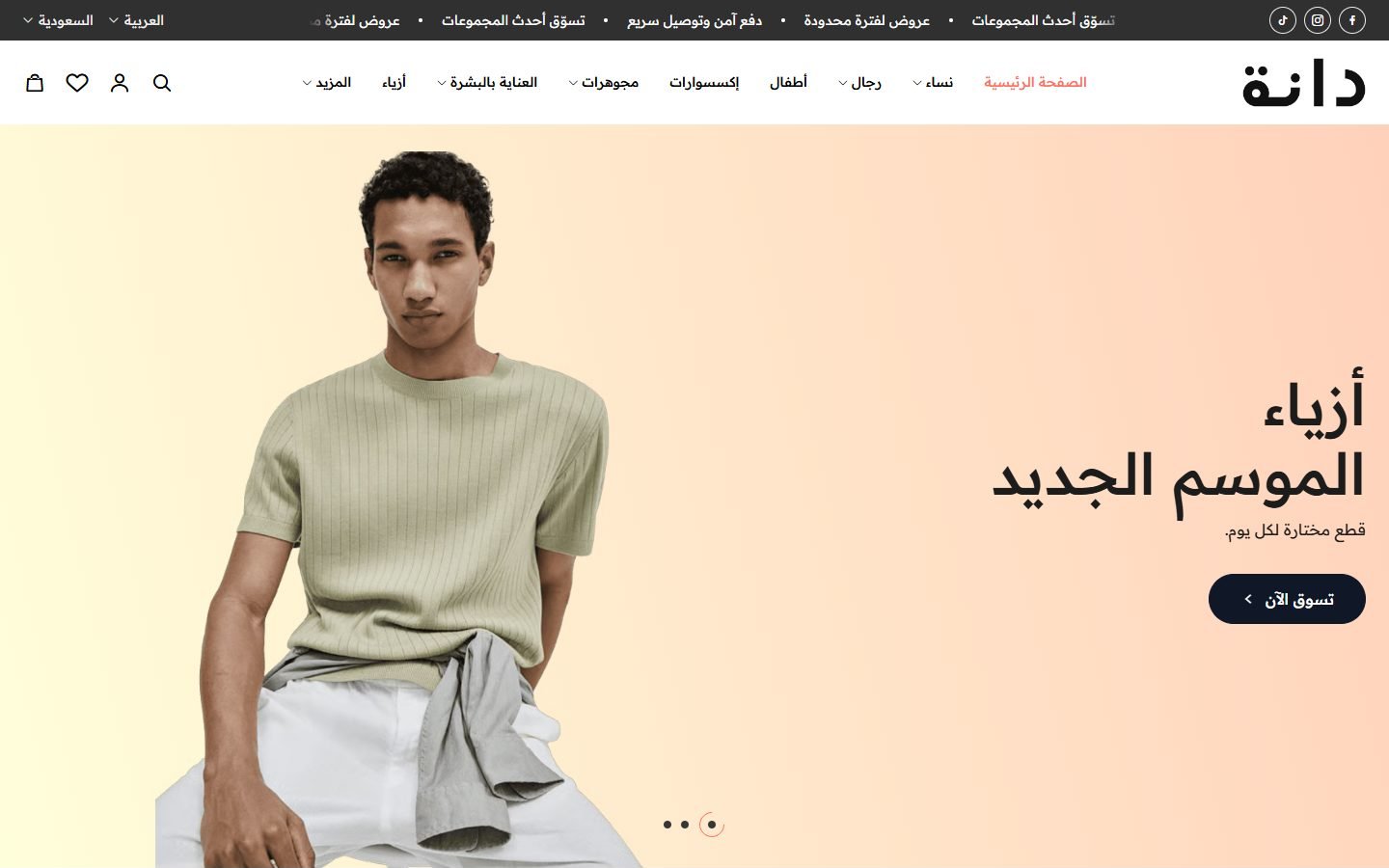
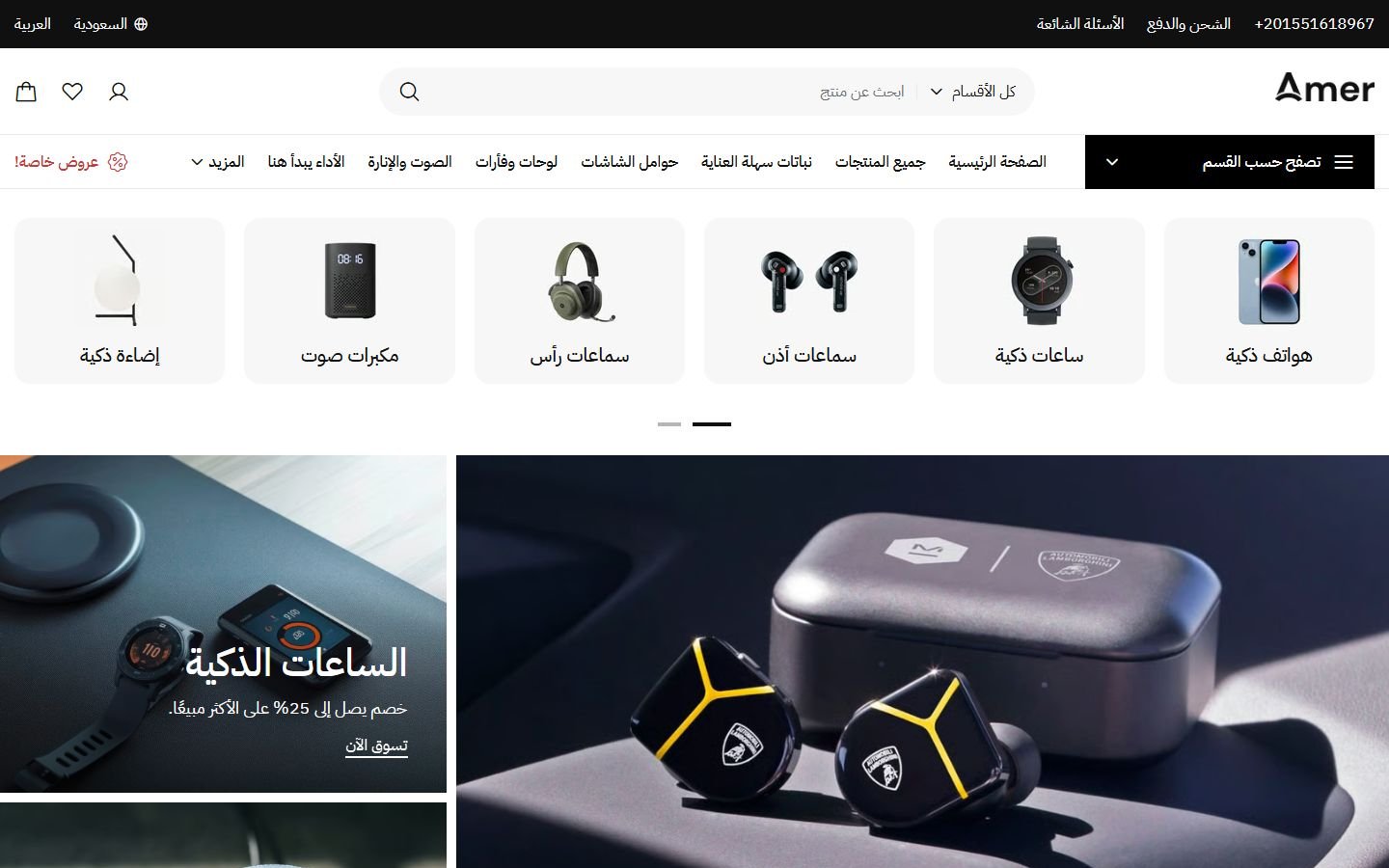
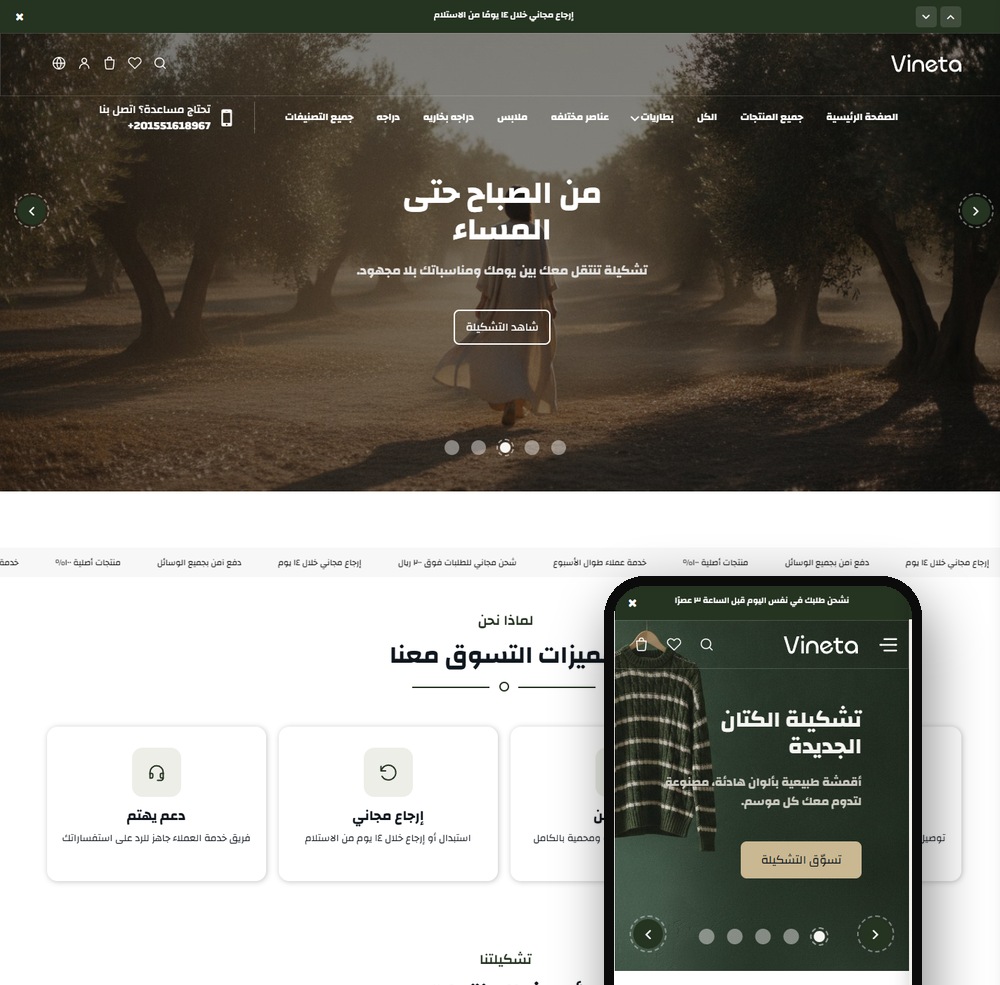
Advanced Strategies for Improving Store Interface and User Experience
Once the basics are completed, you must move to advanced strategies that differentiate between ordinary stores and high-conversion stores. One of the most important of these strategies is the smart use of pop-ups. If used annoyingly and as soon as the visitor enters, they will lead to driving them away. But if designed to appear at exit-intent or after the customer has browsed several pages, and offering an exclusive discount code in exchange for subscribing to the mailing list, they turn into a magical tool to capture hesitant customers and expand your marketing database.
Visual Hierarchy is the art of directing the user's eye toward the most important elements in the order you want. By controlling font size, color contrast, and spaces, you can make the customer read the attractive title first, then look at the product image, then read the price, and finally settle their gaze on the purchase button. In advanced Zid and Salla templates, you can easily control these elements to ensure that the customer's eye journey within the page is a logical and specially designed journey to lead them toward purchase without any side distractions.
Activating strategies to increase the average order value requires smart design that doesn't appear as sales pushiness. Allocating a section at the bottom of the product page titled "Products You May Like" or "Other Customers Also Bought" enhances additional sales. To implement this strategy professionally, we recommend reading the guide Cross-Selling and How to Increase Your Profits on Salla and Zid, where the design of these sections must appear as a useful recommendation to the customer that complements their experience and adds value to their basic purchases, raising the total shopping cart smoothly.
Mobile-First Design Fully Compatible with Smartphones
In the Arab and specifically Saudi market, statistics indicate that more than eighty percent of traffic in online stores comes via smartphones. This means that your store design must adopt the Mobile-First approach. If your store looks great on the computer screen but is slow or inconsistent on the mobile screen, you are literally losing the largest part of your potential sales. Zid and Salla platforms offer Responsive templates, but you must test them yourself to make sure they are free of any visual defects on small screens.
When designing the mobile interface, the so-called Thumb Zone must be considered. Most users browse their phones with one hand and use the thumb to press buttons. Therefore, important buttons like "Add to Cart" or "Complete Order" must be easily within thumb reach at the bottom of the screen, and must be of sufficient size that prevents wrong pressing. Also, very small text links that are difficult to click must be avoided, and replaced with clear buttons that guarantee a frustration-free user experience.
The store's loading speed on mobile is an integral part of the design experience. Very large images and unoptimized files slow down the site speed and push the customer to leave before even seeing your products. Make sure to compress images before uploading them on Zid or Salla, and reduce the use of extensions that slow down browsing. Slow browsing is the number one enemy of conversion rate, and is a main reason for leaving products without completing the purchase, and here you can review Your Guide to Recovering Abandoned Carts to understand how fast and comfortable design can prevent this problem from the start.
Common Mistakes in Online Store Design That Must Be Avoided Immediately
Visual chaos and information overload are among the most fatal mistakes in online store design. Some merchants think that stuffing the homepage with all the offers, products, and moving banners will attract the customer, but the reality is that this causes mental distraction making the customer unable to focus on one product to make a decision about. Simplicity (Minimalism) is the key to success. Focus on one main message, specific products, and let the white spaces rest the visitor's eye and direct them toward the clickable buttons to facilitate the shopping journey.
Complicating the Checkout Process is a design mistake that costs stores a lot of money. When the customer reaches the shopping cart, the design must be a trench that directs them only forward without any distractions. Zid and Salla provide optimized and concise payment options, and as a merchant you must not add unnecessary custom fields that increase the length of the payment form. The more fields the customer is asked to fill out, the greater the chance of them retreating and abandoning the cart. Make the design at this stage focused only on safety, speed, and multiple payment options.
Lack of attention to color contrast and poor readability are mistakes that destroy the user experience. Using light gray text on a white background makes reading product details or store policies almost impossible, especially for mobile users under sunlight or for the elderly. You must always ensure high contrast between the text color and background color. Also, avoid using more than two or three different fonts in the entire store, as the abundance of fonts gives an impression of unprofessionalism and disturbs the eye during continuous reading.
Conclusion: Investing in Design for Sustainable Success in E-commerce
In conclusion, we must realize that designing an online store on platforms like Zid and Salla isn't a task that ends with just launching the store, but is a continuous process of improvement and development based on analyzing customer behavior and available data. Successful design is what evolves with the needs of your audience and adapts to promotional seasons, while always maintaining simplicity, clarity, and absolute focus on facilitating the customer's journey from the moment of entering until completing the payment process and arriving at the confirmation message.
Always remember that every design element, starting from the color of the purchase button, through the clarity of product images, to the speed of site browsing on smartphones, plays a cumulative role in building trust and raising the conversion rate. Investing time and effort in improving your store interface according to the best user experience (UX) practices will bring you doubled profits, because it reduces customer acquisition cost by increasing the effectiveness of every visitor who enters your store and converting them into an actual buyer.
By applying the advanced strategies we discussed, and avoiding common mistakes that cause visitor alienation, you will be able to transform your store on Zid or Salla into a sales machine that works with high efficiency. Don't hesitate to test different designs (A/B Testing), and monitor where customers click, and which pages they leave from, to continuously modify the design. Distinguished design is your most important investment to build a strong and reliable brand that guarantees you survival and growth in the highly competitive e-commerce market.