



Shopper Behavior Analytics: Understanding Your Customers in Salla and Zid
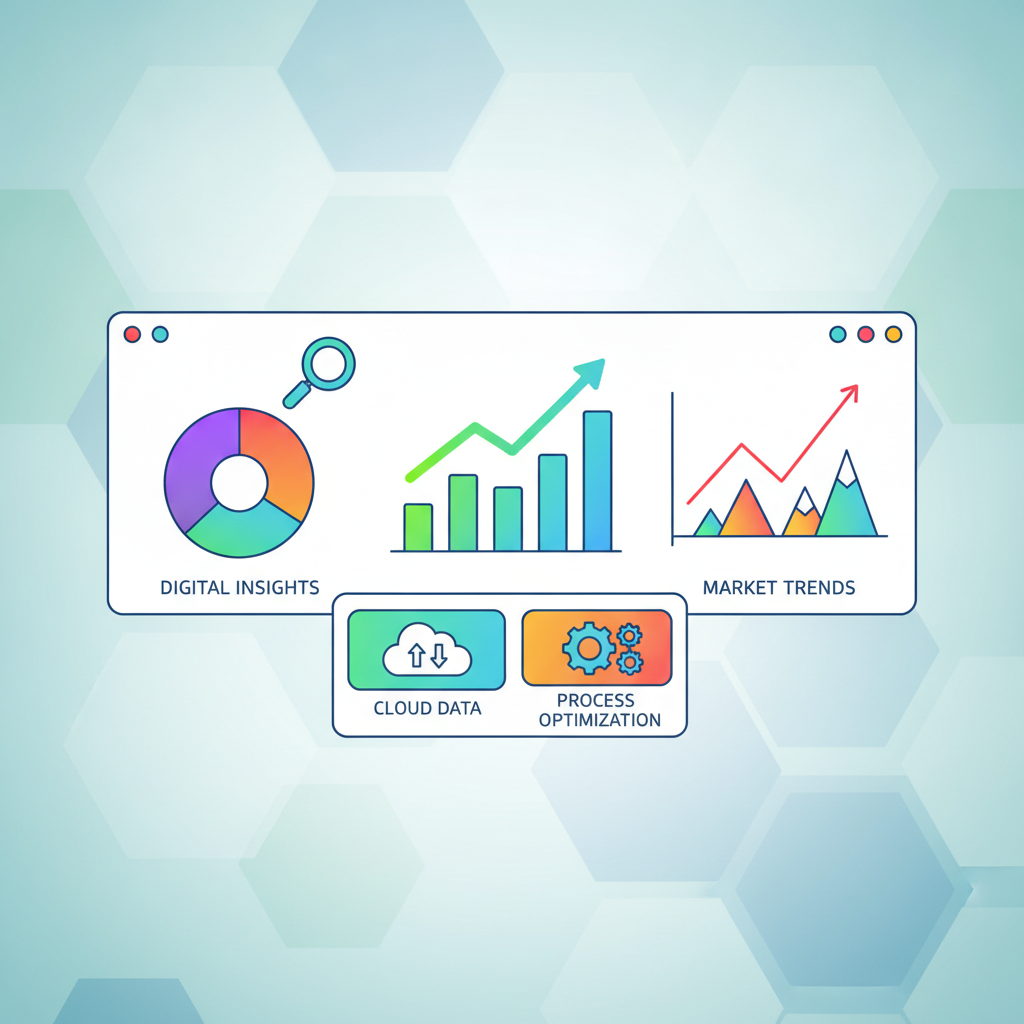
In the rapidly evolving world of e-commerce, merely displaying and selling products is no longer sufficient for sustainable success. Instead, understanding customers—how they interact with your store, and what drives their purchasing decisions or deter them—has become the true key to growth. Shopper behavior analytics is not just a complex technical term; it's a strategic compass that guides you towards improving user experience, increasing conversion rates, and ultimately, significantly boosting your online store's profits.
Ignoring shopper behavior data is like driving a car in the fog without headlights; you might reach your destination, but the journey will be fraught with risks and inefficiencies. Conversely, delving into this data provides profound insights into the entire customer journey, from the moment a visitor lands on your store until they complete a purchase, or even why they left. This comprehensive understanding empowers you to make data-driven decisions, rather than relying on guesswork, ensuring that every step you take in your store, whether on Salla, Zid, or Shopify platforms, is calculated and aimed at maximizing returns.
The Importance of Understanding Shopper Behavior
The importance of understanding shopper behavior in today's competitive e-commerce landscape cannot be overstated. With the increasing number of online stores and product diversity, the challenge of attracting and retaining customers grows. When you understand how your customers interact with your store, you can identify strengths and weaknesses in the customer journey, and then take necessary corrective actions to improve this journey, making it smoother and more appealing.
Understanding shopper behavior helps you enhance the user experience, a crucial factor in purchase decisions. If the store is difficult to navigate, or the checkout process is complicated, customers are likely to leave without completing a purchase, regardless of product quality or price attractiveness. Through behavior analytics, you can discover and remove these obstacles, ensuring a pleasant and efficient shopping experience, whether you are using the intuitive Arabic interface of Salla, the Saudi market-focused Zid, or the highly flexible global Shopify platform.
Furthermore, understanding shopper behavior allows you to customize your offers and marketing strategies. When you know what your customers are looking for, what products they prefer, and what offers they respond to, you can create more targeted and effective marketing campaigns. This not only increases conversion rates but also fosters long-term customer loyalty and satisfaction, turning transient shoppers into loyal customers and brand advocates.
What is Shopper Behavior Analytics?
Shopper behavior analytics is the process of collecting, analyzing, and interpreting data related to how visitors interact with your online store. This data includes everything from the paths they take within the store, the pages they visit, the products they view, the time they spend on each page, the keywords they search for, and even where they click on specific buttons or encounter difficulties. The goal is to uncover patterns and trends that help you understand their motivations and behaviors more deeply.
These analytics are not limited to tracking numbers and metrics; they extend to understanding the context behind these figures. For instance, knowing that 50% of visitors abandon their shopping carts might be important information, but what's more crucial is understanding why they abandon. Is it high shipping costs? Is it the need to create a new account? Is it complexities in the payment process? Behavior analytics provides you with the necessary tools to answer these vital questions, enabling you to identify problems and devise effective solutions.
Whether you manage a store on Salla, which offers basic built-in analytics, Zid, focused on facilitating commercial operations, or Shopify, with its advanced analytical tools and third-party app integrations, the principles of shopper behavior analytics remain the same. The real power lies in the ability to translate this data into actionable insights that empower you to optimize every aspect of your online store, from interface design to marketing and promotion strategies.
Key Shopper Behavior Metrics to Track
To get the most out of shopper behavior analytics, you need to focus on tracking a set of key metrics that provide a clear and comprehensive picture of your store's performance. These metrics will serve as a dashboard guiding your continuous decisions and improvements. By carefully monitoring these metrics, you can identify areas that need improvement and those that are performing well, allowing you to allocate your resources effectively.
Understanding and correctly interpreting these metrics is the essence of behavior analytics. Each number tells a story about customer interaction with your store. For example, if the bounce rate is very high, it might indicate that visitors are not finding what they are looking for, or that the landing page is not engaging enough. Conversely, if the average order value is low, you might need to focus on upsell or cross-sell strategies that can increase your revenue. Combining these metrics provides a panoramic view of your customers' behavior, enabling you to optimize the entire purchase journey.
Remember that these metrics are not just isolated numbers; they are part of an interconnected fabric representing the customer journey. You must analyze them within their full context to understand the bigger picture. This holistic approach will help you identify the links between poor performance in one metric and its impact on others, leading to more comprehensive and effective solutions for your store on platforms like Salla, Zid, or Shopify.
Conversion Rate
The conversion rate is one of the most critical metrics in e-commerce, indicating the percentage of visitors who complete a desired action, such as making a purchase. It is calculated by dividing the number of conversions by the total number of visitors and multiplying the result by 100. This metric is a direct measure of your store's effectiveness in converting visitors into actual customers. Regular monitoring of this rate is essential for evaluating your store's performance and the impact of changes you implement.
The conversion rate can be influenced by many factors, including ease of navigation, clarity of product descriptions, attractiveness of images, page loading speed, available payment options, and transparency of shipping costs. By tracking this rate, you can identify underperforming pages or products and work on improving them. For instance, if the conversion rate for a specific product is low, you might need to review its images, description, or even its competitive price.
To improve your conversion rate on Salla, Zid, or Shopify, you can focus on simplifying the checkout process, offering clear and attractive deals, and enhancing store speed. The built-in analytics tools of these platforms, along with third-party tools like Google Analytics, can help you understand how users interact with each step of the conversion funnel and identify leakage points that negatively affect this rate. You can check out Best Salla and Zid Apps to Boost Your Store's Efficiency which might help improve conversion rates.
Average Order Value (AOV)
Average Order Value represents the average amount of money a customer spends per purchase. It is calculated by dividing total revenue by the number of orders. This metric is important because it focuses not only on the number of sales but also on the total value of each sale, which directly impacts your revenue and profits.
Increasing the average order value does not necessarily require attracting more new customers; it can be achieved by encouraging existing customers to buy more. This can be done through strategies such as upselling, which offers the customer a higher-priced product or an upgraded version of the product they desire, or cross-selling, which suggests complementary products to what the customer is choosing. For example, if a customer is buying a phone, you can suggest a protective case or earbuds.
You can use smart recommendation features in Salla, Zid, and Shopify to increase AOV, or integrate dedicated apps for this purpose. Analyzing products frequently purchased together can provide valuable insights for developing attractive product bundles or 'buy more, save more' offers. These strategies not only increase your revenue but also enhance the shopping experience by providing additional value to the customer. To learn more about this, it might be beneficial to read our article on Upsell Apps: Increasing Average Order Value in Salla and Zid.
Bounce Rate and Exit Rate
Bounce rate refers to the percentage of visitors who visit only one page in your store and then leave without interacting with any other elements. A high bounce rate is often a negative indicator because it means visitors did not find what they were looking for or the page was not engaging enough to encourage further exploration. Exit rate, on the other hand, refers to the percentage of visitors who leave your store from a specific page, regardless of how many pages they visited before that.
Understanding the difference between these two metrics is crucial. Bounce rate reflects the visitor's first impression and may indicate issues with the landing page design, or a mismatch between the ad that brought the visitor and the page content. Exit rate, however, can help you identify pages where customers encounter difficulty or boredom before completing a purchase. For example, if the exit rate is high from the checkout page, it might indicate a complicated process or unclear information.
To improve these two rates, you should deeply analyze underperforming pages. Ensure that landing pages are relevant to the ads that bring visitors, that they load quickly, and provide a seamless user experience on all devices. Use tools like heatmaps to identify where visitors click or pause, revealing potential friction points. Improving information clarity and simplifying the purchase path can significantly reduce bounce and exit rates.
In-Store Search and Browsing Behavior
Understanding how customers search for products and navigate your store provides valuable insights into their needs and preferences. Tracking the keywords they use in the in-store search bar, the products they frequently view, and the categories they move between can reveal gaps in your inventory or opportunities to improve product categorization and navigation. This behavior is a direct indicator of their interests that may not appear in other metrics.
For example, if you notice that many customers are searching for a specific product not available in your store, this is a clear signal of a potential opportunity to expand your inventory. Similarly, if they are using certain terms to describe products, you can incorporate these terms into your product descriptions and titles to improve internal search and user experience. Platforms like Salla, Zid, and Shopify offer internal search reports that can help you track and analyze this data effectively.
Additionally, you can analyze common browsing paths; what pages does a customer visit before and after viewing a specific product? Are there certain pages where customers linger more than others? This information can help you reorganize your store's structure, improve internal links, or even design promotional offers targeting these paths. Understanding this behavior allows you to adapt your store's structure and offerings to better meet customer expectations, making their journey smoother and more efficient.
Data Collection and Analysis Tools in Salla, Zid, and Shopify
To effectively analyze shopper behavior, you need the right tools to collect and interpret data. Fortunately, e-commerce platforms like Salla, Zid, and Shopify offer a range of built-in tools and also support integration with powerful external analytical solutions. Choosing the right tools depends on your store size, budget, and the depth of analytics you require, but the fundamental is understanding what each platform offers and how you can leverage it to achieve your goals.
Whether you run a small store on Salla or Zid, or a large store on Shopify Plus, the ability to track data is the cornerstone of any growth strategy. These tools not only help you understand what is happening but also predict what might happen, allowing for proactive decision-making. By integrating data from multiple sources, you can build a comprehensive picture of the customer journey and identify hidden patterns that may not be obvious from superficial data alone.
Remember that tools are merely a means to an end. What matters most is how you use these tools and interpret the data they provide. Invest time in understanding how each tool works, how to read its reports, and how to convert numbers into actionable insights. This investment will yield significant long-term benefits, ensuring that your store grows and evolves based on a true understanding of your customers' behavior.
Built-in Platform Tools
Salla, Zid, and Shopify all provide built-in analytical dashboards that help you track your store's core metrics. In Salla and Zid, you can access reports on sales, orders, best-selling products, and visitors. These reports offer a quick overview of your store's performance and help you identify general trends in sales and customer behavior. While they may not offer the same depth as specialized tools, they are an excellent starting point for any store owner.
Shopify, with its global nature and diverse options, offers a more robust and comprehensive analytical dashboard. Shopify reports allow you to track conversion rates, traffic sources, customer behavior, and even marketing campaign performance. Larger stores using Shopify Plus can get custom reports and advanced analytics tailored to their specific needs. These built-in tools are indispensable for daily monitoring and tracking your store's overall performance.
To get the most out of these built-in tools, make sure to review their reports regularly. Use the data to identify popular products, peak shopping times, and the channels that bring you the best customers. This basic information can guide your marketing and inventory decisions and help you improve the shopping experience. Understanding these reports is also the first step towards a deeper understanding of shopper behavior before moving on to more advanced analytical tools.
External Analytics Tools and Integration
In addition to built-in tools, you can enhance your analytical capabilities by integrating specialized external tools. Google Analytics (GA4) is one of the most powerful and popular of these tools, providing detailed user behavior analytics, from tracking pages visited to time spent in the store, and the paths taken before purchase. Google Analytics can be easily integrated with Salla, Zid, and Shopify, providing invaluable insights.
There are also other tools like Hotjar or Crazy Egg that provide heatmaps and session recordings, allowing you to visually observe how visitors interact with your store. These tools reveal click areas, scrolling patterns, and places where users pause or encounter difficulty, helping you directly identify user experience issues. Furthermore, Instant Messaging Apps: Improving Customer Service in Salla and Zid can provide valuable data on customer inquiries and recurring problems.
External tools are not limited to general analytics; there are specialized conversion rate optimization (CRO) tools like Optimizely or VWO, which allow you to run A/B tests on your pages to determine the most effective designs or messages. By integrating these tools with your store on Salla, Zid, or Shopify, you can gain deeper insights and implement continuous data-driven improvements, ensuring you are always ahead of the competition and effectively meeting your customers' needs.
Converting Data into Actionable Insights: Practical Strategies
Collecting and analyzing data is only the first step; the real value lies in the ability to transform this data into actionable insights that drive growth and improvement. Knowing that your conversion rate is low is not enough; you must know the reason behind this decrease and how you can address it. These practical strategies will help you bridge the gap between data and action, ensuring that every decision you make is based on a deep understanding of your customers' behavior.
Translating data into action requires a systematic approach that combines quantitative and qualitative analysis. Don't rely solely on numbers; try to understand the stories behind those numbers. For example, if data shows that customers are quickly leaving a product page, you might need to conduct short surveys or interviews with customers to understand why they are not interested. This blend of quantitative and qualitative data will provide a comprehensive understanding and enable you to make more accurate and effective decisions.
Remember that continuous improvement is a journey, not a destination. Even after implementing improvements, you must continue to monitor data and evaluate the impact of changes. This iterative approach ensures that your store constantly adapts to changing customer needs and remains competitive in the dynamic e-commerce market. Whether you use Salla, Zid, or Shopify, the ability to adapt and improve is key to long-term success.
Customer Segmentation
Customer segmentation is the process of dividing your customer base into smaller groups based on similar characteristics or behaviors. These characteristics can include demographics (age, gender, location), purchasing behavior (purchase frequency, average order value, preferred product types), or even how they interact with your store (new vs. returning visitors). This segmentation enables you to better understand the needs and preferences of each group and tailor your marketing efforts accordingly.
For example, you might discover that new customers have a higher bounce rate than returning customers, indicating a need to improve the first landing experience. You might also find that a specific group of customers frequently purchases luxury products, allowing you to target them with exclusive offers for these items. Platforms like Salla, Zid, and Shopify offer basic tools for customer segmentation, and third-party apps can provide more advanced segmentation options.
Through customer segmentation, you can create more targeted and effective marketing campaigns, increasing response and conversion rates. Instead of sending the same message to all your customers, you can send personalized messages that match the interests of each segment. This not only increases the effectiveness of your campaigns but also enhances customer loyalty and satisfaction by showing that you understand their needs and offer them exactly what they are looking for.
Optimizing the Purchase Funnel
The purchase funnel is the series of steps a customer takes from the moment they land on your store until they complete a purchase. This path typically includes awareness, interest, desire, and finally, action (purchase). Shopper behavior analytics helps you track the customer journey through this funnel and identify leakage points where customers abandon without completing a purchase. The goal is to simplify this path and make it as smooth as possible.
You can use conversion funnel reports in Google Analytics or the built-in tools in Shopify to identify steps where customers encounter difficulty. For example, if a large number of customers are leaving the shopping cart page, you might need to review shipping costs, payment options, or the need to create an account. Optimizing each step in the funnel, from the clarity of product descriptions and ease of adding products to the cart, to simplifying the checkout process, can significantly impact the overall conversion rate.
Remember that every small obstacle in the purchase path can result in a lost customer. Conduct A/B tests on product pages, cart pages, and checkout pages to determine which changes lead to the best results. Invest in improving page load speed and mobile user experience, as a significant portion of shopping now occurs via smartphones. By focusing on optimizing each stage of the purchase funnel, you can effectively reduce cart abandonment rates and increase your revenue.
Personalization and Targeted Marketing
After segmenting your customers and understanding the purchase funnel, the next step is personalization and targeted marketing. Personalization relies on using the data you've collected to deliver a unique experience to each customer, from displaying recommended products based on their browsing and purchase history to sending personalized marketing emails with relevant offers. This approach increases the likelihood of purchase and fosters customer loyalty because they feel the store understands their needs.
You can use personalization features in Salla, Zid, and Shopify to display relevant products on the homepage, product pages, or even in the shopping cart. For example, if a customer has viewed several products from a specific category, you can show them similar or complementary products. In email marketing, you can send abandoned cart reminders with a small discount to encourage the customer to complete the purchase, or send new product recommendations based on their past purchases.
Targeted marketing goes beyond just displaying products; it's about building a relationship with the customer by providing real value. Use data to understand the challenges your customers face and offer them solutions. For example, if you notice that a specific segment of customers buys certain products seasonally, you can set up proactive marketing campaigns to target them before the season begins. This proactive approach boosts sales and strengthens customer relationships, making them return repeatedly.
A/B Testing and Continuous Improvement
The journey of optimizing your online store does not stop with implementing initial changes. The key to long-term success is adopting a mindset of continuous improvement through A/B testing. A/B testing allows you to compare two different versions of a web page or a specific element (such as a call-to-action button, a headline, or an image) to determine which performs better, such as increasing conversion rates or reducing bounce rates.
For example, you can test two different colors for an 'Add to Cart' button to see which color generates more clicks. Or you can test two different versions of a product description to see which leads to more sales. Platforms like Shopify offer apps for A/B testing, and you can also use external tools like Optimizely or VWO that integrate with Salla, Zid, and Shopify to effectively design and execute these tests.
Continuous improvement means you are always looking for ways to enhance user experience and your store's performance. After conducting each A/B test, analyze the results, implement the winning version, and then look for the next element that can be optimized. This iterative, data-driven approach will ensure that your store continuously evolves to become more effective and efficient in meeting customer needs and achieving your business goals. Don't be afraid to experiment; every test is an opportunity to learn and grow.
Challenges and Best Practices in Shopper Behavior Analytics
Despite the immense benefits of shopper behavior analytics, it is not without its challenges. The sheer volume of data can be overwhelming, making it difficult to identify important patterns. Moreover, misinterpreting data can lead to incorrect decisions. Additionally, privacy concerns are growing, requiring store owners to handle customer data responsibly and transparently. Overcoming these challenges requires a strategic approach and adherence to best practices.
One of the biggest challenges is filtering noise from the signal. Not every data point is equally important. You must focus on metrics directly related to your business objectives. For example, if your goal is to increase sales, you should focus on conversion rates, average order value, and cart abandonment rates, rather than over-focusing on total page views that may not translate into actual sales. Setting clear goals before diving into the data is crucial.
Dealing with data privacy is another increasingly important challenge. You must comply with local and international regulations for protecting customer data, such as the General Data Protection Regulation (GDPR) in Europe and other data protection laws. Transparency with customers about how their data is collected and used, and providing options to control this data, is not only legally required but also builds trust and loyalty. Adopting best practices in this area not only protects your store from legal issues but also enhances your reputation as a trustworthy brand.
Focus on Actionable Data
In the world of data analytics, it's easy to get lost in a sea of numbers and charts. However, the primary goal is not just to collect data, but to extract actionable insights from it. This means focusing on data that can directly guide your decisions and improvements. Instead of tracking dozens of metrics, concentrate on a few key indicators that are closely tied to your business objectives.
To identify actionable data, always ask yourself: 'What can I do with this information?' If the answer is not clear or does not lead to a specific action, then that data might be less relevant to your current goals. For example, knowing that 70% of your visitors use mobile is information, but the actionable insight is that your store's design on Salla, Zid, and Shopify must be responsive and fully optimized for mobile devices, and the checkout process must be easy on mobile.
Create custom dashboards that display only the most important metrics and reports you need to make decisions. This will save you time and help you focus on what truly matters. Invest in training yourself and your team on how to read these reports and translate them into strategies. Remember that data is just a tool; the real power lies in your ability to use it to make a real difference in your online store's performance.
Commitment to Privacy and Security
In an era of increasing concerns about data privacy, adherence to the highest standards of privacy and security has become non-negotiable for any e-commerce store. As a store owner on Salla, Zid, or Shopify, you are responsible for protecting your customers' data, including their personal information and purchasing behavior. This is not just about legal compliance, but about building trust with your customers, which is the foundation of any successful business relationship.
Ensure that your store uses an SSL (Secure Sockets Layer) certificate to encrypt all data exchanged between the browser and the server, especially during payment processes. This provides a fundamental layer of security. Be transparent with your customers about your store's privacy policy; clearly explain the types of data you collect, how you use it, with whom you share it (if applicable), and how customers can control their data. E-commerce platforms typically provide templates for privacy policies and terms of service, but you should customize them to fit your store and its operations.
Additionally, regularly update your store's software and applications to address any potential security vulnerabilities. Use strong passwords and enable Two-Factor Authentication for your store's administrative accounts. Investing in data security and privacy is not just a cost; it is an investment in your store's reputation and customer loyalty. Today's customers are more aware of privacy issues, and your store that respects their privacy will have a significant competitive advantage.
Conclusion
In conclusion, shopper behavior analytics is the cornerstone of building and growing a successful online store in the contemporary e-commerce landscape. Whether you manage your store on Salla, Zid, or Shopify, the ability to deeply understand your customers, identify their motivations, and optimize their purchasing journey is what will differentiate you from competitors and ensure sustainable growth. In this article, we have discussed the importance of these analytics, the key metrics to track, the tools available for data collection, and practical strategies for converting this data into actionable insights.
Remember that success in e-commerce is not just about selling products; it's about building strong relationships with customers by providing an exceptional shopping experience. This can only be achieved through a precise understanding of their needs and preferences. By focusing on customer segmentation, optimizing the purchase funnel, implementing personalization, and committing to continuous improvement through A/B testing, you can build a store that meets and exceeds customer expectations, leading to increased conversion rates, higher average order value, and customer loyalty.
Therefore, we invite you to embrace a mindset of analysis and experimentation. Start today by delving into your store's data, even if it's simple. Invest time in understanding your customers, and don't be afraid to make changes based on what you learn. In every data point lies an opportunity for growth and innovation. Make shopper behavior analytics an integral part of your business strategy, and watch your store transform into an inspiring success story in the thriving world of e-commerce.