





In the e-commerce world, it's always said that the eye buys before the hand, and this principle manifests most clearly when we talk about online shopping where the customer lacks the sense of touch and the experience of trying the product physically. When a customer visits your online store — whether built on Salla or Zid — the first thing they see is the product images displayed. These images aren't just colored spaces filling the gap on the product page; they are the silent representative speaking on behalf of your brand, explaining your product's details, and persuading the visitor to make the purchase and payment decision. If the image is faded or unclear, the visitor will leave your store immediately believing that the product quality matches the image quality — and the exact opposite is true when images are professional and carefully crafted.
Investing in product photography is no longer a luxury option or a step ambitious online store owners can postpone — it is a fundamental pillar of success in a fiercely competitive market. Platforms like Salla and Zid provide you with excellent technical infrastructure, smooth user experience, and secure payment processes, but the visual content you place inside this template is your full responsibility. Attractive imagery is capable of breaking the buyer's hesitation barrier, building a bridge of trust between them and your store, and proving you run a professional business that cares about the finest details. In this comprehensive guide, we'll take you on a detailed and practical journey to learn the secrets and techniques of product photography and how to employ them to boost your sales and attract more shoppers to your online store.
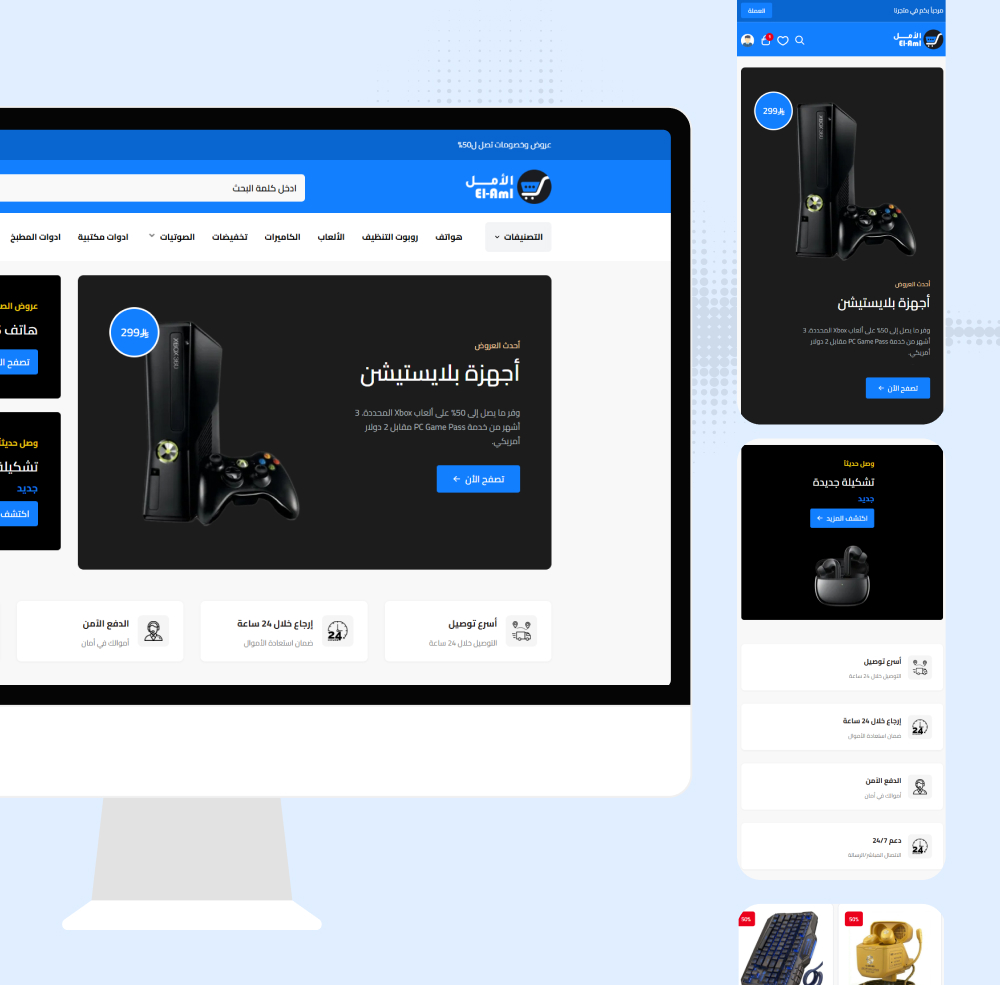
The Importance of Professional Product Photography in E-commerce
The supreme importance of product photography lies in its ability to bridge the wide gap between traditional and digital shopping. In a physical store, the customer can hold the product, turn it in all directions, examine its texture, and estimate its real size and weight. In your online store on Salla or Zid, the customer relies one hundred percent on the visual and textual information you provide. A professional image that clearly shows product details, reflects its true colors, and accurately highlights its materials replaces the missing sensory experience and gives the customer enough confidence that they know exactly what they'll receive when they open the shipping box delivered to their doorstep.
Moreover, image quality plays a decisive and direct role in increasing revenue and reducing losses simultaneously. Excellent images contribute effectively to boosting your Conversion Rate: How to Double Your Sales on Salla and Zid, as studies have proven that products with high-quality images enjoy add-to-cart rates much higher than others. On the other hand, accurate images reduce costly and annoying return and exchange rates, because customers who see product details correctly won't be surprised upon delivery and won't feel misled — saving your store reverse shipping costs and protecting your brand reputation from negative reviews.
The third important aspect of product photography is building the brand's visual identity and anchoring it in the consumer's mind. When a customer browses your Zid or Salla store and notices that all images follow a unified pattern — whether in lighting, shooting angles, or background colors — they immediately feel they're dealing with a professional institutional entity, not just an amateur seller. This visual consistency raises the perceived value of products, allowing you to price your products better and achieve higher profit margins, because customers are willing to pay extra for the feeling of trust, security, and professionalism your store images reflect.
Essential Equipment to Start Photographing Products for Your Store
There's a common misconception among beginner online store owners that getting professional images requires buying complex professional cameras and expensive lenses costing thousands of dollars. The truth today is completely different — modern smartphone cameras now have powerful sensors and advanced lenses capable of capturing stunning images that rival professional cameras if used correctly. The secret isn't always in the camera type, but in how to use it and understanding photography basics like focus, avoiding digital zoom which destroys image quality, and always cleaning the phone lens well with a soft cloth before starting a photo session to ensure maximum clarity and sharpness.
The second piece of equipment more important than the camera itself is the tripod. We cannot overstate the importance of this simple and inexpensive tool — it guarantees you get perfectly sharp images free from any shaking that might result from natural hand movement, especially when shooting in less-than-ideal lighting conditions where the camera needs longer time to capture light. Additionally, the tripod ensures fixing the shooting angle for all products, creating that visually comfortable consistency when products are displayed alongside each other in the product grid on your Salla or Zid store, so they all appear the same size and height.
As for accessories and props, they are the tools that bring life and story to your product. These props don't need to be complex or expensive; you can use simple elements from nature or home. For example, if you sell natural beauty products in your store, using some green leaves, water drops, or pieces of natural wood as elements surrounding the product will add an organic and aesthetic touch reinforcing the product's message. The purpose of these accessories isn't to distract attention from the main product, but to highlight its uses and give the customer a visual hint about the product's size and how it integrates into their daily life.
Setting Up Lighting and Appropriate Backgrounds
Lighting is the true soul of any photograph, and without good lighting even the most expensive cameras in the world will produce poor images. The best and lowest-cost option for beginner store owners is to rely on natural light. You can set up your photography table next to a large window allowing indirect sunlight in. The best times to shoot are early morning or just before sunset, when light is soft and naturally diffused, reducing harsh shadows that might hide product details or alter their true colors that must appear clearly to the customer.
If you prefer the flexibility of shooting at any time of day or night, investing in simple artificial lighting equipment will be an excellent step. You can buy a small Lightbox dedicated to product photography, which comes equipped with built-in LED lighting and multi-colored backgrounds, and is ideal for small products like jewelry, watches, or cosmetics. For larger products, you can use the simple three-point lighting system consisting of a strong main light from one side, a soft light from the opposite side to soften shadows, and a backlight to separate the product from the background and give it an attractive three-dimensional depth.
For backgrounds, the golden rule in e-commerce — recommended by platforms like Salla and Zid and preferred by search engines too — is using a pure white background for main product images. The white background removes any visual distractions, makes the product the sole hero of the image, and reflects high professionalism matching global standards of major stores. However, this doesn't prevent adding other product images with colored backgrounds or natural lifestyle environments as secondary images within the product page to show the product in use and give the customer a visually rich and integrated shopping experience.
Rules and Techniques of Attractive Photography for Salla and Zid Stores
Among the most important rules to follow when photographing your products is diversity in shooting angles. Settling for one product image from a frontal angle only is a serious mistake that reduces purchase chances. E-commerce platforms like Salla and Zid allow you to upload multiple images for each product — you should fully exploit this feature. Photograph the product from the front, back, sides, and take macro shots highlighting material, stitching, or fine engraving details. The image set should answer any visual question that might cross the skeptical customer's mind as they try to examine the product closely before making the purchase and payment decision.
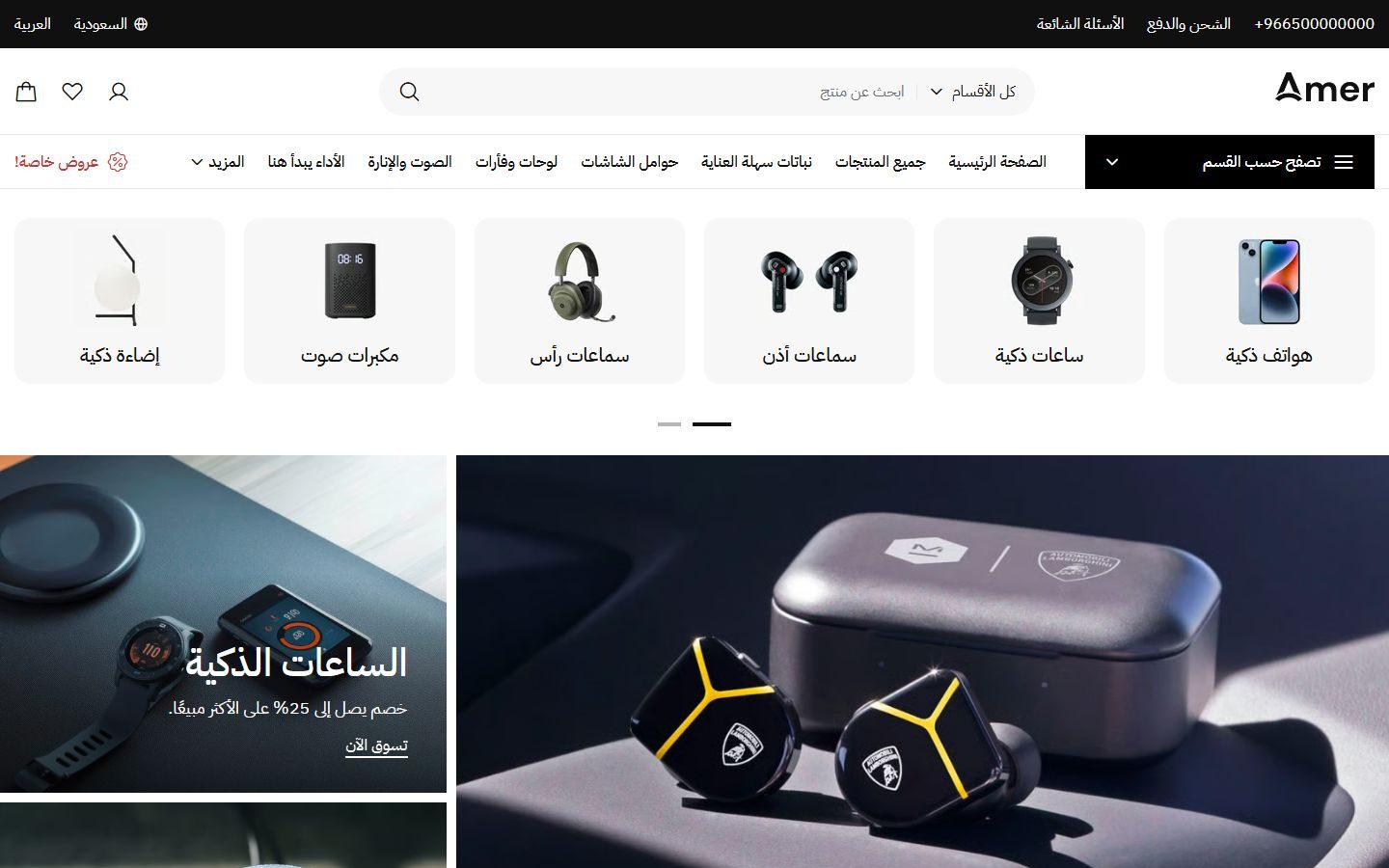
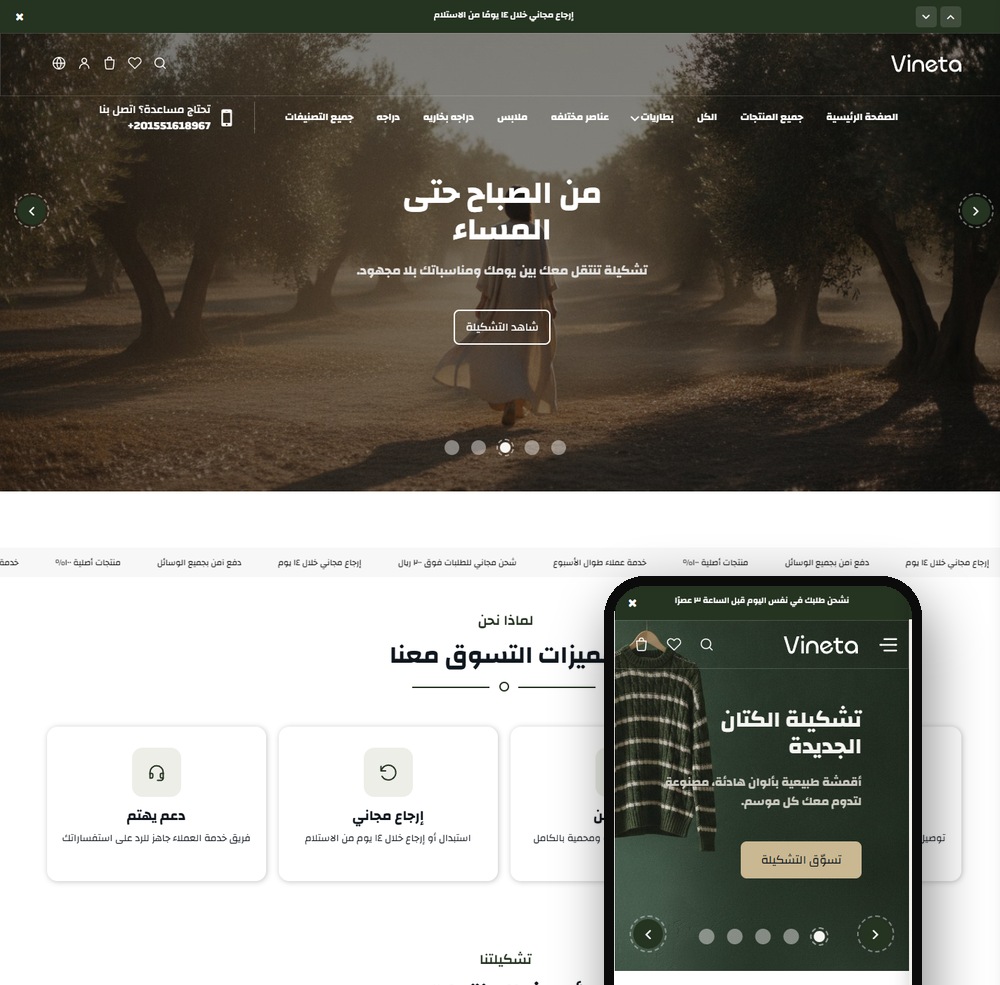
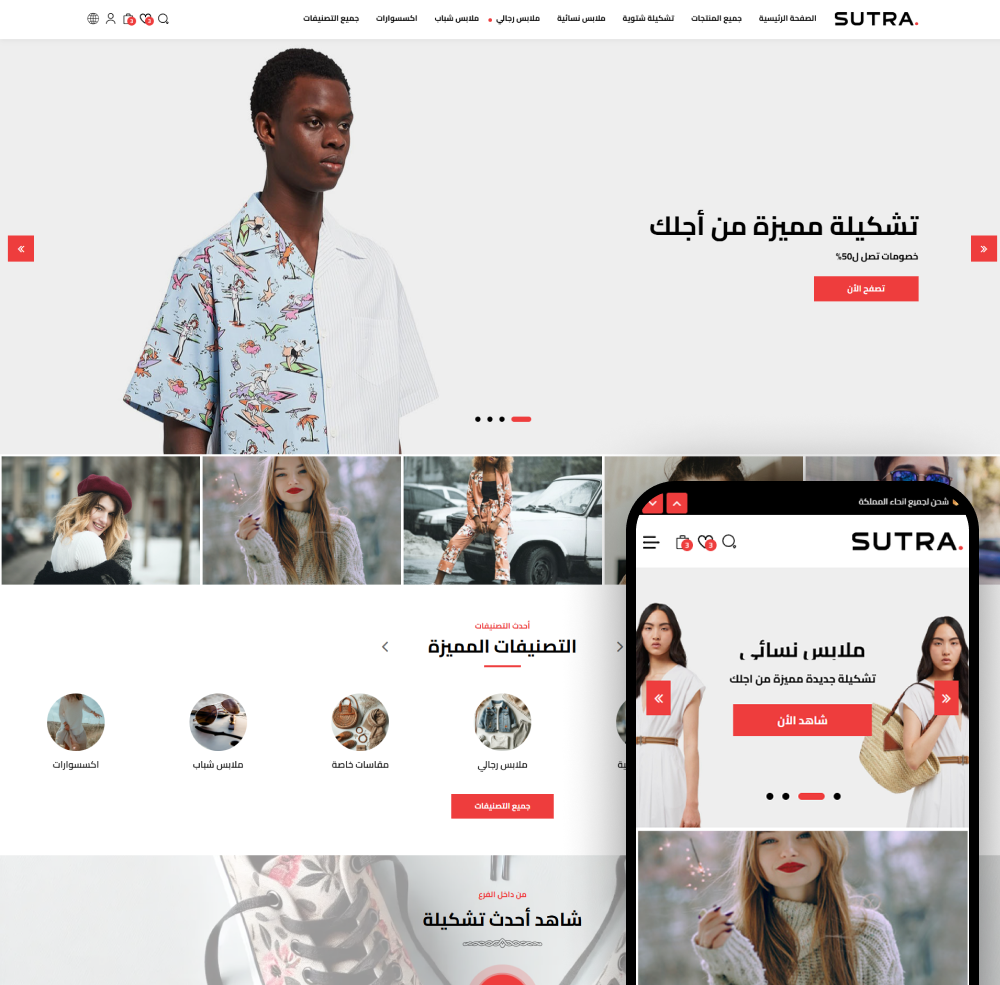
The second effective technique is integrating attractive images with strong textual content to create an irresistible persuasion experience. The image grabs attention and arouses desire, but text confirms facts and pushes toward taking action. Your images should work side by side with the product description; if the image shows the elegant design of a handbag, the description should explain the leather quality and the size of the interior space. You can learn more about how to integrate these elements effectively by reviewing Product Descriptions: Secrets to Writing Sales Content on Zid and Salla, where words and images integrate to build a product page with high conversion power persuasive to visitors regardless of their varied interests.
The third rule relates to visual consistency and unifying image aspect ratios. It's very annoying to a visitor's eye to browse the products section of your store and find a square image, followed by a vertical rectangular one, then a horizontal rectangular one. This inconsistency makes the store design look chaotic and disorganized no matter how beautiful the template used on Salla or Zid is. Always make sure to crop all your product images at a unified aspect ratio, like 1:1 (square) which is the most common and suitable for mobile screens where the vast majority of shoppers in our Arab region currently come from.
Optimizing Images for Search Engines and Store Speed
Capturing great images is only half the battle — the other half lies in how to prepare these images to upload to your online store. The biggest mistake store owners fall into is uploading images at their original huge size, which may reach 5 or 10 megabytes per image. This mistake leads to severe slowness in product page loading, and it's well known that loading slowness of just a few seconds is enough to make visitors leave the store without returning. You must use free online image compression tools to reduce image size to less than 200 kilobytes without noticeable impact on visual quality, to ensure fast and smooth browsing for your customers.
Besides size, images play a hidden but extremely important role in attracting free visitors through search engines like Google. Search engines can't see images as humans do — they read the texts associated with them. Therefore, you should rename the image file before uploading it to your store with a name expressing the product instead of random names like (IMG_1234). You should also pay attention to filling the Alt Text with accurate keywords describing the product. These simple steps are a fundamental part of the Store SEO: Topping Search Results on Salla and Zid strategy, ensuring your product images appear in Google Image search results.
Finally, pay attention to the image file format used. While JPEG and PNG are the most common and used for years — the first for regular images and the second for transparent backgrounds — the modern trend in advanced e-commerce platforms is heading toward using next-generation formats like WebP. This format provides very high quality with extremely small file size compared to traditional formats. Platforms like Zid and Salla support modern image compression and display technologies, but taking the initiative to prepare your images in the best formats and sizes before uploading will guarantee you superior store performance and a flawless user experience.
Common Product Photography Mistakes to Avoid
Among the most fatal mistakes that destroy trust between the store and the customer is displaying blurry or pixelated images. When customers zoom in to see product details and find blurry images and unclear pixel squares, they automatically assume the store is trying to hide product flaws or that the seller doesn't have sufficient professionalism. This usually happens due to not using a tripod for the camera, photographing in very weak lighting, or using digital zoom on the phone camera which actually crops the image and reduces its quality instead of visually zooming.
The second common and serious mistake is color inaccuracy, or what's known as White Balance problems. You might photograph a blue dress under warm yellow lighting, and the dress appears in the image with a color tending toward green. When the customer orders the dress based on the image and receives it in a different color, the inevitable result is an immediate return request, an angry negative review, and losing a potential customer forever. You should always make sure to adjust camera settings to reflect the natural colors of the product as the human eye sees them, and review images on more than one screen (phone and computer) before approving and uploading them to your Salla or Zid store to confirm color matching.
The third mistake is visual chaos and crowding the image background with elements unrelated to the product. Some merchants overuse accessories and props to the point where customers can't distinguish the product on sale from other items in the image. The fundamental rule in e-commerce photography is simplicity (Less is More). The eye should be able to focus immediately on the main product just by looking at the image. Use negative space (the space around the product) smartly to spotlight your product, and make sure to remove any dust, fingerprints, or impurities from the product before photographing it, because camera lenses capture the finest details you may not see with your naked eye.
Conclusion: Your Visual Investment Is the Key to Your Success
In closing this comprehensive guide, we must emphasize that product photography in e-commerce isn't just a technical or artistic step to fill your site's pages — it is an integrated marketing strategy and a powerful communication language between your brand and potential customers. Every image you upload to your Salla or Zid store is like a salesperson working around the clock, explaining, persuading, and selling on your behalf. Investing in delivering high-quality professional visual content is a direct investment in growing your sales, building customer loyalty, and anchoring your position in a market teeming with competitors racing to attract the attention of the same target segment.
Don't let the desire to reach absolute perfection prevent you from starting. You don't need a professional studio costing thousands of dollars to launch; start with what you have now — use your smartphone camera, rely on natural sunlight, and apply the rules and techniques we mentioned in this article. Over time and by monitoring your customer behavior and sales, you can gradually upgrade your equipment and develop your skills in photography and editing. E-commerce is a continuous improvement process — and the images you think are good today, you'll find yourself capturing better ones tomorrow as you gain more experience and practical practice.
Finally, remember that leading e-commerce platforms like Salla and Zid have provided you with all the technical tools you need to manage your store successfully and easily — from inventory management to payment gateways and shipping companies. What remains for you is to bring soul to this store by displaying your products in the most beautiful possible way. Make your product images reflect the quality of what you offer, respect the shopper's eye by presenting clear, honest, and attractive details, and you'll see how these images transform into increasing sales numbers and loyal customers who trust your store and prefer it over others.