



Installment Payments: Boosting Your Store's Sales on Salla and Zid
In the rapidly evolving world of e-commerce, store owners face continuous challenges in attracting customers and increasing sales, especially with rising product prices and increasing consumer expectations. It is no longer enough to simply display products and provide good customer service; it requires innovating flexible payment solutions that enable customers to make purchases without feeling financial pressure. This is where installment payments come in, becoming not just an added feature but a strategic necessity that significantly contributes to converting visitors into loyal buyers. It allows shoppers to acquire desired products, even high-value ones, by spreading the cost over manageable installments that suit their various budgets.
Installment payment solutions act as a bridge connecting customer desires with their purchasing power, opening new horizons for e-commerce stores to expand their customer base and increase average order value. Leading platforms such as Salla, Zid, and Shopify recognize this importance, which is why they offer multiple options for integration with prominent installment payment providers in the region. By enabling this feature, it's not just about facilitating the purchase process; it extends to building trust and loyalty with customers who will appreciate the store's consideration for their financial needs, thereby enhancing their overall shopping experience and encouraging them to return. This article will delve into all aspects of installment payments and how you can effectively leverage them to boost your store's sales.
The Concept of Installment Payments
Installment payments, sometimes known as 'Buy Now, Pay Later' (BNPL), is a payment system that allows shoppers to split the cost of their purchases into several smaller payments over a specified period, instead of paying the full amount upfront. This service is typically offered by specialized financial companies like Tabby and Tamara in the Middle East and North Africa region, which act as intermediaries between the merchant and the customer. When a customer chooses to pay in installments, these companies pay the full amount to the store upfront, and then they handle the collection of installments from the customer according to the agreed-upon schedule. This model offers significant benefits to both the seller and the buyer, as the seller receives their dues immediately, while the buyer enjoys financial flexibility.
The mechanism of installment payments relies on a quick creditworthiness assessment of the customer, often completed in mere seconds during the checkout process, without negatively impacting the user experience. After approval, the customer is directed to complete the first payment (if required), and then a payment schedule is set for the remaining installments, which may be interest-free or incur small fees depending on the agreement with the service provider. This significant simplification of the purchasing process removes traditional financial barriers that might prevent customers from completing their purchases, especially for high-priced items such as electronics, furniture, or even luxury fashion, thereby significantly expanding the accessibility of your products and services.
These systems are technologically advanced and provide a seamless user experience, allowing customers to manage their payments and track installments through dedicated apps from the service providers. For store owners on Salla, Zid, and Shopify, integrating these solutions is usually straightforward, requiring only a few setup steps. After activation, installment options clearly appear to customers on product pages and in the shopping cart, encouraging them to select higher-value products. Providing this flexibility can have a transformative impact on your e-commerce store's performance, making it more attractive and competitive in a market full of choices.
The Importance of Installment Payments for Increasing Sales
The fundamental importance of installment payments lies in their superior ability to directly and indirectly increase your store's sales. First and foremost, it helps reduce shopping cart abandonment, a global problem faced by all e-commerce stores. When a customer sees the option to split the payment, their hesitation to purchase decreases, and they become more willing to complete the transaction, even if the total price of the product is high. This directly translates into an increase in conversion rates, as more visitors become actual buyers, significantly boosting your store's revenue without needing to increase traffic.
Secondly, installment payments contribute to increasing the Average Order Value (AOV). When customers don't feel the burden of paying a large sum upfront, they are more inclined to add more products to their cart or choose more expensive versions of products they might have originally intended to buy. For instance, instead of purchasing a mid-range smartphone, a customer might opt for the latest, higher-priced model if they can split the amount into four manageable payments. This increase in individual order value boosts overall revenue and improves the store's overall profit margin, enabling you to invest more in marketing and product development.
Thirdly, installment payments open your store to a wider segment of customers who may not have sufficient liquidity for immediate payment but have the ability to pay in installments. This includes young people, those with limited incomes, or even those who prefer to manage their budgets smartly. By catering to the needs of these segments, you not only increase your customer count but also build long-term relationships based on trust and flexibility. This strategy is not limited to immediate sales increases; it lays a strong foundation for your store's long-term growth, enhancing your competitive position in the market. You can explore more about achieving these benefits by reading our article on Deferred Payments: Boosting Your Store's Sales on Salla and Zid.
For E-commerce Stores
E-commerce stores that adopt installment payment options enjoy a wide range of competitive and operational advantages that contribute to their growth and prosperity. The first of these advantages is a significant increase in conversion rates, as offering flexible payment options removes one of the biggest barriers to completing a purchase: high prices. When a customer sees that they can acquire the product they want without paying the full amount immediately, they become more willing to add the product to their cart and complete the purchase, significantly reducing cart abandonment rates and increasing the effectiveness of your marketing campaigns.
Secondly, installment payments contribute to a noticeable increase in Average Order Value (AOV). Customers who choose installments are often more daring in purchasing higher-value products or adding extra items to their orders, as they don't feel the financial pressure of immediate payment. This means you are not only selling more products but also selling higher-value products, which boosts your overall revenue and increases your profit margin. The ability to offer premium products or bundled packages becomes much easier when payment options are flexible and suitable for customer budgets.
Thirdly, installment payments help expand your customer base. By providing this option, you can reach new segments of shoppers who may not be able to pay upfront but have the ability to pay in installments. This includes young people, students, or individuals who prefer to manage their cash flow effectively. Additionally, installment payments enhance brand loyalty, as customers appreciate stores that offer them flexible and thoughtful solutions that meet their financial needs, encouraging them to return to the store for future purchases and contributing to building a positive reputation for your store in the market.
For Customers
For shoppers, installment payments offer a wide array of benefits that make the online shopping experience more convenient and flexible. The most prominent advantage is affordability, as installments allow customers to purchase products that might be too expensive for a single upfront payment, by splitting the cost into manageable monthly installments. This removes financial barriers and opens doors for them to acquire desired products, whether they are modern electronics, furniture for their home, or even luxury fashion, without having to wait or compromise on their wishes due to immediate budget constraints.
Secondly, installment payments provide flexibility in personal budget management. Instead of draining a large portion of cash flow at once, customers can spread their spending over several months, helping them maintain balance in their monthly budgets and avoid unexpected financial pressures. This flexibility gives them greater control over their finances and allows for better financial planning, making the shopping process less stressful and more sustainable in the long run, reflecting the store's commitment to providing practical solutions for its customers.
Thirdly, installment payments enhance the overall shopping experience. When customers know they have flexible payment options, they feel more comfortable and confident while browsing products and making purchasing decisions. This sense of empowerment and flexibility contributes to building a positive relationship between the customer and the store, increasing the likelihood of repeat purchases and recommendations to others. Furthermore, the ease and speed of installment approval, which in most cases takes seconds, makes the purchasing process smooth and uncomplicated, adding real value to the entire e-commerce shopping experience and making it more attractive.
Integration with Salla and Zid Platforms
Salla and Zid are prominent platforms supporting e-commerce in the Arab region, offering easy and effective options for integrating installment payment gateways. To activate this feature in your Salla or Zid store, the process typically begins by registering with a leading installment payment provider such as Tabby or Tamara. After completing the registration process and getting your merchant account approved by them, you will receive API keys or specific credentials to link the service to your store. These steps often involve providing information about your store, a commercial registration (if required), and bank details for receiving payments, ensuring transparency and compliance with financial standards.
After obtaining the credentials, you can navigate to your store's dashboard in Salla or Zid. In Salla, you'll find a dedicated 'Payment Gateways' section within the settings. There, you can add a 'New Payment Gateway' and select your chosen installment service provider (like Tabby or Tamara) from the available list. You will then need to enter the API keys you received from the provider into the designated fields. The process is similar on the Zid platform, which also provides a specific section for managing payment gateways and clear instructions to complete the integration. This process is designed to be simple and straightforward, requiring no deep technical expertise, allowing store owners to quickly activate the service and start offering installment options to their customers without delay.
It is important to ensure that all settings are correct and that the installment option appears clearly on product pages and in the shopping cart when selecting a payment method. After activation, it is advisable to test the purchase process as a customer to ensure everything works smoothly. Some service providers may also offer additional settings within their control panel to manage installment terms, such as minimum and maximum order values eligible for installments, or the number of available payments. For a deeper understanding of how to choose and activate suitable payment gateways for your store, we invite you to read our Payment Gateways Guide: Choosing the Best for Your Salla and Zid Store, which will provide valuable insights into this vital aspect of store management.
Integration with Shopify
Shopify is a leading global platform that offers great flexibility for store owners to integrate installment payment solutions, whether through global or regional payment gateways. To activate installment payments in your Shopify store, you can start by searching for available apps in the Shopify App Store. Many well-known global installment providers such as Affirm, Afterpay, Klarna, and PayPal Pay in 4, in addition to regional providers like Tabby and Tamara, have dedicated apps that can be easily installed and configured. These apps are designed to integrate seamlessly with your store's interface, ensuring a consistent and attractive user experience.
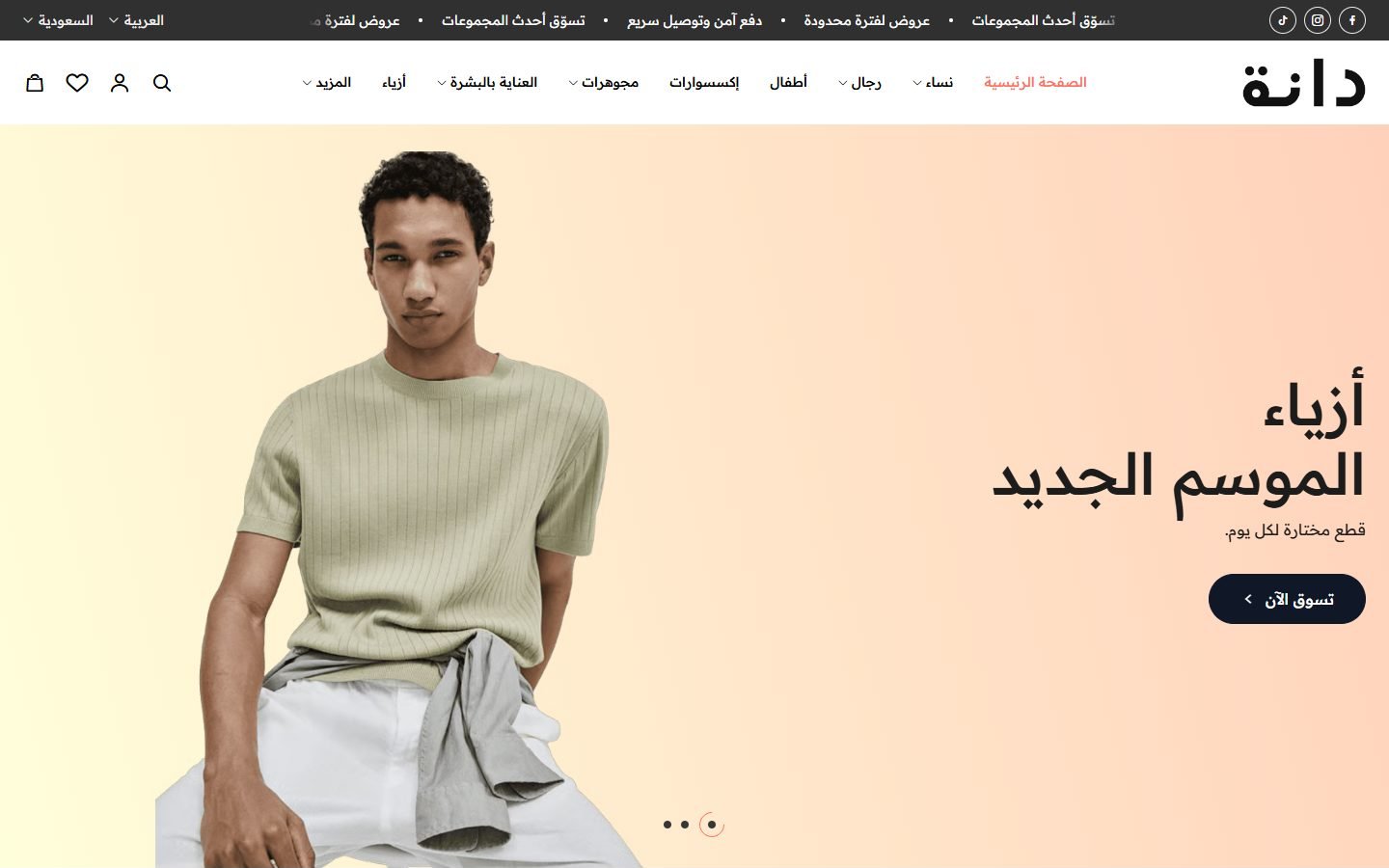
After selecting and installing the appropriate app, you will need to link it to your account with the installment service provider. These steps typically involve entering API keys that you obtain after registering and getting your merchant account approved with the provider. Shopify's admin panel, in the 'Payments' section, allows you to manage payment gateways and activate installed apps. You can adjust settings to determine when the installment option appears, such as minimum or maximum order value, or specific products that can be paid in installments, giving you full control over how you present this feature to your customers, thereby effectively optimizing your sales strategy.
Integration with Shopify is characterized by its flexibility and customizability, allowing you to modify the display of installment options to match your brand identity. You can often customize messages that appear to customers on product pages or at checkout to encourage them to use the installment option. It is essential to test the purchase process after activation to ensure that all steps are working correctly and that customers can smoothly select installment payments. This flexibility makes Shopify an excellent choice for stores seeking to offer advanced and diverse payment options to their customers worldwide, enhancing their competitiveness and increasing their attractiveness in the market.
Effective Promotion of Installment Options
To get the most out of the installment payment feature, your role must go beyond simply activating it in your store. It requires an effective promotional strategy that ensures customers are fully aware of this option and how it can benefit them. Start by prominently highlighting installment options on product pages, especially for high-priced items, using attractive banners or short texts that state "Pay in 4 interest-free installments" or "Start with only X SAR". This information should be visible and easy to understand, clearly stating the approximate monthly installment value, which captures customer attention and encourages them to explore the product in more depth.
The promotion strategy should not be limited to product pages only; it must extend to other touchpoints in your store. Place banners or ads on the homepage, in the shopping cart, and even on the final checkout page. Use email marketing and social media to promote installment options as part of your marketing campaigns, focusing on products that can benefit most from this option. You can create specific content explaining to customers how installments work, the benefits they will gain, and answering any frequently asked questions, which builds trust and encourages usage. This comprehensive approach ensures that no potential customer misses the opportunity to benefit from this financial flexibility.
Furthermore, consider integrating installment options into your paid advertisements, whether on Google or social media platforms. When customers see the possibility of installment payments directly in the ad, it may increase the click-through rate (CTR) and attract new customers who were previously hesitant due to the price. You can also collaborate with influencers to promote products while highlighting the installment option as a key attraction. By making installment payments an integral part of your marketing message, you not only increase awareness of the service but also enhance the perceived value of your store as a destination offering innovative and convenient solutions for its customers, ultimately leading to increased sales and loyalty.
Performance Analysis and Optimization
After activating installment payments and beginning to promote them, the process doesn't stop there. It is crucial to regularly monitor and analyze the performance of this feature to ensure it achieves its objectives and is continuously improved. Start by tracking key metrics such as the conversion rate for shoppers who choose installments compared to cash payments, and the Average Order Value (AOV) for installment orders. Have these metrics significantly increased? Is there a difference between the types of products purchased via installments? This data will provide valuable insights into the effectiveness of your strategy and help you identify areas that need improvement, whether in promotion or the installment terms themselves.
Utilize the analytics tools available on platforms like Salla, Zid, and Shopify, or the dashboards of installment service providers, to gain a deeper understanding of customer behavior. For example, you can identify which pages or products see the highest number of installment purchases, or whether there are specific times of the month when the demand for this option increases. Based on these analyses, you can adjust your marketing strategies, such as focusing on promoting the most popular products for installments, or launching special campaigns during periods of increased demand. This data-driven approach will ensure that your efforts in offering installment payments yield the maximum benefit for your store.
Do not hesitate to conduct A/B testing on different ways of displaying installment options, promotional messages, or even installment terms (if the provider allows it). For instance, you might test whether displaying "Pay in 4 installments" is more appealing than "Pay in monthly installments." This continuous improvement based on data and experimentation will help you enhance customer experience and steadily increase conversion rates. Remember that the goal is not just to activate the feature but to leverage it intelligently to foster your store's growth. You can benefit from our article on Shopper Behavior Analytics: Understanding Your Customers on Salla and Zid to deepen your understanding of how to use data to improve your store.
Understanding Fees and Costs
Despite the numerous advantages of installment payments, they come with certain challenges that store owners must understand and manage effectively. The most prominent challenge is the fees and costs associated with the service. Installment payment providers (such as Tabby and Tamara) typically charge merchants fees for each successfully processed installment transaction. These fees may be a percentage of the order value, in addition to small fixed fees per transaction. It is absolutely essential to thoroughly understand this fee structure before activating the service and how it will impact your product profit margins. You may need to re-evaluate your pricing strategy to offset these fees without negatively affecting the competitiveness of your prices in the market.
To overcome this challenge, you can start by carefully reviewing your agreements with installment service providers, understanding any hidden fees if they exist. Conduct a precise analysis of your costs and the profit margin of each product, calculating the net profit after applying installment fees. In some cases, you may find that the benefits resulting from increased sales and higher average order value far outweigh these fees, making the investment in this service worthwhile. However, you might sometimes need to slightly raise the prices of certain products to compensate for the fees, ensuring that this increase does not make your products uncompetitive, keeping in mind that customers are often willing to pay a slightly higher price for payment flexibility.
It is also important to negotiate with service providers if possible, especially if your sales volume is high. You might be able to secure lower fees or better terms. Additionally, you can consider a "loss leader" strategy where you offer installments on specific products with higher profit margins to absorb the fees, while continuing to sell other products through traditional methods. Full transparency about these costs in your business plan will help you make informed decisions and avoid any unpleasant surprises, ensuring that installment payments serve your profit objectives rather than becoming a financial burden on your store.
Managing Expectations and Transparency
Another challenge lies in managing customer expectations and ensuring full transparency regarding installment payment terms. While the installment option is highly attractive, any ambiguity or unclear information can lead to misunderstandings and frustration among customers, negatively impacting your store's reputation. All terms and conditions for installment payments must be clear and easily accessible to customers before completing a purchase. This includes the number of payments, the value of each installment, due dates, and whether there are any late payment fees (most service providers clarify this themselves, but you must ensure this information is clearly visible to your customer).
To overcome this challenge, make sure your store prominently displays all installment-related information in visible locations. You can add a dedicated FAQ page for installment payments that answers all potential inquiries, such as "How do installments work?", "What are the eligibility requirements?", "What happens if I miss a payment?". Using clear and direct language and avoiding complex jargon will help customers fully understand the process. You can also add links to the service provider's terms and conditions directly on the product page or checkout page, ensuring customers have access to complete and up-to-date information. Transparency is key to building trust, which is a crucial element in long-term customer relationships.
Furthermore, train your customer service team on all aspects of installment payments, so they can confidently and accurately answer customer inquiries. Prompt and clear responses to any customer concerns can be a decisive factor in converting them into satisfied buyers. By investing in clear communication and education, you can build a bridge of trust between your store and your customers, ensuring that the installment payment experience is positive and smooth for everyone, thereby enhancing customer satisfaction and driving repeat purchases and recommendations to others, maximizing the benefits of this feature.
Conclusion
In conclusion, installment payments are an indispensable strategic tool in the contemporary e-commerce landscape, especially for stores operating on platforms like Salla, Zid, and Shopify. This feature has proven its exceptional ability to transform financial challenges into immense growth opportunities by enabling customers to purchase with flexibility, increasing the average order value, and expanding the customer base unprecedentedly. Embracing installment payments is not merely adding another payment method; it is an investment in the customer experience and in your store's ability to compete and thrive in an ever-changing market, while building deep loyalty that extends beyond a single purchase.
To maximize the benefits of this feature, it is essential for store owners to adopt a comprehensive approach focused on seamless integration, effective promotion, and continuous performance analysis. Transparency regarding terms, conditions, and fees must be at the core of your strategy to ensure trust is built with your customers and to avoid any misunderstandings. Understanding potential challenges, such as managing costs and customer expectations, and developing plans to overcome them, will ensure that installment payments serve your business objectives sustainably and add real value to your brand.
We invite all e-commerce store owners, whether you are using Salla, Zid, or Shopify, to carefully evaluate the potential of installment payments and integrate them into your strategies. It is not merely a means to increase short-term sales, but a long-term investment in building a robust and flexible e-commerce store capable of meeting the evolving needs and desires of its customers, thereby achieving continuous growth and remarkable success in the thriving world of e-commerce. Seize this opportunity to provide an unforgettable shopping experience for your customers and watch your store flourish.