



Boost Conversions: 5 Secrets for Your E-commerce Store
In the rapidly evolving world of e-commerce, merely attracting visitors to your store is no longer enough to achieve desired success. Fierce competition and increasing customer expectations make converting these visitors into actual buyers a significant challenge that requires well-thought-out and innovative strategies. The conversion rate is the lifeline of your e-commerce store; it is the true metric that determines the effectiveness of your marketing efforts, store design, and the quality of your offerings.
Imagine having a store visited by thousands daily, but only a few complete a purchase. This indicates a massive lost opportunity and wasted money on attracting visitors who don't convert into customers. Therefore, understanding the reasons that drive a customer to complete or abandon a purchase is key to increasing your profits and growing your brand. Whether you use Zid, Salla, or Shopify, the fundamental principles of conversion rate optimization remain the same, and applying them intelligently can make a fundamental difference in your store's performance.
In this comprehensive article, we will unveil five essential, detailed, and practically applicable secrets that will enable you to boost the conversion rate in your e-commerce store. These secrets are not just fleeting tips, but strategic pillars built on e-commerce best practices that will help you build an unforgettable shopping experience for your customers and maximize the benefit from every visitor who lands on your store. Prepare to transform your store into an efficient sales machine that ensures your growth and prosperity.
Secret One: Optimize User Experience and Store Interface (UX/UI)
User Experience (UX) and User Interface (UI) are the cornerstones of any successful e-commerce store, as they are the first factors that define a customer's initial impression and directly influence their decision to stay or leave. A store that offers a smooth and enjoyable experience for the customer, from the moment they arrive until the completion of a purchase, is a store that has the ability to convert visitors into loyal customers. Therefore, your store's design should not only be visually appealing but also practical and intuitive to use.
Investing in improving the user experience means you are investing in your customers' comfort and trust in your store, which positively reflects on conversion rates significantly. When a customer easily finds what they are looking for, navigates smoothly between pages, and feels comfortable browsing, they are more willing to take the step of purchasing. This goes beyond mere aesthetics, delving into understanding customer behavior, expectations, and needs during the shopping journey.
Platforms like Zid, Salla, and Shopify offer powerful templates and features that help you build a professional store interface, but your role remains in customizing and optimizing it to suit your target audience. Every element in your store, from buttons to text, must be meticulously designed to guide the customer towards the ultimate goal: completing a purchase with minimal effort and hesitation.
Attractive and Easy-to-Use Design
An attractive and intuitive design for your e-commerce store serves as the primary interface through which customers view your brand, determining whether they will continue browsing or leave immediately. Your store must be designed in a way that professionally reflects your brand identity, while providing an easy and enjoyable browsing experience that does not require the customer to exert much effort to find what they are looking for. This includes using harmonious colors, clear fonts, and an organized layout that facilitates navigation between different sections.
Ease of use is not limited to aesthetic appeal; it extends to the clarity of product display and details. Product pages should be rich with high-quality images from multiple angles and accurate, compelling descriptions that clearly highlight the product's benefits and features. Call-to-action (CTA) buttons such as “Add to Cart” or “Buy Now” should be clear, prominent, and placed in easily accessible locations to ensure the customer is guided to the next step in the purchase journey without any hesitation. You can check out our comprehensive guide on the secrets of writing attractive product descriptions in Zid and Salla to enhance this aspect.
Utilize dropdown menus, advanced search, and filters to simplify the product search process, and ensure that adding products to the cart and reviewing them is easy and clear. Customers should feel complete control and comfort while browsing the store, which is achieved through a design that considers the finest details of their journey. The more organized and clear the store, the higher the likelihood of customers staying and converting into actual buyers.
Loading Speed and Store Responsiveness
In this fast-paced era, the loading speed of e-commerce store pages has become a critical factor that cannot be overlooked, as any slight delay can lead to the loss of potential customers and a deterioration in conversion rates. Shoppers expect an instant and seamless browsing experience, and if a product page or any other page takes too long to load, the vast majority of visitors will leave the store in search of a faster alternative, wasting your marketing efforts and reducing sales opportunities.
The importance of loading speed is not limited to customer satisfaction; it also extends to its direct impact on search engine optimization (SEO). Search engines like Google pay great attention to site speed when ranking results, and a slow store may suffer from a decline in its ranking, reducing its visibility to potential customers. Therefore, it is essential to ensure that all images and videos in your store are optimized for fast loading without compromising their quality, and to use caching techniques to ensure optimal performance.
In addition to speed, your store must be fully responsive to all screen sizes and devices, whether smartphones, tablets, or desktop computers. The majority of shoppers today use their mobile phones for online shopping, and if your store is not designed to provide an optimal experience on these devices, you are losing a large segment of your customers. Platforms like Zid, Salla, and Shopify provide responsive templates by default, but it is always important to test your store on different devices to ensure a smooth and effective experience.
Secret Two: Effective Marketing Strategies and Compelling Content
After optimizing your user experience and store interface, the next step is to attract the right customers and convince them that your products are the perfect solution for their needs. Without effective marketing strategies, even the best products and most beautiful stores may not achieve the desired sales. It's not just about bringing in visitors, but about bringing in visitors with high purchase intent, and then converting that intent into action through compelling content that resonates with their aspirations and solves their problems.
Effective marketing strategies require a deep understanding of your target audience, knowing where they are online, and what messages resonate with them. It's about building a bridge of communication and trust between your brand and potential customers, making them feel that your store is not just a place for buying and selling, but a reliable source of information and solutions they are looking for. This requires a mix of content marketing, SEO, and precisely targeted promotional campaigns.
Whether you use Shopify's built-in marketing tools, or Zid and Salla's specialized marketing apps, the goal is the same: to create a compelling story around your products that drives customers to want to own them. Content should go beyond merely listing features, focusing instead on the benefits customers will gain and how your products will improve their lives or solve a problem they face. This holistic approach to marketing and content is what sustainably boosts conversion rates.
Content Marketing and SEO
Content marketing and Search Engine Optimization (SEO) are among the most powerful tools for increasing conversion rates, as they work together to attract high-quality potential customers and provide genuine value to them even before they consider making a purchase. By creating relevant and useful content, such as blog articles, comprehensive guides, or even detailed product descriptions, you can establish your store as a reliable source of information in your field, which builds trust and encourages interaction.
To get the most out of content marketing, you should focus on the keywords your target audience is searching for. Conduct extensive keyword research related to your products and industry, then naturally integrate them into your website's content, including product titles, descriptions, and blog articles. This not only helps your store appear in top search results but also attracts visitors who are actively looking for the solutions your products offer. Remember, high-quality, SEO-optimized content is a long-term investment in your store's growth.
On platforms like Zid, Salla, and Shopify, you can easily create a blog section and include keyword-rich content. Ensure that product descriptions are not just a list of features, but a story that tells how the product can solve a customer's problem or improve their life. Every piece of content, from the main title to the small details, should be designed to attract attention and spark interest. For detailed guidance, you can visit our article on Product Descriptions: Secrets to Writing Engaging Descriptions in Zid and Salla, which offers practical tips for writing product content that effectively increases conversion opportunities.
Utilizing Offers and Promotional Campaigns
Offers and promotional campaigns are extremely powerful tools to motivate customers to make a purchase decision quickly and increase conversion rates in your e-commerce store. People are naturally inclined to look for deals and opportunities that give them added value for their money. However, simply offering discounts is not enough; these offers must be cleverly designed to create a sense of urgency and scarcity, prompting the customer to act immediately before it's too late.
You can use a variety of promotional offers, such as percentage or fixed discounts on specific products, or free shipping offers, which are a strong motivator for many shoppers. Additionally, offering free gifts with every purchase, or bundling products at a special price, can increase order value and encourage purchasing. The most important thing is to define the goal of each promotional campaign, whether it's to boost sales for a specific product, clear inventory, or attract new customers.
Zid, Salla, and Shopify platforms provide integrated tools for creating and managing promotional offers, including discount codes, setting offer expiration dates, and creating special offers for first-time shoppers. Use these tools effectively and promote your offers through multiple channels such as email, social media, and paid advertisements. Remember that transparency in offer terms is crucial for building trust and avoiding any misunderstandings with customers, ensuring a positive buying experience that increases the likelihood of their returning to purchase again.
Secret Three: Streamlining the Purchase and Payment Process
The purchase and payment process is the crucial stage a customer goes through before completing a conversion, and unfortunately, it's the point that sees the highest rates of cart abandonment. No matter the quality of your products or the attractiveness of your store, any complexity or obstacles at this stage can deter a customer from buying. Therefore, simplifying and facilitating this process as much as possible is not just a luxury but an absolute necessity to increase conversion rates and ensure deals are closed.
The goal is to make the customer's journey from adding a product to the cart to confirming the order as smooth, fast, and intuitive as possible. Customers should feel comfortable and secure at every step, and options should be clear and straightforward without the need for excessive thought or searching for additional information. This means reducing the number of steps, offering flexible payment options, and removing any sources of doubt or concern that might arise for the customer while entering their personal or financial information.
Platforms like Zid, Salla, and Shopify offer integrated and customizable payment solutions, but the merchant's responsibility lies in optimizing them for their target audience. The payment process should be an enjoyable experience that doesn't cause frustration, but rather enhances customer trust in your store. The simpler and more transparent the process, the higher the likelihood of converting a visitor into a happy and satisfied buyer.
Reducing Checkout Steps
Long and complicated checkout processes are among the primary reasons for customers abandoning their carts, costing e-commerce stores significant losses. Therefore, streamlining this process and reducing the number of steps required to complete a purchase is one of the most important secrets to increasing conversion rates. The customer's journey from the cart page to the order confirmation page should be as short and direct as possible, without any distractions or requests for unnecessary information.
One of the best practices is to offer a Guest Checkout option, allowing customers to complete a purchase without needing to create a new account, which is preferred by many shoppers who desire a quick and uncomplicated process. Additionally, using auto-fill features for fields, or remembering customer information if they are logged in, significantly reduces the required effort. Furthermore, displaying a progress indicator during the checkout process (e.g., Step 1 of 3) helps the customer know where they are in the process and reduces their frustration.
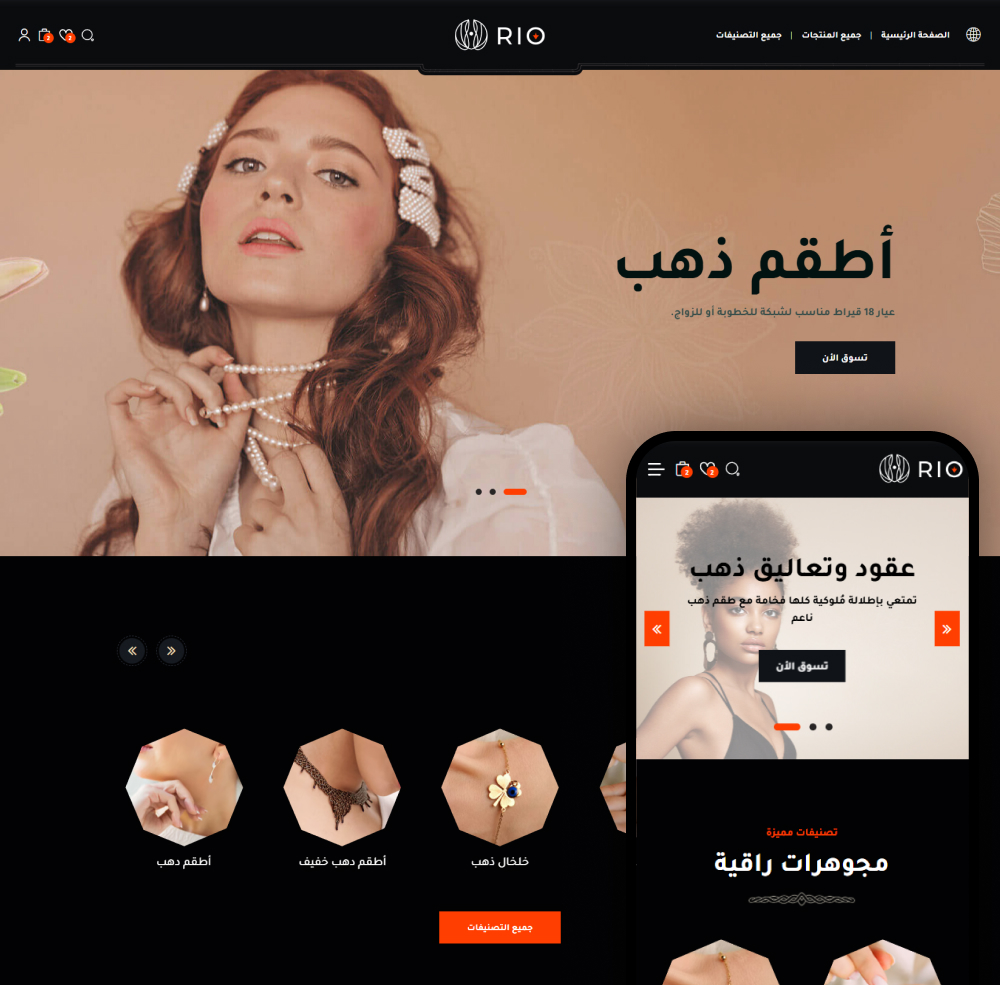
On platforms like Zid, Salla, and Shopify, you can customize checkout pages to simplify them as much as possible. Remove any distracting elements from the checkout page and ensure all buttons and instructions are clear. Only request the absolutely necessary information to complete the order and shipping. The smoother and faster the checkout process, the higher the likelihood of the customer completing the purchase and effectively reducing the cart abandonment rate. To learn more about this aspect, you can read our comprehensive article on Abandoned Carts: How to Recover Your Sales in Zid and Salla, which offers effective strategies for winning back customers who abandoned their carts.
Providing Multiple Payment Options
In today's diverse world, customers prefer to use different payment methods based on their personal preferences, geographical location, and even the value of their purchases. Therefore, offering a wide range of payment options is a crucial factor in increasing conversion rates, as it ensures that every customer finds the method with which they feel comfortable and secure to complete their purchase. Not providing a customer's preferred payment method can be a direct reason for them to abandon their cart, even if they desire the product.
Essential payment options should include major credit and debit cards (Visa, Mastercard), in addition to popular local payment methods in your target region, such as Mada in Saudi Arabia, or services like Apple Pay and Google Pay which provide a fast and secure mobile payment experience. Furthermore, offering installment payment options, especially for high-value products, can open new avenues for sales and attract a larger segment of customers.
Zid, Salla, and Shopify platforms integrate with many local and international payment gateways, making it easy for you to add these options to your store. Make sure to clearly display all supported payment method icons on the checkout page and in the store footer to build trust. The more options available, the greater your chances of meeting the needs of all your potential customers, which positively reflects on conversion rates and significantly reduces the cart abandonment rate.
Secret Four: Building Trust and Credibility with Customers
In the vast digital space, where options abound and stores proliferate, trust and credibility are among the most important assets any e-commerce store possesses. Without customer trust, your store will not be able to achieve the desired conversions, regardless of the quality of your products or the competitiveness of your prices. Online shoppers look for assurances that they are dealing with a trustworthy entity, that their money and personal information are safe, and that they will receive the product or service they expect.
Building trust is not a one-time action, but an ongoing process that requires transparency, integrity, and a commitment to providing the best possible service. It's about building a long-term relationship with your customers, based on mutual respect and fulfilling promises. When a customer trusts your store, they not only don't hesitate to buy, but also become advocates for your brand and contribute to promoting it among their friends and acquaintances, leading to increased organic sales and conversion rates.
Whether you use Zid, Salla, or Shopify, these platforms provide tools and features to help you enhance credibility, such as displaying SSL certificates, adding policy pages, and enabling customer reviews. However, the greater part of building trust rests on you as a store owner, through effective communication, exceptional customer service, and fulfilling your promises. These continuous efforts are what will transform hesitant visitors into loyal customers.
Customer Reviews and Testimonials
Customer reviews and testimonials are like gold in the world of e-commerce, providing invaluable social proof of your product quality and store reliability. Given customers' inability to touch or experience products before purchasing online, they heavily rely on the experiences of others to gauge a store's trustworthiness. Positive reviews can be a decisive factor in prompting hesitant buyers to make a purchase decision, while their absence can raise doubts.
Encourage your customers to leave reviews for the products they've purchased, whether via email after order receipt or through in-store notifications. Make sure to display these reviews prominently on product pages, in a dedicated testimonials section, and anywhere else potential customers might see them. Responding to reviews, both positive and negative, shows your care for your customers and affirms your transparency, further strengthening your store's trust and credibility.
Platforms like Zid, Salla, and Shopify offer built-in apps and features to easily collect and display customer reviews. Don't be afraid of negative reviews; instead, leverage them as an opportunity for improvement and to demonstrate your commitment to customer satisfaction. Stores with a mix of positive and negative reviews often appear more realistic and credible than those displaying only positive ones. Remember, every review is an opportunity to build trust and increase conversions.
Clear Policies and Excellent Customer Service
Transparency in store policies and providing exceptional customer service are two fundamental pillars for building trust and credibility with customers, and they directly impact conversion rates. Online shoppers often have questions and concerns about the purchasing process, return policies, shipping, or the privacy of their data. Providing clear and easily accessible answers to these questions can remove any hesitation and encourage the completion of a purchase.
Ensure your store has clear and detailed pages for shipping policies, returns and exchanges, privacy policy, and terms of service. These pages should be easily accessible from any part of the store, and written in clear, understandable language without any legal complexity. The more transparent and reassuring these policies are, the more confidence customers will have in dealing with your store, and their concerns about any potential issues after purchase will lessen.
In addition to clear policies, excellent customer service is a cornerstone of building loyalty and increasing conversions. Provide multiple and clear communication channels, such as live chat, email, and a phone number, and ensure your support team is responsive, polite, and capable of effectively resolving customer issues. Quick responses to inquiries and providing satisfactory solutions leave a strong positive impression and encourage customers to buy with greater confidence. To learn more about this aspect, you can read our useful article on Customer Service: How to Win Shopper Loyalty in Zid and Salla, which offers practical tips for earning your customers' loyalty.
Secret Five: Data Analysis and Continuous Improvement
In the data-driven world of e-commerce, your store cannot reach its full potential without a deep understanding of what's happening within it. Guesswork and making decisions based solely on intuition can be costly and lead to wasted resources and opportunities. The fifth and most critical secret to increasing conversions is the ability to systematically analyze data, and use the insights derived from this data to identify strengths and weaknesses, and then make continuous, informed improvements.
Data analysis enables you to accurately understand your customers' behavior: where they came from, what they are looking for, which products they prefer, and where they encounter difficulties in their journey within the store. This information is invaluable in identifying obstacles to conversion and directing your efforts towards areas that need improvement for maximum impact. Without this analysis, you will continue to operate in the dark and will not be able to achieve the sustainable growth you aspire to.
Platforms like Zid, Salla, and Shopify provide detailed dashboards and reports to help you track your store's key performance indicators. They can also be integrated with powerful analytics tools like Google Analytics to provide deeper insights. Making the most of these tools requires you to be willing to experiment with new ideas, accurately measure results, and then iterate the process to achieve the best possible performance. This cyclical approach to analysis and improvement is what distinguishes successful stores from others.
Tracking Key Performance Indicators (KPIs)
Tracking Key Performance Indicators (KPIs) is an indispensable step for any e-commerce store aspiring to increase conversion rates and achieve sustainable growth. These indicators provide you with a clear picture and measurable metrics of your store's performance, helping you understand the effectiveness of your current strategies and identify areas that require special attention. Without precise tracking of these indicators, your decisions will be based on guesswork, which may lead to unsatisfactory results.
Among the most important KPIs to focus on are: the Conversion Rate itself, which is the percentage of visitors who complete a purchase. In addition, you should track Average Order Value (AOV), Cart Abandonment Rate, Customer Acquisition Cost (CAC), and Customer Lifetime Value (CLTV). These indicators collectively provide you with a comprehensive overview of your store's financial and marketing performance.
The dashboards of Zid, Salla, and Shopify provide detailed reports on most of these indicators. Additionally, you can use external tools like Google Analytics to gain deeper insights into visitor behavior, traffic sources, most visited pages, and conversion funnels. By regularly monitoring these indicators, you can discover patterns, identify potential problems, and then develop informed action plans for improvement. For more details on how to read these reports, you can refer to our comprehensive guide on Data Analysis: How to Read Your Store's Reports in Salla and Zid, which will enable you to extract maximum value from your store's data.
A/B Testing and Continuous Improvement
After tracking key performance indicators and analyzing data, the next step is to translate these insights into actionable steps through A/B testing and continuous improvement. A/B testing is a systematic method of comparing two versions of a web page or a specific element (such as a call-to-action button, a headline, or a product image) to see which one performs better in terms of conversion rate. This approach removes guesswork from the optimization process and ensures that the changes you make are based on solid evidence.
You can test any element in your store, from product page design, to button wording, to the arrangement of payment elements, and even product prices. The idea is to make only one change at a time, then divide your audience into two groups: one group sees the original version (A), and the other group sees the modified version (B). After collecting enough data, it will become clear which version achieves a higher conversion rate, allowing you to implement the winning change on a wider scale.
Continuous improvement is a never-ending process. The e-commerce environment is constantly changing, customer expectations evolve, and competitors innovate. Therefore, you must always be ready to experiment with new ideas, measure their impact, learn from the results, and then repeat the process. Platforms like Shopify offer A/B testing apps, while external tools can be used with Zid and Salla. This commitment to continuous improvement is what ensures your store remains competitive and achieves the highest possible conversion rates over time.
Conclusion
In conclusion of this comprehensive article, we emphasize that increasing conversion rates in your e-commerce store is not merely a goal achievable with a few superficial adjustments, but a continuous journey that requires a deep commitment to understanding your customers and enhancing every aspect of their shopping experience. We have reviewed five essential secrets, each representing an indispensable pillar in building a successful e-commerce store capable of converting visitors into loyal buyers. From optimizing user experience and the store interface, to formulating effective marketing strategies, simplifying the purchase process, building trust, and finally, data analysis and continuous improvement, all these elements work together to create an unforgettable shopping experience.
Remember that success in e-commerce is not the result of a single effort or a solitary change, but the outcome of accumulating small, continuous improvements that focus on meeting customer needs and exceeding their expectations. Whether you manage your store on Zid, Salla, or Shopify, the tools available to you are becoming more powerful and sophisticated, but the real key lies in how you utilize these tools and apply the principles we've discussed. Start by implementing one or two secrets today, observe the impact, then move on to the next secret, and so on.
Don't let competition discourage you; instead, let it be an incentive for innovation and excellence. Make every visitor to your store a golden opportunity, and work hard to turn this opportunity into a successful purchase. By adhering to these five secrets, you will put your e-commerce store on the right track towards achieving sustainable growth, increasing your profits, and building a strong and reliable brand in the growing e-commerce market. The journey to increase conversions may be long, but its rewards are worth every effort.