



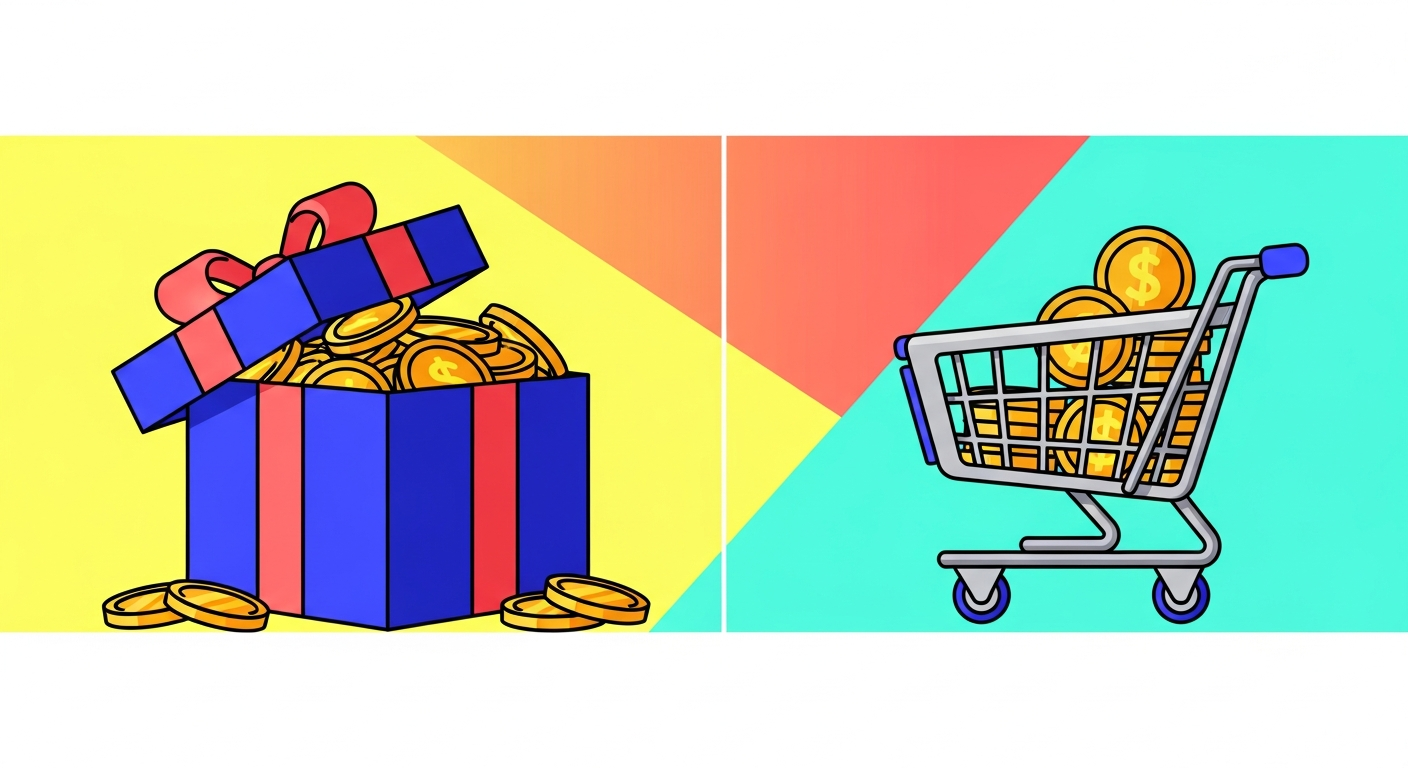
In the fast-paced world of e-commerce, especially in the fiercely competitive Arab market, many online store owners focus the bulk of their attention and budgets on attracting new customers through paid advertising campaigns. This constant focus on acquisition often makes them forget the real treasure they already possess: their existing customer base. The cost of acquiring a new customer is rising day by day, making total reliance on ads an unsustainable long-term strategy. This is where the utmost importance of focusing on customer retention strategies and keeping them coming back to purchase time and time again becomes apparent.
The Salla and Zid platforms are considered among the most powerful platforms providing merchants in Saudi Arabia and the Arabian Gulf with advanced tools to build sustainable customer relationships. Among these tools, loyalty programs sit on the throne of effective marketing strategies. A loyalty program is not just a point-distribution system; it is an integrated ecosystem aimed at strengthening the emotional and material connection between the customer and your brand. This makes them prefer your store over competitors, even if they offer lower prices, because they recognize the added value they receive with every purchase they make from your store.
Building a successful loyalty program requires a deep understanding of consumer behavior and precise knowledge of how to utilize the technologies available in Salla and Zid. In this comprehensive article, we will dive deep into loyalty programs and explain step-by-step how you can design and launch a program that guarantees your customers will return and increases customer lifetime value. We will cover best practices, mistakes to avoid, and how to link your loyalty program with other marketing strategies to ensure the maximum return on investment for your online store.
The Concept of Loyalty Programs and Their Strategic Importance for Your Stores on Salla and Zid
Loyalty programs are marketing strategies specifically designed to reward customers who continuously interact with your brand and make repeat purchases. At their core, these programs rely on the principle of reciprocity: the customer gives their loyalty and money to your store, and in return, you offer them tangible rewards such as store points, exclusive discounts, or free gifts. This exchange creates a positive environment that encourages the customer to return, as they feel that every riyal spent in your store yields an additional benefit they won't find in other stores that do not value their loyalty in the same way.
The strategic importance of loyalty programs lies in their superior ability to improve return on investment and reduce wasted marketing expenses. Studies in the e-commerce sector indicate that a slight increase in customer retention rates can lead to a significant multiplication of profits. Loyal customers tend to spend larger amounts on each purchase compared to new customers, and they are less sensitive to price changes. If you are facing challenges in convincing customers to complete a purchase in the first place, we recommend checking out our guide on Abandoned Carts: Your Guide to Recovering Salla and Zid Sales to understand how cart recovery can be integrated with loyalty rewards.
Furthermore, a loyalty program plays a crucial role in turning satisfied customers into true ambassadors for your brand. When a customer feels appreciated through a fair and generous reward system, they will not only return to buy but will also recommend your store to their family and friends. This word-of-mouth marketing is considered one of the most powerful and authentic types of marketing, bringing you new customers at almost zero cost. On platforms like Salla and Zid, you can track these referrals and reward customers for them, creating a sustainable growth loop that relies on your store's community rather than depending exclusively on paid advertising algorithms.
How Loyalty Programs Work Practically Within the Salla and Zid Platforms
On the Salla platform, the loyalty system is seamlessly and intuitively integrated into the merchant dashboard, making it easy to set up the program without the need for any programming experience. The merchant can determine the value of points earned for every riyal spent and set a minimum threshold for redeeming these points. The point balance is clearly displayed to the customer in the shopping cart and on their personal account page, creating an immediate psychological incentive to add more products to the cart to reach the next reward tier. The system also allows for customizing automated reminder messages that inform the customer of their current balance and how to utilize it.
As for the Zid platform, the environment offers high flexibility through its integrated app ecosystem (Zid App Market). Merchants can choose from several specialized loyalty program apps, such as Bonat or Mukafaa, which provide highly advanced features like segmenting customers into tiers (Bronze, Silver, Gold) based on their annual spending volume. These apps integrate perfectly with the customer database in Zid, allowing for the launch of precise, targeted marketing campaigns for each segment individually, and offering customized rewards that match their purchasing behavior and past preferences.
To ensure the success of this practical ecosystem on either platform, there must be a perfect alignment between the value of the points granted and the profit margin of your products. If the rewards are too generous, they may harm your net profits, and if they are too weak, they won't provide any incentive for the customer. To balance this delicate equation, it is essential to review your pricing strategy to ensure it accommodates the cost of the loyalty program. You can benefit from our specialized article on Product Pricing: Smart Strategies for Salla and Zid Stores to determine profit margins that allow you to offer rewarding incentives without compromising your store's financial sustainability.
Steps to Build a Successful Loyalty Program That Guarantees Customer Return
The first and most important step in building an effective loyalty program is defining your goals very clearly before starting any technical setups. Is your goal to increase the Average Order Value (AOV)? Or to increase purchase frequency within a specific timeframe? Or to clear out stagnant inventory by offering double points on it? Defining the goal will help you formulate the program's rules in a way that serves your store's best interests. For example, if the goal is to increase the average order, you can set up the system so that the customer only receives extra points if their cart value exceeds a certain amount, prompting them to add complementary products to reach the required threshold.
The second step is designing the reward structure to be simple and understandable to the customer at first glance. Complexity is the number one enemy of loyalty programs. The customer must know very clearly that if they spend one hundred riyals, they will receive a specific number of points equal to a specific cash value. This information should be highlighted on the store's homepage, on product pages, and in the shopping cart. The more transparent and easy to understand the program is, the more the customer will trust it and the more eager they will be to interact with it and passionately collect points.
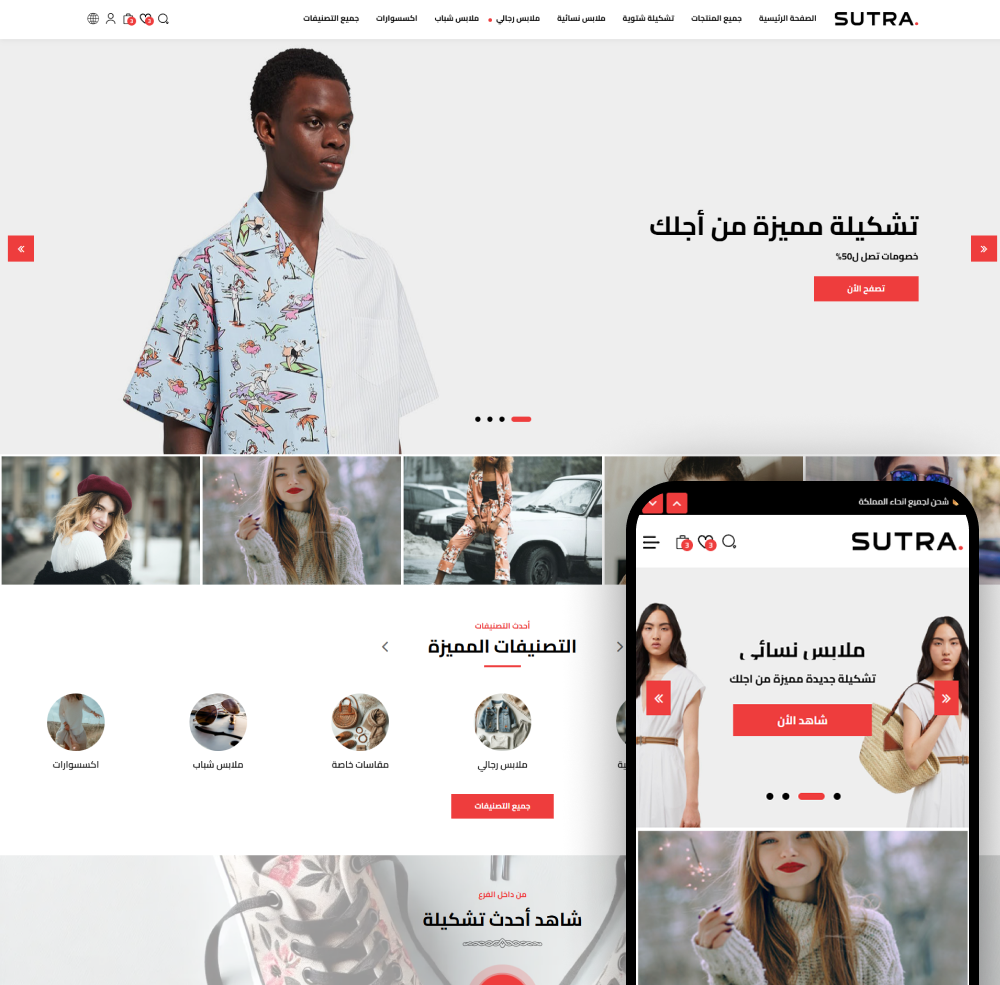
The third step is expanding the scope of earning points beyond just purchases. To build a vibrant community around your store on Salla or Zid, you must reward customers for other actions of high marketing value. You can award points for registering in the store for the first time, for writing a rating and review for a product they purchased, or for following the store's social media accounts. These activities increase overall engagement, boost trust in your store, and make the customer feel they can collect points even if they aren't ready to buy at the current moment.
- Define the Point System: Choose a simple formula, such as one point for every riyal, and every 100 points equals a 10-riyal discount.
- Name the Program: Invent a catchy name for your loyalty program that reflects your brand identity instead of using the traditional store points term.
- Market the Program: Launch a dedicated marketing campaign to announce the program via email and social media.
- Monitor and Analyze: Monitor the program's performance monthly through the Salla and Zid dashboards to see the percentage of engaged customers and adjust the strategy if necessary.
Real-World Examples of Implementing Loyalty Programs in Saudi E-commerce Stores
Let's assume you own a specialty coffee roastery on the Zid platform. The nature of this product is consumable and requires frequent purchasing on a monthly or even weekly basis. You can design a loyalty program based on consumption tiers. The first tier for new customers grants them regular points, but when a customer's spending exceeds 1,000 riyals, they move to the coffee connoisseur tier, which gives them double points, free shipping on orders, and free samples of new coffee crops before they are released to the public. This exclusivity creates a sense of belonging and makes the customer completely reject the idea of trying another roastery so as not to lose their special privileges.
Another example is a store specializing in selling cosmetics and skincare products on the Salla platform. In this sector, ratings and reviews are the lifeblood of the store, as purchases rely heavily on the experiences of others. The store manager can set up the loyalty program to offer massive rewards (points equivalent to 15 riyals, for example) to every customer who photographs the product and writes a detailed review describing her experience. This way, the store not only guarantees the customer will return to use her points, but it also acquires high-quality, free user-generated content (UGC) that helps convince hundreds of new customers to make a purchasing decision.
In the fashion and apparel sector, where competition is fierce and seasons change rapidly, loyalty programs can be used to create a sense of urgency and surprise. The store can launch a double points campaign during the weekend only to clear out the previous season's clothing collection. To ensure this message reaches customers quickly and effectively, direct communication channels must be integrated. You can read more about how to send these exclusive offers effectively via WhatsApp Marketing: Secrets to Increasing Salla and Zid Sales, as direct messaging via WhatsApp is considered one of the top marketing channels in terms of open and engagement rates in the region.
Common Mistakes That Destroy Loyalty Programs and How to Avoid Them
One of the most fatal mistakes store owners make when launching loyalty programs is setting impossible conditions for redeeming points. When a customer discovers they need to spend thousands of riyals to ultimately get a discount of no more than 5 riyals, they will feel exploited and won't care about the program at all; it might even leave a negative impression of the entire store. Rewards must be achievable and within reach. Divide rewards into small, medium, and large goals to satisfy all customer segments and keep their enthusiasm burning with every purchase.
The second mistake is points expiring too quickly without prior notice. Some stores make points valid for only one month, causing severe frustration for the customer who suddenly discovers their balance has evaporated. If you set an expiration period for points (which is healthy for incentivizing purchases), the duration must be reasonable (at least 3 to 6 months). More importantly, set up an automated alert system that sends messages to customers two weeks before their points expire, encouraging them to return and use them. For more details on long-term customer retention strategies, we recommend reading our in-depth article: Loyalty Programs: How to Retain Salla and Zid Customers.
The third mistake is the lack of internal marketing for the loyalty program. Some merchants think that merely activating the loyalty add-on in Salla or Zid is enough, expecting customers to discover it on their own. The truth is, you need to market your loyalty program with the same vigor you use to market your products. Place clear banners on the homepage, add a prominent icon for the program in the main menu, and have customer service representatives remind customers of their points while answering their inquiries. If the customer doesn't know they have points, the program completely loses its value and won't lead to any increase in sales.
- Avoid Hidden Conditions: Be completely transparent about which products are included and excluded from point-based discounts.
- Do Not Change Rules Suddenly: If you decide to change the value of points, notify your customers well in advance to avoid losing their trust.
- Diversify Rewards: Do not limit yourself to cash discounts; offer options like free shipping or exclusive products that cannot be bought with money.
- Do Not Ignore Customer Data: Use the data generated by the program to understand the most requested products and peak purchasing times to improve your marketing plans.
Conclusion: Investing in Customer Loyalty is Your Path to Sustainable Growth
In conclusion to this article, we must emphasize that loyalty programs are no longer just a luxury or an optional feature for large stores only; they have become an absolute necessity for any online store aspiring to grow and stay ahead of the competition. Focusing on existing customers and developing long-term relationships with them is the safest and most profitable investment. By understanding customer psychology and providing real value that goes beyond just the product sold, you can transform your store from a mere platform for passing sales into a preferred destination that the consumer trusts and returns to constantly.
The Salla and Zid platforms have provided Arab merchants with a massive technical infrastructure that makes launching and managing loyalty programs incredibly easy and professional. Whether you prefer the built-in, easy-to-use system in Salla, or the advanced, deeply customizable apps in the Zid App Market, the tools are in your hands. What separates a successful store from a struggling one is how these tools are utilized, setting a clear strategy, and monitoring performance periodically to improve the experience and meet growing customer expectations.
Start today by evaluating your customer base, define your marketing goals, and launch your store's loyalty program. Remember that building loyalty is a marathon, not a sprint; it requires patience, follow-up, and continuous development. Every point you grant your customer is a seed planted in fertile soil, which will soon bear fruit in the form of repeat sales, positive referrals, and a good reputation that makes your brand a shining name in the sky of Arab e-commerce.