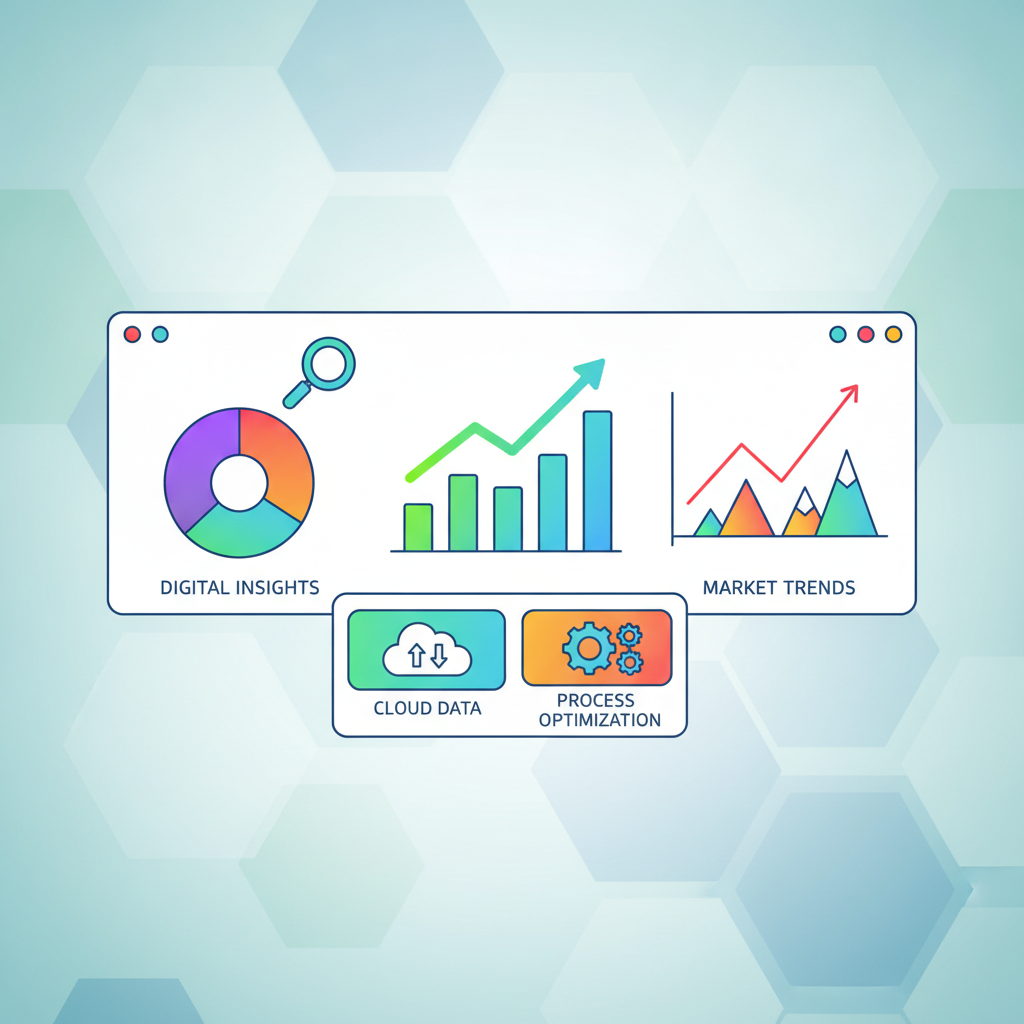




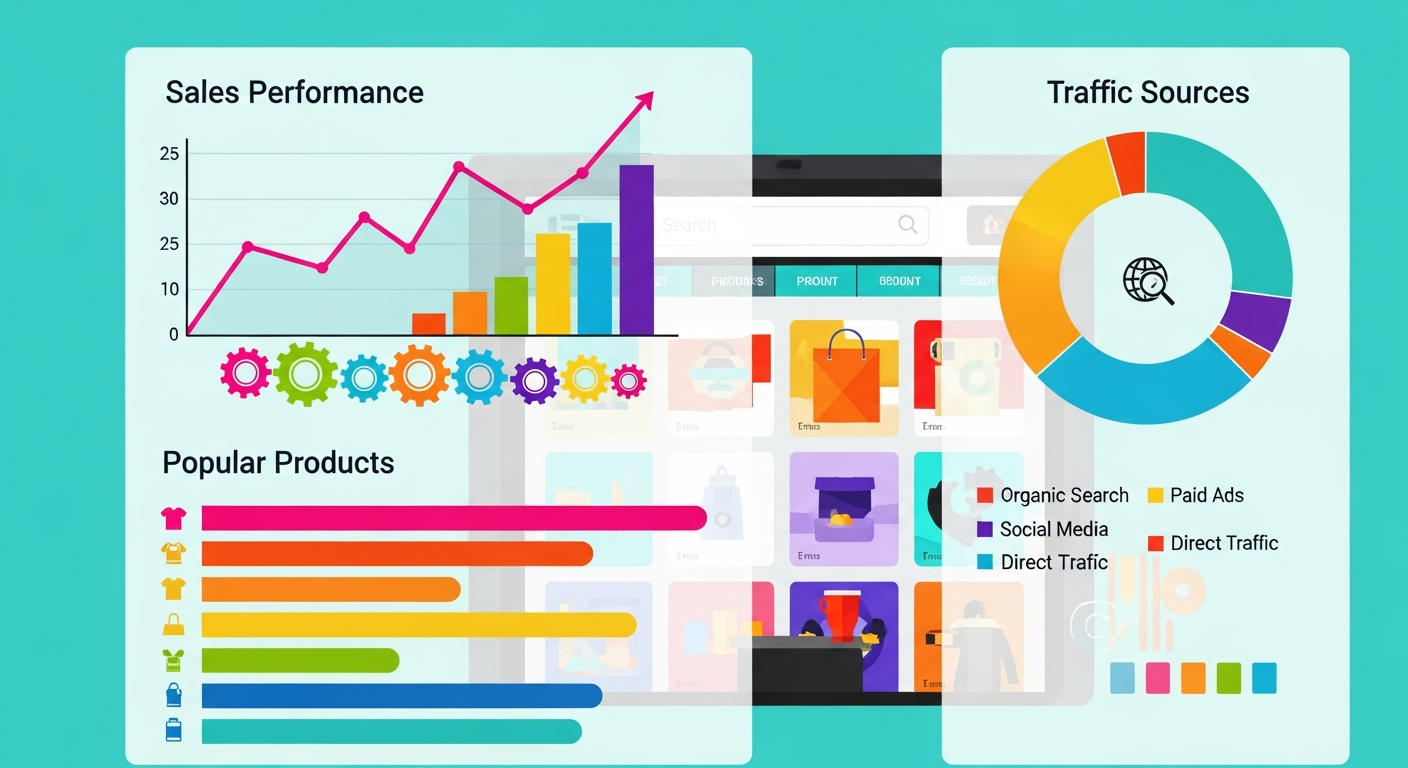
In the fast-paced world of e-commerce, many novice merchants believe that simply launching a store, adding products, and running a few ad campaigns is the magic key to generating sales and piling up profits. However, the truth they discover later—often after wasting significant budgets—is that true success and sustainability in this field depend fundamentally on understanding the language of numbers. These numbers are not just silent statistics displayed on a dashboard; they are the complete story of your customers' behavior, their preferences, and the problems they face while browsing your store. They are the compass that guides your decisions toward continuous growth.
The leading e-commerce platforms in the Arab world, specifically Zid and Salla, now offer advanced analytical tools and detailed reports that put a real wealth of information at your fingertips. The problem does not lie in a lack of data, but rather in how to read this data and turn it into actionable strategic decisions. A successful merchant is one who has the ability to dive into this sea of numbers to extract clear insights that help reduce costs, improve the user experience, and systematically and deliberately multiply profits, far away from the guesswork and randomness that could harm the future of the business.
In this comprehensive article, we will take you on a detailed and deep journey to understand how to leverage data analysis to increase the efficiency of your online store. Together, we will learn how to read the reports available on the Zid and Salla platforms, how to connect different metrics to reach accurate conclusions, and how simple adjustments based on real numbers can create massive leaps in conversion rates and sales volume. Get ready to completely change your perspective on your store's dashboard, and discover how data can be the most powerful salesperson working for you around the clock.
The Importance of Data Analysis in E-commerce for Salla and Zid Stores
The transition from traditional retail to e-commerce has brought with it an invaluable competitive advantage: the ability to track every move a customer makes. In a physical store, you cannot know how many people looked at a specific product and then decided not to buy it, or which sections they spent the most time in. However, in your Salla or Zid stores, every click, every scroll, and every add-to-cart action is recorded with extreme precision. This superior tracking capability allows you to fully understand the customer journey, from the moment they see an ad until they complete the payment process, giving you a golden opportunity to optimize every step of this journey. For a deeper understanding of how to read these movements, you can check out our article on Sales Analysis: How to Read Your Store Reports in Zid and Salla?, which details how to effectively extract these numbers.
Ignoring data analysis literally means running your business blindfolded. Many store owners spend huge amounts of money on social media ad campaigns and wonder why they aren't achieving the desired returns. The answer always lies in the data; the ad might be excellent and drive a lot of traffic, but the product page might be unconvincing, or the shipping cost might surprise the customer at checkout, causing them to abandon the purchase. Through the advanced dashboards in Salla and Zid, you can pinpoint the exact flaw—whether it's in pricing, product descriptions, or user experience—and thus direct your efforts and budget toward fixing the real problem instead of wasting money on false assumptions.
Furthermore, data analysis gives you the ability to predict market trends and understand purchasing seasons more accurately. By reviewing historical sales reports in your store, you can identify the times when sales of certain products spike, and prepare your inventory and marketing campaigns accordingly. This proactive approach keeps you always one step ahead of competitors who rely on reactive, spur-of-the-moment decisions. In the highly competitive Saudi and Gulf markets, the merchant who owns the data and knows how to use it is the one who captures the largest market share and achieves sustainable customer loyalty.
Key Performance Indicators to Monitor Constantly
Amidst the massive amount of available data, a merchant might feel lost and distracted. Therefore, it is essential to focus on the Key Performance Indicators (KPIs) that directly reflect the health and growth of your business. The first and most important of these indicators is the conversion rate, which represents the percentage of visitors who completed a purchase out of the total number of store visitors. If your store receives thousands of visits daily but the conversion rate is very low, this is an alarm bell indicating a fundamental problem—either in the quality of targeted traffic, the store's interface, or product pricing. To specifically address pricing issues based on numbers, we recommend reading the guide Product Pricing: How to Set Your Prices in Salla and Zid? to ensure your offers remain competitive.
The second crucial indicator is the Average Order Value (AOV), which tells you the average amount a customer spends per purchase. Increasing this metric is one of the fastest and most cost-effective ways to multiply profits, because you don't need to pay additional marketing costs to acquire new customers; instead, you encourage the current customer to spend more. The Salla and Zid platforms provide excellent tools to track this indicator through financial reports. You can smartly increase it by activating bulk purchase offers, providing free shipping upon reaching a certain amount, or strategically using cross-selling techniques on product pages and in the shopping cart.
The third indicator, which many overlook, is Customer Acquisition Cost (CAC) and Customer Lifetime Value (CLV). Acquisition cost means the amount you spend on marketing and advertising to acquire one new customer, while lifetime value means the total amount this customer will spend in your store throughout their relationship with you. The golden equation for success is having a customer lifetime value that is significantly higher than the cost of acquiring them. To understand these indicators practically, you must regularly monitor the following:
- Cart Abandonment Rate: Track the percentage of customers who added products to their cart and left without paying, and look for reasons such as shipping fees or complicated checkout steps.
- Returning Customer Rate: Measure your customers' loyalty and satisfaction with your products and customer service. The higher the percentage, the lower your marketing costs.
- Most Visited Products and Pages: To understand your audience's true interests and direct your ads toward the products that grab the most attention.
- Traffic and Sales Sources: Identify the most successful marketing channels (Instagram, TikTok, Google, Snapchat) to smartly redirect your advertising budget.
Strategies for Using Data to Improve Customer Experience and Increase Your Sales
Improving the customer experience is the cornerstone of any strategy aimed at increasing sales, and data is the tool that reveals exactly what the customer wants and what frustrates them. By connecting your Salla or Zid store with advanced tools like Google Analytics or heat mapping tools, you can observe how visitors interact with your store's pages. Do they have trouble finding the add-to-cart button? Do they skip reading long product descriptions? Do they exit the site immediately upon seeing the return policy? These precise behaviors, when analyzed, turn into a clear course of action to improve the store's design and simplify the user interface, making it more seamless and appealing.
Personalization is one of the greatest fruits of data analysis. When you understand your customers' purchase history and preferences through the Zid or Salla dashboard, you can offer a customized shopping experience for each segment. For example, if the data shows that a specific group of customers buys organic skincare products, you can send them targeted emails or SMS campaigns when new products in that category arrive. This level of personalization makes the customer feel directly cared for and significantly increases the likelihood of repeat purchases. To enhance this aspect, you can benefit from Loyalty Programs: Your Guide to Retaining Zid and Salla Customers, as these programs rely heavily on analyzing purchase data to reward top customers.
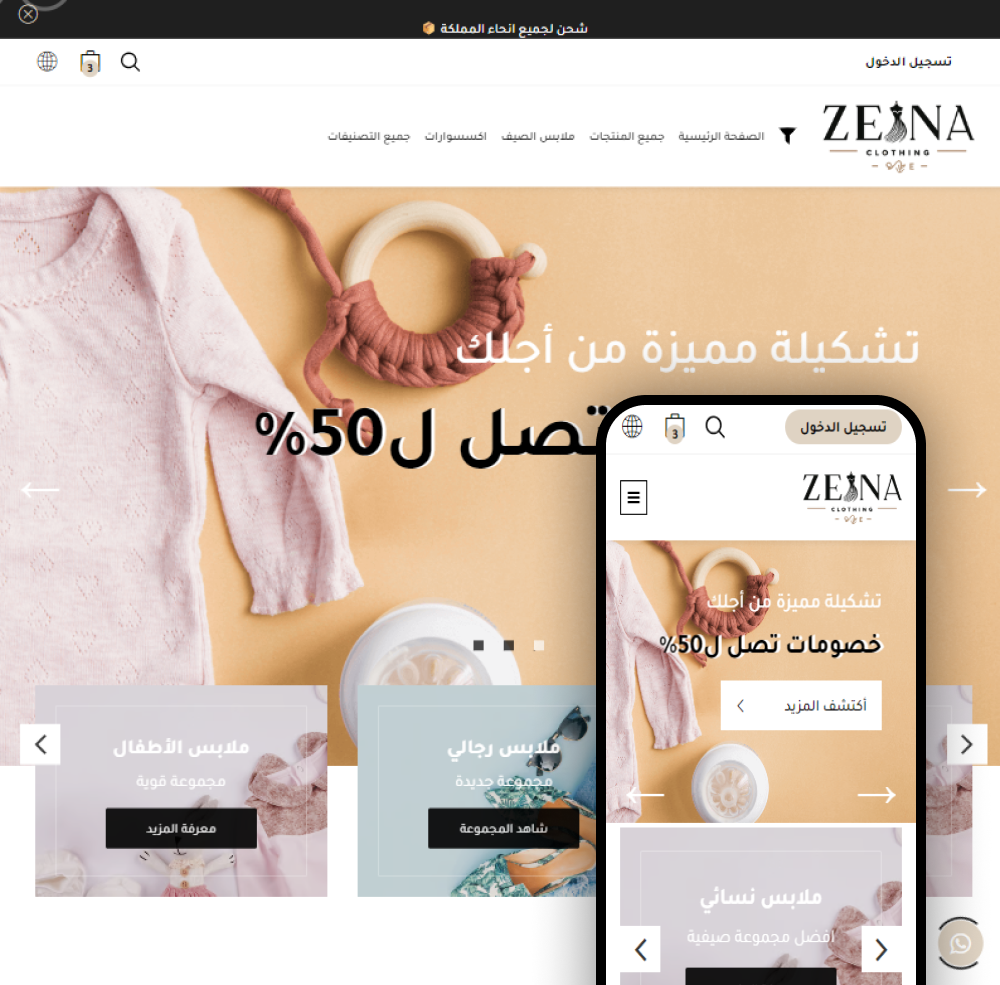
One of the most prominent problems facing e-commerce stores, which data clearly reveals, is the issue of abandoned carts. Numbers don't lie; if you have a cart abandonment rate exceeding seventy percent, it means there is a real obstacle in the final stage. By analyzing abandoned cart data in Salla and Zid, you can identify the products most prone to abandonment and the time of abandonment, allowing you to set up powerful retargeting campaigns. Sending an automated reminder via WhatsApp or email with a small discount for the items left in the cart can recover a large percentage of these lost sales and turn them into net profits for your store.
Shopping Cart Analysis to Increase Average Order Value
Market basket analysis is an advanced data analysis technique aimed at discovering hidden relationships between products that customers frequently buy together. Instead of relying on your intuition to suggest alternative or complementary products, let the numbers speak. For example, if your store's reports reveal that a large percentage of customers who buy a coffee maker also purchase paper filters and a specific type of coffee bean, this information is a marketing treasure. You can use this data to create bundled packages sold at a slightly attractive price compared to buying each item separately, subconsciously compelling the customer to increase their spending.
The Salla and Zid platforms excellently support features for linking products and suggesting accessories on the product page or even in the shopping cart before checkout. By applying the results of your market basket analysis, you can set up these suggestions to be highly accurate and enticing. To learn more about effective strategies for applying this concept, you should read our comprehensive guide on Cross-Selling: How to Increase Order Value in Salla and Zid?, which explains step-by-step how to configure your store to sell additional products to the customer at the right time and in a non-intrusive way.
The psychological impact of data-driven suggestions is massive. When the store shows a customer a product that perfectly complements what they are looking for, the customer doesn't feel like they are being subjected to a forced sales pitch; rather, they feel that the store understands their needs and makes their life easier. To successfully apply market basket analysis, follow these practical steps in your store:
- Extract Co-Purchasing Reports: Download sales reports from your Salla or Zid dashboard and look for recurring patterns of products bought in a single order.
- Create Smart Bundles: Group related products into a new single product as a savings bundle, and highlight the amount of savings the customer will get.
- Activate Product Suggestions: Use store settings to display a "You may also like" or "Frequently bought together" section below each main product.
- Analyze the Results of Adjustments: Monitor the Average Order Value metric a few weeks after implementing these changes to evaluate the strategy's success and tweak it if necessary.
Inventory Management and Directing Marketing Campaigns Based on Analytics
Overstocked inventory is frozen money, and out-of-stock popular products mean lost profits and frustrated customers. This is where the vital role of data analysis in managing your store's supply chain comes into play. Advanced inventory reports on the Zid and Salla platforms give you a comprehensive view of the turnover rate for each product. By monitoring these numbers, you can identify best-selling products that must always be available in safe quantities, and slow-moving products that need quick liquidation through promotional offers to free up storage space and cash flow for more profitable items.
Demand forecasting is a skill acquired through continuous monitoring of historical data. Knowing when to reorder from suppliers and determining optimal quantities protects you from falling into the trap of sudden stockouts that damage your store's reputation. To deepen your understanding and avoid these disastrous problems that could derail your marketing efforts, it is essential to check out the article Inventory Management: How to Avoid Stockouts in Zid and Salla?, where we review the best market practices for highly efficient, data-driven warehouse management.
On the marketing side, data analysis is the filter that purifies your ad campaigns from financial waste. When you use custom tracking links and read traffic source reports in Salla and Zid, you will discover exactly which platforms bring you paying customers and which ones just bring window shoppers. You might find that Snapchat ads cost you a lot but have a weak conversion rate, whereas Google ads bring in customers with high purchase intent at a lower cost. This intelligence data enables you to confidently reallocate your marketing budget, focus your efforts on the most profitable channels, and tailor your ad messaging to suit the nature of the audience coming from each specific channel.
Conclusion: Summary of the Data Analysis Strategy for Your Store's Success
At the conclusion of this comprehensive guide, we must emphasize a constant truth: data analysis is not a one-time task you perform when launching your store; rather, it is a lifestyle and a mindset that every ambitious merchant seeking to dominate their share of e-commerce must adopt. Leading platforms like Salla and Zid have smoothed out technical difficulties and provided you with rich dashboards and reports that were once exclusive to large corporations with massive budgets. The challenge now falls on your shoulders to allocate regular time—whether daily or weekly—to sit in front of these reports, read them carefully, and ask the right questions about the causes of rises and falls in your store's metrics.
We have reviewed how monitoring core metrics such as conversion rate, average order value, and acquisition costs forms the sound foundation for evaluating the health of your business. We also discussed in depth how these numbers can be used to understand customer behaviors, provide personalized experiences that increase their loyalty, and recover abandoned carts that represent wasted money. We touched upon the power of market basket analysis in multiplying profits through smart cross-selling, and finally, the importance of data in inventory management and steering your marketing compass toward the most viable and profitable channels for your store.
Always remember that numbers alone do not create success; rather, the actions and decisions you take based on these numbers are what change the course of your store. Start today by opening your store's reports in Salla or Zid, pick one metric that needs improvement, create a data-driven action plan to develop it, and then measure the results. This continuous loop of measurement, analysis, and execution is the true secret that distinguishes giant e-commerce stores that double their profits year after year from those that stumble and withdraw from the market. Make data your truest friend and primary consultant on your journey toward e-commerce leadership.