



The e-commerce world in the Arab world, specifically in Saudi Arabia, is witnessing rapid growth and fierce competition day after day. With rising customer acquisition costs through paid advertising campaigns on social media platforms, the biggest challenge for online store owners isn't just attracting customers, but how to achieve maximum benefit from every purchase they make. Here emerges a strategically important concept: raising Average Order Value, which is considered the real indicator of your store's success and ability to achieve sustainable profits covering operating and marketing costs and ensuring growth of your commercial project.
Among all available strategies to raise order value, Cross-selling sits on the throne of most effective and least expensive solutions. Imagine a customer enters your store built on Salla or Zid to buy a smartphone — instead of leaving with just the phone, you smartly offer a protective cover, screen guard, and wireless headphones perfectly compatible with their choice. The result? The customer gets an integrated shopping experience meeting their needs, and you double the shopping cart value without spending an extra penny on ads. It's a win-win equation that makes your store a favorite destination and noticeably increases customer loyalty.
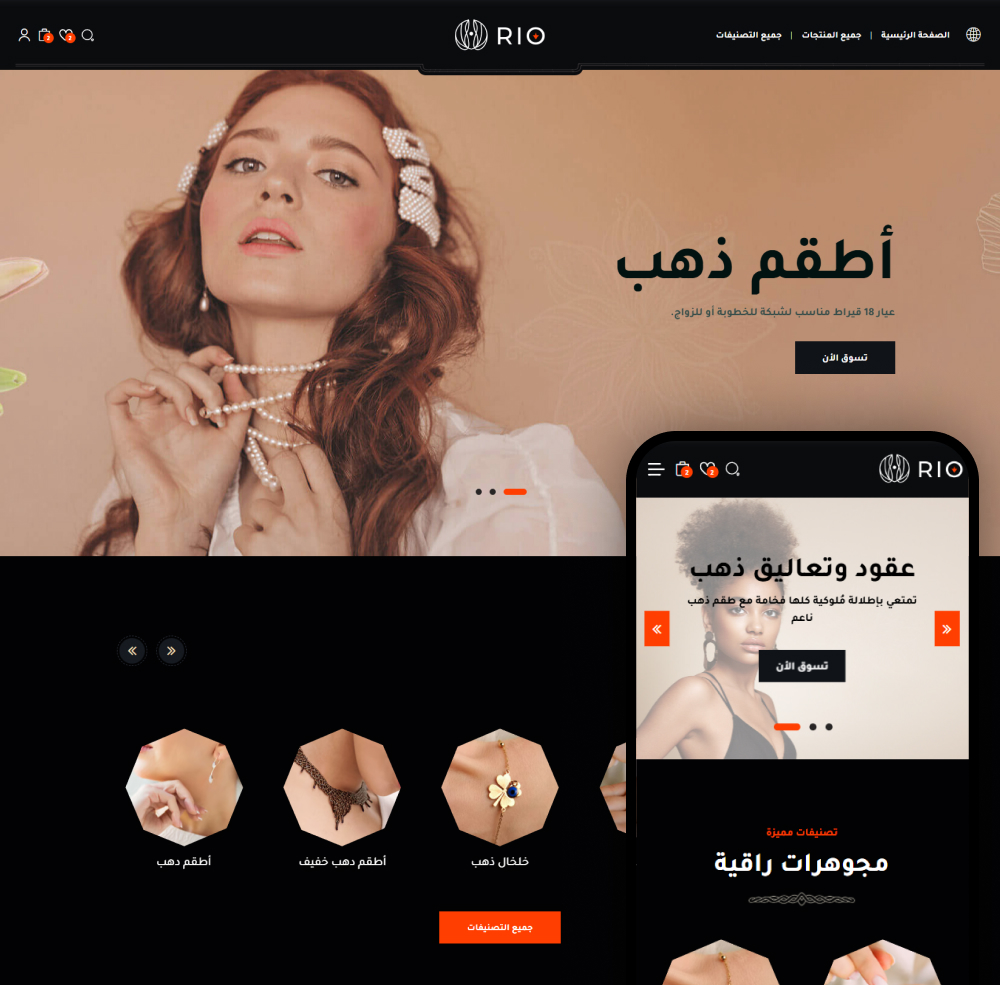
In this comprehensive and detailed article, we'll dive deep into the cross-selling strategy and explore how you can professionally apply it inside your online store. Whether you use Salla or Zid, you'll learn practical steps, psychological secrets that push customers to add more products to their cart, and how to use available tools in these platforms to convert every visitor into a high-value customer. We'll provide real examples and immediately applicable tips so you can see results in your upcoming sales reports.
What is Cross-Selling and Why is it a Treasure for Salla and Zid Store Owners?
Cross-selling is a smart marketing and sales strategy aimed at encouraging the current customer to buy additional or complementary products to the main product they intend to buy or have already bought. The basic idea here doesn't rely on pushing customers to buy things they don't need, but rather on offering suggestions with real value that complement their experience and solve a potential problem. For example, if your store sells women's clothing and a customer chose a certain dress, offering a matching handbag and shoes suiting the dress color is considered ideal cross-selling. This style saves the customer search time and provides them with a ready and elegant solution, making them more receptive to adding these products to their shopping cart with full satisfaction.
The supreme importance of cross-selling lies in its magical ability to maximize Return on Investment (ROI) and reduce the impact of Customer Acquisition Cost (CAC). Currently, bringing one visitor to your store via TikTok or Snapchat ads may cost you large amounts. If this visitor only buys one product at a low price, you may find your profit margin evaporated in advertising, shipping, and packaging costs. But when you successfully apply cross-selling, you increase the total bill value, meaning the net profit margin from this customer doubles, all happening after you've paid the acquisition cost for them only once. This is how major Salla and Zid stores achieve huge profits and can continue expanding and growing.
Beyond direct financial benefits, cross-selling plays a pivotal role in improving user experience and building a strong relationship with your brand. When customers feel your store accurately understands their needs and suggests genuinely useful products, they build deep trust toward you. This feeling of care and customization reduces the probability of them going to competitors in the future. Additionally, cross-selling contributes to moving stagnant inventory, where you can combine some slow-moving products as complementary add-ons to best-selling products, helping you manage your warehouse with higher efficiency and free up cash held in accumulated goods.
The Fundamental Difference Between Cross-Selling and Upselling
One of the most common mistakes among online store owners is confusing the concepts of Cross-selling and Upselling. While both aim to increase order value, each has a completely different strategy and application. Upselling means convincing customers to buy a more expensive, newer, or higher-spec version of the same product they intend to buy. For example, if a customer browses a laptop with 8GB RAM, suggesting the same laptop with 16GB RAM at a higher price is upselling. The goal here is increasing the value of the basic product itself through highlighting the additional benefits of the upgraded version.
As for cross-selling, as we mentioned, it's suggesting completely different products that are related and complementary to the basic product. Returning to the laptop example, if the customer chose the laptop, offering a laptop bag, wireless mouse, or antivirus software is cross-selling. Understanding this precise difference is very essential when setting up product pages in your Salla or Zid store, because mixing them up may confuse customers. If a customer has decided to buy a certain phone, trying to convince them of a more expensive phone on the checkout page may make them hesitate and cancel the entire order. While offering a phone cover at that stage would be a logical, acceptable addition motivating fast purchase.
To achieve maximum benefit, the smart merchant must harmoniously integrate both strategies, but at the right stages of the customer journey. For these joint offers to succeed, complementary product pricing must be carefully considered. You can review Pricing Strategies to Increase Salla and Zid Profits to understand how offering a simple discount on complementary products when purchased with the main product can create an irresistible offer. Combining upselling on the product page and cross-selling in the shopping cart will create a sales machine working with unmatched efficiency.
Effective Cross-Selling Strategies to Apply in Your Store
The first and most widespread strategy is the "Frequently Bought Together" section. This strategy relies on displaying a group of products (usually 2 to 3 products) directly below the main product on the product page. The secret to this method's success is offering the option to add all these products to cart with one button click. In stores built on Salla and Zid, you can easily set up these bundles. For example, if you sell specialty coffee preparation equipment, you can bundle a V60 dripper with paper filters and an electronic scale. When customers see this ready bundle, they realize they'll inevitably need these accessories, making it easier for them to make immediate purchase decisions instead of searching for them individually.
The second strategy focuses on "Cart Page Cross-selling." This stage is very sensitive — customers here have made the purchase decision and are on their way to payment. At this point, suggestions should be low-cost and not require deep thinking (Impulse Buys). For example, if your store sells perfumes, offering small samples (testers) or luxury gift wrapping service at symbolic prices on the cart page will add wonderful value. Applying this strategy correctly without annoying customers is considered an essential part of Improving Conversion Rate: Double Your Salla and Zid Sales, where smart suggestions in the cart increase sales without causing distraction leading to order abandonment.
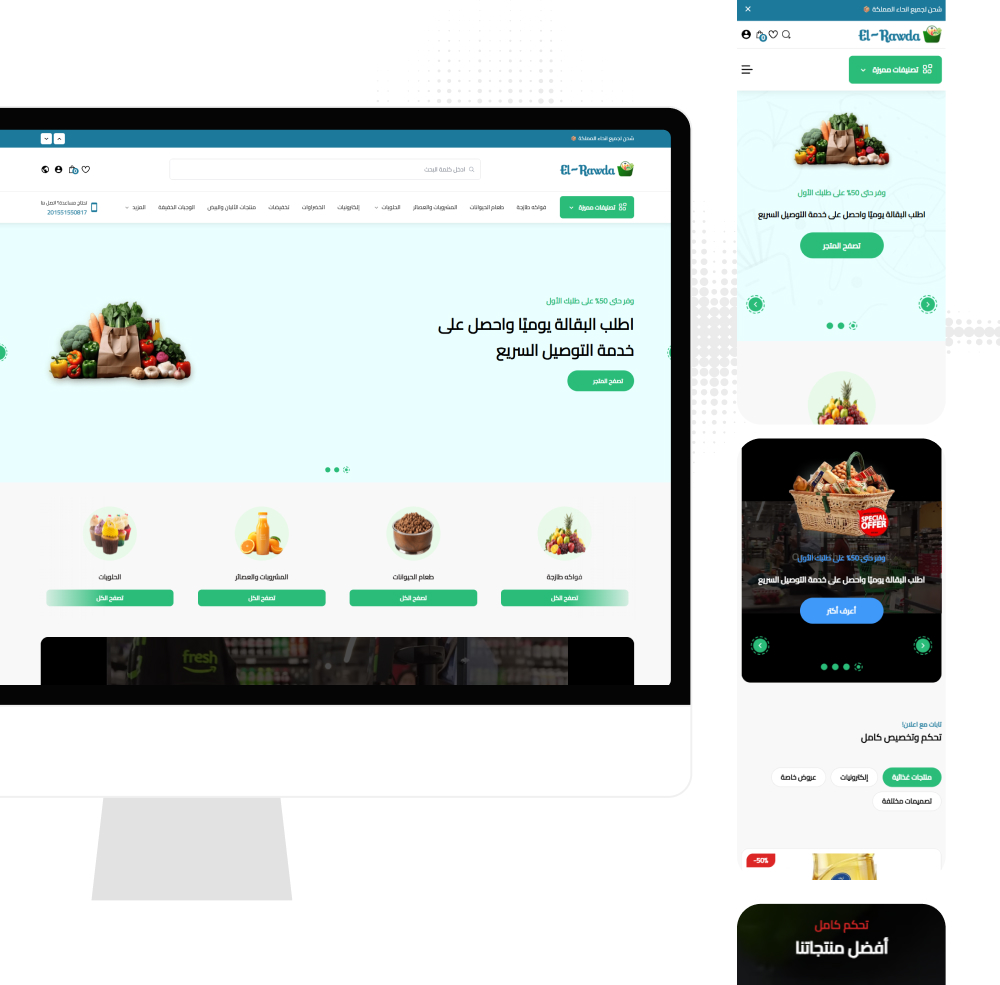
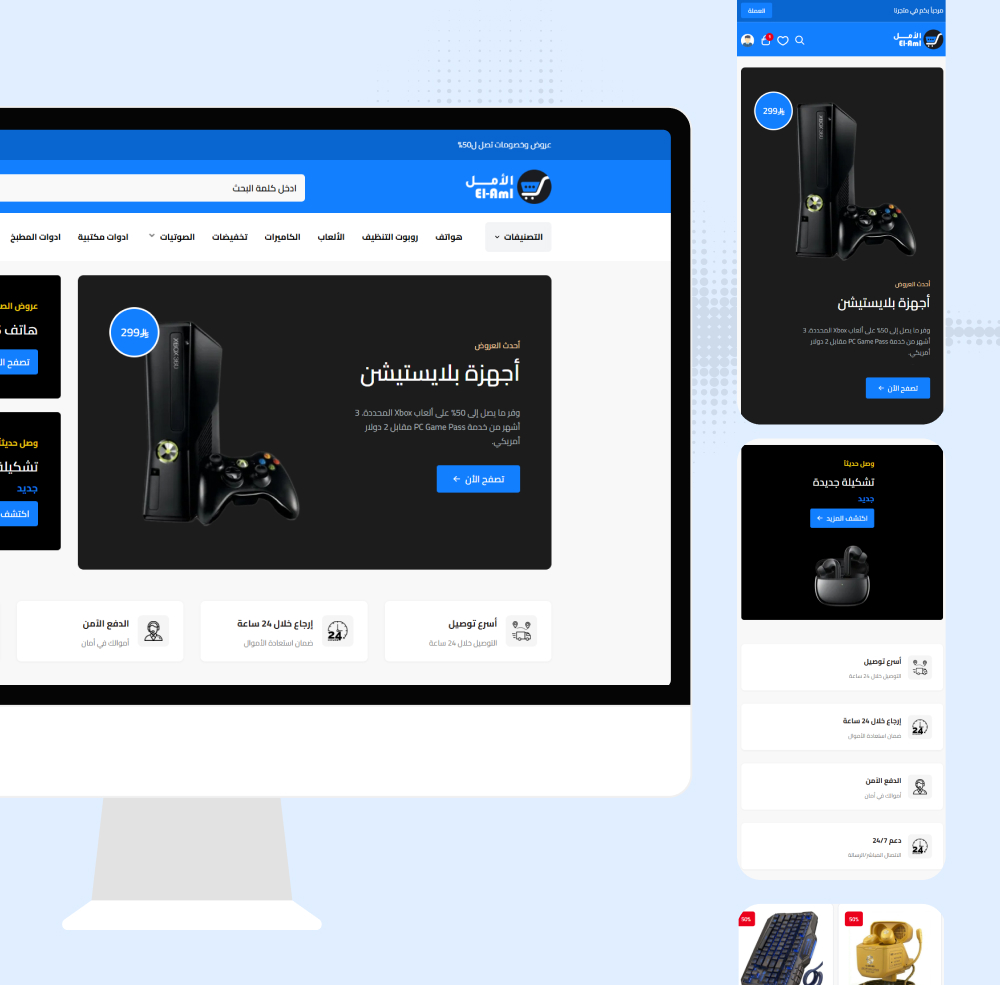
The third strategy is "Post-Purchase Cross-selling." Many believe the relationship with the customer ends once payment is made — this is a serious mistake. After the customer completes their order, you can leverage the "Thank You" page or confirmation emails and WhatsApp messages to offer an exclusive complementary product offer at a special discount valid for a limited period. For example: "Thank you for buying a coffee machine! Get 20% off Colombian coffee beans if you add them to your order within the next two hours." This method is very effective because the customer is at peak purchase euphoria, and trust level in your store is at its highest, making them ready to spend more if the offer is enticing and logical.
How to Smartly Choose Suitable Products for Cross-Selling
The first golden rule in choosing products for cross-selling is the "25% Rule." E-commerce experts recommend that the price of the complementary suggested product should not exceed 25% of the main product's value. For example, if the customer is buying a suitcase for 400 riyals, it makes great sense to suggest a smart lock or bag cover at 50 to 100 riyals. But it doesn't make sense to suggest another suitcase at the same price or a more expensive product. The complementary product should be an easy decision not requiring the customer to recalculate their budget — they should consider it a simple addition improving the main product's value.
The second rule is "Strong Logical Connection." Never offer random products just because you want to get rid of them or sell them. If the customer bought athletic shoes, suggest high-quality athletic socks or a spray to protect shoes from dirt. If you suggest a formal shirt at that moment, it will seem annoying and unprofessional, and the customer will feel you're just trying to pull their money any way possible. Use your previous sales data on Salla or Zid to analyze your customer behavior — look at previous orders and discover common patterns and products customers always prefer to combine in one order, and use this data to build your future suggestions.
The third rule is "Creating Value That Cannot Be Missed Through Bundling." Don't just offer complementary products separately — make them an integrated bundle at a special price. When the customer sees that buying the phone with the cover and screen separately would cost 3000 riyals, while buying them as the "Comprehensive Protection Bundle" would cost 2850 riyals, they'll feel they've won and got an excellent deal. E-commerce platforms provide features to easily create these bundles, facilitating inventory management, applying discounts automatically, and giving customers a smooth shopping experience free of complications.
Salla and Zid Tools and Apps That Help You Activate Cross-Selling
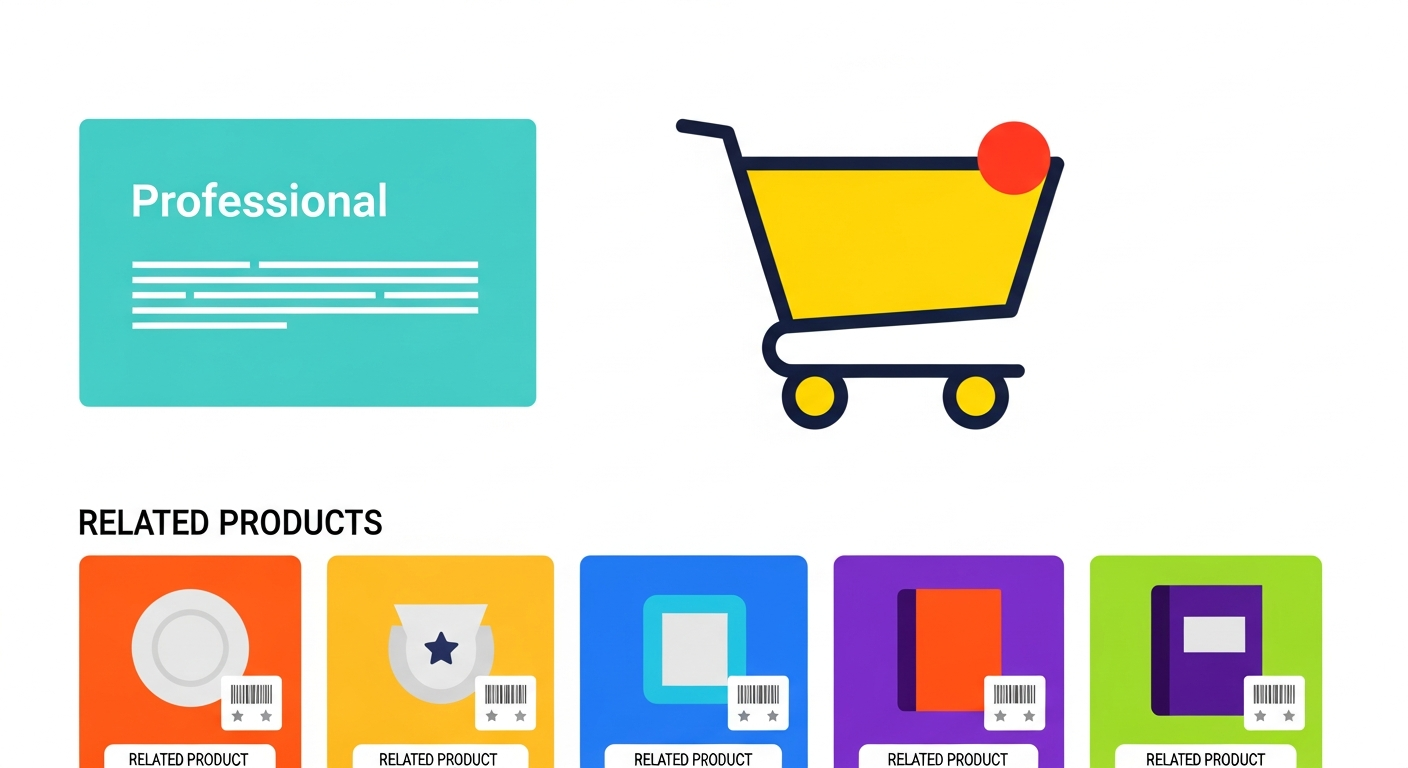
Salla and Zid platforms stand out by providing a fertile and customizable environment supporting cross-selling strategies basically through the merchant's dashboard. On both platforms, when adding a new product or editing an existing one, you'll find options to link "Related Products" or create "Bundle Products." This allows you to manually specify products that will appear below the main product, giving you full control over what customers see. It's essential to invest time in carefully setting up these links for each of your best-selling products as a first step — these built-in features cost you nothing extra and are the solid foundation for any successful cross-selling strategy.
If you want to elevate your store level and professionally automate this process, the app store on both platforms abounds with advanced solutions. You can explore Salla and Zid Apps: Top Add-ons to Boost Your Sales to find apps specialized in creating smart popups appearing when adding a product to cart, or apps relying on AI to analyze visitor behavior and dynamically display complementary products based on what they're browsing. These apps save you manual effort and conduct A/B Testing on different offers to know which complementary products achieve the highest conversion rate, ensuring you increase sales with minimum human intervention possible.
Don't forget to link the cross-selling strategy with customer recovery efforts. Often, customers add the main product and complementary product to cart then leave the store for some reason. Here the role of automatic targeting tools comes in. By understanding Abandoned Carts: Recovery Strategies on Salla and Zid, you can send a smart reminder message to the customer via WhatsApp saying: "Your cart is waiting! Complete your order now and get the complementary product (like phone cover) free or with 50% discount." This dual use of cross-selling as an enticement tool and abandoned cart recovery is one of the strongest tactics professionals use to noticeably double their profits.
Conclusion: A Summary of the Order Value Doubling Strategy
In closing this detailed guide, we must emphasize that cross-selling is no longer just an additional marketing tactic that can be dispensed with — it has become a fundamental pillar and backbone for the success of any online store aspiring for growth and sustainability. Through Salla and Zid platforms, you have the technical infrastructure and tools needed to immediately start applying these strategies. Always remember that the goal isn't just increasing the numbers in the customer's bill, but offering real value, facilitating their lives, and providing an integrated shopping experience making them feel complete satisfaction with their decision to buy from your store and not others.
We've reviewed together the golden rules for cross-selling success, the most important being maintaining the logical link between products, and committing to pricing complementary products so they don't exceed a small portion of the main product's value to ensure customer non-hesitation. We've also discussed the importance of choosing the right timing and place to display these products, whether on the product page itself, inside the shopping cart, or even after completing payment as exclusive offers increasing the chances of customer return to buy again in the near future.
Finally, success in e-commerce requires continuity in analysis and development. Don't just set up cross-selling offers once and leave them — monitor sales reports in the Salla or Zid dashboard periodically. Test new bundles, listen to your customer opinions, and notice products they naturally tend to buy together. Over time and with data accumulation, you'll be able to improve your strategy, and you'll notice how your store's average order value doubles, directly and strongly reflecting on your net profits and brand strength in the market.