





In the fast-paced e-commerce world crowded with competitors, store owners face a great continuous challenge represented in the noticeable rise of new customer acquisition costs day after day. Just bringing visits to your online store via paid advertising campaigns is no longer enough to achieve the required profitability and sustainable growth — the real smart challenge has come to lie in how to maximize the financial benefit from each customer who actually decides to buy from your store. Here the concept of increasing Average Order Value emerges as one of the most important vital indicators every successful merchant should monitor and continuously work to improve, which can be achieved with amazing effectiveness and almost zero cost through cross-selling strategies that have proven their crushing success globally and locally.
Leading e-commerce platforms in our Arab region, specifically Salla and Zid platforms, fully recognize the importance of this marketing and sales aspect, and have provided merchants with many integrated tools and features facilitating applying these strategies with a button click. The ability to convince the customer to add complementary products to their shopping cart before completing payment isn't just a selling trick or forcing the consumer, but a professional art combining understanding buyer psychology and offering real value meeting their needs and saving them search trouble later. In this comprehensive and detailed guide, we'll dive into the details of cross-selling and how you as a store owner can exploit it to achieve qualitative and noticeable leaps in your sales and net profits without needing to increase your advertising budget.
The Concept of Cross-Selling and Its Strategic Importance
Cross-Selling is a smart marketing and sales strategy relying on suggesting additional or complementary products to the main product the customer intends to buy or has already bought. For example, if the customer is buying a smartphone, displaying a phone protective case or wireless headphones on the same product page or in the shopping cart is considered typical cross-selling. The basic goal here isn't distracting the customer, but providing them with an integrated shopping experience guaranteeing them maximum benefit from the main product, and simultaneously guaranteeing the store a noticeable increase in total invoice value, reflecting positively on total revenue without paying additional advertising costs to bring the customer back again to buy those accessories.
The strategic importance of cross-selling in online stores, especially those built on Zid and Salla, lies in its superior ability to directly and quickly improve profit margins. When the merchant pays huge amounts to acquire a new customer (Customer Acquisition Cost), selling just one product to this customer may not cover advertising, shipping, and operating cost with a rewarding margin. But when the store succeeds in adding one or two complementary products to the order, shipping cost often remains constant, and advertising cost has been paid in advance, meaning profits from additional products go directly to the merchant's net profits, explaining why major global stores rely on this strategy as a backbone for their growth.
From a purely psychological perspective, the customer accepts cross-selling offers with open arms if presented at the right time and in a way meeting a real need for them. The buyer who acquires expensive athletic shoes will feel grateful if you suggest high-quality athletic socks or a spray to protect shoes from dirt, because you thereby save them search time and protect them from forgetting necessary products to use their basic product. This feeling of care for customer needs enhances their loyalty to the store, raises their satisfaction with the purchase experience. To dive deeper into understanding purchase behaviors and how to exploit them, you can review Conversion Rate: Secrets to Increasing Orders on Salla and Zid to understand how these factors combined affect your customer decisions.
Strategies to Effectively Apply Cross-Selling
The first and most effective strategy to apply cross-selling is analyzing previous sales data to understand customer behaviors and hidden connections between products. Cross-selling suggestions shouldn't rely on random guessing, but must be based on real data showing products often bought together. On Salla and Zid platforms, you can extract sales reports and analyze shopping carts to discover, for example, that 40% of customers buying a coffee machine return later to buy paper filters and a coffee grinder. Based on this golden information, you can link these products to appear automatically as suggested products, increasing the likelihood of buying them at the same moment and saving the customer the trouble of ordering twice.
The second strong strategy is Product Bundling, a smart method to combine several complementary products and sell them as one package at a total price slightly less than buying each product separately. This method creates a feeling of high value and a winning deal in the customer (FOMO), motivating them to buy the complete bundle instead of the individual product. Applying this strategy requires skill in calculating costs to ensure maintaining an excellent profit margin. This requires deep understanding of various pricing strategies, and you can review Product Pricing: Smart Strategies for Salla and Zid Stores to determine the appropriate discount that tempts the customer without harming your profits.
The third strategy is choosing the ideal timing and place to display cross-sold products, where timing represents half the success. You can display complementary products on the product page itself under the title "Products Often Bought Together," or display them in a Popup that appears as soon as the customer adds the main product to the cart. The most effective is displaying special offers on the order completion page (Checkout), where the customer is at the highest degrees of readiness to pay, and suggesting a simple product at a tempting price with one button click can significantly raise the offer acceptance rate. These different places should be tested to know what achieves the highest engagement with your store's specific audience.
Practical and Applied Examples for Various Sectors
In the fashion and clothing sector, cross-selling is considered one of the easiest and most enjoyable strategies to apply through the "Shop the Look" concept. When a customer browses a summer dress in your store, the page shouldn't be limited to dress details only, but should display a matching handbag, suitable shoes, and some accessories complementing the look. By combining these products and displaying them as complementary options below the dress, you're not selling a clothing piece but selling integrated elegance, making it easier for the customer to make the decision to buy several pieces at once instead of searching in different store sections.
In the electronics and smart devices sector, cross-selling basically depends on necessary accessories and after-sales services. Selling a laptop should immediately be accompanied by offering a protective bag, wireless mouse, antivirus software subscription, and perhaps warranty extension. The advantage in the electronics sector is that device accessories often enjoy a much higher profit margin than the main devices themselves, meaning selling a device for 3000 riyals may bring less profit than selling accessories worth 300 riyals, highlighting the supreme importance of not missing any opportunity to link accessories with main devices.
In the personal care and cosmetics sector, cross-selling rests on building the "Skincare Routine." The customer buying a facial wash is looking for a solution to a skin problem, and here comes your role to suggest a moisturizing toner, night cream, and sunscreen to complete the care steps. You can name these products "Second and Third Step for Better Results," convincing the customer that the basic product will work better if used with this group. Convincing the customer largely depends on the words used in describing the benefit, as we clarified in detail in Product Descriptions: Secrets to Writing Content That Sells on Salla and Zid to ensure presenting complementary products in an irresistible style.

Leveraging Salla and Zid Platform Features to Support Your Sales
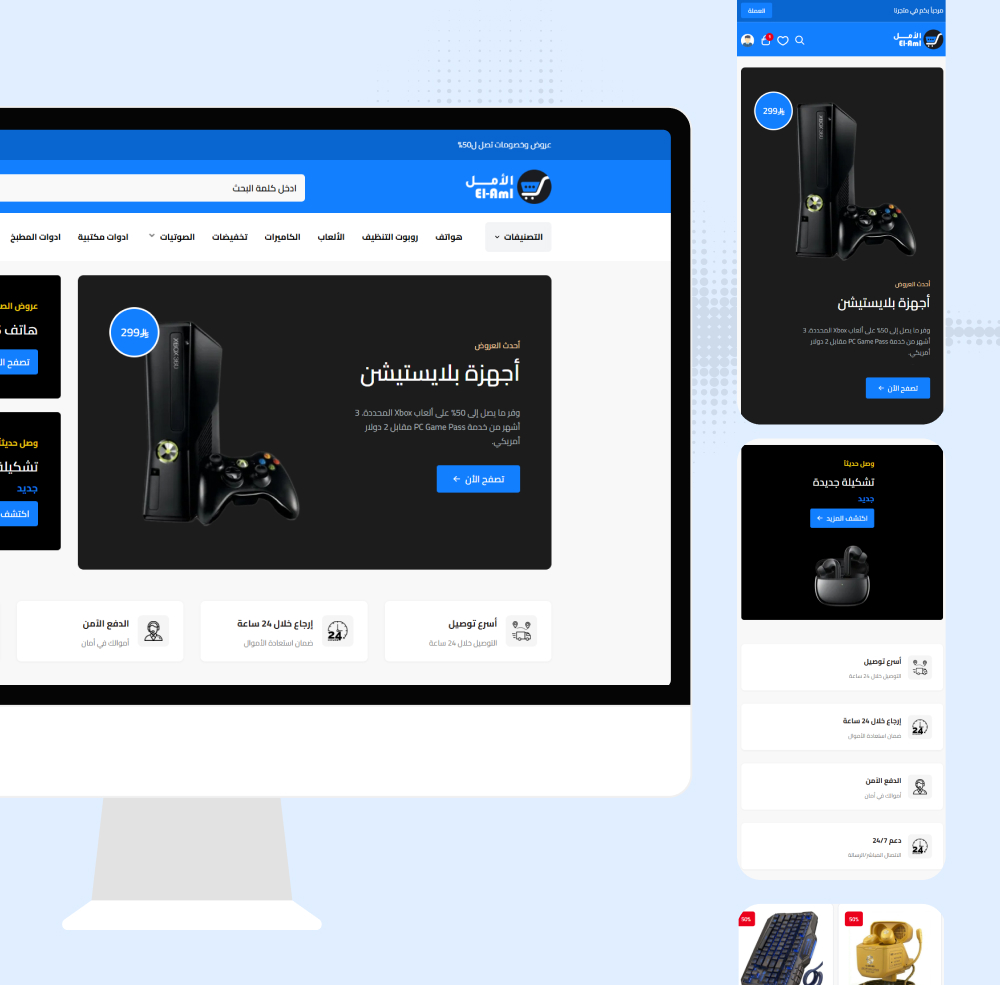
Salla platform offers a set of wonderful integrated tools making applying cross-selling extremely easy for beginners and professionals alike. Through product settings in the Salla dashboard, the merchant can manually specify "Related Products" to appear below each product, ensuring suggestion accuracy and suitability. Additionally, Salla offers the "Special Offers" feature enabling you to create automatic discounts when the customer buys two specific products together, or offer a discounted product when reaching a certain cart value, very powerful tools to raise average order value and motivate the customer to add more to their shopping cart before completing payment.
On the other hand, Zid platform provides an integrated environment supporting cross-selling effectively through its basic features and Zid app market (ZidApp). Zid merchants can use the "Suggested Products" feature to link products together, and can benefit from marketing apps available in Zid market offering advanced solutions like providing smart AI-based recommendations, or displaying smart popups suggesting complementary products based on current cart contents. Exploiting these apps transforms your store from just a display platform into a smart seller interacting with customer behavior in real time and offering them the best offers.
The most important step when setting up these tools on either platform is considering User Experience (UX) and not annoying them. Suggestions should be clear but not pushy in a way preventing the customer from completing the basic purchase process. Placing many popup windows or forcing the customer to skip many pages to reach payment may lead to distraction and abandoning the cart entirely. Here the importance of the article Abandoned Carts: Recovery Strategies on Zid and Salla emerges to address any negative side effects that may result from wrong implementation of selling strategies, and ensure that every step contributes to facilitating purchase and not complicating it.
Common Mistakes That Destroy Cross-Selling Opportunities
The first and most common mistake among online store owners is suggesting expensive complementary products compared to the main product. The golden rule in cross-selling states that the suggested product price should not exceed 25% to 30% of the basic product value maximum. If the customer is buying a shirt for 100 riyals, it makes sense to suggest socks for 20 riyals, but it's a serious mistake to suggest shoes for 300 riyals at the same moment as cross-selling. Expensive offers frighten the customer and make them rethink their entire budget, which may lead to canceling the entire purchase process to avoid paying unplanned amounts.
The second mistake is offering random unrelated options just to fill the "Suggested Products" slot. The customer is smart, and will immediately realize the store is trying to increase its sales any way possible if they see a suggestion to buy "men's perfume" when trying to buy "cooking utensils." This random offer not only fails to achieve the sale, but harms the store's image and professionalism and reduces customer trust in future recommendations. The link between products must be logical, justified, and adds clear real value to the customer pushing them to say: "Yes, I really need this product with my current order."
The third mistake is overwhelming the customer with a huge number of cross-sold options, causing what's known as "Analysis Paralysis." When you place 10 complementary products before the customer to choose from while they're in the shopping cart, they will often ignore them all to get rid of confusion, or worse, they'll leave the store. The better rule is focusing on 2 to 4 strong, very carefully thought-out options directly related to the main product. Simplicity and clarity are the key to success in e-commerce, and offering limited but precise options gives much higher conversion results than displaying the entire store catalog on the checkout page.
Conclusion: Your Practical Steps to Start Immediately
In closing, we can confidently say that cross-selling isn't just a secondary marketing tactic, but a pivotal indispensable strategy for any online store aspiring for growth and doubling its profits without drowning in increasing advertising costs. We've seen how understanding customer behaviors, smartly linking complementary products, and choosing appropriate pricing and timing can transform a regular order into a rich shopping cart increasing total order average value. Adopting this concept reflects maturity in managing your store and care for providing a comprehensive shopping experience satisfying the customer and boosting your sales at the same time.
Your next step as a store owner on Salla or Zid platform should be practical and direct. Start today by opening your store dashboard, and choose your top 10 best-selling products. Ask yourself: what other products in my store can complement these products? Manually link them using the related products feature, or create an offer bundle combining the best-selling product with another slow-moving product at a tempting price. This simple step that won't take you more than a few minutes may be the reason for increasing your revenue by up to 20% in the coming month.
Always remember that e-commerce is a continuous process of experimentation, measurement, and improvement. Don't be content with putting a cross-selling strategy once and leaving it — continuously monitor numbers and reports in your store. Note which suggested products gain customer acceptance, and which are ignored, then modify your offers based on this data. Over time, and by employing the wonderful tools provided by Salla and Zid, you'll be able to build a smart automated selling system working to maximize your profits from every visit, ensuring your store sustainability and success in a highly competitive market.