



In the fast-paced world of e-commerce, store owners spend massive budgets on advertising campaigns to attract new customers, which is undoubtedly essential for business growth. But what if there was a simple secret that could double your profits from the exact same customers already visiting your store, without spending a single extra riyal on ads? This is where the "cross-selling" strategy comes into play. It is considered one of the most powerful marketing tools relied upon by major brands to increase shopping cart value. On the Salla and Zid platforms, where advanced technical tools are available, implementing this strategy has become easier and more effective than ever before.
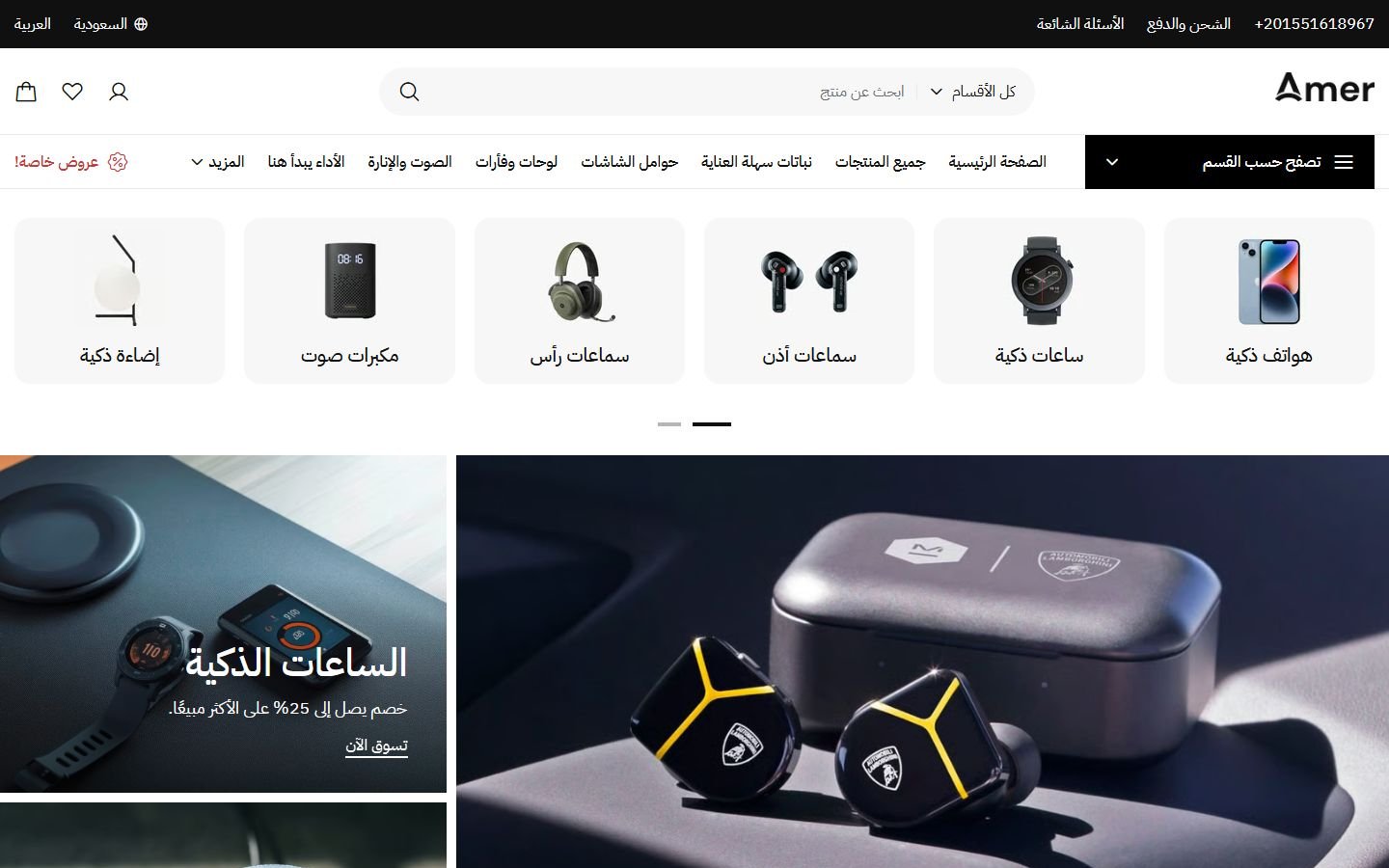
Imagine a customer entering your store to buy a smartphone, and instead of leaving with just the phone, they leave with a protective case, a fast charger, and wireless earbuds. This is the true magic of cross-selling; it doesn't just increase your sales, but extends to improving the customer experience and meeting their needs before they even realize them. In this comprehensive article, we will dive deep into cross-selling strategies and how you can apply them smartly and professionally in your Salla or Zid store to raise your Average Order Value (AOV) and maximize the benefit of every purchase made through your platform.
What is Cross-Selling and Why is it a Treasure for Salla and Zid Stores?
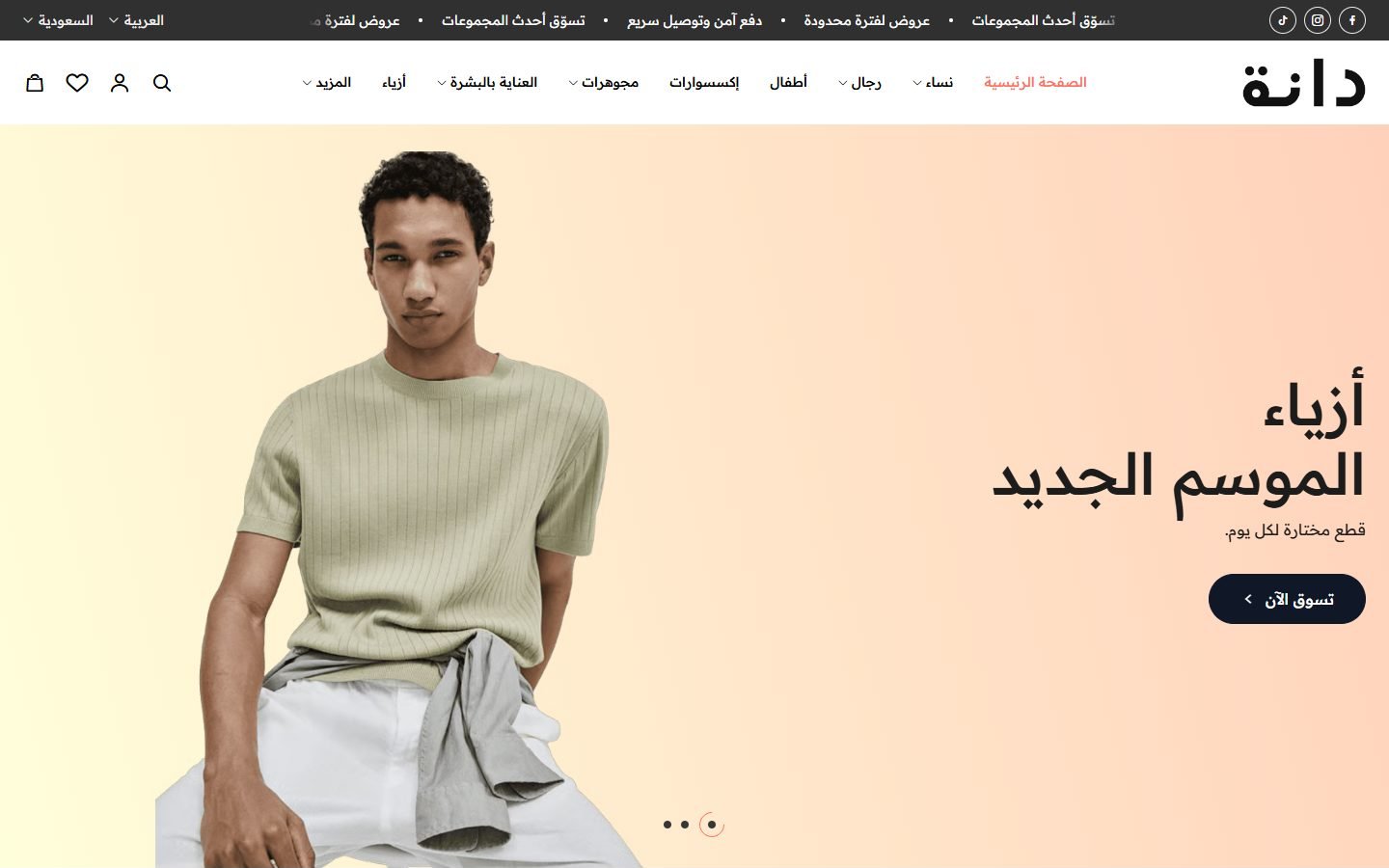
Cross-selling is simply the art of suggesting additional, complementary products to the main product the customer intends to buy, with the goal of providing a complete solution that adds real value to the shopping experience. For example, if your store specializes in fashion and a customer chooses a stylish shirt, cross-selling involves displaying a matching tie or shoes that go with this shirt on the same product page or during checkout. This strategy relies primarily on understanding buyer psychology and seizing the moment when the customer is ready to pay, making it easier for them to decide to purchase additional products directly related to their current interest, which significantly boosts the cart's value.
The utmost importance of cross-selling for Salla and Zid merchants lies in its superior ability to raise the "Average Order Value" (AOV), which is one of the most critical key performance indicators in e-commerce. When the value of every order leaving your store increases, you are effectively maximizing your Return on Investment (ROI) in marketing. Instead of bearing the Customer Acquisition Cost (CAC) to achieve additional sales, you increase your profit margin from the exact same customer you already attracted. This approach gives you better cash flow and increases your store's financial stability, allowing you to confidently reinvest profits into developing your products or expanding your marketing campaigns.
Beyond the direct financial benefits, cross-selling plays a pivotal role in building a strong, sustainable relationship with your customers. When you provide smart and useful recommendations to the customer, they feel that your store understands their needs and saves them the trouble of searching for accessories elsewhere, which strengthens their trust in your brand. This positive experience increases the likelihood of the customer returning to buy again. This strategy can be perfectly integrated with loyalty programs that offer rewards and extra points when purchasing complementary product bundles, creating a virtuous cycle of satisfaction and repeat sales that ensures sustainable growth for your store on the Salla and Zid platforms.
Strategies for Successfully Implementing Cross-Selling in Salla and Zid
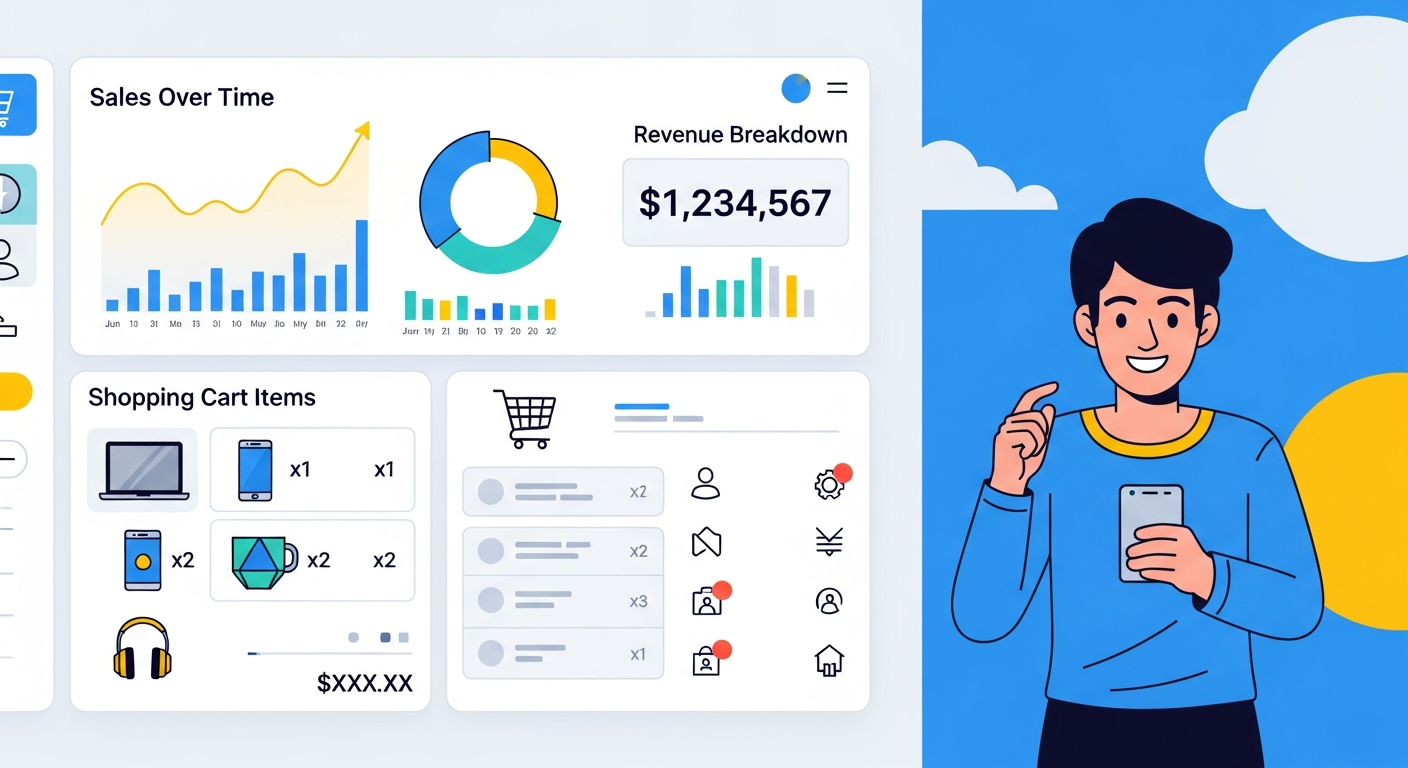
The first and most important step to successfully implementing cross-selling is the careful analysis of your store's data and your customers' behavior. Through the dashboard on the Salla and Zid platforms, you can view sales reports and discover recurring purchasing patterns. Look for products that are frequently bought together; if you notice that a large percentage of customers buy a coffee maker with a specific type of coffee beans, this is a clear signal to create a link between these two products. Building these connections based on real data ensures that your recommendations are logical and meet an actual customer need, rather than displaying random products that might distract them and lead to counterproductive results.
The second strategy relates to the right timing and placement for displaying complementary products. Platforms like Salla and Zid provide features and apps that allow you to display a "Related Products" or "Customers who bought this also bought" section on the product page itself. These recommendations should be clear and visually appealing. You can also smartly utilize product descriptions, where you can mention within the main product's marketing text how well it pairs or integrates with another product available in your store, adding a direct link to it. This encourages the customer to explore more options before moving to the shopping cart.
The third and highly impactful strategy is applying the "psychological pricing rule" in cross-selling. E-commerce experts recommend that the price of the complementary product added as a suggested item should not exceed 15% to 25% of the main product's value. For example, if a customer is buying a travel suitcase for 400 riyals, offering a security lock or a luggage tag for 30 or 40 riyals is an easy decision that doesn't require deep thought from the customer. However, if you try to sell a complementary product at a price close to or higher than the main product, the customer will feel hesitant and might cancel the idea of buying the added product. Therefore, smart pricing is the key to the success of this strategy.
Smart Methods to Display Complementary Products and Increase Cart Value
One of the smartest methods to increase cart value is relying on the "Product Bundles" system, which is excellently available in the settings and apps of Salla and Zid. The idea of bundles relies on combining the main product with one or two complementary products and offering them together at a slightly discounted price compared to buying them individually. For example, offering a "Skincare Bundle" that includes a cleanser, moisturizer, and sunscreen at a 10% discount. This simple discount creates a strong incentive for the customer to get the full deal, which raises the overall order value and moves inventory faster and more efficiently.
The second effective method is utilizing the checkout page to display last-minute offers (Order Bumps). When the customer reaches this stage, they have already made the purchasing decision and are ready to pay. Offering a small, low-cost product with immediate value (such as a gift-wrapping service, an extended warranty, or a quick maintenance product) with a single click can amazingly increase sales. To facilitate the purchasing decision for large amounts resulting from cross-selling, activating installment payment options like Tabby and Tamara is a strategic step. The customer sees that adding complementary products will only increase the monthly installment by a very trivial amount, which removes the barrier of high cost.
The third method goes beyond the moment of purchase to extend to post-purchase cross-selling. The cross-selling process doesn't end once the customer pays for the order. You can use automated email or SMS campaigns through the Salla and Zid platforms to retarget the customer a few days after they receive the main product. If a customer bought a printer, you can send a message two weeks later suggesting they buy extra ink cartridges or printing paper with a special discount code. This method not only increases sales but also reminds the customer of your brand and builds a habit of repeat purchasing from your store thanks to the continuous attention to their needs.
Common Mistakes That Destroy Your Cross-Selling Strategy and How to Avoid Them
One of the most prominent mistakes store owners make when implementing cross-selling is overwhelming the customer with too many random options. When you show the customer ten complementary products at the same time, you put them in a state known as "Analysis Paralysis." Instead of choosing an additional product, the customer might feel confused and decide to abandon the entire purchase. To avoid this, recommendations must be limited and selected with extreme care; displaying one to three complementary products closely related to the main product is the ideal number that stimulates purchasing without distracting or annoying the shopper.
The second destructive mistake is failing to update recommendations and link them to actual inventory status. Nothing annoys a customer more than being convinced to buy a complementary product displayed in front of them, only to discover upon adding it to the cart that it's out of stock. This reflects an unprofessional image and reduces your store's reliability. Therefore, you must closely monitor and rely on inventory management tools in Salla and Zid to ensure that the products displayed in the cross-selling section are synced with the actually available quantities, automatically updating the links to avoid frustrating customers and losing potential sales.
The third mistake is adopting an aggressive or annoying approach when displaying products (being too pushy). Using pop-ups that repeatedly cover the entire screen and obstruct the customer's path to the checkout page can lead to a high cart abandonment rate. Cross-selling should be seamless and appear as a friendly, helpful suggestion rather than a mandatory obstacle. Ensure that the design of the complementary product display is consistent with your store's interface, providing a clear and easy button to decline the offer (such as: "No thanks, I'd like to proceed to checkout") to guarantee the customer's comfort and freedom of choice.
Conclusion: How to Make Cross-Selling a Profitable Habit for Your Store
In concluding this detailed guide, we must realize that cross-selling is not just a temporary marketing trick, but a core strategy and a business mindset that you must adopt in your Salla or Zid store to achieve maximum possible profitability. By accurately understanding your customers' needs and providing smart, complementary recommendations for the products they want to buy, you transform your store from a mere platform displaying goods into a trusted advisor offering complete solutions. This transformation directly reflects on increasing the Average Order Value (AOV), which means higher profits from the exact same number of visits and the usual marketing budgets.
To start implementing this strategy successfully, we advise you to begin with small, deliberate steps. Choose the top five best-selling products in your store right now, and find one perfect complementary product for each. Use Salla or Zid tools to link these products and display them attractively, whether through savings bundles or in the shopping cart. Monitor the results for a full month, and analyze the data to see how customers interact with these offers. Based on these numbers, you can optimize the offers, change the complementary products, or adjust the prices until you reach the magic formula that achieves the highest conversion rate for your store.
Finally, remember that successful e-commerce in the Arab market relies heavily on providing an exceptional shopping experience that builds trust and loyalty. Cross-selling, when executed smartly, professionally, and without annoying the customer, becomes an integral part of this distinct experience. Continue learning and experimenting with new methods, and take advantage of the continuous updates provided by platforms like Salla and Zid in the fields of marketing and sales, to ensure your store stays ahead of the competition and achieves sustainable financial growth that reflects the quality of your products and the strength of your strategies.