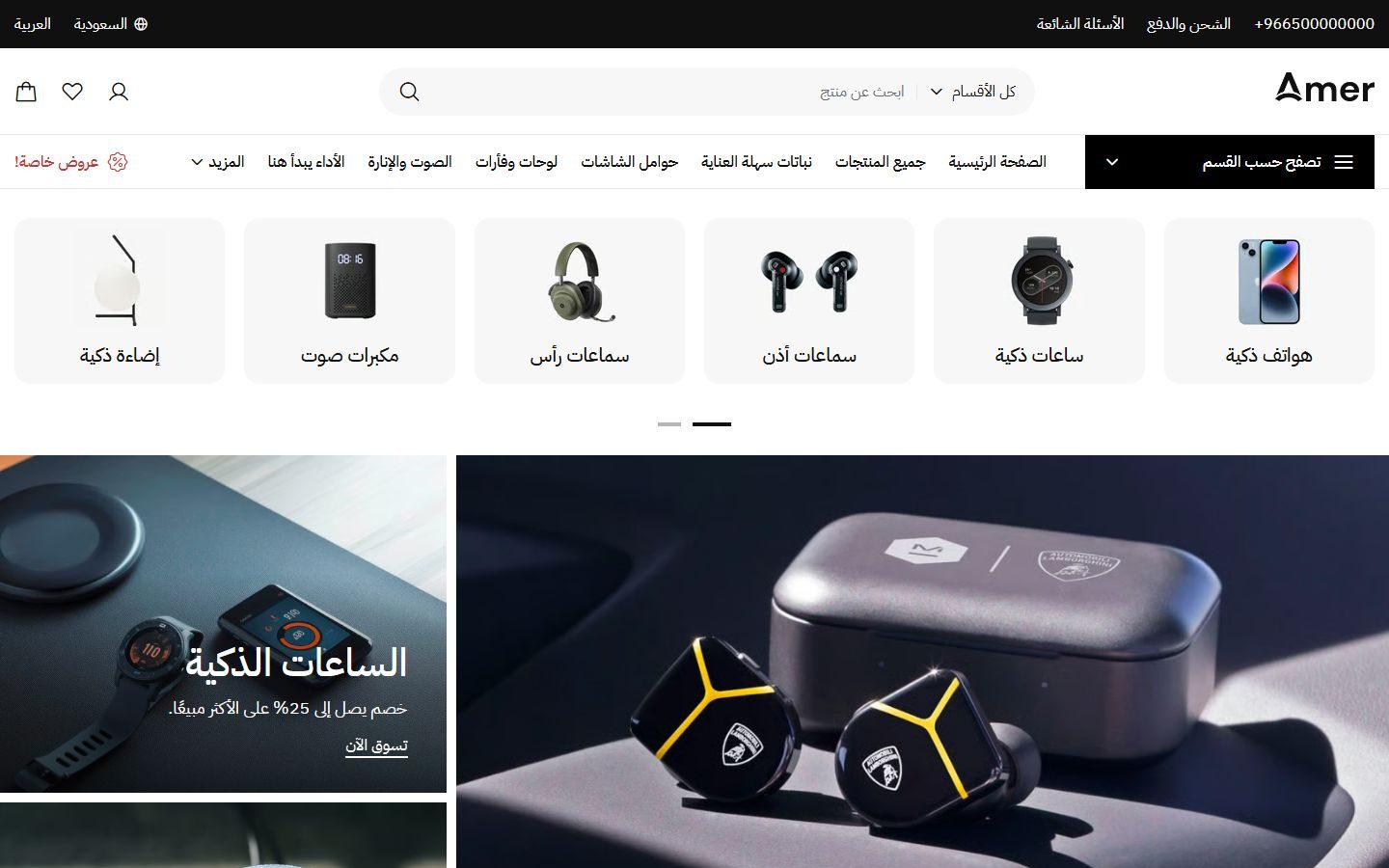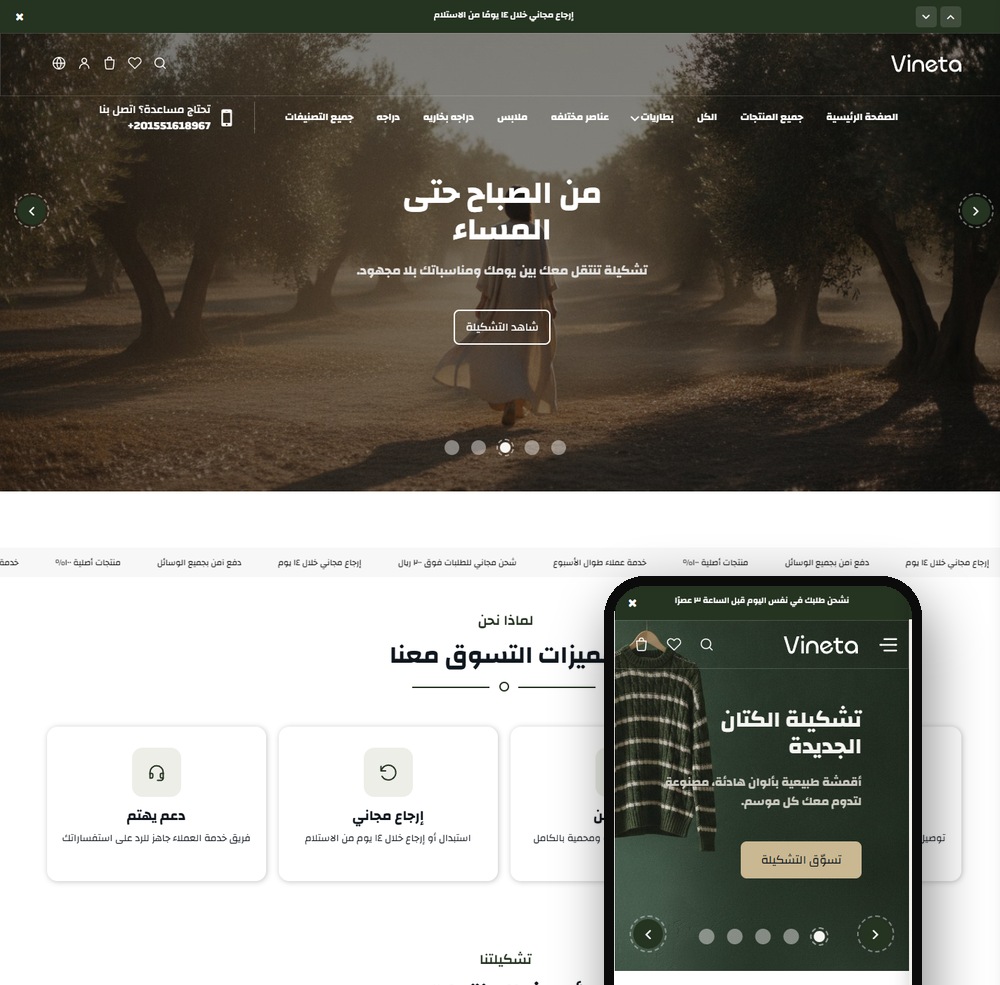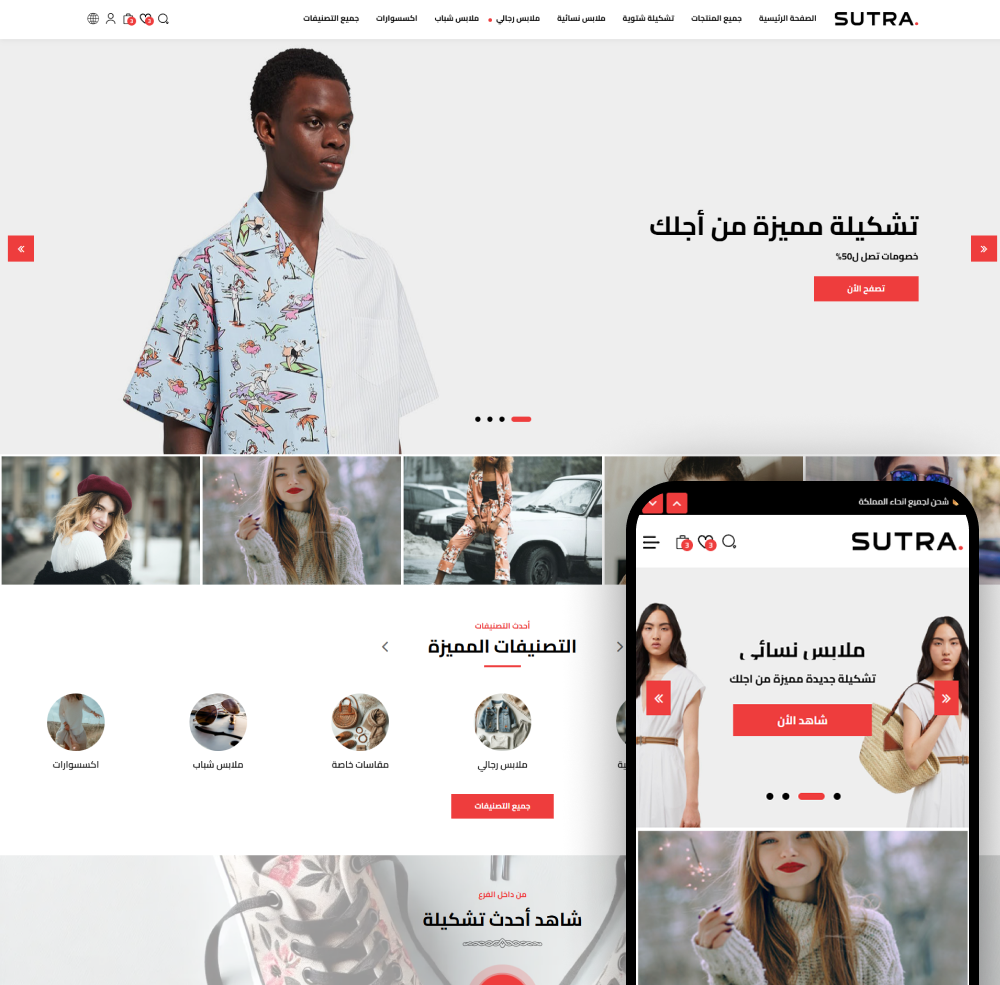





In the fast-paced world of e-commerce, success no longer relies solely on the quality of your product or the aesthetic design of your store on the Zid or Salla platform. Rather, it fundamentally depends on your understanding of what is happening around you in the market. Competition today is fiercer than ever, with dozens of stores emerging daily targeting your exact customer segment, selling similar products, and perhaps offering lower prices or more enticing deals. This is where the importance of "competitor analysis" comes in. It is not merely a process of spying or imitation, but a scientific strategy aimed at uncovering market gaps and understanding the strengths and weaknesses of others to turn them into golden opportunities for your store.
Competitor analysis is the compass that guides your marketing and operational decisions. Instead of guessing or relying on luck, analysis provides you with accurate data upon which to build your strategies. When you know how your competitor markets, how they price their products, what keywords they use, and how they handle their customers post-sale, you will be able to build a strong defensive wall for your store and launch a smart marketing offensive that attracts customers to you. The goal is not to be a carbon copy of them, but to be the better version that the customer chooses without hesitation. This is what we will detail in this comprehensive guide.
In this article, we will dive deep into the mechanics of competitor analysis in a practical manner, far from complex theorizing. We will learn how to identify true competitors (both direct and indirect), what free and paid tools can reveal their secrets, and how you can leverage platforms like Zid and Salla to monitor the market. We will provide you with a clear action plan that enables you to outperform similar stores, increase your market share, and turn raw data into tangible profits in your bank account, with a focus on practical application in the Saudi and Arab environment.
Identifying Competitors: Who is Really Threatening Your Market Share?
The first and most important step in the journey to excellence is knowing "who" you are up against. Many merchants fall into the trap of believing their only competitor is a large, famous store like Amazon or Noon, ignoring the small and medium-sized stores that quietly and smartly eat into their market share every day. A direct competitor is a store that sells the same products to your target audience at roughly the same price range. If you sell luxury perfumes at mid-range prices on the Salla platform, your competitor is not necessarily the expensive global brands, but rather other local stores offering similar fragrance compositions and targeting Saudi youth. You should prepare a list of at least 5 to 10 stores that you consider direct competitors, noting all their details in terms of visual identity, tone of voice, and the platforms they are active on.
On the other hand, you must not overlook "indirect competitors." These are the ones who offer alternative solutions to the problem your product solves, even if the product itself is completely different. For example, if you sell home gym equipment, your indirect competitors are not just other equipment stores, but also gyms and workout apps that require no equipment. Understanding these competitors broadens your perspective and makes you think of innovative marketing messages that convince the customer that your solution (the product) is the best compared to other alternatives. This deep understanding of competitor types is the foundation upon which you will build all subsequent analysis steps; without it, your efforts will be scattered and unfocused.
To start accurately identifying these competitors, you can use simple and highly effective methods, such as searching Google using keywords that describe your products and noting who appears in the top results and paid ads. You can also visit the "App Store" on Zid or Salla and browse store categories similar to yours, or use active Instagram and TikTok hashtags in your niche. Once you have identified the list, start creating a simple Excel file containing: the store name, store link, social media accounts, and the initial strengths and weaknesses you noticed at first glance. This file will be your permanent reference for continuous development and improvement.
Analyzing the Competitors' Marketing Mix: Product, Price, and Promotion
Once you have identified your list of competitors, you must move on to the precise dissection of their marketing mix, starting with analyzing the "Product." Do not just look at the product image; study the product description carefully: How do they describe the benefits? What emotional words do they use? Are their photos professional or spontaneous mobile shots? Do they offer additional warranties? Also, note their product variety—do they focus on a single product (Niche) or do they have a wide selection? This analysis will help you determine whether your product needs improvement in quality, packaging, or even how it is displayed in your online store to be more attractive and persuasive to a hesitant customer.
The second crucial element is "Marketing and Promotion," and here you must smartly monitor their advertising channels. Go to the "Meta Ad Library" and search for their store names to see the active ads they are currently running. This will reveal the marketing messages they focus on and the offers they promote. Monitor their accounts on TikTok and Snapchat: Do they rely on educational content, comedy, or entirely on influencers? Knowing their strategy for collaborating with celebrities can save you a lot of time and money. For more details on this aspect, you can check out our article on Influencer Marketing: Your Guide to Success on Salla and Zid, which will help you understand how to choose the right influencer to outperform your competitors.
The third and most sensitive element is "Pricing." Analyzing price does not mean slashing your prices to be the cheapest, as this is often a losing strategy. Rather, it means understanding the "pricing strategy" they follow. Do they use charm pricing (like 99 Riyals instead of 100)? Do they offer free shipping upon reaching a certain value? Do they rely on selling products as bundles to increase the cart value? Analyzing these points might inspire you to offer smarter deals, such as bundling several products together at a discounted price instead of lowering the price of a single item, thereby increasing your profits and setting you apart from the competition. To learn how to apply this strategy effectively, we recommend reading Product Bundles: How to Smartly Increase Average Order Value? to implement innovative pricing ideas.
User Experience and Customer Service: The Hidden Battle
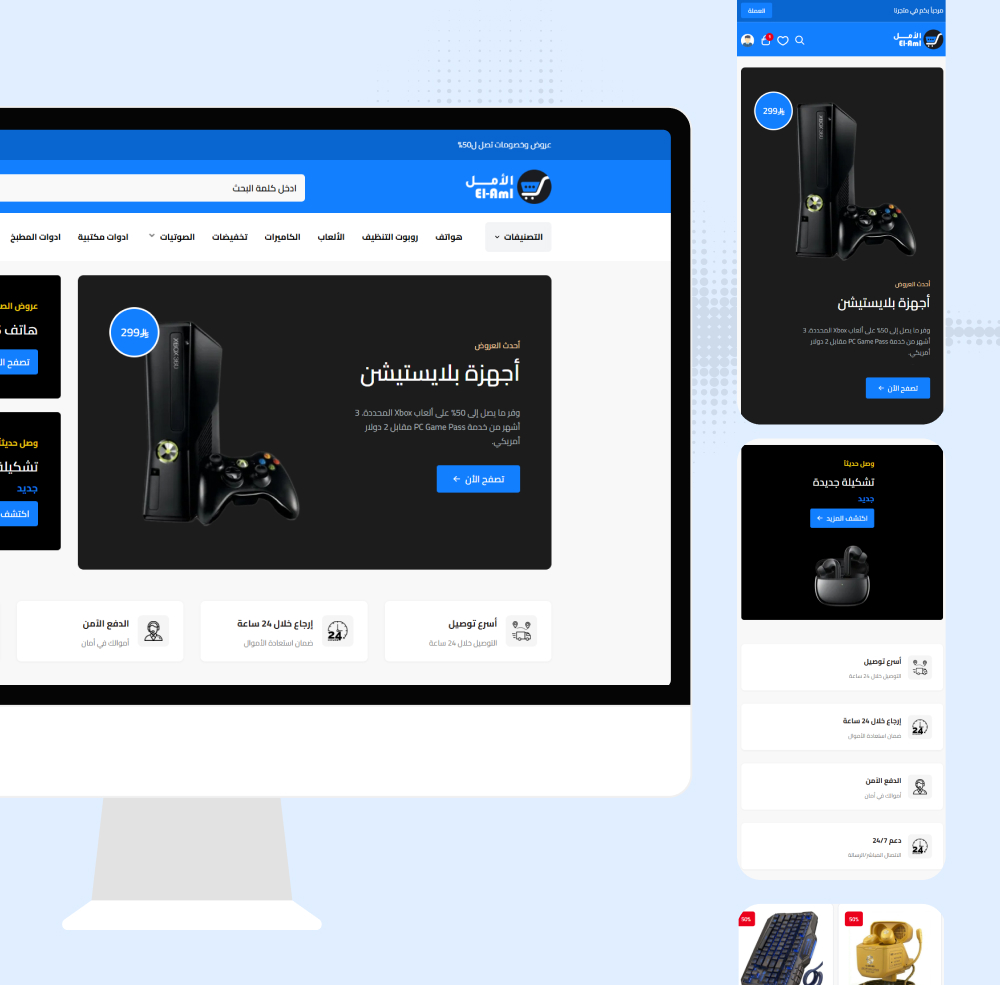
Often, one store outperforms another not because of product quality, but because of the ease of the shopping experience and site speed. Visit your competitors' stores as a "mystery shopper" and browse the store from a mobile phone (since most traffic comes from there). Note the page load speed, ease of navigation between categories, and the clarity of product images. Try adding a product to the cart and proceeding to the checkout page: Do they require a complex mandatory login? Are the payment options diverse and convenient (like Tabby, Tamara, Apple Pay)? Any complexity you find in their stores is an opportunity for you to make your store easier and faster, thereby winning over the customer who fled their complications.
Customer service is the secret weapon that many overlook. To analyze this aspect, try contacting your competitors via WhatsApp or live chat and ask them detailed questions about a product. Measure their response speed, politeness, and their ability to persuade and assist. Also, monitor negative comments on their social media accounts to know what customers are complaining about. Are they complaining about delayed shipping? Poor packaging? Difficult returns? These complaints are treasure troves of information. If your competitor's customers complain about a complicated return policy, you can stand out by offering a flexible and clear policy. Here, you can benefit from our article on Return Policy: How to Write Terms That Protect Your Store and Your Customer? to draft a policy that becomes a strength for your store.
Do not forget to analyze the "post-sale" process if you actually make a purchase from them as part of your analysis. How does the shipment arrive? Does the packaging carry the brand identity and feel luxurious? Do they include a thank-you note or a discount code for the next order inside the box? These small details build immense loyalty, and observing what competitors do in this regard gives you ideas to develop your own unboxing experience. Remember that the customer does not just buy a product; they buy a complete experience that starts from the first click and ends with using the product. The store that provides the best experience is the one that will win the race.
Technical Tools and Metrics for Performance Measurement and Comparison
Relying on manual observation is good, but using technical tools elevates your analysis to a professional and precise level. Tools like SimilarWeb (the free version) give you an overview of your competitors' store traffic and the sources of these visits—do they come from direct search or social media? Knowing traffic sources helps you direct your marketing budget to the most effective channels in your industry. Additionally, tools like Google Trends help you compare the search volume for your brand name against competitors' brands, allowing you to gauge the popularity of each brand in specific geographic regions within the Kingdom or the Arab world.
Alongside external tools, you must focus on your internal performance metrics and compare them with general market benchmarks. It is not enough to know what the competitor is doing; you must know your own numbers accurately to understand where you stand. What is the conversion rate in your store? What is the average order value? If your numbers are lower than the normal rates in your sector, it means competitors are outperforming you in persuading the customer. To understand these numbers more deeply and how to use them in comparison, we recommend referring to Key Performance Indicators (KPIs): 5 Numbers That Determine the Success of Your Online Store, where you will find a comprehensive explanation of the numbers you should monitor daily.
Using social listening tools can be highly beneficial for stores with a marketing budget. These tools alert you instantly whenever your competitor's name is mentioned anywhere on the internet, whether in a press release, a tweet, or a forum. This keeps you constantly informed of any crisis a competitor is going through (to leverage smartly and ethically) or any successful campaign they launch (to learn from it). Ultimately, tools are merely aids; true intelligence lies in your ability as a merchant to connect this data together to come up with strategic decisions that improve your store's performance and boost your sales.
Conclusion: Turning Analysis into a Continuous Plan for Excellence
In concluding this guide, we must realize that competitor analysis is not a one-time task you perform when establishing the store and then forget about; rather, it is a continuous and periodic process. The market changes, competitors evolve, and new stores emerge every day. Allocate time monthly or quarterly to review your competitors' file, update the data, and monitor any changes in their strategies. Success in e-commerce on platforms like Zid and Salla requires patience and constant vigilance, and the store that stops monitoring the market is the first to drop out of the race.
Always remember that the goal of all this analysis is not blind imitation, as imitation always puts you in second place. The goal is "excellence." Use the information you have gathered to bridge the gaps left by competitors and to offer added value that the customer cannot find anywhere else. Whether that is through exceptional customer service, incredibly fast delivery, unmatched product quality, or even marketing content that touches customers' hearts. Turn your competitors' weaknesses into your strengths, and their strengths into a motivation for you to improve and develop.
Start applying what you have learned today. Choose one competitor and analyze them from A to Z, then compare the results with your store. You will be surprised by the volume of missed opportunities you will discover and the amount of developmental ideas that will spring to your mind. Excelling in e-commerce is not impossible, but it requires a discerning eye, an analytical mind, and a strong will for execution and continuous experimentation. Get started now, and make your store the formidable player that others try to analyze and imitate.