




Every merchant in the e-commerce world faces moments of frustration when they notice many visitors entering their store, eagerly browsing products, and even adding them to their shopping cart, only to suddenly leave without completing the checkout process. This phenomenon, known as abandoned carts, is considered one of the biggest challenges plaguing store owners on the Zid and Salla platforms. Seeing potential revenue slip through your fingers can be discouraging, but the truth that many overlook is that these carts represent a hidden treasure and a golden opportunity to increase sales if handled smartly and professionally.
Global statistics in the e-commerce sector indicate that cart abandonment rates can exceed seventy percent in some industries. This means that out of every ten customers intending to buy, seven leave at the last minute. These customers are not just passing visitors; they are people who have shown genuine interest in your products and have moved past the brand awareness stage to reach the decision-making stage. Their last-minute withdrawal is often the result of minor obstacles that can be overcome, or temporary hesitation that needs a small encouraging push to close the deal and turn them into loyal, actual customers.
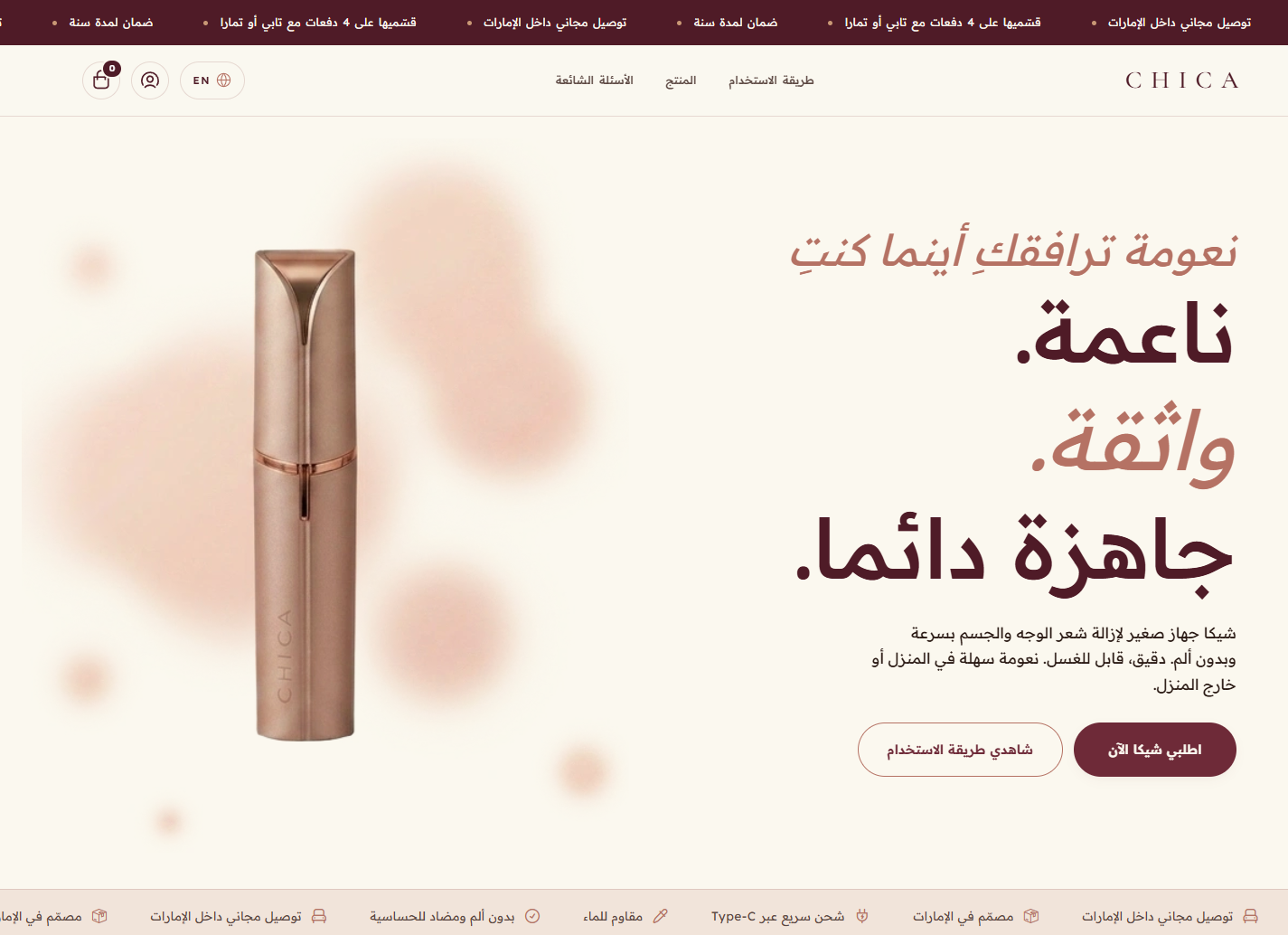
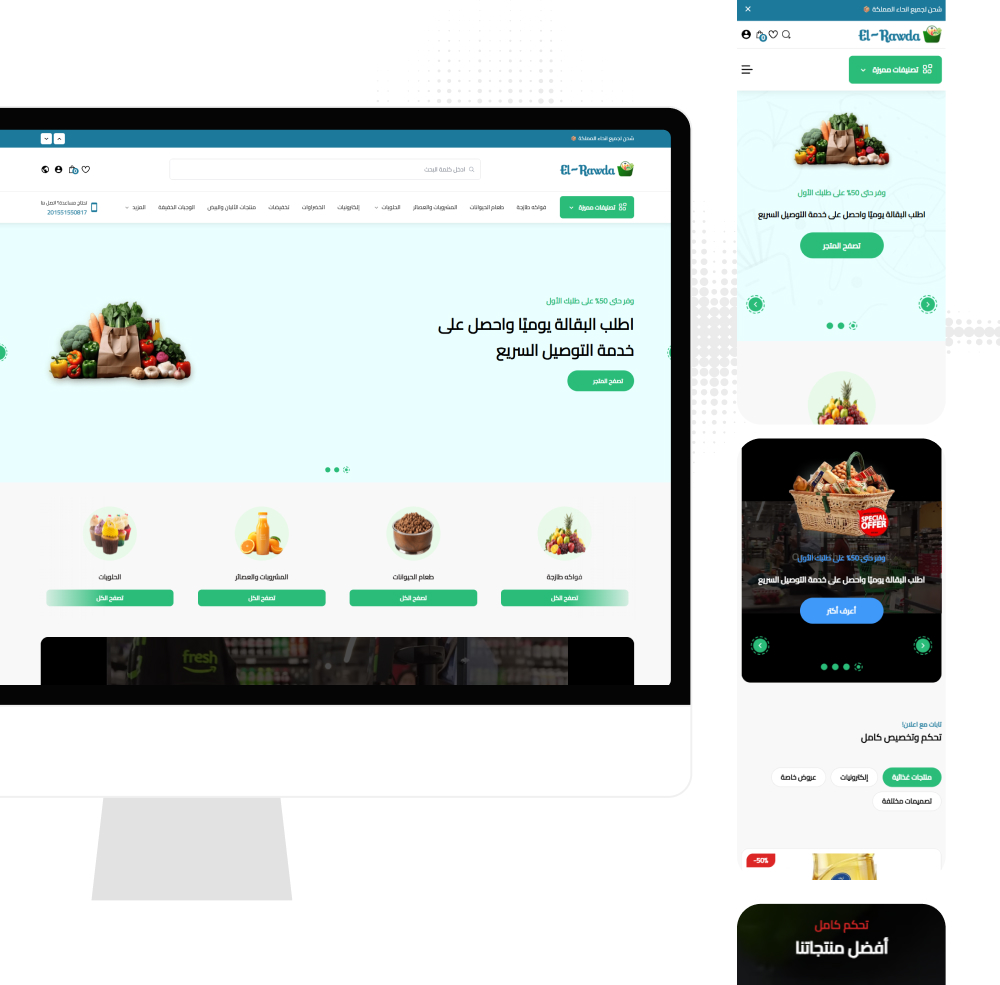
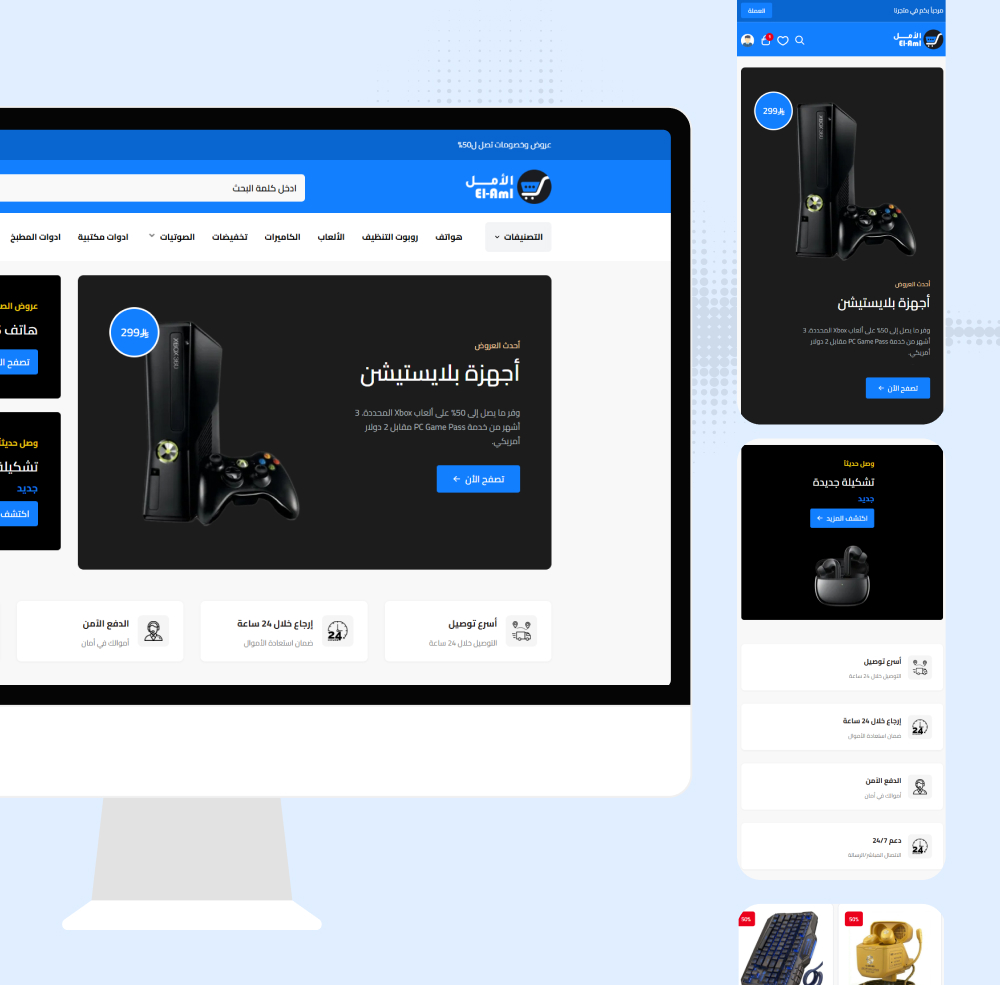
In this comprehensive article, we will dive deep into the problem of abandoned carts and explore the root causes that drive customers to back out of purchasing in Salla and Zid stores. We won't just present the problem; we will provide you with a clear roadmap and actionable steps that can be applied immediately to recover these customers. Together, we will learn how to use the tools available on these platforms and how to design smart marketing strategies that bring shoppers back to your store, making the cart recovery process a fundamental part of a sustainable profit-boosting system in your business.
Reasons for Cart Abandonment in E-commerce Stores and How to Address Them
The first step in the journey of recovering lost sales is understanding the real reasons that drive a customer to abandon their shopping cart at crucial moments. One of the most prominent and common reasons is unexpected additional costs that appear on the checkout page, such as high shipping fees or unexpected taxes. When the customer sees that the final price has far exceeded their budget or expectations, they immediately back out. To solve this problem, it is absolutely essential to review your shipping policies. You can check out Shipping Companies: Your Guide to Choosing the Best in Salla and Zid to be able to offer flexible shipping options and competitive prices, or even integrate the shipping cost into the product price to offer an attractive free shipping perk.
The second reason that exacerbates the abandoned cart problem is the complexity of the checkout process and lengthy payment steps. The customer in the digital age is looking for speed and ease. If they encounter long, complicated forms asking for unnecessary details or forcing them to create a new account before purchasing, the likelihood of them leaving skyrockets. Fortunately, the Salla and Zid platforms offer express checkout options and allow customers to complete their purchases as guests. It is crucial to activate these features and simplify the checkout page to be just one or two steps at most to ensure a smooth and comfortable user experience.
The third reason lies in the limited payment options available in the store. Some customers prefer cash on delivery, while others prefer using credit cards or digital wallets like Apple Pay. Additionally, with the rising cost of living, providing flexible payment options has become an urgent necessity. For this reason, we recommend reading our article on Installment Payments: How to Increase Your Sales with Tabby and Tamara? to understand how these services can break the high-price barrier and push the hesitant customer to complete the purchase immediately without worrying about paying the full amount all at once.
Effective Strategies for Recovering Abandoned Carts in Salla and Zid
After addressing the root causes, it's time for proactive action to recover customers who have already left. The first of these strategies is setting up automated reminder campaigns. E-commerce platforms like Zid and Salla allow you to connect your store with scheduled SMS and email services. The first message should be sent one hour after the cart is abandoned, acting as a gentle and simple reminder letting the customer know their favorite products are still waiting for them. This quick message often succeeds in winning back customers who left due to a sudden distraction or an internet connection drop.
The second and most effective strategy in the Arab market is using the WhatsApp application to reach customers. WhatsApp features open and read rates that exponentially exceed those of emails, making it the optimal channel for direct communication. WhatsApp messages are considered a magical tool in this context. To maximize their benefits, you can review the guide WhatsApp Marketing: Double Your Sales in Salla and Zid, which explains the details of building high-converting recovery campaigns. Through WhatsApp, you can offer instant support and ask the customer if they encountered a technical issue during checkout, which builds a strong relationship of trust that accelerates the purchasing process.
The third strategy involves launching retargeting ad campaigns across social media platforms. By connecting a Snapchat, TikTok, or Meta pixel to your Salla or Zid store, you can track customers who abandoned their carts and show them personalized ads featuring the exact products they browsed. This continuous visual reminder across the apps they use daily revives their desire to buy and keeps you top-of-mind until they make the final payment decision.
Using Promotional Offers and Cross-Selling Smartly
When initial reminder messages fail to persuade the customer to return, it's time to use financial incentives carefully and smartly. In the second or third message sent after twenty-four hours, you can offer a special, exclusive discount code or a free shipping offer to encourage the customer to complete the order. It is very important not to offer the discount directly in the first message, so customers don't get used to intentionally abandoning their carts just to get discounts. Instead, treat the discount as a last resort to save the deal and turn it into actual sales.
In conjunction with offering promotions, cross-selling techniques can be used to increase the appeal of the abandoned cart. Sometimes, a customer hesitates because they haven't found a complete solution for their needs. By suggesting complementary items to the product in the cart at a discounted price, you can turn this hesitation into a multiplied desire to buy. This strategy not only contributes to recovering the cart but also significantly increases its overall value, maximizing your profits on every successfully recovered sale.
To stimulate quick decision-making, you must create a sense of urgency, or what is known as FOMO (Fear Of Missing Out), in your recovery message copy. You can achieve this by adding text stating that the attached discount code is valid for only twelve hours, or that the products in the cart are nearly out of stock. This positive psychological pressure pushes the lazy or hesitant customer to make up their mind immediately and head to the checkout page in your Salla or Zid store before losing the offer or the product they liked.
The Role of Improving User Experience in Reducing Abandoned Carts
User experience is the cornerstone of any successful e-commerce store, and it has a direct and profound impact on order completion rates. The first element in improving user experience is ensuring your store is fully compatible with smartphones. Data indicates that the vast majority of shoppers in Saudi Arabia and the Arabian Gulf complete their purchases via mobile phones. Therefore, your store interface on Zid or Salla must load quickly, and the add-to-cart and checkout buttons must be clear and large enough to facilitate error-free tapping.
The second element is the clarity and transparency of the information provided about the products. Ambiguity is the number one enemy of sales; if a customer cannot accurately learn product details, such as sizes, manufacturing materials, or how to use it, they will prefer to back out and abandon the cart. Every product must be provided with high-quality images from multiple angles and a precise description that answers all potential customer questions. A good description acts as a silent salesperson that persuades the customer and removes any doubts preventing them from completing the checkout process with complete confidence.
The third element of user experience is building trust and credibility, especially for new customers visiting your store for the first time. This trust can be enhanced by prominently displaying reviews and testimonials from previous customers, and explaining return and exchange policies in simple, reassuring language. Additionally, displaying secure payment gateway logos and authentication certificates available in Salla and Zid, such as the Saudi Business Center authentication, gives the customer a sense of security that their financial data and personal information are in safe hands, thereby reducing last-minute drop-off rates.
The Importance of Data Analysis in Tracking Cart Performance
In the e-commerce world, you cannot improve what you cannot measure. Data is the compass that guides your decisions, and to know how to read these numbers professionally, it is indispensable to read Sales Analysis: How to Read Your Store Reports in Zid and Salla? so you can pinpoint flaws in the purchasing funnel with extreme precision. Platforms like Salla and Zid provide advanced analytical dashboards that let you know the number of abandoned carts, their total value, and the specific stage where customers exit the purchasing funnel, helping you diagnose the problem in a scientific and deliberate manner.
Based on this data, you must conduct continuous performance tests, known as A/B Testing, on your cart recovery campaigns. Try different subject lines for emails, or varied copy for WhatsApp messages, and test the impact of offering a specific percentage discount versus offering free shipping. By tracking which of these variables achieves the highest conversion rate and sales, you can continuously optimize your strategy and arrive at the ideal formula that suits the behavior and preferences of your target audience.
Finally, your analysis should not be limited to just cart recovery but should extend to measuring the lifetime value of the recovered customers. A customer who has gone through a positive recovery experience and received excellent support or a good offer often turns into a loyal customer who repeats purchases in the future. Tracking the behavior of these customers helps you evaluate the return on investment from your recovery campaigns and assures you that the effort put into reviving abandoned carts is actually a strategic investment that builds a solid, sustainable customer base for your store.
Conclusion: Your Next Steps Towards Doubling Sales
At the conclusion of this comprehensive guide, we must emphasize an important truth: abandoned carts are not a marketing failure; rather, they are a natural part of the e-commerce lifecycle and represent ready-made sales opportunities waiting to be seized. By changing your perspective on this phenomenon and starting to treat it as a top priority in your store on the Zid or Salla platform, you can recover a large percentage of revenue that was considered lost, turning hesitant shoppers into fundamental pillars for the success and continuous growth of your business.
Together, we have reviewed the main reasons that drive customers to abandon their purchases, from shipping surprises to checkout complexities, and we discussed the importance of improving the user experience and simplifying the purchasing steps. We have also provided you with powerful, practical strategies including WhatsApp and email reminder campaigns, ad retargeting, and the smart use of promotional offers and cross-selling to create a sense of urgency and encourage the customer to make an immediate purchasing decision.
Now, it is time for action and immediate application. Start by auditing the purchasing funnel in your store, and activate the automated reminder tools available in Salla and Zid. Monitor your analytical reports regularly, and do not hesitate to adjust your strategies based on your customers' behavior. Remember that continuous improvement of these small details is what makes a huge difference in the e-commerce world, and it is the real key to doubling your sales and strengthening your brand's position in a highly competitive market.