



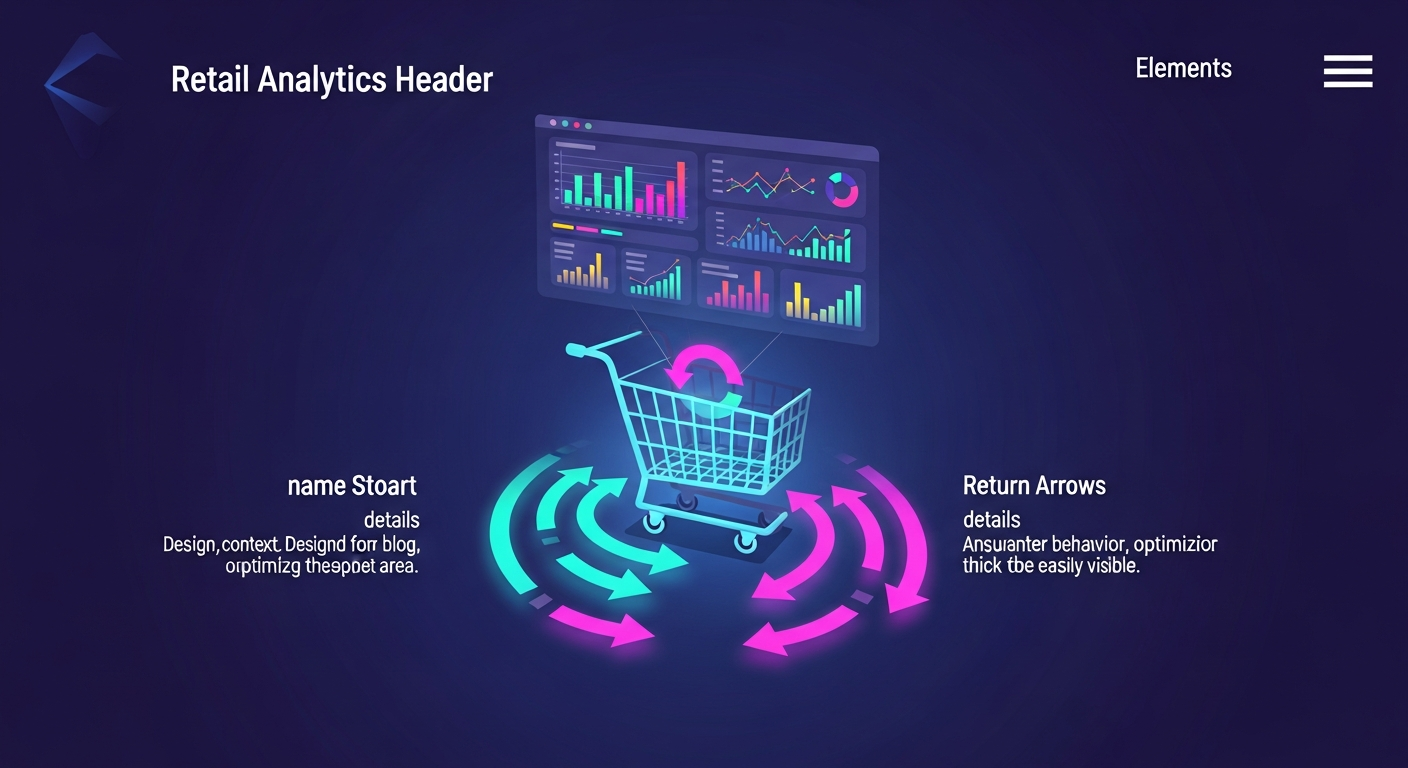
The phenomenon of abandoned carts is considered one of the biggest challenges facing online store owners in the Arab world, especially those relying on Salla and Zid platforms to build and develop their business. When customers browse your store, carefully choose products, add them to the shopping cart, then suddenly leave the store without completing payment, this doesn't only represent a lost sales opportunity — it also represents a waste of effort and budget you spent on marketing campaigns to bring this customer to your store in the first place. Understanding this phenomenon and handling it professionally can be the real difference between a store suffering from weak sales and one achieving growing and sustainable profits.
In the world of e-commerce full of competition, you shouldn't view the abandoned cart as the end of the road or a failure to convince the customer — you should consider it the start of a golden marketing opportunity and a positive indicator that the customer has real desire and actual interest in your products. Customers who added the product to cart have already passed the most difficult stages of the sales funnel, and they now just need a simple push, a kind reminder, or an additional incentive to make the final purchase decision. By using advanced tools and features provided by platforms like Salla and Zid, you can convert these missed opportunities into confirmed sales boosting your store revenue noticeably.
In this comprehensive and detailed article, we'll dive into the depths of abandoned cart recovery strategies and offer you practical, proven steps you can immediately apply in your Salla or Zid store. We'll learn together how to analyze cart abandonment reasons, how to craft irresistible reminder messages, plus best practices and tools that will help you fully automate this process to save your time and effort and achieve the highest possible return from your potential customers.
Reasons for the Abandoned Carts Phenomenon in Online Stores
Surprise shipping costs are considered one of the most important and prominent reasons pushing customers to abandon their shopping cart in the final moments before completing payment. When customers browse your store and add products based on displayed prices, they build a certain expectation for the total invoice. But when they reach the order completion page and are surprised by high shipping fees or taxes that weren't clear from the start, their natural reaction is to feel annoyed and close the page immediately. To avoid this common problem, you must be transparent and frank from the start about shipping and delivery costs, or you can smartly offer free shipping when purchases exceed a certain value to motivate customers. You can always rely on Data Analytics: Your Guide to Reading Salla and Zid Reports to understand and identify the precise point where customers leave your online store and adjust your strategy accordingly.
The second fundamental reason exacerbating the abandoned cart problem is the complexity and difficulty of the checkout and order completion process in the store. Today's customers seek speed, ease, and comfort, and if they encounter long and complex forms requiring entering many unnecessary information, or if they're mandatorily required to create a new account before being able to buy, they will often become bored and retreat from their decision. It's very essential to simplify these steps as much as possible, provide a quick guest checkout option, and reduce required fields in the checkout form to the absolute minimum. To dive deeper into how to improve this comprehensive experience, we recommend reviewing the guide Improving Conversion Rate: Double Your Salla and Zid Sales which provides advanced strategies to simplify the customer journey.
The third reason, no less important than the others, is the limited available payment options or weak trust and credibility factor in the store. Online shoppers prefer using payment methods they're used to and trust, like cash on delivery, credit cards, or fast payment services like Apple Pay and Mada, plus installment payment services like Tabby and Tamara which have become a pressing necessity in the Saudi and Gulf market. If customers don't find their preferred payment method, they will simply leave the cart and look for another store meeting their needs. Moreover, you must ensure displaying security certificates, trusted payment method logos, and previous customer ratings clearly on the checkout page to enhance the customer's feeling of security and encourage them to complete the financial transaction with full confidence.
Strategies to Recover Abandoned Carts on Salla Platform
Salla platform stands out by providing an integrated and powerful system for managing abandoned carts, allowing merchants to easily track every incomplete cart through the main dashboard. The first and basic step to recover these carts is activating the automatic email reminder feature, where Salla allows you to set up a series of scheduled messages sent to customers after they leave the cart at specified time intervals. You can customize the content of these messages to be friendly and convincing, with images of the products the customer left and a direct link returning them with one button click to the pre-filled checkout page, removing any technical obstacles that might prevent them from buying.
To increase the effectiveness of recovery campaigns on Salla, you shouldn't settle for email only — you should leverage the power of SMS messages and instant messaging apps which enjoy much higher open and read rates. Through Salla's app store, you can link your store with automated WhatsApp messaging services, considered a magical tool in the Arab market. When a customer receives a personal WhatsApp message kindly reminding them of their favorite products, the probability of their interaction doubles. To learn how to professionally apply this strategy, you can review our specialized article on WhatsApp Marketing: Your Guide to Boosting Salla and Zid Sales which explains the best ways to craft non-intrusive WhatsApp sales messages.
The third and very effective strategy on Salla is using the smart coupon system specifically targeted at abandoned cart owners. Instead of offering an immediate discount that reduces your profit margins, you can send the first and second reminders without any discounts, and in the third and final reminder, you can include an exclusive and temporary discount code (e.g., 10% discount valid for 24 hours only) or offer free shipping as a final incentive to push the hesitant customer to make a decision. Salla allows you to easily create these hidden coupons and link them with automated reminder campaigns, creating a sense of urgency and limited opportunity in the customer, what's known in marketing science as the Fear of Missing Out (FOMO) effect which achieves amazing results in increasing sales.
Practical Steps to Recover Customers via Zid Platform
Zid platform provides an integrated environment giving merchants high flexibility in dealing with incomplete orders and abandoned carts through a modern and organized dashboard. The first practical step on Zid starts from the orders section, where you can filter and display all abandoned carts and accurately analyze their owners' data. The platform allows you to know specific products that were abandoned, their total value, and contact details of the customer if they entered them before leaving. This deep understanding of data allows you to segment customers into segments — for example, you can target customers who left carts of very high value with customized and intensive recovery campaigns different from those targeted to owners of low-value carts, raising the efficiency of your marketing efforts.
The second step on Zid relies heavily on maximizing benefit from Zid's app market (ZidApp Market), which includes a wide range of advanced marketing tools that can be integrated with the click of a button. You can link your store with apps specialized in marketing automation to set up complex and smart Workflows. For example, you can set up a system that sends an SMS to the customer two hours after cart abandonment, and if they don't respond, the system automatically sends a reminder email after 24 hours containing positive product reviews to enhance trust. This complete automation ensures you don't miss any potential sales opportunity, working as an electronic sales team operating around the clock all week without stopping.
The third and most impactful step in Zid platform strategy is customizing customer experience and smartly using the scarcity approach. When you create cart recovery campaigns through Zid's marketing tools, be sure to craft messages making customers feel that the products they chose are in high demand and may run out of stock soon. Strong phrases like "We've saved your cart temporarily, but stock is running out fast," or "Complete your order now before quantity runs out" create a strong psychological motivator for immediate action. Additionally, Zid allows you to personalize messages using the customer's name and product details, making communication feel personal and caring rather than just a random automated message — this attention to detail is what builds customer loyalty in the long term.
Best Practices for Writing Cart Recovery Messages
The success of an abandoned cart recovery campaign radically depends on the quality of content written in reminder messages — a good message grabs the customer's attention and pushes them to take immediate action. The first and most important practice is paying great attention to the email subject line or the first line in WhatsApp or SMS messages. The subject should be attractive, clear, and intriguing without being misleading. Avoid traditional and boring subject lines like "Shopping Cart Reminder," and replace them with more creative and personalized subjects like "Did you forget something amazing in your cart, [Customer Name]?" or "Your favorite products are waiting, don't let them slip away!" A strong subject ensures a high message open rate, the first and most difficult step in the recovery process.
The second practice relates to structuring the message content itself, where the message should be short, direct, and focused on one goal which is returning the customer to the checkout page. Start the message with a friendly and helping tone, as if you're offering distinguished customer service — for example, you can say: "We noticed you didn't complete your order, did you face any technical problem? We're here to help." After that, display clear and beautiful images of the products the customer left in the cart with their prices, to remind them of what aroused their interest initially. And most importantly, the message must contain a very prominent Call to Action button in contrasting colors, carrying clear and motivating text like "Complete your order now" or "Return to shopping cart," while ensuring the link works correctly and takes the customer directly to the final step.
The third and necessary practice to ensure continuous improvement is conducting continuous A/B Testing on the content and design of abandoned cart recovery messages. Don't rely on one model and expect it to always achieve the best results. Try sending two different versions of subject lines to see which achieves a higher open rate. Try changing the message tone between formal and humorous based on the nature of your brand and target audience. Test offering a monetary discount versus offering free shipping to see which motivates your customers more. By periodically analyzing these test results through Salla and Zid dashboards, you'll be able to continuously improve your messages and reach the magical formula achieving the highest conversion rates for your store.
The Ideal Timing for Sending Reminder Messages to Customers
Timing is one of the most decisive factors in the success of the abandoned cart recovery strategy — the right message at the wrong time may lead to annoying the customer and losing them forever. The first message or first reminder should be sent very shortly after cart abandonment, preferably within one to two hours maximum. At this time, the customer still remembers your store, products are still present in their mind, and they may have left the site due to an urgent occupation, phone call, or internet connection weakness. This message should be a kind reminder and helpful service, without offering any discounts or promotional offers at this early stage, just a friendly inquiry whether they need help completing the order.
If the customer doesn't interact with the first message, the second message's turn comes, usually sent 24 hours after cart abandonment. At this stage, the customer may have forgotten the matter or started comparing your product prices with other competing stores. Here the message should be more urgent and motivating. In this message, you can highlight your products' features, or display positive reviews from previous customers who bought the same product to enhance trust. This timing is also ideal for offering a simple and thoughtful incentive, like a 5% discount code or free shipping offer, to encourage the hesitant customer to make the decision and settle the purchase in their favor before going to competitors.
As for the third and final message in the recovery series, it's usually sent 48 to 72 hours after cart abandonment maximum. This is your last chance and final attempt to recover this customer. This message should rely primarily on creating a strong sense of Urgency. Use gentle warning phrases explaining that the cart will be emptied soon, or that the special offer you presented in the previous message will end within a few hours, or that the requested products are about to run out of stock. If the customer doesn't buy after this third message, it's better to stop messaging them about this specific cart to avoid being classified as a spam sender, and you can later target them in general marketing campaigns for new products.
Conclusion: Converting Abandoned Carts Into Confirmed Sales
In closing this comprehensive guide, we must emphasize an important truth that abandoned carts aren't an inevitable loss — they are a natural and expected part of the e-commerce life cycle, representing a gold mine of undiscovered sales. Changing your view as a merchant toward these carts from being a frustrating problem to a promising marketing opportunity is the first step toward increasing your profits. Customers who reached the cart stage are the potential customers most likely to buy, and the effort and cost required to convince them to complete the order are much less than the cost required to bring completely new customers to your store, making the cart recovery strategy one of the highest ROI strategies.
We've seen how leading e-commerce platforms in the Arab region like Salla and Zid have removed technical obstacles and provided powerful and advanced tools to manage this process almost automatically. Through simple steps and quick settings in the dashboard, you can activate email campaigns, SMS, and WhatsApp alerts that work on your behalf around the clock. The secret doesn't only lie in possessing the tool — it lies in how to use it smartly, starting from understanding cart abandonment reasons, through crafting attractive and personal messages, all the way to choosing the ideal timing and offering appropriate incentives pushing the customer to return and buy without hesitation.
Finally, we call on you as an ambitious merchant not to delay applying these vital strategies. Start today by activating automatic reminder tools in your Salla or Zid store, craft your first messages, and continuously test their performance. Remember that recovering just a small percentage, say 10% or 15% of total abandoned carts in your store, will create a qualitative leap in your overall monthly and yearly sales without needing to increase your advertising budget. Invest in improving customer experience, be close to your customers, and make the purchase process an enjoyable and easy journey — and you'll notice how abandoned carts transform into confirmed orders and permanent customers for your brand.