



The abandoned carts phenomenon is one of the biggest challenges facing online store owners in the Arab world, particularly those relying on leading platforms like Zid and Salla. Imagine this scenario repeating daily: a customer enters your store, browses products with enthusiasm, chooses what they like, adds it to the shopping cart, then suddenly, without any prior warning, closes the page and leaves the store without completing payment. This moment represents a double loss; you didn't only lose sales, but also lost the marketing cost you paid to bring this customer to your store in the first place.
But the bright side of this challenge is that abandoned carts don't necessarily mean the end of the road, but are actually a hidden treasure and golden opportunity to increase your profits if you know how to smartly deal with them. Global statistics indicate that the cart abandonment rate exceeds seventy percent, meaning recovering a small part of these carts can create a qualitative leap in your revenue. In this comprehensive guide, we'll deeply understand the reasons for this phenomenon, and we'll explore together the latest strategies and tools available on Zid and Salla platforms to convert these abandoned carts into actual sales and permanent customers.
The Reasons for the Abandoned Carts Phenomenon in E-commerce
To understand how to recover abandoned carts, we must first dive into the digital buyer's psychology and understand the root reasons pushing them to retreat at the last moments. Often, cart abandonment doesn't result from not wanting the product, but is natural behavior reflecting the modern shopping pattern. Many customers use the shopping cart as a wishlist or a tool to compare prices between different stores, where they collect products that arouse their interest to return to them later when they are financially and psychologically ready to make the final purchase decision.
The second and very important reason relates to user experience inside the store itself. When the customer faces a complex and long checkout process requiring many unjustified steps, like forcing them to create a new account and fill long forms with personal data before allowing them to pay, their enthusiasm level sharply decreases. Platforms like Zid and Salla provide the fast guest checkout feature, and ignoring activating this feature is considered a fatal mistake directly contributing to raising cart abandonment rates, because the customer always looks for speed and ease.
Moreover, trust plays a pivotal role in completing the purchase. If the customer reaches the checkout page and doesn't find clear security certificates, or notices that the page design looks unprofessional, or doesn't find sufficient information about return and exchange policy, they'll feel anxious about their financial data and prefer to withdraw immediately. Building trust requires absolute transparency from the first moment of customer entry until reaching the final payment step, including clarity of product details and real reviews from previous customers.
Shipping Challenges and Payment Options and Their Impact on Purchase Decision
Hidden or unexpected costs, foremost shipping fees, are considered the number one killer of sales in the e-commerce world. When the customer finds that shipping cost is very high compared to the product value itself, or when they are surprised by these fees at the last payment step, they feel deceived and abandon the cart immediately. It's very essential to address this problem by offering flexible shipping options and clarifying costs in advance. You can review Shipping Management: Secrets to Reducing Costs on Zid and Salla to know how you can offer competitive prices attracting customers without turning them away.
Alongside shipping, the problem of limited payment options comes as a main barrier preventing deal completion. Today's Arab consumer, especially in Saudi Arabia, relies heavily on modern payment methods like Apple Pay, Mada, and credit cards, plus deferred payment services like Tabby and Tamara that revolutionized purchasing power. Not providing these options means you're asking the customer to adapt to your terms instead of meeting their needs. For more details on this vital aspect, we recommend reading Payment Gateways: Your Guide to Choosing the Best on Salla and Zid to equip your store with the best financial solutions.
To overcome these technical and financial challenges facing your customers and pushing them to leave their carts, you should adopt a set of clear proactive procedures. These procedures don't only improve payment completion rates, but build an excellent reputation for your store and increase customer loyalty in the long term. Here are the most important practices to apply immediately:
- Offering free shipping for orders exceeding a certain value to encourage the customer to increase their purchase value and justify the shipping cost.
- Clearly clarifying shipping fees and taxes on the product page and before the customer reaches the final order completion page.
- Activating installment payment services (Buy Now Pay Later) to ease the financial burden on the customer and facilitate purchase decisions for expensive products.
- Prominently displaying secure payment gateway logos at the bottom of the store and on the checkout page to reassure the customer and confirm store reliability.
Practical Strategies to Recover Abandoned Carts on Salla and Zid
Once the customer leaves their cart, a race against time begins. Timing is the most important factor in the abandoned cart recovery strategy. If you wait too long, the customer may forget their desire for the product or worse, may buy it from one of your competitors. Salla and Zid platforms provide powerful integrated tools to track these carts and deal with them automatically. Your first step should be activating these tools and adjusting them to work immediately, where studies indicate that communicating with the customer within the first hour to two hours of cart abandonment achieves the highest response and conversion rates.
The second strategy relies on crafting the communication message smartly and non-annoyingly. Your message shouldn't appear as insistence or scolding the customer for not buying. Instead, make the message tone based on providing help and removing obstacles. You can craft the message as a kind inquiry, like: "Did you face a technical problem during payment? We're here to help you," or "We've kept your favorite products in the cart so you can easily complete your order." This friendly style builds a bridge of trust and pushes the customer to return without feeling pressure.
The third strategy is the cautious and smart use of incentives and discounts. The common mistake the merchant makes is offering a discount code immediately when the customer leaves the cart in the first message. This behavior may teach customers a fraudulent method, where they will deliberately leave the cart every time to get a discount. The right approach is sending a simple reminder in the first message, then creating a feeling of scarcity in the second message (like: limited quantity, or the cart will end soon), and keeping the exclusive discount code for the third and last message as a final solution to motivate the hesitant customer.
Building Effective Reminder Campaigns via Email and SMS
To maximize benefit from recovery tools, a thoughtful timeline for reminder campaigns should be built. The ideal sequence usually consists of three main stations. The first station is via a quick notification or email one hour after cart abandonment, and is just a kind reminder. The second station comes after 24 hours, focusing on highlighting product value and perhaps displaying positive ratings from other customers to enhance desire. The third station is after 48 to 72 hours, where offering a special offer or free shipping as a final chance to close the deal comes.
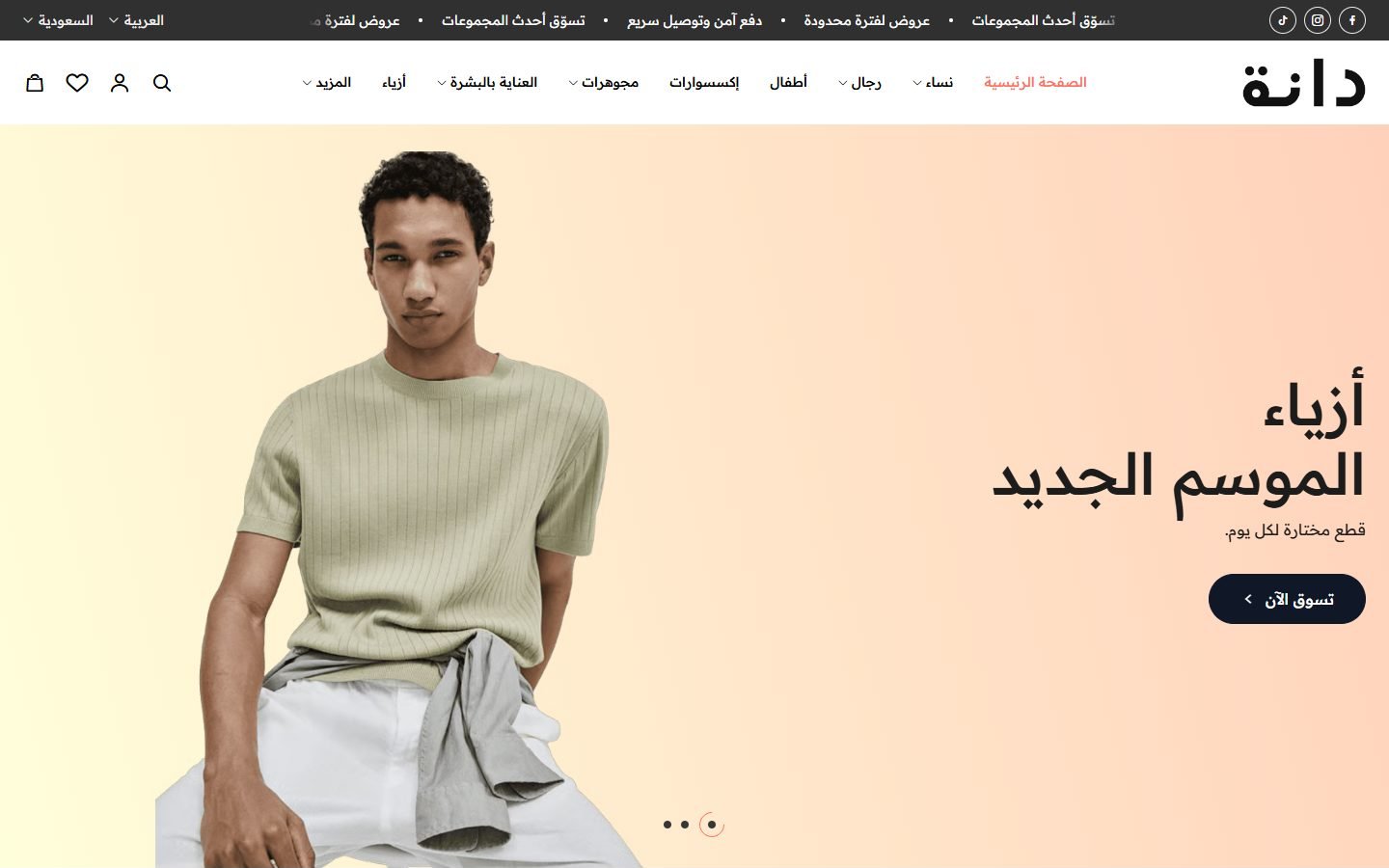
On Salla platform, you can benefit from the "Abandoned Carts" feature in the dashboard, allowing you to send SMS or WhatsApp messages to customers with simple steps. On Zid platform, you can activate third-party apps from the Zid app store which smoothly integrate with email marketing tools. Always remember that SMS and WhatsApp have much higher open rates than email in our Arab region, so they should be your primary means, while using email as a supporting and detailed channel.
To ensure the success of these campaigns, messages should be personalized as much as possible. The contemporary customer ignores cold uniform automated messages. To professionally apply customization that increases customer recovery chances, ensure including the following elements in your messages always:
- Using the customer's first name at the beginning of the message to immediately grab their attention and make them feel personal care.
- Attaching a clear and attractive image of the main product they left in the cart to activate their visual memory and revive their purchase desire.
- Including a clear and direct Call to Action button, like "Complete Your Order Now" or "Return to Cart," which takes the customer directly to the checkout page without passing through the store's home page.
- Adding fast customer service contact methods at the end of the message, so the customer can ask any inquiry or solve any problem preventing them from completing the purchase.
Improving Store Interface and Purchase Path to Reduce Leakage
Prevention is always better than cure, and reducing the cart abandonment rate from the start is much easier than trying to recover them later. This starts by improving the store interface and facilitating the Sales Funnel. The transition from the product page to the shopping cart then to the checkout page should be smooth, intuitive, and with the fewest possible clicks. Any distraction at this stage, like the appearance of annoying Pop-ups or inappropriate product suggestions hindering the customer's path, will inevitably lead to increased leakage rates. You can understand this mechanism more deeply by reading Conversion Rate: How to Double Your Store Sales on Zid and Salla.
Providing the "Guest Checkout" option is considered one of the most important improvements you can add to your store. Many new customers don't want to commit to creating an account and remembering new passwords just to buy one product. Zid and Salla platforms recognize this need and provide flexible options allowing the customer to complete the order using just their mobile number and OTP verification code. This simplification reduces friction in the purchase process and makes the payment experience fast and comfortable, reflecting positively on lower numbers of abandoned carts.
Speed is another decisive factor in maintaining the customer inside the purchase path. If the checkout page takes a long time to load, or if the store is slow on mobile devices, the customer will lose patience and leave. Ensure optimizing image sizes and using light templates fast-responsive to smartphone screens, because more than eighty percent of shoppers in the Arab region use their mobile phones to complete online purchases. Clean and fast design is the secret of retaining the customer until the last moment.
Leveraging Data Analysis to Understand and Address Exit Points
You can't improve what you can't measure; this golden rule applies perfectly to abandoned cart management. To effectively address the problem, you should dive into your store numbers and use analytics tools to know exactly where customers leave. Do they leave at the shipping company selection page? Or when entering credit card data? Or just when seeing the total invoice? Answering these questions gives you a clear roadmap for repair. To master this skill, I recommend reviewing Data Analysis: How to Read Your Store Reports on Salla and Zid so you can extract actionable insights.
After identifying main exit points, comes the role of conducting A/B Tests to reach optimal solutions. For example, if you discovered that a large percentage of customers leave the cart due to the shipping cost of 30 riyals, you can test offering a discounted shipping offer at 15 riyals and monitor whether the sales percentage will increase in a way that covers this reduction and achieves additional profit or not. Continuous experimentation based on data is the only way to improve store performance systematically away from guessing and random decisions.
In addition to quantitative analytics, qualitative analytics like Session Recordings and Heatmaps are considered advanced tools allowing you to see your store with your customers' eyes. By linking your store with external tools, you can watch how visitors interact with page elements, where they stop, and which buttons they have difficulty clicking, especially on small screens. This precise monitoring will help you discover and solve the following problems:
- Discovering hidden programming errors preventing some customers from completing payment on certain browsers or specific devices.
- Identifying confusing fields in the order completion form making the customer hesitate or mistake entering their data.
- Knowing whether the main payment buttons are unclear or get lost amid other unimportant visual details and elements on the cart page.
Conclusion and Final Recommendations for Your Store Success
In closing, we should view abandoned carts not as a failure in the selling process, but as a natural part of the customer's digital journey, and as a highly targeted marketing opportunity. The customer who added a product to the cart has already passed the most difficult stages of the Sales Funnel; they know your brand, largely trust your product, and have real purchase intent. All they need is a final push, removing a small obstacle, or a kind reminder at the right time. Recovering a small percentage of these carts can noticeably multiply your profit margins without needing to spend additional budgets on ads to bring new customers.
Arab e-commerce platforms like Zid and Salla have provided merchants with an integrated environment and professional tools that were in the past exclusive to large companies. But the existence of the tool alone isn't enough; the matter requires conscious management and continuous follow-up. The successful merchant should adjust automatic reminder settings, periodically update message texts to avoid monotony, and monitor reports to evaluate these campaigns' performance and modify them based on target segment behavior and their interaction with offers presented.
Finally, remember that e-commerce is a mix of technology and psychology. Understanding consumer mentality, providing a complication-free user experience, providing flexible shipping and payment options, plus providing exceptional customer service answering inquiries in real time, are the solid foundations on which you build a successful store. Start today by reviewing abandoned cart settings in your store, apply the strategies we discussed in this guide, and watch how those forgotten carts will transform into confirmed sales enhancing the growth and stability of your business in the fast-paced e-commerce market.