





في عالم التجارة الإلكترونية المتسارع، لم يعد امتلاك متجر إلكتروني جذاب بصرياً أمراً كافياً لضمان تحقيق المبيعات المرجوة. لقد أصبح سلوك المستهلك العربي أكثر وعياً وتطلباً، حيث يقضي وقتاً أطول في المقارنة بين المنتجات وقراءة تفاصيلها قبل اتخاذ قرار الشراء. هنا تبرز الأهمية القصوى لوصف المنتجات، فهو ليس مجرد مساحة لملء الفراغ ببعض الكلمات، بل هو البائع الرقمي الذي يعمل على مدار الساعة في متجرك، ومهمته الأساسية هي إقناع الزائر بأن هذا المنتج هو الحل الأمثل لمشكلته أو تلبية لرغبته. في منصات رائدة مثل زد وسلة، حيث تتوفر كافة الأدوات التقنية لتسهيل عملية البيع، يبقى المحتوى هو الملك الذي يحدد ما إذا كان الزائر سيضغط على زر "أضف إلى السلة" أم سيغادر المتجر بلا عودة.
كتابة وصف منتجات احترافي يتطلب مزيجاً دقيقاً بين الفن والعلم؛ فن صياغة الكلمات بأسلوب جذاب يلامس مشاعر العميل، وعلم فهم سيكولوجية الشراء وقواعد تحسين محركات البحث. الكثير من أصحاب المتاجر يقعون في فخ نسخ ولصق أوصاف المنتجات من مواقع الموردين، مما يؤدي إلى محتوى باهت ومكرر لا يعكس هوية المتجر ولا يقدم أي قيمة مضافة للعميل. في هذا المقال الشامل، سنغوص في أعماق أسرار كتابة نصوص بيعية قوية ومؤثرة مخصصة لمتاجرك على منصتي زد وسلة، وسنستعرض استراتيجيات عملية وأمثلة واقعية تحول وصف منتجاتك من مجرد نصوص عادية إلى ماكينات لتوليد المبيعات وبناء ولاء العملاء.
لماذا يعتبر وصف المنتج سر النجاح في التجارة الإلكترونية؟
السبب الأول والجوهري لأهمية وصف المنتج هو أنه يعوض غياب التجربة الحسية في التسوق الإلكتروني. عندما يتسوق العميل في متجر تقليدي، يمكنه لمس المنتج، تفحصه من كافة الزوايا، وربما تجربته أو شمه إذا كان عطراً. أما في متجرك على سلة أو زد، فالعميل يعتمد كلياً على الصور والنصوص التي تقدمها له. الوصف الاحترافي يعمل كجسر يربط بين الشاشة والواقع، حيث يستخدم لغة وصفية دقيقة تخلق صورة ذهنية حية في مخيلة العميل، وتجعله يشعر وكأنه يمسك المنتج بين يديه، مما يكسر حاجز التردد ويدفعه بثقة نحو إتمام عملية الشراء.
ثانياً، يلعب وصف المنتج دوراً حاسماً في بناء الثقة والمصداقية مع عملائك، وهو ما ينعكس بشكل مباشر على أرباحك. عندما يجد الزائر وصفاً مفصلاً يجيب على كافة تساؤلاته المحتملة، بدءاً من المواد المستخدمة في الصنع، مروراً بطريقة الاستخدام، وصولاً إلى أبعاد المنتج الدقيقة، فإنه يشعر باحترافية المتجر وحرصه على تقديم معلومات شفافة. هذه الثقة هي المحرك الأساسي لرفع معدل التحويل: كيف تضاعف مبيعات متجرك في زد وسلة، حيث يتحول الزائر المتردد إلى مشتري فعلي عندما يجد أن المتجر يحترم عقله ويقدم له كافة المعطيات التي يحتاجها لاتخاذ قرار مالي سليم.
ثالثاً، يساهم الوصف الدقيق والمفصل في تقليل معدلات الاسترجاع وتخفيف الضغط على خدمة العملاء بشكل ملحوظ. أكثر من نصف حالات استرجاع المنتجات في التجارة الإلكترونية تحدث بسبب عدم مطابقة المنتج لتوقعات العميل التي بناها بناءً على معلومات ناقصة أو مضللة. من خلال استغلال محرر النصوص المتقدم في لوحة تحكم زد أو سلة لكتابة وصف شامل وصادق يوضح ميزات المنتج وحدوده أيضاً، فإنك تضمن أن العميل يعرف تماماً ما سيحصل عليه. هذا لا يوفر عليك تكاليف الشحن العكسي فحسب، بل يقلل أيضاً من الأسئلة المتكررة التي تصلك عبر الواتساب أو منصات التواصل، مما يمنحك وقتاً أطول للتركيز على تنمية وتطوير أعمالك.
القواعد الذهبية لكتابة وصف منتجات احترافي في زد وسلة
القاعدة الأولى والأهم قبل البدء في كتابة أي حرف هي الفهم العميق والشامل للمنتج الذي تبيعه. لا يمكنك إقناع شخص بشراء شيء لا تفهمه أنت شخصياً. يجب عليك دراسة المنتج من كافة الجوانب، معرفة المواد المصنوع منها، طريقة عمله، المشكلة التي يحلها، وما الذي يميزه عن المنتجات المنافسة في السوق. اجمع كل هذه المعلومات ونظمها في مسودة، ثم ابدأ في صياغتها بأسلوب يعكس الهوية التجارية لمتجرك. تذكر أن كتابة الوصف ليست مجرد سرد عشوائي للمعلومات، بل هي عملية استراتيجية تهدف إلى تسليط الضوء على القيمة الحقيقية التي سيحصل عليها العميل.
القاعدة الثانية تتعلق بهيكلة النص وتنسيقه البصري. القراء على الإنترنت لا يقرؤون النصوص كلمة بكلمة، بل يقومون بعملية مسح بصري سريع للبحث عن المعلومات التي تهمهم. لذلك، يجب تجنب الكتل النصية الضخمة والمصمتة التي تصيب القارئ بالملل. استخدم أدوات التنسيق المتاحة في منصتي زد وسلة لتقسيم النص إلى فقرات قصيرة، واستخدم العناوين الفرعية لتنظيم الأفكار. الأهم من ذلك، اعتمد بشكل كبير على القوائم النقطية (Bullet points) لإبراز أهم الميزات والفوائد بشكل واضح ومباشر، مع استخدام الخط العريض (Bold) لتسليط الضوء على الكلمات المفتاحية والعبارات الجذابة التي تريد أن تلتقطها عين القارئ فوراً.
القاعدة الثالثة هي استخدام أسلوب السرد القصصي (Storytelling) متى ما كان ذلك مناسباً. القصص تلامس المشاعر وتبقى في الذاكرة لفترة أطول بكثير من الحقائق الجافة. بدلاً من مجرد القول بأن حذاء المشي الذي تبيعه مريح ويحتوي على وسائد هوائية، ارسم صورة بالكلمات عن كيف سيشعر العميل بالنشاط والحيوية أثناء رحلته الصباحية، وكيف سيتمكن من المشي لمسافات أطول دون الشعور بآلام القدمين المزعجة. اربط المنتج بموقف حياتي واقعي يعيشه العميل المثالي، واجعل المنتج هو بطل القصة الذي يأتي لإنقاذ الموقف أو تحسين جودة حياة المستخدم بطريقة ملموسة.
التركيز على الفوائد وليس فقط الميزات
من أكثر الأخطاء شيوعاً بين أصحاب المتاجر الإلكترونية هو التركيز المطلق على سرد الميزات التقنية للمنتج وتجاهل الفوائد المترتبة عليها. الميزة (Feature) هي حقيقة أو صفة في المنتج، مثل سعة البطارية، نوع القماش، أو سرعة المعالج. أما الفائدة (Benefit) فهي ما تعنيه هذه الميزة للعميل وكيف ستحسن حياته. العملاء في الواقع لا يشترون الميزات، بل يشترون النتائج والحلول التي تقدمها هذه الميزات. لذلك، يجب أن تكون قاعدة "وماذا يعني ذلك بالنسبة لي؟" هي بوصلتك عند كتابة أي وصف في متجرك.
لتوضيح الفرق، لنتخيل أنك تبيع جهاز شاحن متنقل (باور بانك) في متجرك على سلة. إذا كتبت "سعة البطارية 20,000 مللي أمبير"، فهذه ميزة تقنية قد لا يفهمها المستخدم العادي ولن تحفزه للشراء. لكن إذا حولتها إلى فائدة وقلت: "بقوة 20,000 مللي أمبير، يمكنك شحن هاتفك الذكي بالكامل حتى 5 مرات متتالية، مما يضمن لك البقاء متصلاً بأحبابك وتوثيق أجمل لحظاتك في رحلات التخييم الطويلة دون القلق من نفاد البطارية"، هنا أنت تلامس حاجة حقيقية وتعطي للميزة التقنية قيمة عاطفية وعملية لا تقاوم.
عملية تحويل الميزات إلى فوائد تتطلب منك وضع نفسك مكان العميل والتفكير في مخاوفه وتطلعاته. قم بإنشاء جدول بسيط يتكون من عمودين: الأول يحتوي على كافة ميزات المنتج، والثاني يحتوي على الفائدة المباشرة لكل ميزة. عند كتابة الوصف النهائي في لوحة تحكم زد أو سلة، ابدأ بذكر الفائدة أولاً لجذب الانتباه، ثم ادعمها بذكر الميزة التقنية كدليل يثبت ادعاءك. هذا الأسلوب المزدوج يخاطب الجانب العاطفي (الفائدة) والجانب العقلاني المنطقي (الميزة) لدى المشتري في آن واحد، مما يرفع من فرص إتمام البيع بشكل كبير.
مخاطبة العميل المثالي بلغة يفهمها
محاولة البيع للجميع تعني أنك لن تبيع لأحد. كل منتج في متجرك له شريحة مستهدفة معينة، أو ما يعرف بـ "العميل المثالي" (Buyer Persona). لكي يكون وصف منتجك فعالاً، يجب أن يكون مكتوباً خصيصاً ليخاطب هذا العميل بالتحديد. قبل البدء بالكتابة، اسأل نفسك: من هو الشخص الذي سيشتري هذا المنتج؟ كم عمره؟ ما هي اهتماماته؟ وما هي اللغة والمصطلحات التي يستخدمها في حياته اليومية؟ الإجابة على هذه الأسئلة ستحدد نبرة الصوت (Tone of Voice) التي يجب أن تعتمدها في نصوص متجرك.
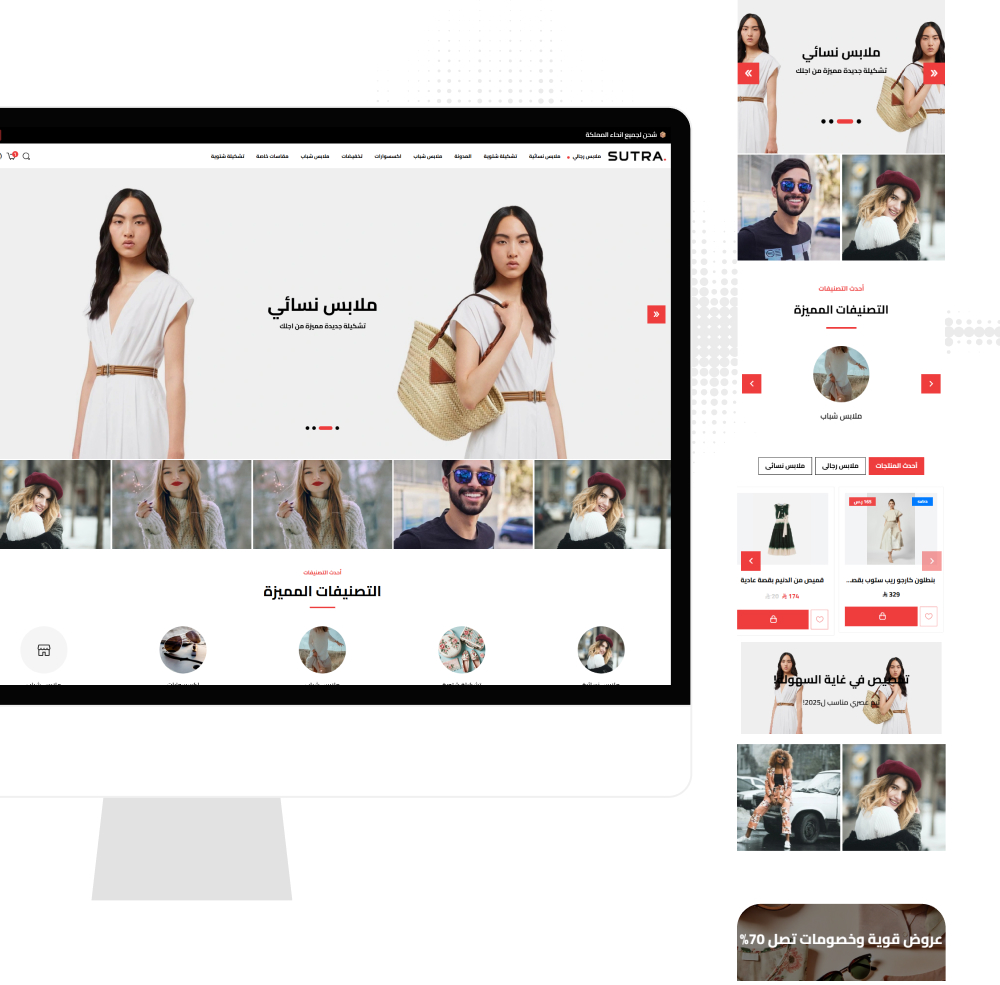
إذا كنت تبيع معدات ألعاب إلكترونية (Gaming) في متجرك، فيجب أن يكون أسلوبك حماسياً ومليئاً بالمصطلحات التقنية الدارجة بين اللاعبين. في المقابل، إذا كنت تدير متجراً على منصة زد لبيع العطور الفاخرة، فيجب أن تكون نبرة كتابتك راقية، هادئة، وتستخدم كلمات توحي بالفخامة والأناقة والتميز. التحدث بلغة العميل يجعله يشعر بأنك تفهمه، وأن هذا المتجر مصمم خصيصاً لتلبية احتياجاته، مما يخلق رابطاً نفسياً قوياً يسهل عملية اتخاذ قرار الشراء ويزيد من ولاء العميل لعلامتك التجارية.
من التقنيات الفعالة جداً في مخاطبة العميل هي استخدام صيغة المخاطب المباشر "أنت" في نصوصك. تجنب الكتابة بصيغة المبني للمجهول أو الحديث عن العميل بصيغة الغائب مثل "يستطيع المستخدم...". بدلاً من ذلك، اكتب "ستتمكن من..." أو "تخيل كيف سيغير هذا المنتج يومك". هذا الأسلوب يجعل النص يبدو وكأنه محادثة شخصية بينك وبين العميل، ويكسر الجمود المعتاد في نصوص التجارة الإلكترونية. اجعل العميل يشعر بأنه محور الاهتمام وأن المنتج تم تصميمه خصيصاً ليجعل حياته أفضل وأسهل.
تحسين وصف المنتجات لمحركات البحث والسيو
كتابة وصف إبداعي وجذاب لن يكون له أي قيمة إذا لم يتمكن العملاء المحتملون من العثور على منتجاتك في محركات البحث مثل جوجل. هنا يأتي دور تحسين محركات البحث (SEO)، وهو عملية دمج الكلمات المفتاحية بذكاء داخل نصوصك لضمان ظهور متجرك في النتائج الأولى. للبدء بشكل صحيح، يمكنك الاطلاع على دليلنا الشامل حول سيو المتاجر: كيف تتصدر نتائج البحث في سلة وزد، والذي سيساعدك على فهم كيفية اختيار الكلمات المفتاحية المناسبة التي يبحث عنها جمهورك المستهدف بالفعل.
عند دمج الكلمات المفتاحية في وصف المنتج، يجب أن يتم ذلك بشكل طبيعي وانسيابي يخدم سياق الجملة، وتجنب تماماً حشو الكلمات المفتاحية (Keyword Stuffing) الذي يعاقب عليه جوجل ويؤدي إلى تجربة قراءة سيئة للعميل. استخدم الكلمة المفتاحية الرئيسية في عنوان المنتج، وفي الفقرة الأولى من الوصف، ومرة أو مرتين ضمن القوائم النقطية. تذكر أن منصتي زد وسلة توفران حقولاً مخصصة لعنوان السيو (SEO Title) والوصف التعريفي (Meta Description) أسفل صفحة تعديل المنتج، لذا احرص على تعبئتها بعناية لزيادة نسبة النقر إلى الظهور (CTR) من صفحة نتائج البحث.
ركز دائماً على استخدام "الكلمات المفتاحية طويلة الذيل" (Long-tail Keywords). بدلاً من استهداف كلمة عامة وشديدة المنافسة مثل "حقيبة نسائية"، استخدم عبارات أكثر تحديداً ودقة مثل "حقيبة يد نسائية من الجلد الطبيعي للعمل". الزائر الذي يبحث عن العبارة الطويلة يكون عادة قد حدد ما يريده بدقة وهو في مرحلة متقدمة من مسار الشراء (مستعد للشراء فوراً). تضمين هذه العبارات الدقيقة في أوصاف منتجاتك يضمن لك جلب زيارات عالية الجودة لمتجرك، مما ينعكس إيجاباً على مبيعاتك الإجمالية بأقل تكلفة إعلانية ممكنة.
استراتيجيات متقدمة لزيادة المبيعات عبر وصف المنتج
للانتقال بوصف منتجاتك إلى مستوى احترافي متقدم، يجب دمج المحفزات النفسية وعناصر الدليل الاجتماعي (Social Proof) داخل النص. لا تكتفِ بعرض التقييمات في أسفل الصفحة، بل قم بتضمين إشارات للنجاح داخل الوصف نفسه. استخدم عبارات مثل "المنتج الأكثر مبيعاً لدينا هذا الشهر"، أو "انضم إلى أكثر من 5000 عميل سعيد اختاروا هذا المنتج". هذه العبارات تخفف من قلق المشتري الجديد وتشعره بالاطمئنان، فالناس بطبيعتهم يميلون إلى الثقة في الخيارات التي جربها واستحسنها الآخرون قبله.
استراتيجية أخرى فعالة هي خلق شعور بالندرة أو الاستعجال (FOMO)، ولكن يجب استخدامها بصدق وشفافية لتجنب فقدان مصداقيتك. إذا كان المنتج ذو إصدار محدود أو الكمية المتبقية قليلة، فاذكر ذلك بوضوح في بداية الوصف. عبارات مثل "إصدار محدود لموسم الصيف" أو "الكمية المتوفرة تنفد بسرعة" تحفز العميل المتردد على اتخاذ قرار الشراء الفوري خوفاً من ضياع الفرصة. منصات مثل سلة وزد تتيح لك إظهار الكمية المتبقية تلقائياً، ولكن التأكيد عليها بنص مكتوب بأسلوب مقنع يضاعف من تأثيرها النفسي.
أخيراً، يمكنك استغلال مساحة وصف المنتج لتطبيق استراتيجية البيع المتقاطع بذكاء. إذا كان العميل يقرأ وصفاً لآلة صنع القهوة، فهذه هي اللحظة المثالية لاقتراح شراء حبوب القهوة الفاخرة أو أكواب الإسبريسو المتوافقة معها ضمن النص. يمكنك كتابة عبارة مثل: "للحصول على أفضل تجربة، نوصي باستخدام هذه الآلة مع تشكيلتنا الفاخرة من حبوب القهوة الكولومبية". لمعرفة المزيد حول هذه التقنية، ننصحك بقراءة مقالنا حول البيع المتقاطع: أسرار زيادة قيمة الطلب في سلة وزد، حيث ستتعلم كيف تزيد من متوسط قيمة سلة المشتريات دون تكاليف تسويقية إضافية.
الخاتمة: خطواتك القادمة نحو كتابة أوصاف تبيع
في ختام هذا الدليل الشامل، يجب أن نؤكد على أن كتابة وصف المنتجات ليست مهمة ثانوية يمكن تفويضها دون إشراف أو القيام بها بشكل عشوائي، بل هي استثمار حقيقي في أصول متجرك الرقمي. الوصف المكتوب بعناية، والذي يركز على فوائد العميل ويخاطبه بلغته، مع مراعاة قواعد السيو، هو أداة قوية تعمل بصمت على مدار الساعة لتحويل الزوار العابرين إلى عملاء دائمين ومخلصين لعلامتك التجارية في بيئة التجارة الإلكترونية التنافسية.
خطوتك العملية القادمة هي إجراء مراجعة شاملة (Audit) لأوصاف المنتجات الحالية في متجرك على سلة أو زد. لا تحاول تغيير كل شيء دفعة واحدة حتى لا تشعر بالإرهاق. ابدأ باختيار أهم 10 منتجات مبيعاً لديك، أو المنتجات ذات هامش الربح الأعلى، وقم بإعادة صياغة أوصافها بناءً على القواعد الذهبية التي ذكرناها. حول ميزاتها الجافة إلى فوائد ملموسة، نسق النص باستخدام القوائم النقطية والفقرات القصيرة، وتأكد من تضمين الكلمات المفتاحية بشكل طبيعي وجذاب.
تذكر دائماً أن التجارة الإلكترونية هي عملية مستمرة من التجربة والتحسين. راقب أداء المنتجات التي قمت بتحديث أوصافها، وتتبع التغير في معدلات التحويل والوقت الذي يقضيه الزوار في صفحة المنتج. مع مرور الوقت والممارسة المستمرة، ستكتسب مهارة صياغة نصوص بيعية لا تقاوم، وستلاحظ بنفسك كيف ستبدأ المبيعات بالارتفاع نتيجة لاهتمامك بهذا التفصيل الصغير في حجمه، والكبير جداً في تأثيره على نجاح متجرك الإلكتروني.