



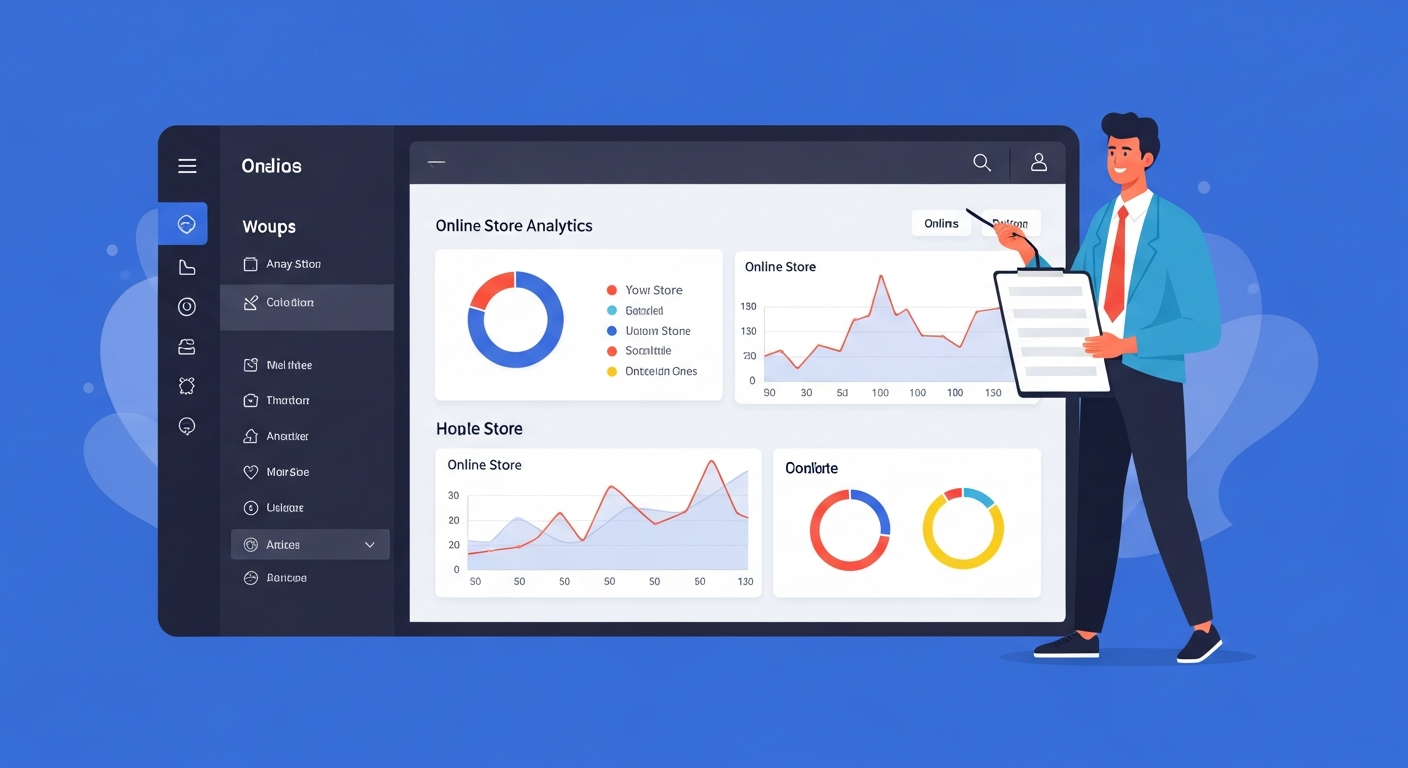
في عالم التجارة الإلكترونية المتسارع، لم يعد إطلاق متجر إلكتروني وعرض المنتجات فيه كافياً لتحقيق النجاح المرجو والمبيعات العالية، بل أصبح سر التفوق يكمن في القدرة على فهم لغة الأرقام. إدارة متجر إلكتروني بدون النظر إلى تقارير الأداء وتحليل البيانات تشبه تماماً قيادة سيارة في طريق مظلم بدون إضاءة أو لوحة إرشادات، حيث تعتمد على التخمين بدلاً من الحقائق. منصات التجارة الإلكترونية الرائدة في العالم العربي، وتحديداً منصتي سلة وزد، تدرك هذا الأمر جيداً، ولذلك وفرت للتجار لوحات تحكم متقدمة وتقارير تفصيلية تغطي كل جانب من جوانب المتجر، بدءاً من الزيارات اليومية وصولاً إلى أدق تفاصيل المبيعات وسلوك العملاء.
تحليل البيانات لا يعني مجرد النظر إلى الأرقام ببرود، بل هو فن استنطاق هذه الأرقام لتحكي لك قصة متجرك بكل وضوح، وتكشف لك عن نقاط القوة لتعزيزها ونقاط الضعف لمعالجتها. عندما تتعلم كيف تقرأ تقارير متجرك في سلة وزد بشكل احترافي، ستتحول قراراتك التسويقية والتشغيلية من قرارات عشوائية مبنية على الحدس إلى استراتيجيات دقيقة ومدروسة. ستعرف بالضبط من أين يأتي عملاؤك، وما هي المنتجات التي تجذب انتباههم، ولماذا يغادر بعضهم المتجر دون إتمام عملية الشراء، مما يمنحك ميزة تنافسية هائلة في سوق يزداد ازدحاماً يوماً بعد يوم.
أهمية تحليل البيانات في منصتي سلة وزد لنمو متجرك
تعتبر عملية تحليل البيانات الركيزة الأساسية التي تبنى عليها خطط النمو والتوسع لأي متجر إلكتروني طموح يسعى للاستدامة في السوق. في منصتي سلة وزد، يتم تزويد التاجر بكمية هائلة من البيانات القيمة التي تتحدث عن كل تفاعل يحدث داخل المتجر، وتكمن الأهمية هنا في تحويل هذه البيانات الخام إلى معلومات قابلة للتنفيذ. على سبيل المثال، معرفة أوقات الذروة التي يكثر فيها الزوار تساعدك في جدولة إطلاق المنتجات الجديدة أو الحملات الإعلانية في الأوقات التي تضمن لك أعلى تفاعل ممكن، مما يقلل من الهدر المالي في ميزانية التسويق ويزيد من العائد على الاستثمار بشكل ملحوظ.
بالإضافة إلى ذلك، يساهم التحليل المستمر للتقارير في فهم أعمق لشريحة العملاء المستهدفة وتفضيلاتهم المتغيرة بمرور الوقت. من خلال لوحة تحكم سلة أو زد، يمكنك تتبع المسار الذي يتخذه العميل منذ لحظة دخوله للمتجر وحتى وصوله إلى صفحة الدفع بنجاح. هذا التتبع الدقيق يكشف لك عن العقبات التقنية أو التصميمية التي قد تواجه المستخدمين وتدفعهم للمغادرة، مما يتيح لك فرصة التدخل السريع وتحسين تجربة المستخدم. المتجر الذي يراقب بياناته باستمرار هو متجر مرن قادر على التكيف مع متطلبات السوق وتجاوز توقعات العملاء بكفاءة عالية.
ولا يقتصر دور تحليل البيانات على تحسين المبيعات الحالية فحسب، بل يمتد ليشمل التنبؤ بالاتجاهات المستقبلية والاستعداد لها بشكل استباقي. عندما تلاحظ من خلال تقارير زد أو سلة زيادة تدريجية في الطلب على فئة معينة من المنتجات خلال موسم محدد، يمكنك التخطيط مسبقاً لتوفير المخزون الكافي وتجهيز الحملات الترويجية المناسبة. هذا النهج الاستباقي المبني على الأرقام يحميك من خسارة الفرص البيعية بسبب نفاد الكميات، ويضعك دائماً بخطوة متقدمة أمام منافسيك الذين قد يعتمدون على ردود الأفعال المتأخرة بدلاً من التخطيط المدروس.
المقاييس الأساسية التي يجب مراقبتها في تقارير المبيعات
عند الدخول إلى قسم التقارير في متجرك سواء على منصة سلة أو زد، ستواجه العديد من المقاييس والأرقام التي قد تبدو مربكة في البداية، ولكن التركيز على المقاييس الأساسية سيجعل المهمة أسهل وأكثر فعالية. أول هذه المقاييس هو إجمالي المبيعات وصافي الأرباح، وهو المؤشر الأهم لمعرفة الصحة المالية للمتجر. يجب عليك متابعة هذا المؤشر بشكل يومي وأسبوعي وشهري ومقارنته بالفترات السابقة لفهم مسار النمو. كما يجب الانتباه إلى التفريق بين إجمالي المبيعات الذي يشمل تكاليف الشحن والضرائب، وصافي الأرباح الذي يمثل دخلك الحقيقي بعد خصم كافة المصاريف التشغيلية.
المقياس الثاني بالغ الأهمية هو عدد الزيارات ومصادرها، والذي يخبرك بمدى نجاح جهودك التسويقية في جذب الجمهور المستهدف إلى متجرك. توفر تقارير سلة وزد تفصيلاً دقيقاً لمصادر الزيارات، سواء كانت من منصات التواصل الاجتماعي، أو محركات البحث، أو الزيارات المباشرة. من خلال تحليل هذه المصادر، يمكنك تحديد القنوات التسويقية الأكثر فاعلية وتوجيه ميزانيتك الإعلانية نحوها بثقة. فإذا وجدت أن غالبية زياراتك المربحة تأتي من انستقرام بينما لا يحقق تويتر أي نتائج تذكر، فإن القرار المنطقي المدعوم بالبيانات هو إعادة توجيه الاستثمارات لتعظيم الاستفادة من المنصة الناجحة.
أما المقياس الثالث الذي لا يقل أهمية فهو معدل تكرار الشراء للعملاء الحاليين، والذي يعكس مدى رضا العملاء عن منتجاتك وخدماتك. العميل الذي يشتري مرة واحدة أمر جيد، ولكن العميل الذي يعود للشراء مراراً وتكراراً هو الأساس الحقيقي لنمو المتجر واستقراره المالي. تتيح لك لوحات التحكم في زد وسلة معرفة نسبة العملاء الجدد مقارنة بالعملاء العائدين، وإذا كانت نسبة العملاء العائدين منخفضة، فهذا جرس إنذار يتطلب منك مراجعة جودة المنتجات، أو سرعة التوصيل، أو فعالية خدمة العملاء لضمان بناء قاعدة جماهيرية ولية لعلامتك التجارية.
معدل التحويل وكيفية قراءته بدقة
يعتبر معدل التحويل (Conversion Rate) من أهم مؤشرات الأداء الرئيسية التي يجب على كل تاجر في سلة وزد مراقبتها وفهمها بعمق شديد. ببساطة، يمثل معدل التحويل النسبة المئوية للزوار الذين أتموا عملية الشراء بنجاح من إجمالي عدد الزوار الذين دخلوا المتجر خلال فترة زمنية محددة. على سبيل المثال، إذا زار متجرك ألف شخص في يوم واحد، وقام عشرة منهم فقط بإتمام عملية الدفع، فإن معدل التحويل لديك هو واحد بالمائة. هذا الرقم الصغير يحمل دلالات ضخمة حول مدى جاذبية متجرك، وفعالية تصميم صفحات المنتجات، وسهولة عملية الدفع وإتمام الطلب.
انخفاض معدل التحويل يعني أنك تنجح في جذب الزوار عبر الإعلانات والتسويق، ولكنك تفشل في إقناعهم بالشراء، وهو ما يمثل هدراً صريحاً لأموالك وجهودك. قد يكون السبب في ذلك هو ارتفاع تكاليف الشحن المفاجئة عند خطوة الدفع، أو عدم وضوح صور المنتجات ووصفها، أو وجود خلل تقني يعيق إتمام الطلب. لمعالجة جزء كبير من هذه المشكلة، ننصحك بالاطلاع على دليلنا الشامل حول السلال المتروكة: دليلك لاسترجاعها في زد وسلة، حيث ستجد استراتيجيات فعالة لإعادة استهداف هؤلاء الزوار المترددين وتحويلهم إلى مشترين فعليين.
لتحسين معدل التحويل في متجرك، يجب عليك إجراء اختبارات مستمرة وتعديلات بناءً على ما تخبرك به التقارير. جرب تبسيط خطوات الدفع، أو تقديم عروض شحن مجاني بشروط معينة، أو إضافة تقييمات العملاء السابقين لزيادة الثقة. من خلال المراقبة اليومية لتقارير سلة وزد، ستتمكن من قياس أثر كل تعديل تقوم به على معدل التحويل، مما يسمح لك بالاستمرار في التحسين التدريجي حتى تصل إلى النسب المثالية التي تضاعف أرباحك دون الحاجة لزيادة ميزانية الإعلانات لجلب زوار جدد.
متوسط قيمة الطلب وأثره على الأرباح
متوسط قيمة الطلب (Average Order Value - AOV) هو المقياس الذي يحدد متوسط المبلغ الذي يدفعه العميل في كل عملية شراء يقوم بها من متجرك. حساب هذا المقياس يتم من خلال قسمة إجمالي الإيرادات على عدد الطلبات خلال فترة معينة. فهم هذا المؤشر ومراقبته عبر تقارير زد وسلة يعتبر استراتيجية ذكية جداً لزيادة الإيرادات، لأن إقناع عميل متواجد بالفعل في متجرك ولديه نية الشراء بإضافة منتج آخر لسلة تسوقه، أسهل بكثير وأقل تكلفة من البحث عن عميل جديد تماماً وإقناعه بالشراء من الصفر.
لرفع متوسط قيمة الطلب، يعتمد التجار المحترفون على تكتيكات ذكية تعتمد كلياً على قراءة بيانات المشتريات السابقة وفهم سلوك العميل. وهنا يبرز دور استراتيجيات هامة مثل البيع المتقاطع: كيف تزيد أرباحك في سلة وزد لرفع قيمة السلة، من خلال اقتراح منتجات مكملة للمنتج الأساسي الذي ينوي العميل شراءه. فإذا كان العميل يشتري هاتفاً ذكياً، فإن اقتراح غطاء حماية وشاحن إضافي بخصم بسيط سيشجعه على زيادة قيمة فاتورته، وهو ما ينعكس فوراً في تقاريرك بارتفاع واضح في مؤشر متوسط قيمة الطلب.
علاوة على ذلك، تلعب سياسات التسعير دوراً جوهرياً في التأثير على هذا المقياس الحيوي. تقديم عروض من نوع احصل على شحن مجاني عند الشراء بقيمة معينة، يدفع العملاء تلقائياً لإضافة المزيد من المنتجات للوصول إلى هذا الحد. ولضمان تنفيذ هذه السياسات دون الإضرار بهامش الربح، يجب عليك مراجعة مقالنا حول تسعير المنتجات: استراتيجيات ذكية لمتاجر زد وسلة، حيث سيساعدك على تسعير منتجاتك بطريقة تشجع على زيادة حجم المشتريات مع الحفاظ على ربحية عالية ومستدامة لمتجرك الإلكتروني.
تحليل سلوك العملاء وتقارير الزيارات اليومية
فهم سلوك العملاء داخل متجرك الإلكتروني هو المفتاح السحري لتقديم تجربة تسوق استثنائية تقود إلى زيادة المبيعات والولاء. تقارير الزيارات اليومية في منصتي سلة وزد لا تخبرك فقط بعدد الأشخاص الذين دخلوا المتجر، بل تقدم لك خريطة تفصيلية لتحركاتهم واهتماماتهم. من خلال هذه التقارير، يمكنك معرفة الصفحات الأكثر زيارة، والمدة الزمنية التي يقضيها الزائر في كل صفحة، ومعدل الارتداد الذي يشير إلى نسبة الزوار الذين غادروا المتجر من الصفحة الأولى دون الانتقال لأي صفحة أخرى. هذه المعطيات تعتبر كنزاً حقيقياً لتحسين تصميم المتجر وتجربة المستخدم.
عندما تلاحظ أن معدل الارتداد مرتفع جداً في صفحة معينة، فهذا يعني أن هناك مشكلة تجعل الزوار يهربون فور دخولهم. قد تكون المشكلة بطء في تحميل الصفحة، أو تصميماً غير متجاوب مع الهواتف المحمولة، أو محتوى لا يتطابق مع الإعلان الذي جذب الزائر في المقام الأول. باستخدام تحليلات زد وسلة، يمكنك تحديد هذه الصفحات بدقة والعمل على إصلاح الخلل فوراً. تحسين سرعة المتجر وتنظيم القوائم وتوضيح الصور يمكن أن يقلل من معدل الارتداد بشكل كبير، مما يزيد من فرصة تصفح الزائر لمزيد من المنتجات وإتمام الشراء.
إضافة إلى ذلك، تساعدك تقارير سلوك العملاء في تحديد الأوقات والأيام التي ينشط فيها جمهورك بشكل أكبر. قد تكتشف من خلال البيانات أن أغلب عمليات الشراء تتم في عطلة نهاية الأسبوع أو في ساعات المساء المتأخرة. بناءً على هذه المعلومة القيمة، يمكنك جدولة إرسال النشرات البريدية، أو رسائل التنبيهات، أو إطلاق العروض الترويجية الحصرية في هذه الأوقات المحددة لضمان أعلى نسبة تفاعل. التوافق مع إيقاع حياة عملائك بناءً على تحليلات البيانات يرفع من كفاءة عملياتك التسويقية ويحقق نتائج مبهرة بأقل مجهود ممكن.
تحديد المنتجات الأكثر والأقل مبيعاً
تعتبر تقارير أداء المنتجات من أكثر الأقسام حيوية في لوحات تحكم سلة وزد، حيث تمنحك رؤية واضحة وشفافة حول المنتجات التي تقود أرباح متجرك والمنتجات التي تشكل عبئاً عليه. تحديد المنتجات الأكثر مبيعاً لا يقتصر فقط على الشعور بالرضا عن نجاحها، بل يتطلب اتخاذ خطوات عملية لتعظيم الاستفادة منها. يمكنك وضع هذه المنتجات الناجحة في الصفحة الرئيسية للمتجر، أو تخصيص ميزانية إعلانية أكبر للترويج لها، أو حتى استخدامها كعنصر جذب رئيسي في الحملات التسويقية لضمان تدفق مستمر للعملاء الجدد.
في المقابل، فإن تحديد المنتجات الأقل مبيعاً أو الراكدة يعتبر بنفس القدر من الأهمية. المنتجات التي لا تباع تكلفك أموالاً بسبب تخزينها وتشغل مساحة يمكن استغلالها لمنتجات أكثر ربحية. عندما تحدد هذه المنتجات عبر تقارير سلة أو زد، يمكنك اتخاذ قرارات سريعة للتخلص منها، مثل عمل تصفية شاملة بخصومات كبيرة، أو دمجها في باقات مع المنتجات الأكثر مبيعاً لتصريفها. هذا التحليل المستمر يضمن بقاء كتالوج منتجاتك نشطاً ومتجدداً وجذاباً للعملاء في كل مرة يزورون فيها المتجر.
لضمان إدارة هذه العملية بكفاءة عالية وتجنب الأخطاء المكلفة، من الضروري جداً ربط هذه التحليلات مع إدارة المخزون: نصائح لتجنب نفاد المنتجات في زد وسلة لضمان توفر المنتجات الناجحة دائماً وبكميات كافية تغطي الطلب. نفاد المخزون لمنتج يحقق مبيعات عالية هو كابوس لأي تاجر، لأنه يعني خسارة مباشرة للأرباح وإحباطاً للعملاء. استخدام تقارير البيانات للتنبؤ بكميات المخزون المطلوبة بناءً على سرعة المبيعات السابقة هو ما يميز التاجر المحترف عن غيره في عالم التجارة الإلكترونية المليء بالتحديات.
خطوات عملية لتحويل الأرقام إلى قرارات تسويقية ناجحة
الآن وبعد أن فهمنا أهمية البيانات والمقاييس المختلفة في منصتي سلة وزد، نأتي للخطوة الأهم وهي كيفية تحويل هذه الأرقام الصامتة إلى خطة عمل وقرارات تسويقية ناجحة على أرض الواقع. الخطوة الأولى تتمثل في وضع روتين ثابت لمراجعة التقارير، حيث ينصح بتخصيص وقت محدد أسبوعياً لتصدير البيانات وقراءتها بتمعن. لا تكتفِ بالنظر إلى الأرقام الإجمالية، بل قم بمقارنة أداء الأسبوع الحالي بالأسبوع الماضي والشهر الحالي بالشهر الذي سبقه. هذه المقارنات الزمنية هي التي تكشف لك عن الاتجاهات الصاعدة أو الهابطة في أداء المتجر بشكل مبكر وتسمح لك بالتدخل في الوقت المناسب.
الخطوة الثانية هي صياغة الفرضيات بناءً على البيانات التي قمت بمراقبتها والبدء في اختبارها. لنفترض أنك لاحظت في تقارير زد أو سلة انخفاضاً ملحوظاً في المبيعات خلال أيام منتصف الأسبوع مقارنة بعطلة نهاية الأسبوع. الفرضية هنا هي أن العملاء يكونون مشغولين بأعمالهم ولا يملكون الوقت الكافي للتسوق. القرار التسويقي المبني على هذه الفرضية قد يكون إطلاق كود خصم خاص تحت اسم عرض منتصف الأسبوع صالح لمدة 48 ساعة فقط. من خلال هذا الإجراء، أنت تستخدم البيانات لحل مشكلة ركود المبيعات في أيام محددة بطريقة استباقية وذكية.
الخطوة الثالثة والأخيرة في هذه العملية هي قياس أثر القرارات التي اتخذتها والتعلم منها باستمرار. بعد إطلاق عرض منتصف الأسبوع، يجب عليك العودة إلى التقارير لقياس مدى فعالية هذه الحملة. هل ارتفعت المبيعات فعلاً؟ هل كان هامش الربح مرضياً بعد الخصم؟ إذا كانت الإجابة نعم، فيمكنك اعتماد هذه الاستراتيجية كجزء من خطتك التسويقية الدائمة. أما إذا كانت النتيجة غير مرضية، فهذا يعني أن الفرضية تحتاج لتعديل أو أن العرض لم يكن جذاباً بما فيه الكفاية. هذه الدورة المستمرة من التحليل، التجربة، والقياس هي المحرك الأساسي لنمو أي متجر إلكتروني ناجح.
الخاتمة: الاستمرارية في قراءة التقارير هي مفتاح النجاح
في ختام هذا الدليل الشامل، يجب أن نؤكد على أن تحليل البيانات في منصتي سلة وزد ليس مهمة تقوم بها مرة واحدة عند إطلاق المتجر وتتوقف، بل هي عملية مستمرة وحيوية يجب أن تلازمك طوال رحلتك في التجارة الإلكترونية. البيانات هي بوصلتك التي توجهك نحو اتخاذ القرارات الصائبة، وتجنبك الانزلاق في أخطاء قد تكلفك الكثير من الجهد والمال. من خلال فهم المقاييس الأساسية مثل معدل التحويل، ومتوسط قيمة الطلب، وسلوكيات الزوار، ستتمكن من بناء استراتيجيات تسويقية مبنية على أساس متين من الحقائق الثابتة التي تعكس واقع متجرك الفعلي.
المنصات الرائدة مثل زد وسلة لم تبخل في توفير أحدث أدوات التحليل ولوحات التحكم الشاملة لتسهيل هذه المهمة المعقدة وجعلها في متناول جميع التجار، بغض النظر عن خلفيتهم التقنية. دورك كتاجر طموح هو استغلال هذه الأدوات بأقصى قدر ممكن، وعدم السماح للأرقام بأن تمر مرور الكرام دون أن تستخلص منها الدروس المستفادة. تذكر دائماً أن كل رقم في تقارير متجرك يمثل تفاعلاً حقيقياً من عميل محتمل، وفهم هذا التفاعل هو أول خطوة نحو كسب ثقة هذا العميل وتحويله إلى مشترٍ دائم ومروج مخلص لعلامتك التجارية.
وأخيراً، اجعل من قراءة التقارير وتحليل البيانات عادة يومية أو أسبوعية ضمن مهام إدارتك للمتجر. شارك هذه الرؤى مع فريق عملك، واستخدموها لتطوير كل جزء من أجزاء العمل، بدءاً من اختيار المنتجات وتسعيرها، مروراً بتصميم المتجر، وصولاً إلى إطلاق الحملات الإعلانية الكبيرة. التجارة الإلكترونية الناجحة لم تعد تعتمد على الحظ أو التخمين، بل تعتمد كلياً على التاجر الذي يجيد الاستماع لما تقوله الأرقام ويملك الجرأة لتحويل هذه الأرقام إلى خطط عمل مبتكرة تقود متجره نحو قمة النجاح المالي والانتشار الواسع في السوق.